
When it comes to creating a lush and thriving oasis in your backyard, there’s no better way than building a raised garden bed. Not only do they provide a sturdy and accessible growing space for plants, but they also allow you to control the soil quality and drainage – giving you a head start on growing your favorite fruits, vegetables, herbs, and flowers.
If you’re new to gardening or just looking to revamp your existing setup, choosing the right plants for your raised bed can be overwhelming. With so many options available, it’s hard to know where to start. That’s why we’ve put together this guide on what to plant in a raised garden bed – covering everything from climate-specific suggestions to must-have varieties that’ll make your harvest season a success.
Choosing the Right Plants for Your Climate
When selecting plants for your raised garden bed, it’s essential to choose varieties that thrive in your specific climate and growing conditions. This helps ensure a bountiful harvest and happy plants.
Understanding Your Hardiness Zone
When it comes to choosing plants for your raised garden bed, understanding your hardiness zone is crucial. Hardiness zones are a way to determine which plants can thrive in your specific region based on the average annual extreme minimum temperature.
To find your hardiness zone, you can check with the United States Department of Agriculture (USDA) Plant Hardiness Zone Map. You can also use online tools like the USDA’s Garden Planner or mobile apps such as Garden Plan Pro to determine your zone. Simply enter your zip code or location, and these resources will provide your hardiness zone.
Knowing your hardiness zone helps you select plants that are adapted to your climate. For example, if you live in a warm-weather zone (like Zone 8 or higher), you can grow tropical plants like tomatoes and peppers year-round. However, if you live in a cooler zone (like Zone 4 or lower), you’ll need to choose plants that can tolerate frost, such as broccoli and kale.
By understanding your hardiness zone, you’ll be able to choose the best plants for your raised garden bed and ensure they receive the right amount of care. This will result in healthier, more productive plants that will thrive in your specific climate.
Considerations for Temperature Extremes
When choosing plants for your raised garden bed, it’s essential to consider the temperature fluctuations that come with different climates. Temperature extremes can significantly impact plant growth, and selecting heat-tolerant or cold-hardy varieties can make all the difference.
In regions with scorching summers, look for plants that are specifically bred for high-heat tolerance. Vegetables like okra, Southern peas, and hot peppers thrive in temperatures above 85°F (30°C). These plants can tolerate short periods of intense heat but may require some afternoon shade to prevent scorched leaves.
On the other hand, areas with harsh winters demand plants that can withstand freezing temperatures. Cold-hardy vegetables such as broccoli, kale, and Brussels sprouts can survive light frosts but may need protection during prolonged cold snaps. Consider using row covers or bringing potted plants under cover when extreme cold is forecasted.
When selecting heat-tolerant or cold-hardy varieties, check the plant’s specific temperature tolerance range on the seed packet or consult with a local nursery expert. By choosing the right plants for your climate, you’ll ensure a thriving and productive raised garden bed all season long.
Vegetables for a Raised Garden Bed
When it comes to growing your favorite vegetables, choosing the right varieties is crucial. Let’s take a look at some of the best vegetables to plant in a raised garden bed.
Leafy Greens and Brassicas
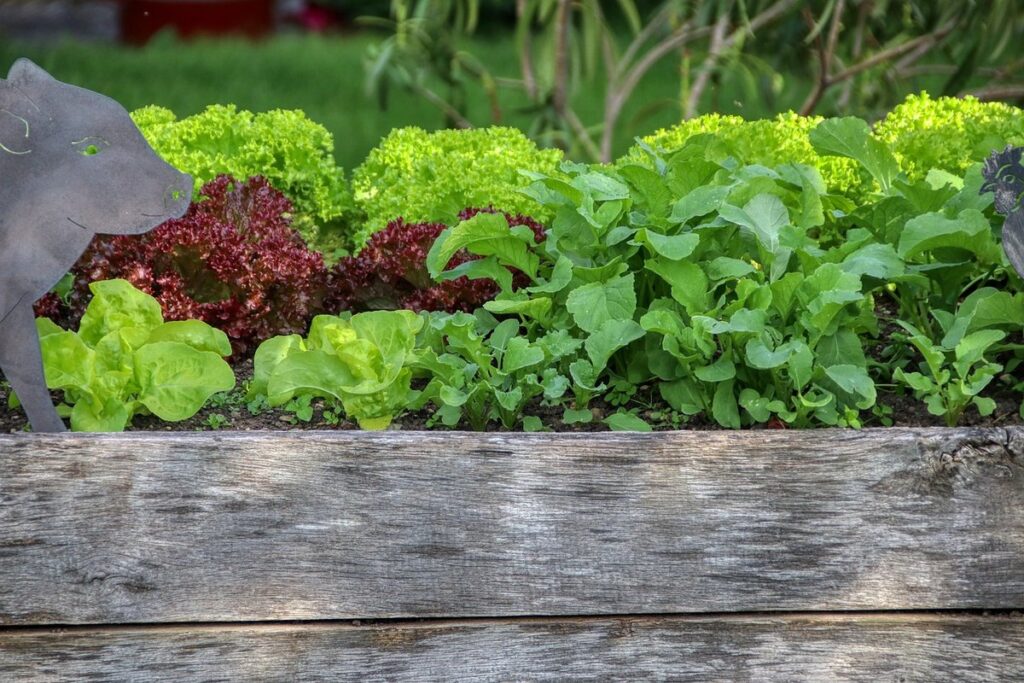
When it comes to planting leafy greens and brassicas in your raised garden bed, you have a world of delicious possibilities. Kale, spinach, and lettuce are popular choices for their ease of growth and versatility in salads, smoothies, and sautéed dishes.
Kale is a hardy, cool-season crop that tolerates frost and can be harvested continuously throughout the growing season. It requires well-draining soil and partial shade to prevent scorching. Spinach, on the other hand, prefers moist, rich soil and consistent moisture levels. Lettuce comes in a variety of types, including loose-leaf and head-forming varieties, and thrives in cooler temperatures.
Brassicas like broccoli, cauliflower, and cabbage are also excellent choices for raised garden beds. They require more space than leafy greens but offer impressive yields and nutritional value. Broccoli is a cool-season crop that prefers well-draining soil and full sun to produce large, dense heads. Cauliflower requires similar conditions but can be more finicky about temperature fluctuations.
To ensure optimal growth, make sure your raised garden bed has good drainage and receives at least 6 hours of direct sunlight per day. Water regularly, but avoid overwatering, which can lead to root rot and other issues.
Root Vegetables and Tubers
Root vegetables and tubers are an excellent choice for raised garden beds, providing a diverse range of flavors, textures, and nutrients. When growing root vegetables like carrots, beets, and radishes, it’s essential to focus on soil quality. These plants prefer well-draining, loose soil with a pH between 6.0 and 7.0. Add compost or well-rotted manure to improve the soil structure and fertility.
For optimal growth, ensure consistent moisture levels, avoiding overwatering that can lead to root rot. Radishes, in particular, are sensitive to waterlogged conditions and may bolt if exposed to extreme temperatures.
Tubers like potatoes and sweet potatoes require deeper soil and more attention to pest management. To prevent disease and pests, use crop rotation, remove weeds regularly, and maintain a balanced fertilizer regimen. When harvesting, handle the tubers gently to avoid damage, as any bruising can reduce their storage life.
By following these guidelines, you’ll be able to enjoy a bountiful harvest of delicious root vegetables and tubers in your raised garden bed.
Fruits for a Raised Garden Bed
When it comes to adding some delicious and nutritious fruits to your raised garden bed, there are several options that thrive in these elevated plots. Consider growing berries, citrus trees, or apples for a bountiful harvest.
Berries: A Beginner’s Delight
Berries are an excellent choice for raised garden beds, and they’re perfect for beginners. One of the most popular berries to grow is strawberries. They require well-draining soil with a pH between 5.5 and 6.5. Plant strawberry seeds or seedlings in early spring or late summer, and make sure to space them about 18 inches apart.
Blueberries are another favorite among gardeners, but they’re more finicky than strawberries. They need acidic soil (pH 4.0-5.5) and consistent moisture. Raspberries and blackberries also thrive in raised beds, requiring similar conditions to blueberries. Pruning is essential for all berries: remove dead or damaged canes, and trim back new growth by about one-third in the spring.
Keep an eye out for common pests like aphids, slugs, and snails. Regularly inspect your plants, and use neem oil or insecticidal soap to control infestations. Mulch around the plants to retain moisture and suppress weeds. With proper care and attention, berries will reward you with delicious fruit in mid-to-late summer.
Other Fruit Options (Citrus, Grapes, Melons)
If you’re looking for more fruit options to plant in your raised garden bed beyond berries and stone fruits, consider incorporating dwarf citrus trees, grapes, and melons into your design. Dwarf citrus trees, such as lemons or limes, can thrive in a raised bed with proper care. Be sure to select a compact variety that’s specifically bred for container growing or small spaces.
When planting grapes, choose a self-fertile variety like ‘Thompson Seedless’ or ‘ Flame’, which don’t require cross-pollination. Train the vines along a trellis or arbor using a sturdy support system. Melons, such as cantaloupe and honeydew, also do well in raised beds. They require full sun and well-draining soil to prevent fungal diseases.
To ensure successful companion planting, group citrus trees with herbs like rosemary or thyme, which repel pests that target citrus fruits. Grapes can be paired with lavender, which helps to reduce the risk of powdery mildew. When preparing your raised bed for these fruit-bearing plants, make sure the soil has a slightly acidic pH and is rich in organic matter.
When planting grapes, choose a self-fertile variety like ‘Thompson Seedless’ or ‘ Flame’, which don’t require cross-pollination. Train the vines along a trellis or arbor using a sturdy support system to provide enough space for fruiting.
Herbs and Flowers in a Raised Garden Bed
When it comes to adding color, fragrance, and visual interest to your raised garden bed, herbs and flowers are an excellent choice. They’re easy to grow and require minimal maintenance.
Basil, Cilantro, and Other Popular Herbs
When it comes to choosing herbs for your raised garden bed, basil, cilantro, parsley, and mint are excellent options that will add fresh flavor to a variety of dishes. These popular herbs require minimal maintenance and can thrive in well-draining soil with plenty of sunlight.
Basil is a classic choice for Italian and Thai cooking, and it’s relatively easy to grow in a raised bed. Pinch off flower buds as they form to encourage leaf growth, and trim back the plant by about one-third every week or two to keep it bushy and prevent it from flowering. Use fresh basil leaves in pesto sauce, salads, or as a garnish for soups.
Cilantro is a fast-growing herb that’s perfect for Mexican and Asian dishes. It prefers cooler temperatures and can bolt (go to seed) quickly if the weather gets too hot. Sow cilantro seeds every week or two to ensure a continuous harvest. Use fresh cilantro leaves in salsas, salads, or as a garnish for tacos.
Mint is a hardy herb that’s perfect for teas, cocktails, and desserts. It can be invasive, so consider containing it in a separate pot or container to prevent it from spreading into other areas of the garden. Pinch off flower buds regularly to encourage leaf growth, and trim back the plant by about one-third every week or two to keep it bushy.
Parsley is another popular herb that’s easy to grow in a raised bed. It prefers well-draining soil and partial shade, making it an excellent choice for companion planting with basil. Use fresh parsley leaves in salads, as a garnish for soups, or as a flavoring for vegetables like carrots and green beans.
When using these herbs in cooking, be sure to harvest them at the right time to ensure optimal flavor. Pinch off individual leaves or stems just before using, and avoid over-harvesting, which can stress the plant and reduce future yields.
Companion Planting with Marigolds and Nasturtiums
When selecting companion plants for your raised garden bed, consider incorporating marigolds and nasturtiums to reap their numerous benefits. These flowers are natural pest repellents that can help protect your prized herbs and vegetables from common garden pests.
Marigolds, in particular, are known to deter nematodes, whiteflies, and other insects that can damage plants. Their strong scent also repels rabbits and deer, making them an excellent choice for a raised bed surrounded by wildlife. Plant marigold seeds around the perimeter of your bed to create a barrier against pests.
Nasturtiums are another effective companion plant, as they repel aphids, squash bugs, and other insects that can harm plants. Their bright flowers also attract beneficial insects like lacewings and hoverflies, which prey on common garden pests. Interplant nasturtium seeds among your vegetables or herbs to create a diverse and resilient ecosystem.
By incorporating marigolds and nasturtiums into your raised garden bed, you’ll not only add vibrant color but also create a balanced and pest-resistant environment for your plants to thrive in.
Edibles for Small Spaces (Microgreens and Sprouts)
When space is limited, don’t sacrifice flavor: learn how to grow microgreens and sprouts that pack a punch in even the smallest of raised beds. These tiny wonders are easy to cultivate and add excitement to any meal.
Microgreen Basics: How to Grow Your Own
Microgreens are young, nutrient-dense versions of leafy greens and other vegetables that can be harvested within 1-3 weeks of sowing. They offer a whopping 5-10 times more vitamins and minerals than their mature counterparts, making them an excellent addition to salads, sandwiches, and even smoothies. Some popular varieties include pea shoots, sunflower greens, radish greens, and salad mix.
To grow microgreens in your raised garden bed, start by sowing seeds densely on a tray or container filled with potting soil. Keep the soil consistently moist but not waterlogged, as this can lead to fungal growth and root rot. Provide adequate light – most microgreens require 12-14 hours of indirect sunlight per day. Harvest them when the leaves are about 1-2 inches tall, using scissors to snip off the greens at the base of the stems.
Beginners can start with simple varieties like salad mix or pea shoots, while more adventurous gardeners can experiment with unique options like daikon radish greens or arugula.
Growing Sprouts at Home
Growing sprouts at home is an excellent way to add fresh greens to your diet without committing to a full-sized garden. The process is simple and can be done with just a few basic supplies. Start by choosing the type of sprout you want to grow – alfalfa, broccoli, or mung bean are popular options. Alfalfa sprouts are rich in vitamins A and E, while broccoli sprouts contain high levels of vitamin C and cancer-fighting compounds.
To begin growing sprouts, soak 1-2 tablespoons of seeds overnight in water. Drain and rinse the seeds in a fine-mesh strainer, then place them in a clean glass jar or container with drainage holes. Keep the seeds moist by covering the top with a cloth or paper towel. Within 3-5 days, your sprouts will start to grow, reaching up to 2 inches tall. Harvest your sprouts when they reach this height and store them in an airtight container in the refrigerator.
You can also use beans like mung or adzuki to grow sprouts. These are rich in protein and fiber, making them a nutritious addition to salads and sandwiches.
Preparing Your Raised Garden Bed for Planting
Before you start planting, it’s essential to prepare your raised garden bed by loosening the soil and removing any debris. This will give your plants a healthy foundation.
Soil Testing: Why It Matters
Soil testing is an often-overlooked but crucial step in preparing your raised garden bed for planting. It’s essential to understand that a raised bed is only as good as the soil it’s built on, and without proper analysis, you may be inadvertently introducing nutrient deficiencies or pH imbalances that can impact plant growth.
The truth is, most gardeners don’t know what their soil is lacking or how to adjust it accordingly. This lack of knowledge can lead to subpar yields, reduced plant health, and a general sense of frustration with your gardening endeavors. By investing in soil testing, you’ll gain valuable insights into the nutrient levels, pH balance, and overall composition of your raised bed’s soil.
A typical soil test will analyze factors such as nitrogen (N), phosphorus (P), potassium (K), and other essential micronutrients like calcium and magnesium. These results will also indicate your soil’s pH level, which can significantly impact plant growth. For example, most vegetables prefer a slightly acidic to neutral pH range of 6.0-7.0.
When interpreting your test results, look for recommendations on how to amend your soil. This might involve adding organic matter like compost or manure to boost nutrient levels, or applying lime or sulfur to adjust the pH. With this information in hand, you’ll be able to tailor your gardening strategy to meet the specific needs of your raised bed’s unique ecosystem.
Mulching and Composting Strategies
When it comes to preparing your raised garden bed for planting, incorporating mulch and compost into your strategy can make a huge difference. Mulch helps to suppress weeds by blocking light from reaching them, while also retaining moisture in the soil. This means you’ll spend less time weeding and watering, and more time enjoying the fruits of your labor.
Compost is another essential element that enhances plant growth by providing vital nutrients and improving soil structure. It’s like giving your plants a daily dose of vitamins! By mixing compost into the soil or using it as a mulch on top, you’ll be creating an environment where roots can grow deep and strong.
To make the most of these benefits, aim to add at least 2-3 inches of compost to your raised bed. You can also use organic mulches like straw, bark chips, or even wood ash (from untreated wood) to retain moisture and suppress weeds. Just be sure to keep the mulch layer thin – around 1-2 inches is ideal.
Tips and Tricks for Success in Your Raised Garden Bed
To get the most out of your raised garden bed, let’s dive into some essential tips and tricks that’ll make your plants thrive. These insider secrets will help you avoid common mistakes and achieve a bountiful harvest.
Season Extension Methods (Cold Frames and Row Covers)
If you’re lucky enough to have access to a raised garden bed year-round, you can enjoy growing a wide variety of crops throughout different seasons. However, for most of us, the growing season is limited by harsh weather conditions such as frost and intense heat. That’s where cold frames and row covers come in – essential tools for extending your growing season.
Cold frames are structures built over plants to trap warm air and protect them from extreme temperatures. They’re ideal for starting seeds early in the spring or prolonging the harvest period in the fall. You can make a simple cold frame using reclaimed wood or purchase a pre-made one. Place it over a bed of lettuce, spinach, or other cool-season crops to enjoy a head start on the growing season.
Row covers, on the other hand, are lightweight sheets that cover plants to protect them from frost and heat stress. They’re breathable, allowing excess moisture to escape while keeping warm air in. Use row covers to extend the harvest period of delicate herbs like basil or to keep weeds from competing with your crops.
When choosing between cold frames and row covers, consider the climate in your area. If you live in an area prone to intense heat or frost, a combination of both might be necessary for optimal results. With a little creativity and planning, you can enjoy a bountiful harvest even in the chilliest of seasons.
Pest Management Strategies (Companion Planting, Organic Controls)
When it comes to maintaining a thriving raised garden bed, pest management is a crucial aspect to consider. Companion planting is a natural and effective way to deter pests without using harsh chemicals. For example, planting basil with tomatoes can repel whiteflies and aphids, while marigolds can ward off nematodes that target vegetables like carrots and potatoes.
In addition to companion planting, there are several organic controls you can use to manage pests in your raised garden bed. Neem oil, derived from the seeds of the neem tree, is a potent natural pesticide that can be used to control a wide range of pests, including aphids, mealybugs, and spider mites. Diatomaceous earth, a non-toxic powder made from fossilized algae, works by dehydrating insects, making it impossible for them to survive.
To incorporate these methods into your pest management strategy, start by researching which plants are naturally repellent against specific pests that target your crops. You can also experiment with different combinations of companion planting and organic controls to find what works best for your garden bed.
Frequently Asked Questions
What if I’m unsure about my hardiness zone or can’t find it on the USDA map?
No need to worry! You can also check with local nurseries, gardening clubs, or your county extension office for guidance on determining your hardiness zone. They may have more specific knowledge of your area’s climate and growing conditions.
Can I mix and match plants from different zones in my raised garden bed?
While it might be tempting to combine plants from various zones, this can lead to inconsistent growth and reduced yields. For best results, stick to planting varieties that are suitable for your specific hardiness zone.
How do I prepare my raised garden bed for a successful harvest if I’m new to gardening?
Start by testing the soil pH and nutrient levels using a home soil test kit or consulting with a local nursery professional. Based on these results, amend the soil accordingly with organic matter like compost or well-rotted manure.
What are some signs that my raised garden bed might be suffering from nutrient deficiencies?
Keep an eye out for stunted growth, yellowing leaves, or poor fruit set. If you notice any of these symptoms, consider conducting a soil test to identify potential nutrient deficiencies and take corrective action through fertilization or amendments.
Can I grow microgreens in the same raised garden bed as my other plants, or do they require separate containers?
Microgreens can be grown in the same raised bed as your main crops, but make sure to provide them with adequate light and water. They also benefit from being harvested within 1-3 weeks of germination to prevent overcrowding and promote healthy growth.