
The tomato harvest is over, but your garden’s not done yet. Choosing what to plant next can be a daunting task, especially if you’re new to gardening or have limited experience with companion planting. The right plants can help replenish soil nutrients, prevent pests and diseases, and even improve the flavor of future crops.
In this article, we’ll explore expert tips on how to select the perfect plants for your garden after tomatoes, considering factors like climate, soil type, and available space. We’ll delve into the benefits of crop rotation, companion planting, and pest management strategies to ensure a thriving and balanced ecosystem in your garden. By the end of this article, you’ll be equipped with the knowledge to make informed decisions about what to plant next, setting yourself up for a bountiful harvest season after season.
Understanding Tomato Crops and Their Life Cycle
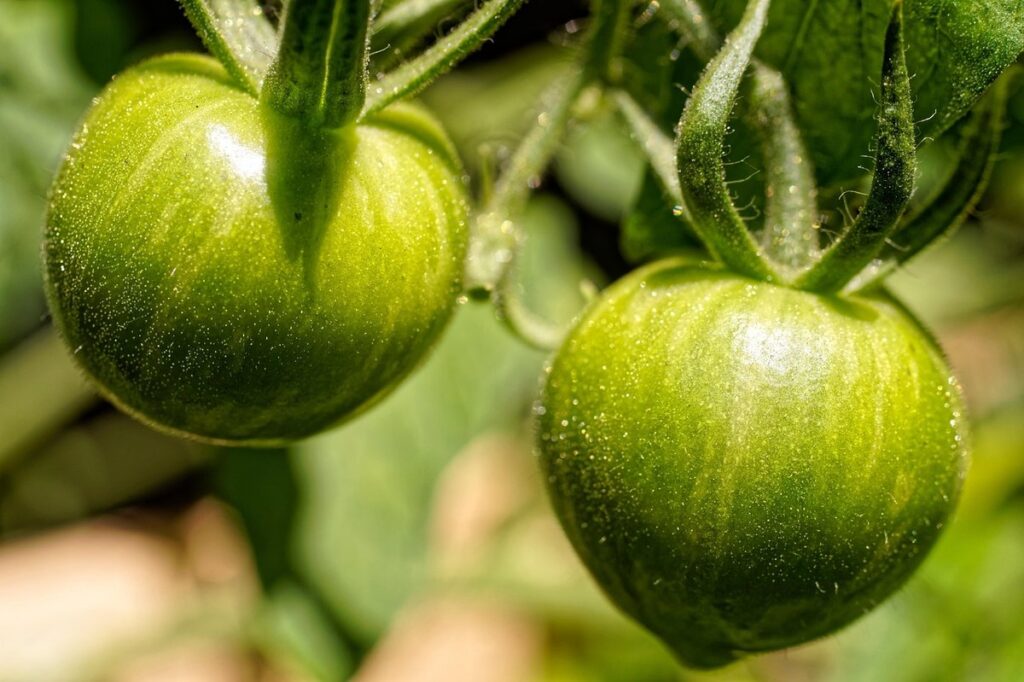
Before you start planning what to plant after tomatoes, let’s dive into the basics of tomato crops and their life cycle. This understanding will help inform your next planting decisions.
Factors Influencing Post-Tomato Planting Decisions
When deciding what to plant after tomatoes, several factors come into play that can either make it easy to find the perfect successor crop or limit your options. One of the primary considerations is climate. If you live in a region with a hot and dry summer, for instance, planting something like okra or squash can be an excellent choice as they thrive in similar conditions.
On the other hand, if your soil type is more alkaline, you may want to avoid planting vegetables that are susceptible to nutrient deficiencies, such as broccoli or carrots. Another crucial factor is available space – how much room do you have left over after harvesting your tomato crop?
Considering these factors can help ensure a smooth transition from tomatoes to the next crop in your garden. Some examples of what to plant after tomatoes include herbs like basil and cilantro, which don’t take up too much space and can be grown alongside other crops.
Some common vegetables that grow well after tomatoes include cucumbers, zucchini, and beans – these are all easy to care for and can thrive in the same conditions as tomatoes.
Planning Ahead: Determining the Best Post-Harvest Planting Schedule
Planning ahead is crucial when determining what to plant after tomatoes. As a gardener, you’ve likely noticed that the tomato crop takes up a significant portion of your garden space for several months. Before replanting, it’s essential to consider crop rotation and seasonal changes to ensure the health and productivity of your soil.
Crop rotation is a simple yet effective way to maintain soil fertility and prevent pests and diseases from building up. By switching to a different type of crop, you’ll break the disease cycle and give your soil a chance to recover. For example, if you planted tomatoes in a particular bed last season, try planting something like carrots or beans this time around. These crops have different root systems and nutrient requirements, which will help revitalize the soil.
Seasonal changes also play a significant role in determining the best post-tomato planting schedule. In areas with hot summers, it’s essential to plan for cooler-season crops that thrive during the milder temperatures of spring or fall. Consider planting cool-season crops like lettuce, spinach, or broccoli after the summer heat has passed.
Take note of your climate and region-specific growing seasons when making these decisions. This will help you determine what works best for your garden and ensure a successful harvest.
Choosing Companion Plants to Replace Tomatoes
If you’re tired of planting the same old tomatoes year after year, it’s time to explore some new and exciting companion plants that will thrive in their place. Let’s take a look at some popular options.
Cool-Season Crops for Early Spring Planting
Cool-season crops are perfect for planting immediately after tomatoes have been harvested. These crops thrive in the cooler temperatures of early spring and can tolerate light frosts, making them ideal for planting as soon as the weather permits.
Some popular cool-season crops that do well in early spring include broccoli, cauliflower, kale, spinach, and carrots. These vegetables are not only delicious but also packed with nutrients, making them a great addition to your garden. When planning your rotation, consider the mature size of each crop and leave enough space for proper growth.
For example, broccoli and cauliflower need at least 18-24 inches of space between plants, while kale can be planted closer together (about 12-18 inches). Spinach is another cool-season crop that does well in early spring, as it matures quickly (in about 20-30 days) and can be harvested continuously. Carrots prefer well-draining soil and full sun, but they’re relatively easy to grow and require minimal maintenance.
When planting these crops, make sure the soil has had a chance to cool down after the tomato harvest. This is usually around late winter or early spring, depending on your climate and region.
Warm-Season Crops for Late Spring/Early Summer Planting
As we explore warm-season crops suitable for late spring to early summer planting, it’s essential to consider climate and soil conditions. In areas with a long growing season, such as USDA zones 8-10, you can plant warm-season crops like okra, southern peas, and hot peppers in late May or early June.
For regions with shorter summers, like USDA zones 4-7, opt for heat-tolerant varieties of broccoli, cauliflower, and kale. These cool-season crops will thrive in the cooler temperatures of late spring and tolerate some heat stress. Consider planting them in a spot that receives partial shade to reduce heat intensity.
When selecting warm-season crops, choose varieties with shorter maturation periods (around 50-60 days) to ensure they’ll be ready before the hottest summer months. Some other excellent options for late spring/early summer planting include:
* Eggplant: A versatile vegetable that’s relatively easy to care for and can thrive in warmer temperatures.
* Summer squash: Zucchini, yellow crookneck, and acorn squash are all great choices for late spring planting.
* Herbs like basil and dill: These not only add flavor but also repel pests and attract pollinators.
Soil Preparation: Ensuring Optimal Conditions for New Growth
Before planting anything new, it’s essential to prepare your soil to give those upcoming crops a healthy start. Let’s dive into how to create an ideal environment for optimal growth.
Assessing Soil pH Levels and Nutrient Requirements
When planting after tomatoes, it’s essential to assess and adjust your soil’s pH levels and nutrient requirements for optimal growth. You can start by testing the pH level of your soil using a DIY kit or sending a sample to a lab for analysis. The ideal pH range for most vegetables is between 6.0 and 7.0.
If your soil test reveals an imbalance, you’ll need to adjust it accordingly. For example, if your soil is too acidic (low pH), add lime to raise the pH level. Conversely, if it’s too alkaline (high pH), mix in elemental sulfur or peat moss to lower the pH.
Nutrient-wise, tomatoes are heavy feeders and deplete the soil of essential nutrients like potassium, magnesium, and phosphorus. To replenish these nutrients, add a balanced fertilizer or compost to your soil. A general rule of thumb is to add 2-4 inches of compost per year, which will not only enrich your soil but also improve its structure and water retention capacity.
By adjusting your soil’s pH levels and nutrient requirements, you’ll be creating an optimal growing environment for the next crop of vegetables, whether it’s peppers, cucumbers, or carrots.
Adding Organic Matter to Enhance Soil Fertility
Incorporating organic matter into your soil is an excellent way to boost its fertility and create a conducive environment for new growth. As we discussed earlier, tomatoes can deplete the soil of essential nutrients, making it crucial to replenish them before planting other crops.
Adding organic matter like compost or well-rotted manure can increase the soil’s water-holding capacity, improve its structure, and provide a food source for beneficial microorganisms. Aim to add at least 2-3 inches of organic matter to the top 6-8 inches of soil. You can also mix it into the existing soil to a depth of about 12 inches.
When selecting an organic matter, choose materials that are rich in nutrients and have undergone significant decomposition. Examples include worm castings, peat moss, or aged compost. Avoid using fresh grass clippings or other green materials that may attract pests or create anaerobic conditions.
Remember to incorporate the organic matter into the soil at least 2-4 weeks before planting new crops to allow it to break down and become fully available to the plants.
Plant Selection Based on Tomato Variety and Crop Yield
When choosing what to plant after tomatoes, consider varieties that complement their growth patterns and yield levels. This will ensure a harmonious and productive garden ecosystem.
Determining the Most Suitable Plant Varieties After Indeterminate Tomatoes
When you’re done growing indeterminate tomatoes, which can take up quite a bit of space, it’s essential to choose plant varieties that complement their growth habits and space requirements. This will not only make the most of your garden space but also create a visually appealing and balanced landscape.
Consider selecting plants with compact or dwarf growth habits, such as lettuce, herbs like basil or mint, or flowering annuals like marigolds or zinnias. These varieties tend to be smaller in size, making them perfect for filling gaps between tomato plants or growing in containers.
On the other hand, if you have a sprawling indeterminate variety that’s taking up too much space, consider planting taller-growing vegetables like pole beans or peas, which can make use of vertical space and create a trellis-like effect. Alternatively, choose vining crops like cucumbers or squash, which can spread out but don’t require as much horizontal space.
Ultimately, the key is to balance your plant selection with the growth habits of your indeterminate tomatoes. By choosing varieties that work well together in terms of size and space requirements, you’ll create a thriving and harmonious garden ecosystem.
Strategies for Maximizing Yield with Determinate Tomatoes
When growing determinate tomatoes, you can still get high yields even after they’ve finished producing. To maximize your yield with these varieties, it’s essential to understand their growth habits and plan accordingly.
Determinate tomatoes are compact, bush-type plants that produce fruit all at once. They’re perfect for small gardens or containers because they don’t require staking or pruning like indeterminate varieties do. Since determinate tomatoes are bred to produce more fruit in a shorter period, you can continue harvesting them even after the main crop has finished.
To make the most of your determinate tomato crop, consider planting a succession of flowers that will attract pollinators and other beneficial insects. Marigolds, nasturtiums, and sunflowers are all great options because they’re easy to grow and provide a source of nectar for bees and butterflies.
If you want to keep using the same space after your tomatoes have finished producing, try planting leafy greens or herbs like lettuce, kale, or basil. These crops are quick-growing and can be harvested continuously, making them an excellent choice for succession planting.
Integrating Fruit or Vegetable Crops into Your Post-Tomato Garden
When tomatoes finally come out of your garden, you don’t have to let that space go to waste. Consider incorporating nutrient-rich fruit and veggie crops for a continuous harvest.
Incorporating Berries and Other Small Fruits After Tomatoes
When the tomato harvest is over, you can still maintain a productive garden by incorporating berries and other small fruits into the space. Berries like strawberries, blueberries, raspberries, and blackberries are excellent choices for post-tomato gardens as they require minimal maintenance and can thrive in partial shade. When selecting berry varieties, consider their specific sunlight requirements to ensure compatibility with your existing tomato plants.
Incorporating grapes or kiwis into your garden is also a great option, but they do require more care than berries. Grapes need full sun to produce well, so make sure to prune them regularly to maintain optimal growth and fruit production. Kiwi vines prefer warmer temperatures and consistent moisture levels, making them an ideal choice for gardens in regions with mild winters.
When planting small fruits after tomatoes, consider the mature size of each plant to avoid overcrowding and ensure proper air circulation. Also, don’t forget to leave enough space between rows for easy access and maintenance.
Companion Planting for Root Vegetables and Leafy Greens
Companion planting is an excellent way to maximize space and productivity in your garden. When it comes to root vegetables and leafy greens, certain plants can enhance their growth, flavor, and pest resistance. For instance, planting radishes near carrots can help deter pests like carrot flies and beetles. Radishes also repel cucumber beetles, which can spread bacterial wilt and powdery mildew.
Leafy greens like lettuce, spinach, and kale benefit from the shade provided by taller crops like sunflowers or corn. This technique not only reduces soil temperature but also prevents bolting (premature flowering). Planting marigolds alongside leafy greens repels nematodes and other pests that can harm these delicate plants.
When selecting companion plants for root vegetables, consider the mature size of each crop to ensure proper spacing. For example, beets and carrots prefer well-drained soil and full sun, while radishes thrive in cooler temperatures and moist conditions. By choosing compatible companions, you’ll create a balanced and thriving ecosystem that minimizes competition and maximizes yields. Experiment with different combinations to find what works best for your specific climate and garden conditions.
Managing Pest and Disease Risks in Your Post-Tomato Garden
As you transition from tomatoes, it’s essential to consider pest and disease risks that can affect your new plants. Here are some tips for minimizing these risks in your post-tomato garden.
Understanding Common Pests After Tomatoes Are Harvested
After you’ve harvested your tomatoes, it’s essential to be aware of the common pests that can target plants in your garden. These pests can cause significant damage and affect the overall health of your subsequent crops.
Some common pests that may infest your post-tomato garden include aphids, whiteflies, and spider mites. These tiny insects feed on plant sap, causing curled or distorted leaves, stunted growth, and reduced yields. To prevent these pests from taking over, ensure good garden hygiene by removing weeds and debris that can harbor them.
To control infestations, use a combination of physical barriers, such as fine mesh or row covers, to prevent adult insects from reaching your plants. Spray neem oil or insecticidal soap to kill eggs and larvae on contact. In severe cases, consider introducing beneficial insects like ladybugs or lacewings that prey on these pests.
Keep in mind that some pests, like nematodes, can be more challenging to manage. These microscopic worms live in the soil and feed on plant roots, causing damage that may not be immediately visible. To prevent nematode infestations, rotate your crops and use resistant varieties whenever possible.
Maintaining Soil Health to Prevent Diseases
When you harvest your tomatoes, it’s not just the fruit that’s ripe for the picking – it’s also the soil. Maintaining healthy soil is essential to preventing diseases and creating a thriving garden ecosystem. To start, focus on achieving a balanced nutrient profile through regular composting, mulching, or adding natural fertilizers like manure or fish emulsion.
Aim to maintain a pH level between 6.0 and 7.0, which is optimal for most vegetables. Add organic matter like well-rotted compost, leaf mold, or worm castings to improve soil structure, increase water retention, and provide nutrients. For example, compost can help suppress pathogens like fusarium wilt by introducing beneficial microbes that outcompete the disease-causing organisms.
Regularly monitor your soil’s moisture levels, temperature, and nutrient content using simple tests like pH strips or DIY kits. This will allow you to make informed decisions about amendments and adjustments as needed. By prioritizing soil health, you’ll be creating a solid foundation for your next crop – literally!
Conclusion: Strategies for a Thriving Post-Tomato Garden
As you’ve successfully harvested your tomato crop, it’s time to think about what to plant next. To avoid depleting soil nutrients and reduce the risk of disease, rotate your crops carefully. Consider planting nitrogen-fixing legumes like beans or peas, which will replenish the soil’s nutrient balance. Alternatively, you can opt for marigolds or nasturtiums, which repel nematodes that can harm tomatoes.
These plants are perfect for filling gaps in your garden and creating a beautiful display of color. By incorporating them into your post-tomato rotation, you’ll be giving your soil a much-needed break and setting the stage for a thriving next crop. Don’t forget to leave some space for herbs like basil or parsley, which will not only add fresh flavor to your dishes but also attract beneficial pollinators to your garden.
Frequently Asked Questions
Can I still plant cool-season crops if my tomatoes were indeterminate?
Yes, you can still plant cool-season crops after indeterminate tomatoes. These crops thrive in the cooler temperatures that follow the tomato harvest and can help replenish soil nutrients while providing a quick yield.
How long does it take for soil to recover from tomato plants?
The recovery time of your soil depends on various factors such as soil type, crop rotation, and nutrient requirements. Generally, it’s recommended to wait 2-4 weeks after the last tomato harvest before planting new crops, allowing your soil to replenish nutrients and reduce the risk of pests and diseases.
What companion plants can help improve flavor in future crops?
Companion planting can be a powerful tool in improving the flavor of future crops. Some excellent options include basil, mint, and cilantro, which not only repel pests but also enhance the flavor of nearby vegetables like peppers, eggplants, and tomatoes.
How do I choose the right organic matter to add to my soil?
When selecting organic matter to add to your soil, consider the nutrient requirements of your crops. Compost is an excellent choice as it improves soil structure while providing essential nutrients for healthy plant growth. Additionally, you can use well-rotted manure or peat moss for their beneficial effects on soil pH and fertility.
Can I integrate fruit-bearing plants into my post-tomato garden?
Yes, incorporating fruit-bearing plants like strawberries, blueberries, or raspberries into your post-tomato garden can provide a diverse yield while enhancing the overall ecosystem. Just be sure to choose varieties that thrive in your climate and soil conditions, ensuring optimal growth and productivity.