
Lemon balm is one of those magical herbs that can elevate your cooking, soothe your mind and body, and even boost your garden’s health. But how many of us really know its full potential? If you’re looking to get creative with this fragrant gem, you’re in the right place! In this article, we’ll explore the many uses of lemon balm in cooking, herbal remedies, and garden care. We’ll cover everything from how to grow and prune your lemon balm plant to ways to preserve it for a year-round supply. You’ll learn how to use it in teas, desserts, and sauces, as well as its benefits for skin and mental wellness. By the end of this post, you’ll be inspired to make the most of your lemon balm plant and reap all its wonderful rewards.
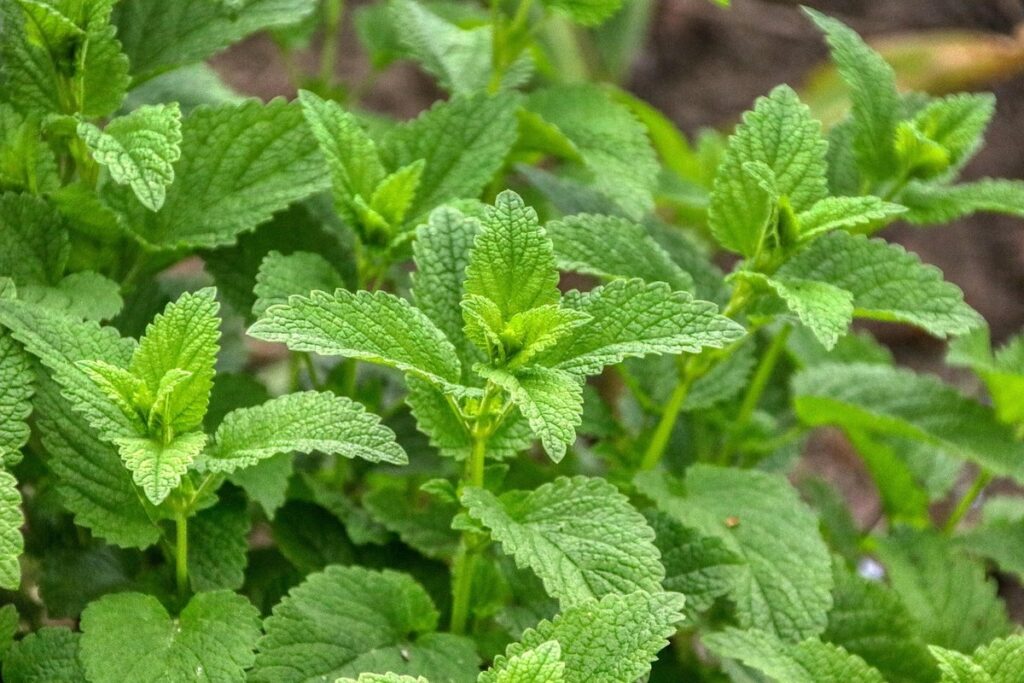
Growing and Caring for Lemon Balm
Now that you have a thriving lemon balm plant, it’s time to focus on how to grow and care for it properly, ensuring its maximum health and longevity. With these simple tips, you’ll be well on your way to becoming a lemon balm expert!
Choosing the Right Location
When it comes to growing and caring for lemon balm, choosing the right location is crucial. Lemon balm prefers well-draining soil and partial shade to full sun, depending on the climate you’re in. In warmer regions, provide some afternoon shade to prevent scorching of the leaves.
If you’re planning to grow lemon balm indoors, consider a bright spot with east- or west-facing windows. Avoid direct sunlight, which can cause the plant to become leggy and weak. When selecting a location outdoors, choose an area that receives at least four hours of direct sunlight per day.
In terms of soil, lemon balm thrives in slightly acidic to neutral conditions (pH 6.0-7.0). Avoid planting in areas with standing water or where water tends to collect. This can lead to root rot and other problems. Consider the temperature tolerance as well – lemon balm is hardy in USDA zones 4-9, so it’s essential to choose a location that suits your local climate.
By choosing a suitable location for your lemon balm plant, you’ll be setting yourself up for success and enjoying this fragrant herb all season long.
Watering and Fertilization Habits
When it comes to watering and fertilizing your lemon balm plant, there are some essential habits to adopt for optimal growth. First, let’s talk about watering. Lemon balm plants prefer well-draining soil to prevent root rot. To achieve this, make sure your pot has good drainage holes in the bottom. Water your lemon balm plant when the top 1-2 inches of soil feel dry to the touch. Avoid overwatering, which can lead to leaf drop and other problems.
As for fertilization, organic options are best for promoting healthy growth without burning your plant’s roots. You can use a balanced fertilizer (10-10-10 NPK) during the growing season (spring-fall). Dilute the fertilizer to half the recommended strength to avoid overfertilizing. Alternatively, you can try making your own fertilizer using compost tea or worm castings. These methods provide nutrients and beneficial microbes that will help your lemon balm plant thrive.
When fertilizing, remember to follow these general guidelines: feed your lemon balm plant every 2-3 weeks during the growing season, and skip fertilizing altogether during the dormant winter months.
Pruning and Training Techniques
To maintain the health and productivity of your lemon balm plant, regular pruning is essential. Prune the stems to about one-third of their height every spring, using sharp, clean tools to prevent spreading disease. This technique encourages bushy growth and promotes new leaf production. To maintain a neat shape, trim off any leggy or weak stems, as well as flowers that have finished blooming.
For climbing or trailing varieties, train them on a trellis or other support using twine or wire. You can also prune the plant back to about 6 inches from the base after flowering, which will encourage new growth and leaf production. Another method is to take cuttings of around 3-4 inches, removing lower leaves, and potting them up in a well-draining mix. This will create new plants that can be transplanted once they’ve developed a robust root system.
Pruning regularly also helps prevent lemon balm from becoming invasive by containing its spread.
Culinary Uses of Lemon Balm
Lemon balm adds a bright, citrusy flavor to various dishes, from soups and salads to meats and desserts. Let’s explore its many culinary applications in more detail.
Herbaceous Infusions and Teas
Making herbal teas and infusions using lemon balm leaves is a delightful way to harness its calming properties. To start, you’ll need fresh lemon balm leaves, which can be harvested from your garden or store-bought from a reputable supplier. Begin by rinsing the leaves in cold water to remove any dirt or debris.
For a soothing herbal tea, combine 1 tablespoon of dried lemon balm with 1 cup of boiling water. Steep for 5-7 minutes, then strain and enjoy hot or iced. You can also blend lemon balm with other herbs like chamomile and lavender for a relaxing bedtime drink.
For an infused lemonade, muddle 1/4 cup of fresh lemon balm leaves in a pitcher of lemon juice and water. Let it infuse in the refrigerator for at least 2 hours before serving over ice. This refreshing drink is perfect for hot summer days or as a pick-me-up any time of year.
Remember to store your dried lemon balm in an airtight container to preserve its flavor and aroma, ensuring you can enjoy these soothing drinks all season long.
Zesty Marinades and Sauces
When it comes to adding flavor to grilled meats, fish, or vegetables, lemon balm is an excellent choice for zesty marinades and sauces. This herb’s citrusy aroma pairs perfectly with the richness of meat and the sweetness of vegetables.
To make a simple lemon balm marinade, combine chopped lemon balm leaves with olive oil, minced garlic, salt, and pepper in a bowl. Let it sit at room temperature for at least 30 minutes to allow the flavors to meld together. You can use this marinade for chicken breasts, flank steak, or even grilled shrimp.
For a more intense flavor, try making a homemade lemon balm sauce. Mix sautéed garlic and onion with chopped lemon balm leaves, then stir in heavy cream and grated Parmesan cheese. This creamy sauce is perfect for serving alongside roasted vegetables or as a dipping sauce for breadsticks.
To make a light and refreshing dressing, combine lemon juice, olive oil, Dijon mustard, and chopped fresh herbs like parsley or basil with lemon balm. Use this vinaigrette on salads or as a topping for grilled meats or fish.
Preserving Lemon Balm for Future Use
To make the most of your lemon balm harvest, it’s essential to preserve some leaves for future use. There are several methods you can try, each with its own advantages and uses.
Drying is a popular method for preserving lemon balm. You can air-dry the leaves by tying them in small bunches and hanging them upside down in a warm, dry place. Alternatively, you can use a food dehydrator or your oven on the lowest temperature setting to speed up the process. Dried lemon balm is perfect for teas, potpourri, and craft projects.
For recipes that require fresh flavor, freezing is a great option. Simply chop the leaves and place them in an airtight container or freezer bag. Frozen lemon balm can be used as a garnish or added to soups, salads, and sauces towards the end of cooking time.
You can also make lemon balm sugar by infusing granulated sugar with the herb’s fragrance and flavor. This sweet treat is perfect for baking, coffee, or even using as a topping for yogurt or ice cream.
Medicinal Properties and Uses of Lemon Balm
Lemon balm has been used for centuries in traditional medicine, and its versatile properties make it a valuable addition to your herbal remedy collection. You’ll learn about its medicinal benefits and various uses here.
Traditional Remedies for Stress Relief
Lemon balm has been used for centuries as a natural stress reliever and calming agent. In traditional medicine, it’s often referred to as the “calming herb” due to its ability to soothe the nervous system. The ancient Greeks and Romans used lemon balm to calm anxiety and promote restful sleep. Today, we can still tap into these medicinal properties with a few simple recipes.
To make a calming lemon balm tea, steep 1 teaspoon of dried lemon balm leaves in 8 ounces of boiling water for 5-7 minutes. Strain the tea and enjoy before bed to promote relaxation. Alternatively, you can create an infused oil by mixing lemon balm leaves with a carrier oil like coconut or olive oil. This oil can be used topically on the skin or added to baths for a calming soak.
To make a lemon balm infusion, combine 1/4 cup of dried lemon balm leaves with 1 quart of boiling water. Let it steep for 10-15 minutes before straining and refrigerating. Drink this tea throughout the day to help manage stress and anxiety.
Skin and Wound Care
Lemon balm is renowned for its antiseptic properties, making it an excellent natural remedy for minor wounds and skin irritations. The essential oil extracted from lemon balm has been shown to possess potent antimicrobial activity, capable of combating a wide range of bacteria, viruses, and fungi. This property makes it an effective treatment for minor cuts, scrapes, and burns, helping to promote healing, reduce inflammation, and prevent infection.
For minor wounds, you can use lemon balm essential oil in combination with a carrier oil like coconut or olive oil to create a soothing topical application. Apply this mixture directly to the affected area to help accelerate the healing process. You can also add a few drops of lemon balm essential oil to your bath water for a relaxing soak that promotes skin health and reduces inflammation.
In addition to wound care, lemon balm’s antiseptic properties make it an effective remedy for insect bites and skin irritations like eczema and acne. The cooling effect of the essential oil can help reduce itching and discomfort associated with insect bites, while its antimicrobial activity helps prevent infection and promote healing in cases of skin irritation.
Lemon Balm Oil: Extraction and Uses
To unlock the full potential of lemon balm, we can extract its essential oil through various methods. One common approach is steam distillation, which involves subjecting the plant to high-temperature steam to release the oil’s volatile compounds. Another method is cold pressing, where the oil is extracted by crushing or pressing the leaves and flowers.
For a more DIY-friendly option, you can create a homemade lemon balm infusion by combining dried or fresh lemon balm with a carrier oil like coconut or jojoba oil in a clean glass jar. Store it in a cool, dark place for 2-3 weeks, shaking the jar occasionally, before straining and discarding the solids.
When using lemon balm essential oil or homemade infusion topically, always dilute the oil in a carrier oil to prevent skin irritation (usually 1-3% concentration is recommended). For aromatherapy purposes, add a few drops of lemon balm oil to your diffuser or inhale directly from a cloth soaked with the oil. Start with low concentrations and monitor your body’s response before increasing usage.
Some popular uses for lemon balm essential oil include reducing anxiety and stress, improving sleep quality, and soothing minor skin irritations like bug bites and sunburns.
Integrating Lemon Balm into Home and Garden Decor
Take your love for lemon balm beyond cooking by incorporating its charming fragrance and beauty into your home decor and garden spaces in creative ways. Consider using it as a natural air freshener, potpourri, or ornamental plant.
Fragrant Potpourri and Arrangements
Adding dried lemon balm leaves to potpourri blends is an excellent way to infuse a fresh and citrusy scent into your home decor. To create a unique blend, combine 1-2 tablespoons of dried lemon balm with other herbs like rose petals, lavender buds, and orange peel. This mix can be used in small muslin bags or placed in decorative bowls for a fragrant centerpiece.
For a more visually appealing arrangement, try incorporating dried lemon balm into wreaths or garlands. Simply tie the leaves to a wire or foam wreath frame using floral tape or twine, leaving space between each leaf for a natural look. You can also alternate the placement of lemon balm with other flowers or foliage for added texture and visual interest.
For an arrangement that releases fragrance continuously, consider making potpourri sachets using small pieces of cheesecloth or cotton bags. Fill these bags with your lemon balm potpourri blend and tie them shut, allowing you to hang them in closets or drawers for a subtle scent boost.
Scented Sachets and Pouches
When it comes to incorporating lemon balm into your home decor, one of the simplest yet most effective ways is by using scented sachets and pouches. These small bags can be filled with dried lemon balm leaves and placed in closets or drawers to release a subtle yet refreshing scent.
To make the most of this idea, start by drying out some fresh lemon balm leaves. You can do this by tying them in small bunches and hanging them upside down in a warm, dry place. Once they’re completely dry, you can fill small muslin bags or cloth pouches with the dried leaves.
Place these sachets in your closet or drawer to enjoy the soothing scent of lemon balm throughout the day. You can also use them in linen closets, on top of dressers, or even in your car to keep the air fresh. The key is to place them where you want a subtle boost of citrusy freshness.
For added fragrance, consider combining dried lemon balm with other herbs like lavender or chamomile in your sachets. Experiment with different combinations to find the scent that works best for you.
Lemon Balm as Companion Planting
Lemon balm can be a valuable addition to your garden not just for its culinary and medicinal uses, but also as a companion plant. Planting lemon balm alongside other herbs or flowers can have several benefits for your garden’s overall health. One of the most significant advantages is its natural pest-repellent properties. Lemon balm has been known to repel pests such as aphids, mosquitoes, and even some species of flies. By incorporating it into your companion planting strategy, you can reduce the need for pesticides and create a more balanced ecosystem.
In addition to pest control, lemon balm can also improve soil health by attracting beneficial insects like bees and butterflies. These pollinators are essential for the reproduction of many herbs and flowers, making lemon balm a great choice for permaculture gardens. To maximize these benefits, consider planting lemon balm alongside herbs like basil, mint, and rosemary, or flowers like marigolds and nasturtiums. This will create a diverse and thriving garden environment that requires minimal maintenance.
Preserving Lemon Balm for Winter: Tips and Tricks
If you’re as obsessed with lemon balm as we are, you’ll want to know how to preserve it for winter so you can enjoy its bright flavor year-round. We’ve got the tips and tricks you need to keep your favorite herb fresh.
Drying Methods for Long-Term Storage
When it comes to preserving lemon balm for winter, drying is an essential step to maintain its flavor and aroma. There are several methods to dry lemon balm leaves, each with its own advantages.
Air-drying is a simple method where you tie the stems of lemon balm in small bunches and hang them upside down in a warm, dry place with good air circulation. This method takes around 1-2 weeks, depending on the humidity level. However, it’s crucial to ensure that the area is dust-free to prevent contamination.
For faster results, you can use an oven or dehydrator. Preheat your oven to its lowest temperature setting (usually around 150°F) and place lemon balm leaves in a single layer on a baking sheet. Dehydrate for 1-2 hours or until completely dry. Alternatively, use a food dehydrator at 95°F for 6-8 hours.
Regardless of the method you choose, it’s essential to store dried lemon balm leaves properly. Place them in an airtight container, such as glass jars with tight-fitting lids, and keep them away from direct sunlight and moisture. This will help preserve their flavor and aroma throughout winter.
Freezing Lemon Balm Leaves for Future Use
Freezing lemon balm leaves is an excellent way to preserve their flavor and aroma for future use. To freeze them, start by washing the leaves thoroughly with cold water, then pat them dry with a paper towel to remove excess moisture. Next, lay the leaves flat on a baking sheet lined with parchment paper, making sure they don’t overlap.
Once frozen solid, transfer the leaves to an airtight container or freezer bag, where they can be stored for up to 6 months. When you’re ready to use them, simply pull out as many leaves as needed and add them to your recipe. Frozen lemon balm is perfect for soups like chicken noodle or creamy broths, salads, or sauces. You can also use it in herbal teas or infusions.
In fact, frozen lemon balm is a great way to preserve its delicate flavor, which would otherwise be lost when drying or dehydrating the leaves. By freezing them, you’ll have access to fresh-tasting lemon balm all winter long, without having to worry about its potency or aroma diminishing over time.
Making Lemon Balm Sugar: A Preserving Technique
Making sugar infused with lemon balm is a wonderful way to preserve its fragrance and flavor for winter. This process involves infusing granulated sugar with the essence of lemon balm leaves, creating a delicious and aromatic sweetener that’s perfect for baking and cooking.
To make lemon balm sugar, start by gathering a handful of fresh lemon balm leaves and washing them gently in cold water. Remove excess moisture by patting the leaves dry with paper towels. Next, combine 1 cup of granulated sugar with 10-12 fresh lemon balm leaves in an airtight container or jar. Store it in a cool, dark place for about 2 weeks, shaking the mixture every few days to ensure even infusion.
After two weeks, strain the sugar through a fine-mesh sieve into another container, discarding the solids. Your lemon balm sugar is now ready to use in your favorite recipes. Use it as a substitute for regular sugar in baked goods, desserts, or as a topping for yogurt or ice cream. You can also add it to herbal teas or infusions for an extra boost of flavor and aroma.
Common Pests and Diseases Afflicting Lemon Balm Plants
If you’re noticing issues with your lemon balm plant, it’s essential to identify potential pests and diseases early on to prevent damage from spreading. Let’s take a look at some common problems that can affect these lovely plants.
Identifying Potential Issues
Lemon balm plants are susceptible to various pests and diseases that can weaken their growth and even lead to their demise. To prevent this from happening, it’s essential to stay vigilant and monitor your plant regularly for signs of infestation or disease.
One common pest that can affect lemon balm is aphids, which feed on the sap of the plant, causing curled or distorted leaves. Whiteflies are another issue, as they suck the sap, leaving behind a sticky substance called honeydew. To detect these pests early, inspect your plant regularly for tiny moving dots (aphids) or a cottony white coating (whiteflies).
Early detection is key to effective management of pests and diseases. To control infestations, use neem oil, insecticidal soap, or horticultural oil to deter pests without harming the plant. For more severe cases, consider using systemic insecticides as a last resort.
As for root rot, it’s often caused by overwatering or poor drainage. To prevent this issue, ensure your lemon balm has well-draining soil and is not waterlogged. If you notice yellowing leaves or soft spots on the stems, investigate further to determine if root rot is present.
Organic Control Methods for Insect Pests
When it comes to managing insect pests on lemon balm plants, many gardeners reach for chemical pesticides. However, these can be detrimental to the environment and even harm beneficial insects that are crucial to a healthy ecosystem. Fortunately, there are several organic control methods that can help manage insect populations without harming your plant or the environment.
One effective method is using neem oil, a natural insecticide derived from the seeds of the neem tree. Neem oil disrupts insect growth and development, preventing them from reproducing and eventually killing them off. Mix 2-3% neem oil with water and spray it on your lemon balm plant to control aphids, whiteflies, and spider mites.
Another option is diatomaceous earth (DE), a powder made from the fossilized remains of tiny aquatic organisms. DE works by dehydrating insects, causing them to die off within 24-48 hours. Sprinkle a thin layer of DE around the base of your lemon balm plant, being careful not to inhale it yourself.
You can also introduce beneficial insects into your garden, such as ladybugs or lacewings, which prey on common insect pests like aphids and mealybugs. These natural predators are a great way to maintain a balanced ecosystem without resorting to chemical pesticides.
Preventing Disease in Lemon Balm Plants
To prevent disease in lemon balm plants, it’s essential to maintain a healthy environment that promotes growth and resilience. Start by ensuring your plant is growing in well-draining soil with a pH between 6.0 and 7.0. Avoid using alkaline or acidic fertilizers, as these can disrupt the soil’s natural balance.
Proper pruning techniques are also crucial for disease prevention. Regularly prune your lemon balm plant to encourage new growth, remove weak stems, and prevent overcrowding. Pinch off flower buds to direct energy towards leaf production and prevent seed formation.
Overwatering is a common mistake that can lead to fungal diseases like root rot. Check the soil moisture by sticking your finger into the soil up to the first knuckle. Water only when the top inch of soil feels dry. If you notice any signs of disease, consider using organic fungicides like neem oil or garlic spray.
For example, a study on container-grown herbs found that applying neem oil reduced fungal diseases by 80%. By implementing these best practices, you can create an environment that promotes healthy growth and minimizes the risk of disease.
Frequently Asked Questions
How Do I Know When to Harvest Lemon Balm Leaves?
When can you harvest lemon balm leaves? You can start harvesting leaves when the plant is around 6-8 inches tall, and it’s best to pick them in the morning after the dew has evaporated. Simply pinch or cut off individual leaves or stems with scissors.
Can I Use Lemon Balm as a Companion Plant for Other Herbs?
Yes! Lemon balm makes an excellent companion plant for herbs like mint, basil, and chamomile. Its fragrance can help repel pests that target these plants, promoting healthy growth and reducing the need for pesticides.
How Do I Dry Lemon Balm Leaves to Preserve Them Long-Term?
To dry lemon balm leaves, tie them in small bunches and hang upside down in a warm, dark place with good air circulation. You can also use a dehydrator or oven on the lowest temperature setting (150°F – 200°F). Store dried leaves in airtight containers to preserve for future use.
Can I Make Lemon Balm Sugar as a Gift or for Personal Use?
Yes! Making lemon balm sugar is a great way to preserve and utilize your harvest. Simply combine fresh or dried lemon balm leaves with granulated sugar in a 1:1 ratio, let it sit for 2-3 days, then strain the mixture through a fine-mesh sieve.
How Do I Prevent Pest Issues When Growing Lemon Balm Indoors?
To prevent pest issues when growing lemon balm indoors, make sure to inspect your plants regularly and address any potential problems promptly. Use neem oil or insecticidal soap as organic control methods for common pests like aphids and whiteflies, following the product’s instructions carefully.