
If you’re like many gardeners, you want to get the most out of your harvest while minimizing the need for pesticides and other chemicals. Companion planting is an excellent way to achieve this goal, but it’s not just about pairing plants that complement each other – it’s also about avoiding those that can hinder growth or even harm your cucumbers. In fact, some plants can spread diseases, attract pests, or compete with cucumbers for vital resources like water and nutrients.
In this article, we’ll explore what not to plant alongside cucumbers, from weeds to vegetables and herbs. By learning which plants are best avoided, you can create a harmonious garden ecosystem that boosts growth, prevents pests, and improves yields. We’ll also cover the basics of companion planting and provide tips for incorporating these techniques into your gardening routine. Whether you’re a seasoned gardener or just starting out, this guide will help you cultivate a thriving cucumber patch.
The Importance of Companion Planting
When it comes to companion planting, there are certain plants that cucumbers just don’t get along with, and learning what these are can make a big difference in your garden’s success. Let’s take a look at some of the most problematic pairings for cucumbers.
Understanding the Benefits of Companion Planting
Companion planting is a game-changer for gardeners, and when done correctly, it can make all the difference in promoting healthy growth and preventing pests and diseases in plants. When it comes to cucumbers, choosing the right companion plants is crucial.
To reap the benefits of companion planting with cucumbers, you need to understand that not all plants are compatible with them. For instance, members of the Brassica family, such as broccoli and kale, can inhibit the growth of cucumbers due to their strong scent. Similarly, fennel and dill release chemicals that can stunt cucumber development.
On the other hand, certain plants like mint, basil, and nasturtiums are excellent companion plants for cucumbers. These plants repel pests that target cucumbers, such as aphids and whiteflies, while also improving soil health. For example, nasturtiums release a chemical that repels cucumber beetles, which can spread bacterial wilt to cucumbers.
When selecting companion plants for your cucumbers, consider their growth habits, space requirements, and pest-repellent properties. By doing so, you’ll be able to create a harmonious garden ecosystem that promotes the health and productivity of your cucumbers.
Common Companion Plants for Cucumbers
When it comes to companion planting with cucumbers, there are several popular plants that not only benefit from being planted alongside these versatile vegetables but also create a harmonious and thriving garden ecosystem. One of the most well-known beneficial companions for cucumbers is dill. This fragrant herb not only repels aphids and other pests that target cucumbers but also adds a unique flavor to various dishes when used as a garnish or in pickling.
Another excellent companion plant for cucumbers is mint. While it’s known for its invasiveness, mint can be kept under control by planting it in containers near the cucumber patch. Its strong scent helps repel pests like spider mites and aphids, promoting healthy growth and development of your cucumbers.
Nasturtiums are also a popular choice for companion planting with cucumbers. These colorful flowers attract beneficial insects that prey on common cucumber pests, such as whiteflies and aphids. Plus, nasturtiums’ sprawling growth habit helps shade the soil, reducing moisture loss and preventing weeds from competing with your cucumbers for resources.
When combining these plants in your garden, remember to plant dill near the base of the cucumber trellis or cage to maximize its pest-repelling properties. Place mint in a nearby container, keeping it away from direct sunlight to prevent spreading its roots too far. And intersperse nasturtiums throughout the cucumber patch for an added layer of protection and beauty.
Plants to Avoid Planting with Cucumbers
When planting cucumbers, it’s essential to choose companion plants wisely, as some can actually harm your crop. In this next section, we’ll explore the plants that are best avoided when growing cucumbers.
Members of the Brassica Family
When it comes to companion planting with cucumbers, there are certain members of the Brassica family that you’ll want to avoid. Broccoli, cauliflower, and kale are all part of this group, and while they’re nutritious additions to any garden, they can cause problems when planted alongside cucumbers.
The strong scents emitted by these plants can interfere with cucumber growth, potentially leading to reduced yields or even disease. For example, broccoli’s pungent smell can attract aphids, whiteflies, and other pests that target cucumbers. Meanwhile, cauliflower and kale can harbor fungal diseases like powdery mildew, which can easily spread to neighboring cucumbers.
To avoid these issues, consider separating your cucumber patch from any Brassica family members by at least 3-4 feet. This will help minimize cross-pollination and reduce the risk of pest and disease transmission. If you do need to plant these vegetables together, try incorporating some beneficial companion plants that can help deter pests or improve growth conditions for cucumbers. By being mindful of the Brassica family members in your garden, you can create a more harmonious and productive growing space.
Other Plants that Compete with Cucumbers for Resources
While cucumbers are relatively low-maintenance plants, they still require sufficient water and nutrients to thrive. Unfortunately, some plants can outcompete them for these resources, leading to weakened growth and reduced yields. Tomatoes, peppers, and eggplants are common examples of such plants.
These “solitary” fruits, as they’re often referred to, tend to dominate the soil with their extensive root systems. As a result, cucumbers may struggle to access the water and nutrients they need. For instance, tomato plants can absorb up to 20% more water than cucumbers in a single day, leaving the latter high and dry.
If you’re growing these plants together, it’s essential to take some precautions. Make sure your cucumber bed is well-draining and receives plenty of sunlight, as this will help them compete more effectively for resources. You can also try growing your tomatoes, peppers, and eggplants in containers or raised beds, which can provide a buffer between the soil and their extensive root systems. This can give your cucumbers a better chance to thrive alongside these plants.
Legumes: A Mixed Bag
Legumes may seem like a great match for cucumbers, but some types can actually hinder their growth and productivity. Let’s explore which legumes to avoid planting alongside your cucumber patch.
Good Companions: Beans and Peas
When it comes to companion planting with cucumbers, not all legumes are created equal. While some can be beneficial, others can cause issues. However, there’s a subgroup of legumes that can actually provide benefits to cucumber plants: beans and peas.
These versatile legumes have the unique ability to fix nitrogen in the soil through symbiotic relationships with Rhizobia bacteria. This process enriches the surrounding area, making it more hospitable for other plants. By incorporating beans and peas into your garden, you’re creating a thriving ecosystem where cucumbers can thrive too.
In fact, bush beans are an excellent companion plant for cucumbers as they can grow quite closely together without competing for resources. Their nitrogen-fixing abilities will even enhance the overall health of your cucumber plants. Similarly, sugar snap peas and snow peas make great additions to a cucumber garden, providing shade from intense sunlight while their nitrogen-rich foliage benefits nearby plants.
Remember to plant these legumes in a way that allows them to spread out or climb up trellises, which can also provide additional support for cucumbers as they grow. This simple yet powerful technique will create a harmonious and productive garden where cucumbers and other vegetables can flourish together.
Bad Companions: Soybeans and Lupines
When it comes to companion planting with cucumbers, not all legumes are created equal. While some legumes like beans and peas make great neighbors for cucumbers, others can actually cause more harm than good. Soybeans and lupines are two examples of legumes that should be avoided when planting alongside cucumbers.
Soybeans, in particular, have a tendency to grow quite large and sprawling, which can shade out cucumber plants and reduce their productivity. Additionally, soybeans attract aphids and other pests that can spread diseases to cucumbers. For example, if you plant soybeans near your cucumber patch, you may start to notice aphid infestations on the soybean leaves, which can then jump over to the cucumbers.
Lupines are another legume to avoid planting with cucumbers. These plants have a deep taproot that can compete with cucumbers for water and nutrients in the soil. This can lead to stunted growth or reduced yields in cucumber plants.
To avoid these issues, it’s best to plant soybeans and lupines in separate areas of your garden. If you do need to grow these legumes, consider planting them on the opposite side of your garden from your cucumbers.
Solanaceae Family: Avoid These Plants
When working with cucumbers, it’s essential to steer clear of plants that can hinder their growth and flavor, and some families are more trouble than others. The Solanaceae family is one such group.
Members of the Nightshade Family
When planting cucumbers, it’s essential to avoid members of the Solanaceae family, also known as the nightshade family. This group includes plants like potatoes, tomatoes, and eggplants, which are often popular choices for home gardens. However, these plants share similar disease susceptibility with cucumbers, making them a poor match.
Potatoes, in particular, are notorious for spreading diseases like late blight, which can easily transfer to cucumbers. Similarly, tomato plants are prone to fungal diseases that can harm cucumber crops. Eggplants also have a tendency to develop pests and diseases that can spread to nearby cucumber plants.
To avoid these problems, it’s best to keep nightshade family members at least 3-4 feet away from your cucumber patch. This distance will help reduce the risk of disease transmission through soil-borne pathogens. Additionally, make sure to rotate your crops regularly to break the disease cycle and maintain a healthy garden ecosystem. By avoiding these problematic plants, you’ll be well on your way to growing thriving, disease-free cucumbers.
Why They Should Be Kept Separate
When it comes to companion planting with cucumbers, there are some Solanaceae family plants that should be avoided at all costs. These plants, which include tomatoes, peppers, and eggplants, may seem like natural companions for cucumbers due to their similarities in growth habits and requirements. However, they have one major drawback: they’re part of the same plant family as nightshades, which can harbor pests and diseases that can spread quickly.
If you plant these Solanaceae family members alongside your cucumbers, you may inadvertently create an environment where fungal diseases like powdery mildew or bacterial spot disease can thrive. These diseases can decimate a cucumber crop in no time, making it essential to keep them separate. Additionally, some pests that target nightshades, such as aphids and whiteflies, can also infest cucumbers if they’re grown too close together.
To avoid these problems, make sure to plant your Solanaceae family members, like tomatoes and peppers, in a different section of your garden or even in a separate container. This will not only help prevent the spread of diseases but also give you more control over pest management.
Other Plants to Avoid Planting with Cucumbers
When it comes to companion planting with cucumbers, some plants can actually hinder their growth and productivity. Here are a few common offenders you should steer clear of in your garden.
Fennel and Dill: A Toxic Combination
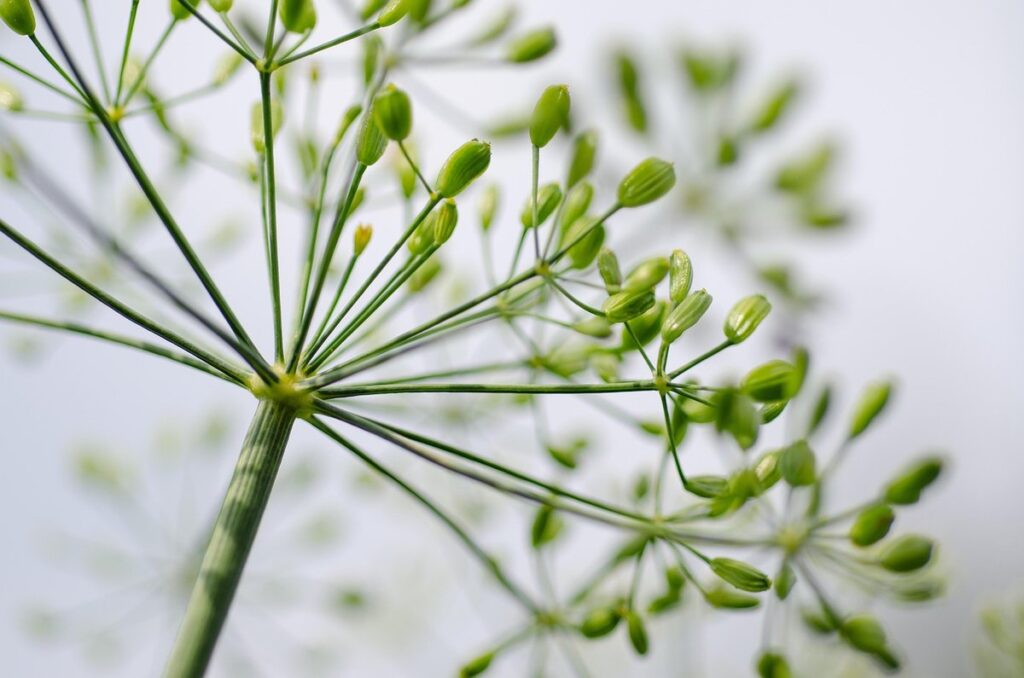
When it comes to companion planting with cucumbers, there are some plants that you should avoid planting alongside them altogether. One such combination is fennel and dill. These two herbs may seem like a natural pairing, but they can actually release toxic compounds that harm cucumber growth.
This phenomenon is known as allelopathy, where one plant releases chemicals that affect the growth of nearby plants. In the case of fennel and dill, their chemical secretions can inhibit the growth of cucumbers, causing them to become stunted or weak. If you’re planning to grow cucumbers in your garden, it’s best to keep these two herbs at bay.
To avoid this toxic combination, consider planting dill and fennel separately from your cucumber patch. You can also use row covers or other physical barriers to separate the plants and prevent their chemical secretions from affecting each other. By doing so, you’ll be able to enjoy a healthy and thriving cucumber harvest.
Garlic and Onions: Too Strong for Cucumbers
When planting cucumbers, it’s essential to be mindful of which vegetables you pair them with. Plants like garlic and onions have strong scents that can repel beneficial insects or attract pests to your cucumbers. For instance, garlic is known to repel aphids, but its strong smell can also deter other helpful insects like ladybugs.
Onions are another example of a plant whose scent can be detrimental to cucumbers. They release chemicals into the soil that can alter its pH levels and affect the growth of your cucumbers. This can lead to reduced yields and stunted growth.
To avoid this issue, consider growing garlic or onions in separate beds or containers away from your cucumber plants. You can also use companion planting techniques like intercropping, where you plant different crops together to optimize space and reduce competition.
If you do choose to grow these pungent plants near your cucumbers, make sure to provide them with enough space (at least 12-18 inches) to prevent the strong scents from overwhelming your cucumber crop. By being mindful of which plants you pair with your cucumbers, you can create a balanced and thriving garden ecosystem.
Conclusion
Now that you’ve learned what not to plant alongside cucumbers, let’s summarize the key takeaways from our companion planting guide.
Recap of Plants to Avoid
When planting cucumbers, it’s essential to be mindful of which plants you pair them with. To recap, we’ve discussed several plants that should be avoided when growing cucumbers alongside other vegetables.
Some of the key takeaways from this guide include avoiding members of the Brassica family, such as broccoli and kale, as their strong scents can repel beneficial insects that cucumbers rely on for pollination. Other plants to steer clear of are fennel and dill, which can stunt cucumber growth and lead to reduced yields.
We’ve also touched on the importance of avoiding tall-growing plants like sunflowers and okra, as they can cast shade over your cucumber plants and limit their exposure to sunlight. Furthermore, plants in the mint family, such as peppermint and spearmint, should be kept away from cucumbers, as their invasive growth habits can outcompete your cucumber plants for water and nutrients.
By avoiding these plants when planting with cucumbers, you’ll be able to create a harmonious and productive garden bed that allows your cucumbers to thrive.
Tips for Successful Companion Planting
Companion planting is a powerful tool for maximizing garden productivity and minimizing pests. Now that you know what not to plant with cucumbers, it’s time to explore the opposite end of the spectrum: successful companion planting. To make the most of this technique, here are some key takeaways.
Firstly, choose plants that complement each other in terms of growth habits and requirements. For example, planting marigolds alongside your cucumber vines will help deter nematodes while also attracting beneficial insects like bees and butterflies. Another winning combination is basil and mint, which repel pests and add flavor to your cucumbers.
When selecting companion plants, consider their mature size and spread. Planting compact varieties near sprawling vines can lead to overcrowding and competition for resources. Research the specific needs of each plant to ensure they receive adequate light, water, and nutrients. By being intentional with your companion planting, you’ll create a thriving ecosystem that promotes healthy growth and reduces waste.
Experiment with different combinations in small batches before scaling up, so you can fine-tune your approach and avoid costly mistakes.
Frequently Asked Questions
Can I plant cucumbers with other vegetables to create a diverse garden ecosystem?
While companion planting is all about pairing plants that complement each other, it’s also essential to remember that diversity doesn’t always mean planting everything together. Be mindful of the mature size and growth habits of your cucumber plants to ensure they have enough space to thrive. Consider using vertical gardening techniques or trellises to maximize space.
How do I prevent disease spread between companion-planted cucumbers and other vegetables?
Disease can quickly spread through a garden when plants are too close together. To minimize this risk, keep your cucumber patch separate from other vegetables by at least 3-4 feet (90-120 cm). Also, consider using physical barriers or practicing crop rotation to prevent diseases from building up in the soil.
What if I accidentally planted cucumbers with a problematic companion? Can I still save them?
If you’ve inadvertently paired your cucumbers with a plant that’s detrimental to their growth, don’t worry – it’s not always too late to correct the issue. Remove any affected plants or take steps to prevent further competition for resources (water, nutrients, etc.). You can also consider repotting your cucumber plants to a new location.
Can I use companion planting techniques with container gardens?
Companion planting isn’t exclusive to in-ground gardening – it works just as well in containers! When working with containers, be mindful of the root depth and space constraints. Choose compact or dwarf varieties of problematic companions to minimize competition for resources. Also, ensure good air circulation around your plants to prevent disease.
How do I know if a plant is competing with my cucumbers for water or nutrients?
Monitor your cucumber plants’ growth rates and observe their leaves for signs of nutrient deficiencies (yellowing, droopy leaves). Regularly check the soil moisture levels by sticking your finger into the soil up to the knuckle. If it feels dry, adjust your watering schedule accordingly. Keep in mind that companion-planted vegetables may have different water requirements than cucumbers.