
When it comes to growing delicious and healthy tomatoes, many gardeners overlook one crucial aspect: the right soil. Tomatoes are notoriously finicky about their environment, and the kind of soil they’re grown in can make all the difference between a bountiful harvest and a disappointing crop. But what exactly do tomatoes like in their soil? Is it acidic or alkaline? Do they require rich nutrients or plenty of organic matter? In this article, we’ll dive into the specifics of what makes an ideal tomato-growing environment, including the perfect pH levels, essential nutrients, and the role of organic matter. With expert tips and insider knowledge, you’ll be well on your way to creating a soil that will make your tomatoes thrive.
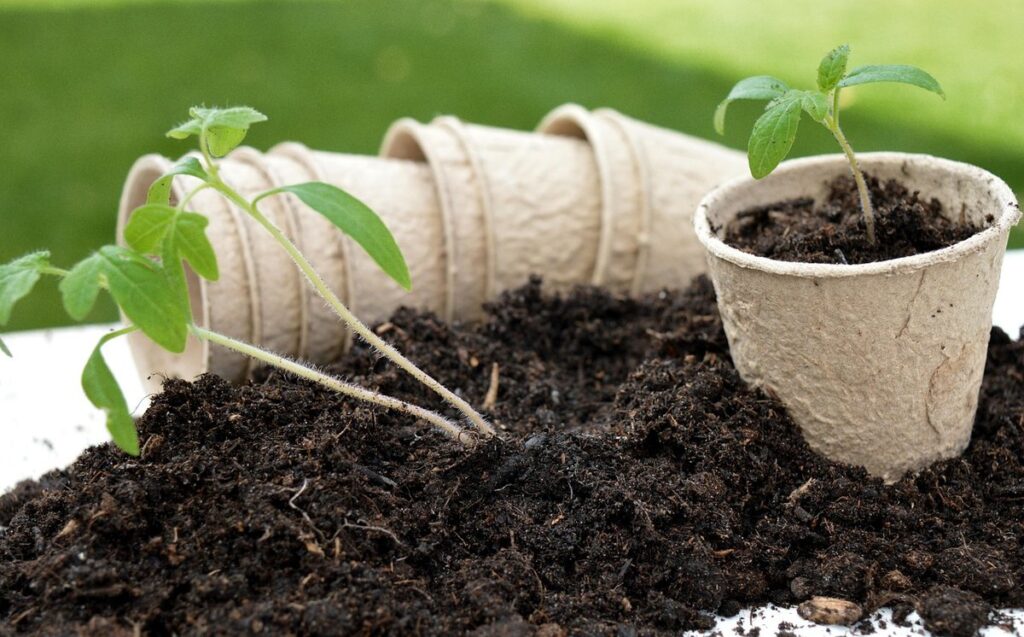
Understanding Tomato Soil Requirements
To grow delicious tomatoes, it’s essential to understand their specific soil needs and how you can create an ideal environment for your plants. Let’s dive into the key requirements that will give your tomatoes a healthy start.
pH Level and Tomato Plants
When it comes to growing tomato plants, soil pH is a crucial factor that can make all the difference. Tomato plants thrive in a slightly acidic to neutral soil pH, ranging from 6.0 to 7.0. This means that if you’re looking to grow tomatoes in your backyard or even just on your windowsill, it’s essential to understand how different pH levels affect their growth.
If the soil pH is too high (above 7.0), tomato plants may become nutrient-deficient and experience stunted growth. On the other hand, if the pH is too low (below 6.0), tomato plants may be more susceptible to diseases like blossom end rot. To determine your soil’s pH level, you can use a DIY kit or send a sample to a lab for testing.
To adjust your soil pH levels, you can add lime to raise it or sulfur to lower it. For example, if your test results show a pH of 5.5, you may need to add some dolomitic limestone (calcium magnesium carbonate) to increase the pH and provide essential nutrients like calcium and magnesium.
A good rule of thumb is to maintain a balanced fertilizer routine that includes nitrogen, phosphorus, and potassium. This will ensure your tomato plants receive the necessary nutrients for optimal growth, regardless of their environment.
Nutrient-Rich Soil Composition
When it comes to growing tomatoes, having nutrient-rich soil is crucial for their health and productivity. The ideal soil composition should have adequate levels of nitrogen (N), phosphorus (P), and potassium (K), often referred to as NPK.
Nitrogen is essential for leaf growth and development, while phosphorus promotes root growth and fruit production. Potassium helps regulate water balance and supports overall plant health. A well-balanced fertilizer plan should aim to provide a ratio of 10-10-10 (N-P-K) or a mix that suits your soil type.
To create an effective fertilizer plan, consider the following steps: start with a soil test to determine your soil’s NPK levels; choose a balanced fertilizer based on your test results; and apply it according to the product instructions. For example, if you’re using a 5-10-5 fertilizer, apply it once a month during the growing season.
Aiming for an ideal NPK ratio can be challenging, especially with varying soil types. To simplify this process, consider using a fertilizer blend specifically designed for tomato growth. These blends typically provide a balanced mix of N-P-K and micronutrients essential for tomato development.
Types of Soil Suitable for Tomatoes
When it comes to growing delicious tomatoes, choosing the right soil is crucial. We’ll explore some of the most suitable types of soil that will give your tomato plants a head start on producing juicy fruits.
Clay Soil: Challenges and Solutions
Clay soil can be a challenge for tomato growers due to its tendency to retain moisture, leading to waterlogged conditions that roots hate. While it’s true that clay soil can hold onto moisture for longer periods, the problem lies in its poor aeration and drainage. When the water table is consistently high, oxygen levels drop, causing root rot and other issues.
To improve the structure and fertility of clay soil, start by incorporating organic matter like compost or well-rotted manure. This will help to break down clay particles, increasing pore space and allowing for better aeration and drainage. You can also mix in some perlite or vermiculite to further improve soil porosity.
Another key strategy is to add calcium-based fertilizers to counteract the tendency of clay soil to bind nutrients. Regular mulching with organic materials like straw or wood chips will also help to keep moisture levels stable, while reducing erosion and retaining nutrients. By implementing these strategies, you can create a more hospitable environment for your tomato plants in clay soil.
Sandy Soil: Managing Water and Nutrient Availability
Tomato plants grown in sandy soil need special care to thrive. One of the main concerns is managing water loss due to its high sand content. Sandy soil’s porosity allows water to pass through quickly, making it essential to keep the soil consistently moist but not waterlogged.
To ensure your tomato plants receive adequate moisture, water them more frequently than you would with other types of soil. Aim for about 1-2 inches of water per week, either from rain or irrigation. You can also add a mulch layer around the plants to retain moisture and suppress weeds. Mulching with organic materials like wood chips or straw will help regulate soil temperature and reduce evaporation.
Another challenge associated with sandy soil is nutrient availability. Tomatoes are heavy feeders, requiring a balanced diet of essential nutrients. Since water-soluble fertilizers leach rapidly through the sand, it’s best to use slow-release fertilizers that provide nutrients over an extended period. This will prevent frequent applications and minimize waste. Be sure to follow the recommended application rates for optimal results.
By implementing these strategies, you can create a suitable growing environment for your tomato plants in sandy soil. With proper care, they’ll be healthy, productive, and delicious!
Organic Matter and Soil Structure
When it comes to growing delicious tomatoes, having the right soil structure is essential. In this next part, we’ll explore how organic matter impacts your tomato plants’ home.
Adding Compost and Manure
When it comes to creating an ideal soil blend for tomatoes, incorporating organic matter is crucial. Compost and manure are two of the most effective ways to improve soil structure, fertility, and overall health.
Compost is a nutrient-rich mixture made from decomposed plant material, including food waste, leaves, and grass clippings. It’s teeming with beneficial microbes that help break down complex organic matter, making essential nutrients available to tomato plants. Adding compost to your soil blend can improve its water-holding capacity, increase drainage, and reduce erosion.
Manure, on the other hand, is a natural source of phosphorus, potassium, and nitrogen – three essential macronutrients for healthy plant growth. Rabbit manure, for instance, has a relatively low carbon-to-nitrogen ratio, making it an excellent choice for tomato soil blends. However, be sure to age the manure for at least six months to minimize odors and ensure microbial stability.
To incorporate these organic matter into your soil blend, aim to mix in 2-3 inches of compost or well-aged manure. You can also use a combination of both to create an even more nutrient-rich blend.
Mulching: Retaining Moisture and Suppressing Weeds
Mulch plays a crucial role in creating an ideal environment for tomatoes to thrive. It’s essential to understand that mulching not only helps retain moisture but also suppresses weeds and regulates soil temperature.
When it comes to choosing the right mulch, options are abundant. Organic materials like straw, bark chips, or pine needles work well. However, you can also use inorganic mulches such as plastic sheeting or landscape fabric. Keep in mind that while these alternatives offer weed suppression, they don’t provide any nutritional benefits for your soil.
A study conducted by the University of California found that mulching with straw increased soil moisture retention by up to 40%. This is a significant factor in tomato growth, as consistent moisture levels promote healthy root development and prevent water stress. To apply mulch effectively, spread it evenly around the base of your plants, keeping it a few inches away from the stem.
Some gardeners prefer to use composted wood chips or leaves for their rich nutrient content. These options will break down over time, adding organic matter to the soil and improving its structure.
Soil Preparation and Conditioning Techniques
To grow delicious tomatoes, you need a well-prepared soil that’s rich in nutrients and has good drainage, which is exactly what we’ll cover next. Let’s dive into some essential techniques to create an ideal environment for your tomato plants!
Raised Beds and Container Gardening
When it comes to growing tomatoes, using raised beds or container gardening can be an excellent way to provide them with the ideal soil conditions. These methods can offer better drainage and aeration for tomato plants, which is essential for healthy growth.
One of the primary benefits of raised beds is that they allow you to control the drainage and waterlogging in your garden. Tomato roots don’t like standing water, as it can lead to root rot and other diseases. By creating a raised bed with good drainage, you can ensure that excess water is directed away from the roots. For example, you can add a layer of organic matter such as compost or perlite at the bottom of the bed to improve drainage.
In container gardening, you have even more control over the soil conditions. You can choose the perfect mix for your tomatoes and make sure it has the right balance of nutrients and water-holding capacity. By using containers with good drainage holes, you can prevent waterlogged soil and ensure that your tomato plants receive the oxygen they need to thrive.
When using either raised beds or container gardening, be mindful of the size of your containers or beds. Tomato plants have a deep taproot, so make sure they have enough space to grow. A general rule is to use a minimum of 12-18 inches deep for raised beds and large containers. This will give your tomato roots room to spread out and access the nutrients they need.
By using raised beds or container gardening, you can create an ideal environment for your tomatoes to thrive in. With proper planning and care, you’ll be on your way to growing delicious and healthy tomatoes that will impress even the most seasoned gardeners!
Cover Cropping and Crop Rotation
When it comes to growing tomatoes, creating a healthy and thriving soil ecosystem is crucial for their success. Two effective techniques that can help achieve this are cover cropping and crop rotation.
Cover cropping involves planting crops between crop cycles to protect the soil from erosion and add organic matter. In a tomato-growing context, consider planting cover crops like winter rye or hairy vetch after harvesting your tomatoes in the fall. These crops will break down into nutrient-rich compost, enriching the soil for future plantings. For example, winter rye can help retain moisture and suppress weeds, while hairy vetch fixes nitrogen, reducing the need for synthetic fertilizers.
Crop rotation is another essential practice that helps maintain soil health by breaking disease cycles and pest infestations. Simply put, if you’re growing tomatoes in a particular spot one year, try planting something else like lettuce or broccoli there the following season. This will disrupt pests’ life cycles and reduce the risk of diseases spreading from previous crops. To take it a step further, consider implementing a 4-year crop rotation plan to optimize soil fertility and minimize pests and diseases.
Soil Testing and Analysis
To determine the perfect soil for your tomatoes, it’s essential to understand what they’re lacking. In this next step, we’ll dive into the world of soil testing and analysis.
Choosing the Right Test Kit
When it comes to growing tomatoes, having the right soil conditions is essential for optimal growth and production. But before you can tailor your soil to meet their needs, you need to understand what’s going on beneath the surface. Proper soil testing is crucial for determining nutrient levels and pH, which can greatly impact your tomato crop.
To choose a suitable test kit, consider what type of analysis you need. If you’re looking for a basic assessment of your soil’s pH and nutrient levels, a DIY test kit might be sufficient. These kits usually include color-coded strips or tablets that change color in response to the presence of certain nutrients. For more comprehensive results, opt for a professional-grade kit that can provide detailed analyses of your soil’s composition.
When interpreting your results, remember that the ideal pH range for tomatoes is between 6.0 and 7.0. If your test reveals nutrient deficiencies or an off-balance pH, you’ll need to adjust accordingly. Consider consulting with a local nursery or gardening expert to guide you in making any necessary amendments.
Interpreting Test Results and Creating a Fertilizer Plan
Now that you have your soil test results, it’s time to create a fertilizer plan tailored to your specific soil conditions. This is where things get really interesting, as the right nutrients can make all the difference in tomato yields.
First, review your test data and identify areas of nutrient deficiency or excess. For example, if your test reveals low levels of nitrogen (N), phosphorus (P), and potassium (K) – also known as NPK – you’ll want to focus on adding these essential macronutrients to the soil. Conversely, if your test shows high levels of certain nutrients, you may need to reduce or eliminate those inputs altogether.
To create an effective fertilizer plan, consider the following steps:
* Set specific nutrient targets based on your test results and desired crop yields
* Choose a balanced fertilizer that meets these targets (e.g., 10-10-10 NPK)
* Consider soil pH and adjust fertilizers accordingly – tomatoes prefer a slightly acidic to neutral soil pH between 6.0 and 7.0
* Apply fertilizers at the recommended rate, taking care not to over-fertilize or under-fertilize
By following these steps, you’ll be able to create a fertilizer plan that meets the unique needs of your tomato crop, ensuring optimal growth and yields.
Frequently Asked Questions
How to Test My Soil pH Level for Tomato Plants?
If you’re unsure about your soil’s pH level, it’s essential to test it before planting tomatoes. You can use a DIY soil testing kit or send a sample to a laboratory for analysis. Keep in mind that soil pH can vary across different areas of your garden, so take multiple samples and average the results.
Can I Grow Tomatoes in Containers with Regular Potting Soil?
While regular potting soil can work for container gardening, it’s not ideal for growing tomatoes. For optimal growth, use a well-draining potting mix specifically designed for containers. This will help prevent waterlogged soil and ensure your tomato plants receive the right balance of nutrients.
How Do I Balance pH Levels in My Tomato Soil?
To adjust the pH level in your tomato soil, add either lime (to raise pH) or sulfur (to lower pH). Start with small amounts and monitor the results. It’s also crucial to understand that adjusting pH levels can be a gradual process, so be patient and make adjustments as needed.
Can I Use Manure from Other Animals for My Tomato Plants?
While manure from other animals like chickens or cows can add nutrients to your soil, it may not be suitable for tomatoes. For example, rabbit manure is high in nitrogen and phosphorus but low in potassium, making it ideal for tomato plants. Research the specific nutrient content of different types of animal manure before applying them to your garden.
What’s the Best Time to Add Compost and Mulch to My Tomato Soil?
The best time to add compost and mulch is after harvesting your tomatoes or at the end of the growing season. This allows you to replenish nutrients and improve soil structure for future seasons. Apply a 2-3 inch layer of organic matter, mixing it into the top 6 inches of soil.