
When it comes to gardening and landscaping, one crucial element often gets overlooked: mulch. You might be wondering what exactly mulch is and how it can benefit your outdoor space. In this post, we’ll delve into the world of mulch, exploring its benefits, types, and uses. From organic wood chips to inorganic gravel, we’ll cover everything you need to know about mulching effectively. Mulch isn’t just a pretty face; it serves several purposes that can elevate your gardening game. It helps retain moisture, suppress weeds, and regulate soil temperature. By the end of this article, you’ll be equipped with the knowledge to choose the right type of mulch for your project and use it to its full potential.
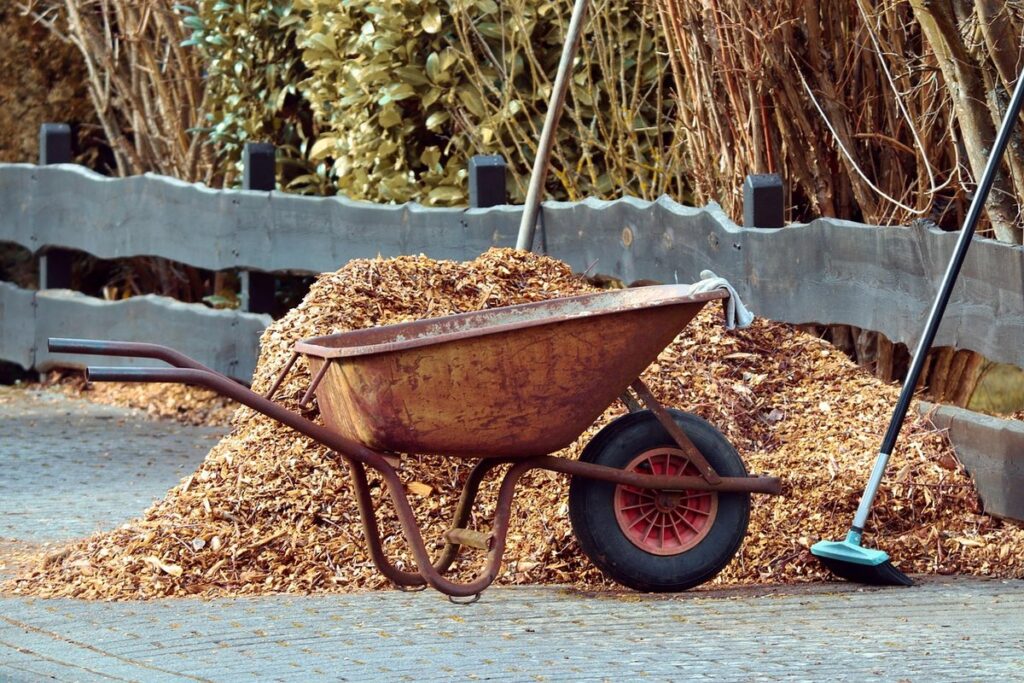
Definition and Purpose of Mulch
Mulch is a vital element in gardening that serves multiple purposes, from suppressing weeds to retaining moisture in the soil. Let’s dive into its definition and purpose.
What Mulch Is and Why It’s Used
Mulching is an essential gardening technique that involves covering the soil surface with a layer of organic or inorganic material. This simple yet effective practice has numerous benefits for your garden’s health and productivity. At its core, mulch serves three primary functions: retaining moisture, suppressing weeds, and regulating soil temperature.
By keeping the soil consistently moist, mulch reduces the need for frequent watering, which can be a challenge, especially during hot summer months. Organic mulches like wood chips or bark, for instance, can retain up to 50% of their weight in water, making them excellent moisture-retention agents. Additionally, mulch suppresses weed growth by blocking light and preventing seeds from germinating.
The regulation of soil temperature is another crucial function of mulching. In cooler climates, mulch helps insulate the soil during winter, keeping it warm enough for plants to thrive. Conversely, in warmer regions, mulch protects the soil from scorching temperatures, reducing heat stress on roots and promoting healthier plant growth.
Types of Mulch: Organic vs Inorganic
When it comes to choosing the right mulch for your garden, you’re likely to come across two main categories: organic and inorganic. Understanding the difference between these types will help you make an informed decision that suits your needs.
Organic mulches are made from natural materials that break down over time, improving soil health and fertility. Wood chips, bark, leaves, and straw are popular options for gardeners. For example, wood chip mulch is a cost-effective choice that can be easily sourced from local tree services or even pruned branches from your own yard. As it decomposes, it adds nutrients to the soil, suppressing weeds and retaining moisture.
In contrast, inorganic mulches are synthetic materials designed to last longer than their organic counterparts. Gravel, stone, and plastic sheeting are common examples of inorganic mulch options. While they may require less maintenance, these materials can also contribute to soil degradation over time and may not provide the same environmental benefits as organic alternatives. Ultimately, the type of mulch you choose will depend on your specific garden needs, budget, and personal preferences.
Benefits of Using Mulch in Gardening
Mulch is a versatile and essential tool for any gardener, offering numerous benefits that can greatly enhance your garden’s health and appearance. In this section, we’ll explore its advantages in more detail.
Retains Moisture and Reduces Watering Needs
When you use mulch in your garden, it acts as a barrier that prevents moisture from escaping into the air. This is especially useful during periods of drought or when rainfall is scarce. Mulching helps retain soil moisture by reducing evaporation and runoff. As a result, plants require less frequent watering, which not only saves time but also reduces water waste.
To understand just how effective mulch can be in retaining moisture, consider this: it’s estimated that up to 30% of sprinkler water can evaporate before even reaching the roots of your plants. By applying a layer of mulch, you can reduce evaporation by as much as 75%. Mulching also prevents soil compaction, which can further exacerbate moisture loss.
To maximize these benefits, be sure to apply a thick enough layer of mulch (at least 3-4 inches) and keep it replenished as needed. This will help maintain an even moisture level in the soil and promote healthy plant growth. With regular mulching, you’ll find yourself watering your garden less often, saving water and reducing maintenance time.
Suppresses Weeds and Prevents Erosion
Mulch plays a crucial role in maintaining a healthy garden by suppressing weeds and preventing erosion. One of the primary ways mulch achieves this is by blocking light from reaching weed seeds. Since most weeds require sunlight to germinate, applying a thick layer of mulch prevents them from growing.
In addition to controlling weeds, mulch helps hold soil in place, reducing the risk of erosion and runoff. This is particularly important during periods of heavy rainfall or when the ground is exposed due to digging or other gardening activities. By holding the soil intact, mulch protects against soil loss and keeps your garden looking neat and tidy.
To maximize the effectiveness of your mulch in suppressing weeds and preventing erosion, apply a 2-3 inch layer around plants. This depth should be sufficient for most types of mulch and will prevent weeds from growing while maintaining soil stability. Remember to reapply as necessary, especially after rainfall or significant changes in weather conditions.
Regulates Soil Temperature and pH
When you mulch your garden, you’re not just adding a decorative layer to the soil – you’re creating a microclimate that benefits plant growth. One of the key ways mulch does this is by regulating soil temperature and pH levels.
Mulch acts as an insulator, keeping the soil cool in summer and warm in winter. This prevents extreme fluctuations that can damage plant roots, making it ideal for sensitive plants or those that don’t tolerate frost well. For example, if you live in a region with hot summers, mulching will prevent the soil from getting too hot, which can cause stress to your plants.
As for pH levels, mulch can help balance them out by releasing its own natural acidity or alkalinity into the soil. Organic mulches like wood chips and bark tend to be acidic, while materials like gravel or rock are more neutral. However, it’s worth noting that this effect is generally subtle and may not have a significant impact on your garden’s overall pH levels.
To maximize the benefits of mulch in regulating soil temperature and pH, choose a material that complements your plants’ needs and apply it at the right depth (typically 2-3 inches). Regularly replenishing the mulch as it breaks down will also help maintain its insulating properties.
Types of Mulch: Organic Materials
When it comes to mulching, using organic materials is a great way to go green and create a natural barrier for your garden. From wood chips to pine straw, we’ll explore some popular options here.
Wood Chips and Bark
When it comes to organic mulches, wood chips and bark are two popular options that offer numerous benefits for gardeners. Wood chip mulch is made from shredded or chipped logs, often sourced from sustainably managed forests. This type of mulch is great for suppressing weeds, retaining moisture, and regulating soil temperature.
One of the significant advantages of using wood chip mulch is its ability to improve soil structure over time. As it breaks down, it adds organic matter that enriches the soil, making it more fertile and better equipped to support plant growth. However, it’s essential to note that wood chip mulch can be acidic, so it’s best used in areas with slightly acidic or neutral soil pH.
Bark mulch, on the other hand, is made from the outer layer of tree trunks and branches. It’s an excellent option for gardeners who want a low-maintenance mulch that won’t break down quickly. Bark mulch can help retain moisture, suppress weeds, and protect plant roots from extreme temperatures.
When choosing between wood chip and bark mulch, consider your specific gardening needs and preferences. If you’re looking to improve soil structure and add organic matter, wood chip mulch might be the better choice. However, if you prefer a low-maintenance option that will last longer, bark mulch could be the way to go.
Leaves and Grass Clippings
Leaves and grass clippings are abundant organic materials that can be used as mulch. While they may not be the most visually appealing option, they offer several benefits to gardeners, including reducing waste, conserving water, and suppressing weeds.
To use leaves and grass clippings effectively, you’ll need to prepare them first. Leaf mold, for example, can be created by letting leaves decompose in a pile or compost bin for 6-12 months. This process breaks down the leaves’ cell structure, making them easier to incorporate into your soil.
When applying leaf mulch, spread it 2-3 inches thick around plants, and keep it at least 6 inches away from stems to prevent moisture buildup and potential disease issues. Grass clippings can also be used as a mulch, but they should be applied in moderation (about an inch thick) to avoid creating anaerobic conditions that foster fungal growth.
It’s essential to note that using leaves and grass clippings as mulch may require more maintenance than other options, as they can attract pests or develop unpleasant odors if not properly managed. However, with proper preparation and application, these materials can be a valuable addition to your gardening toolkit.
Types of Mulch: Inorganic Materials
When it comes to mulching, you have a range of inorganic options at your fingertips. From rubber mulch to plastic and stone alternatives, there’s plenty to explore.
Gravel, Stone, and Decorative Rock
Gravel, stone, and decorative rock are popular alternatives to organic mulches for gardeners. They’re durable, long-lasting, and require minimal maintenance. However, they can be more expensive than their organic counterparts. One of the main benefits of using gravel or stone is that it prevents weeds from growing by suppressing their seeds.
Decorative rock is a great option for pathways, driveways, or as an edging material around plants. It’s also ideal for high-traffic areas where other mulches might break down quickly. Nevertheless, keep in mind that decorative rock doesn’t retain moisture, which can be a drawback in dry climates. On the other hand, gravel and stone can help regulate soil temperature, but they don’t contribute to nutrient-rich soil like organic mulches do.
When choosing gravel, stone, or decorative rock, consider your specific gardening needs and climate. If you live in an area with intense sunlight, choose materials that won’t fade or disintegrate quickly. Also, ensure the material isn’t too dense, which can prevent water from penetrating the soil below. By carefully selecting the right material for your garden, you can enjoy its benefits without the drawbacks.
Plastic Sheet Mulching
Plastic sheet mulching has gained popularity among gardeners due to its ease of application and long-lasting benefits. This method involves covering the soil with a thin layer of plastic film, usually 0.5-1 mm thick, to suppress weeds and retain moisture.
One significant advantage of plastic sheet mulching is that it can eliminate weed growth for an extended period, reducing the need for frequent watering and weeding. However, this benefit comes at a cost: it can negatively impact soil health by preventing air from reaching plant roots. This may lead to poor drainage, increased risk of root rot, and reduced microbial activity.
The effects on plant growth are also worth considering. Plastic sheet mulching can create an ideal environment for seed germination, but prolonged exposure can hinder root development and restrict nutrient uptake. To minimize these risks, it’s recommended to use biodegradable plastic sheets or remove them after 6-12 months to allow the soil to breathe.
Uses of Mulch Beyond Gardening
You might be surprised at how versatile mulch can be, and we’re going to explore some creative ways to use it beyond beautifying your garden. From indoor decor to outdoor construction projects.
Landscaping and Erosion Control
Mulch can be a powerful tool for stabilizing slopes and preventing erosion, making it an essential component of landscape design. When applied correctly, mulch helps to hold soil particles together, reducing the likelihood of landslides and erosion. This is particularly important on steep or uneven terrain, where water can easily run off and cause damage.
In addition to its functional benefits, mulch can also be used to create visually appealing landscapes. By using different types of mulch in varying colors and textures, you can add depth and interest to your yard. For example, cedar mulch adds a warm, rich tone to outdoor spaces, while bamboo mulch provides a natural, sustainable alternative.
To effectively use mulch for erosion control, it’s essential to apply a thick enough layer (typically 3-4 inches) to cover the entire area. Regular maintenance is also crucial, as mulch can break down over time and lose its effectiveness. By incorporating mulch into your landscape design, you can enjoy the benefits of a stable, visually appealing outdoor space for years to come.
Composting and Soil Health
When you mulch with materials like leaves, grass clippings, or kitchen scraps, you create an opportunity to return nutrients to the soil and support a healthy ecosystem. Composting is a key aspect of sustainable gardening, and mulching plays a crucial role in this process.
To compost mulched materials effectively, start by setting up a designated area for decomposition. This can be as simple as a corner of your garden or a dedicated bin. Shredding the mulch before adding it to the compost pile will increase its surface area, allowing it to break down more efficiently. It’s essential to maintain a balance of ‘green’ (nitrogen-rich) and ‘brown’ (carbon-rich) materials in your compost pile.
A well-balanced compost pile with adequate moisture, aeration, and monitoring can transform mulched waste into nutrient-dense soil amendments. These can be applied directly to your garden beds, improving soil structure, fertility, and overall health. By incorporating composted mulch into your gardening routine, you’ll foster a more resilient and biodiverse ecosystem.
How to Apply Mulch Effectively
Now that you know the benefits and uses of mulch, let’s dive into how to apply it effectively in your garden to get the most out of this valuable resource.
Layering and Spacing Mulch
When layering mulch around plants, it’s essential to strike the right balance between depth and coverage. Mulching too high can cause a range of issues, from moisture accumulation that leads to root rot, to creating an environment where pests and diseases thrive.
A general rule of thumb is to maintain a 2-3 inch layer of mulch around plants, depending on their type and size. For smaller plants or seedlings, start with a thin layer (about 1-2 inches) and gradually add more as they grow. For larger trees or shrubs, you can use up to 4-6 inches of mulch.
To avoid piling mulch too low, consider the following: at least 3 inches of mulch should be maintained between plants to prevent weed growth and retain moisture. Additionally, leave a 1-inch gap between the mulch and plant stems to ensure good air circulation and prevent fungal diseases from taking hold.
By getting the layering right, you’ll create an ideal environment for healthy plant growth while minimizing potential problems.
Choosing the Right Type of Mulch
When choosing the right type of mulch for your garden, it’s essential to consider several factors, including climate, soil type, and plant requirements. This will ensure that you select a mulch that not only benefits the environment but also provides optimal results for your plants.
For example, if you live in an area with intense sunlight or high temperatures, choose a light-colored mulch like pine straw or cocoa hulls to reflect heat away from the soil. Conversely, dark-colored mulches like hardwood bark or compost can absorb and retain heat in cooler climates.
The type of soil you have is also crucial when selecting a mulch. For acidic soils, consider using organic materials like peat moss or pine needles. On the other hand, alkaline soils benefit from neutral pH mulches like cedar or cypress.
Finally, consider your plant requirements. If you’re growing plants that prefer high acidity, such as azaleas or blueberries, choose a mulch with acidic properties to maintain their optimal growth conditions.
Frequently Asked Questions
Can I use mulch on top of existing plants?
Yes, you can apply mulch around established plants to retain moisture, suppress weeds, and regulate soil temperature. However, maintain a safe distance between the plant’s base and the mulch layer to prevent rotting or suffocation.
How often should I replenish my mulch supply?
The frequency of replenishing mulch depends on its type and usage rate. Organic mulches like wood chips typically need to be replenished every 1-2 years, while inorganic materials like gravel may not require replacement for several years.
What if I have poor soil quality? Can mulch help improve it?
Mulch can indirectly contribute to improved soil health by reducing erosion, retaining moisture, and regulating temperature. However, for significant improvements, consider using organic mulches high in nutrients or incorporating compost into the existing soil.
Are there any specific considerations when applying mulch near slopes or steep areas?
When applying mulch near slopes or steep areas, ensure you maintain a shallow layer to prevent erosion or landslides. Secure loose materials like gravel or stone with geotextiles or mesh to prevent displacement.
Can I mix different types of mulch together for a unique look and benefits?
Yes, combining organic and inorganic materials can create visually appealing landscapes while leveraging the advantages of each type. However, consider balancing their quantities to achieve optimal results.