
As you nurture your cilantro plants, have you ever wondered what happens next? When the weather warms up and the days get longer, your cilantro plant undergoes a remarkable transformation. It’s time to talk about what cilantro is called when it goes to seed – a process that not only marks the end of its life cycle but also sets the stage for future growth. This little-known aspect of cilantro’s journey is essential for every gardener and cook who wants to make the most of this versatile herb. In this article, we’ll explore the fascinating process of cilantro seed production, from identifying mature plants to harvesting seeds for future planting. We’ll cover the why, when, and how of cilantro seed production, so you can maximize your harvest and enjoy a continuous supply of fresh cilantro all year round.
Understanding Cilantro’s Life Cycle
As cilantro plants reach the end of their life cycle, they undergo a transformation that leads to new growth and interesting possibilities for gardeners like you. This section explores the process of going to seed and what happens next.
The Germination Stage: How Cilantro Begins its Journey
As cilantro seeds begin their journey, they undergo a fascinating process called germination. This is where the seeds absorb water and start to grow into young plants. The ideal conditions for germination are warm temperatures between 65-75°F (18-24°C) and moist soil with adequate light. Cilantro seeds typically take 7-10 days to germinate, but this timeframe can vary depending on factors such as soil quality and temperature.
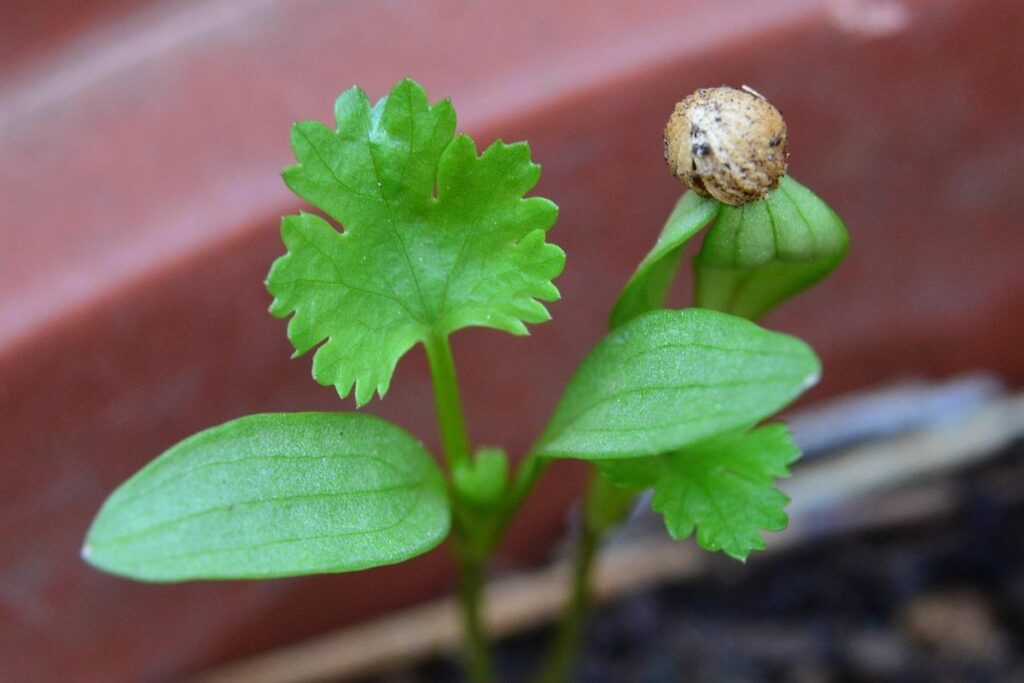
When cilantro seeds germinate, they produce a small white root called a radicle that grows downward into the soil, while a tiny green stem emerges from the seed coat. This early growth stage is crucial for the development of healthy roots and stems. Proper watering and fertilization during this period can significantly impact the plant’s future growth.
Inadequate water or poor air circulation can lead to fungal diseases such as damping off, which can be devastating to young cilantro plants. To promote healthy germination, ensure that your soil is well-draining and provide sufficient light for the seedlings. By creating a conducive environment, you’ll set the stage for your cilantro crop to thrive throughout its life cycle, ultimately leading up to the question: what does cilantro look like when it goes to seed?
From Sprout to Mature Plant: Key Growth Stages
As cilantro undergoes its life cycle, you’ll notice significant changes from seedling to mature plant. At first, cilantro seeds germinate and grow into delicate seedlings with small, rounded leaves. These young plants are more susceptible to pests and diseases, so it’s essential to provide them with proper care, including adequate watering and partial shade.
As the seedlings develop, they begin to form larger, flat leaves that are more typical of cilantro. This is a crucial stage in the plant’s life cycle, as the leaves start to produce their distinctive flavor compounds. At this point, you can harvest individual leaves or stems for use in salads, salsas, and other dishes.
As cilantro reaches maturity, it produces more robust foliage and develops a more complex flavor profile. The stems become thicker, and the leaves take on a slightly bitter taste. This is also when cilantro begins to bolt, or go to seed, producing small white flowers that contain the seeds for propagation. It’s essential to keep an eye out for bolting, as it can indicate the plant is nearing the end of its life cycle.
By understanding these key growth stages, you’ll be better equipped to care for your cilantro plants and enjoy their full flavor potential.
What Happens When Cilantro Reaches Maturity?
As cilantro reaches maturity, it will eventually produce seeds that mark a significant change in its growth cycle. This is where things can get interesting for gardeners and cooks alike.
The Blossoming Stage: Flowers and Fruiting Bodies
As cilantro reaches maturity, it undergoes a significant transformation – the blossoming stage. This is where the plant focuses its energy on producing flowers and fruits, setting the stage for seed production. The inflorescences, or flowering stalks, start to emerge from the leaves of mature cilantro plants.
There are two types of inflorescences: umbels and racemes. Umbels are dense clusters of tiny flowers that resemble a small umbrella, while racemes are longer, more slender stalks with individual flowers arranged in a linear pattern. Both types play critical roles in seed production – the umbels produce the tiny white or yellow flowers that eventually turn into seeds.
The functions of these inflorescences are essential to understand when it comes to harvesting cilantro seeds. The umbels typically appear first, producing numerous small flowers that will develop into seeds over time. As the plant matures further, the racemes emerge, also producing individual flowers and contributing to seed production. This process allows for efficient seed dispersal and sets the stage for the next generation of cilantro plants.
Seed Development and Maturation
As cilantro plants reach maturity, they begin to redirect their energy towards seed development. This process occurs within the fruiting bodies, also known as umbels, that form at the top of the plant. The umbrella-shaped clusters contain tiny flowers that eventually give rise to seeds.
The development of seeds in cilantro is a complex process involving several stages. First, the tiny flowers within the umbel develop into immature seed pods, which are initially green and soft to the touch. As they mature, these pods will dry out, turn brown, and split open to release their contents.
It’s essential for cilantro growers to monitor the plants closely during this stage, as over-maturity can lead to reduced seed quality and viability. To encourage optimal seed development, provide cilantro plants with sufficient sunlight, water, and nutrients throughout the growing season. Regular pruning of the plant will also help promote healthy growth and prevent overcrowding within the umbel.
By understanding the process of seed development in cilantro, growers can take steps to ensure a bountiful harvest of high-quality seeds for future planting.
The Reproductive Cycle: When Cilantro Goes to Seed
You might be wondering what happens to cilantro once it’s done sprouting, and for that, we have some exciting information to share about its reproductive cycle.
Trigger for Flowering: Environmental Factors and Plant Hormones
When cilantro starts to go to seed, it’s not just a matter of chance – there are specific environmental factors and internal plant hormones at play. As the days shorten and the weather cools, cilantro plants receive signals from their environment that trigger the transition from vegetative growth to flowering.
One key environmental factor is daylight hours. Cilantro plants typically require around 12-14 hours of light per day to continue producing leaves, but when the days get shorter, they begin to sense that it’s time to allocate energy towards reproduction rather than growth. This is also influenced by temperature – as temperatures drop, cilantro plants produce more ethylene gas, a hormone that promotes flowering.
But what about internal plant hormones? Cilantro plants contain a delicate balance of auxins, gibberellins, and cytokinins, which regulate cell elongation, cell division, and other growth processes. However, when the plant senses the reduction in daylight hours, it begins to produce more florigen – a hormone that promotes flowering by inhibiting the production of leafy shoots.
This hormonal shift is what ultimately causes cilantro to produce flowers, leading to those distinctive seed stalks we see as the plant goes to seed.
Pollination and Fertilization Processes
Pollination and fertilization are two critical processes that occur in cilantro when it goes to seed. Without these mechanisms, the plant would be unable to produce viable seeds. Pollination is the transfer of pollen from the male reproductive organs (anthers) to the female reproductive organs (stigmas) of the same or different flowers. This process can be facilitated by bees, butterflies, moths, and other insects that visit the cilantro flowers in search of nectar.
Fertilization occurs when the pollen germinates on the stigma, resulting in the fusion of gametes from both parents to form a zygote. This process is essential for seed production, as it allows the plant to pass on its genetic material to the next generation. In cilantro, fertilization typically occurs within 24-48 hours after pollination.
To encourage healthy pollination and fertilization in your cilantro plants, make sure they receive adequate sunlight and water. Avoid over-fertilizing, which can reduce blooming and seed production. By understanding these processes, you’ll be better equipped to support your cilantro’s reproductive cycle and harvest a bountiful crop of seeds.
Cilantro’s Reproductive Structure: Understanding its Seed-Producing Parts
When cilantro reaches its seeding stage, it’s essential to understand its reproductive structure and the parts responsible for producing seeds. Let’s take a closer look at these key components together.
Inflorescences and Their Role in Seed Production
Cilantro’s inflorescences play a vital role in its life cycle, particularly when it comes to seed production. As cilantro plants mature, they begin to develop these reproductive structures, which are essentially the flowers and seeds that will ensure the plant’s continuation.
There are two main types of inflorescences found on cilantro: racemes and umbels. Racemes are long, slender stems that bear small, clusters of flowers at their tips. These flowers eventually give rise to seeds, which disperse in various ways, including through wind or water. In contrast, umbels are more compact and star-shaped, with multiple branches emanating from a central point.
Umbels are particularly important for cilantro seed production as they can produce large numbers of seeds in a single cluster. This is why you’ll often see cilantro plants developing a burst of tiny white flowers towards the end of their growth cycle. When these flowers mature and dry, they release seeds that can be harvested and used to grow new cilantro plants.
Keep an eye out for these inflorescences on your cilantro plants as they mature – it’s a sign that the plant is about to produce seeds! With proper care and timing, you can harvest those seeds and enjoy a continuous supply of fresh cilantro.
Characteristics of Cilantro Seeds
Cilantro seeds, also known as coriander seeds, are an essential part of the herb’s reproductive cycle. When cilantro plants go to seed, they produce tiny, delicate pods that contain these seeds. If you’re looking at a mature cilantro plant, you’ll notice the seeds have distinct characteristics.
The size of cilantro seeds is quite small, typically measuring around 1-2 mm in length and 0.5-1 mm in width. They are usually brown or tan in color, with a smooth surface texture that’s slightly shiny to the touch. When you gently rub them between your fingers, they can feel slightly gritty due to their seed coat.
It’s worth noting that cilantro seeds have a unique shape, often described as an elongated oval or egg-like form. This shape allows for efficient dispersal of the seeds by wind and water, contributing to the herb’s adaptability in various environments. Understanding these physical characteristics can help you identify cilantro seeds when they appear on your plant.
Harvesting and Drying Cilantro for Seed Production
To successfully harvest and dry cilantro for seed production, you’ll need to carefully identify when your plants have reached the right stage of maturity. This is crucial for preserving the seeds’ quality and viability.
When to Harvest Cilantro for Seeds
When you’ve successfully encouraged your cilantro plants to bolt and go to seed, it’s essential to know when to harvest them for optimal seed production. The ideal time for harvesting cilantro seeds is when the flowers on the plant have fully developed and turned a pale yellow or brown color. This typically occurs about 6-8 weeks after the plant has begun to flower.
Check the weather forecast before you start harvesting, as it’s best to do so during cooler and drier conditions to prevent seed spoilage. Avoid harvesting seeds when it’s raining or humid outside. You can also check for seed readiness by gently tugging on a stem; if the seeds are mature, they should come off easily.
Harvesting at the right time will ensure that your cilantro seeds have developed fully and are ready for use in cooking or planting. To harvest, simply snip off the seed heads from the plant using scissors or pinch them off with your fingers. Spread the seeds out to dry further to preserve their flavor and aroma, then store them in a cool, dry place. This will give you a steady supply of fresh cilantro seeds for future use.
Drying and Processing Methods for Cilantro Seeds
Drying cilantro seeds properly is crucial for maintaining their viability and ensuring successful germination when planted. To dry the seeds, you can use a variety of methods including air drying, desiccant packets, or a food dehydrator. Air drying involves tying the seed heads in small bunches and hanging them upside down in a warm, dry, dark place with good air circulation.
Another method is to use desiccant packets which absorb moisture from the seeds. Place the packets near the dried seed heads or even inside paper bags containing the seeds. However, it’s essential to monitor the temperature as excessive heat can damage the seeds. For larger quantities, a food dehydrator set at 95°F (35°C) is an efficient way to dry cilantro seeds.
It’s also important not to overdry the seeds, as this will reduce their viability. Monitor the drying process closely and store the dried seeds in airtight containers immediately after they are completely dry. Proper storage will help maintain the seeds’ quality for up to a year when stored under ideal conditions.
Common Names and Variations: Other Names for Mature Cilantro Plants
You’ve probably noticed that cilantro plants can get a bit confusing to identify once they go to seed, with various names popping up in different places. This section explores some of those common names and variations.
Regional and Cultural Variations in Naming Cilantro
Cilantro’s nomenclature can vary significantly across different regions and cultures. In some parts of Asia, such as India and Southeast Asia, mature cilantro plants are commonly referred to as “dhania” or “kakum.” This is due to the plant’s widespread use in these cuisines, particularly for its seeds which are used as a spice.
In Latin American countries like Mexico and Peru, mature cilantro is often called “recao,” while in some African cultures it’s known as “bolieddhon” or simply “seeded coriander.” These alternative names reflect the plant’s importance in local cooking traditions. For instance, the seeds are a key ingredient in sambals and chutneys in Indian cuisine.
When referring to mature cilantro plants, it’s essential to be aware of regional differences to accurately communicate with others. If you’re planning to grow or harvest cilantro for its edible seeds, familiarizing yourself with local names can facilitate communication with farmers’ markets vendors or fellow gardeners. This understanding also enables you to explore various recipes and cultural practices that utilize the plant in different forms.
Comparison with Other Herbs: Similarities and Differences
When mature cilantro plants go to seed, they are often referred to as coriander. But what sets them apart from other herbs that produce seeds? Let’s take a closer look at the similarities and differences between cilantro (also known as coriander) and other popular herbs like dill, fennel, and parsley.
One of the main differences is the way each herb develops its seed heads. Cilantro produces umbels, which are clusters of small flowers that grow from a central stem. Dill, on the other hand, has feathery plumes that resemble tiny ferns, while fennel’s seeds form in dense clusters. Parsley, with its delicate leaves and stems, often goes unnoticed until it reaches seed maturity.
Another key distinction lies in the flavor profiles of each herb. Cilantro’s distinctive citrusy taste is unique among herbs, but some fans argue that dill shares a similar freshness. Fennel’s anise or licorice notes are unmistakable, while parsley offers a milder, slightly bitter taste. When it comes to cooking with these herbs, understanding their distinct flavors and textures can make all the difference in achieving the perfect dish.
If you’re looking to use your mature cilantro as coriander seeds, remember that they have a shorter shelf life than leaves or stems. You can dry them for storage, but be aware that grinding them into powder may alter their flavor.
Frequently Asked Questions
Can I save cilantro seeds from my home garden for replanting next season?
Yes, saving your own cilantro seeds is a great way to ensure a continuous supply of this versatile herb. After harvesting and drying the seeds, store them in an airtight container in a cool, dry place. When ready to plant, sow the seeds indoors 8-10 weeks before the last frost date or directly in the garden once the weather warms up.
What are some common names for mature cilantro plants that I might encounter?
In addition to its botanical name (Coriandrum sativum), cilantro is also known as coriander, Chinese parsley, or dhania. Regional and cultural variations may use different names, but these terms usually refer to the same plant.
How can I ensure proper seed development and maturation in my cilantro plants?
Proper pollination, fertilization, and light exposure are crucial for successful seed production. Ensure your cilantro plants receive sufficient sunlight (at least 4-6 hours of direct sun) and maintain a balanced fertilizer regimen to promote healthy growth.
Can I grow cilantro from seeds harvested from a store-bought bunch?
Yes, but be aware that store-bought cilantro may not produce viable seeds due to hybridization or improper handling. For best results, save seeds from your home garden or purchase seeds specifically labeled as ‘open-pollinated’ or ‘heirloom’.
What are some tips for drying and processing cilantro seeds to ensure maximum viability?
To dry cilantro seeds effectively, spread them in a single layer on a paper bag or sheet pan. Store the seeds in an airtight container once completely dry. Avoid exposing seeds to direct sunlight or high temperatures, which can damage their quality.