
Wildflowers are more than just a pretty face in our natural landscapes. These free-spirited blooms have been thriving for centuries, painting vibrant colors across open fields, meadows, and woodlands. But what exactly makes a wildflower, well, wild? In simple terms, wildflowers are flowers that grow freely in their natural habitats without human intervention or cultivation. They play a vital role in pollination, adding biodiversity to our ecosystems and improving soil health. Not only do they add beauty to the world around us, but they also provide essential services that support life on Earth. In this article, we’ll delve into the unique characteristics of wildflowers, their growth habits, and the importance they hold for ecosystems. By understanding these fascinating flowers, we can appreciate their value in maintaining healthy environments.
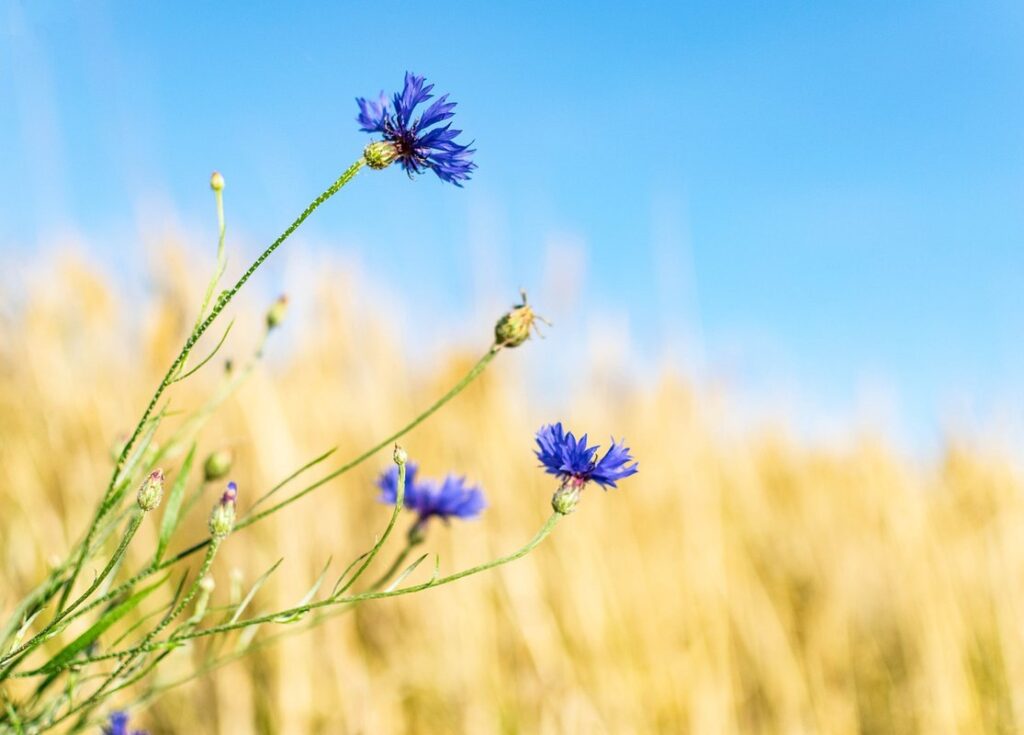
Definition and Characteristics
A wildflower is a type of plant that grows freely in its natural habitat, often producing beautiful blooms without human cultivation. Let’s explore the key characteristics that define these stunning flowers.
What are Wildflowers?
Wildflowers are truly one of nature’s greatest wonders. They’re not just random flowers growing in fields and meadows; they have a specific identity that sets them apart from cultivated plants. So, what makes a wildflower? Simply put, a wildflower is a flowering plant that grows in its natural habitat with minimal human intervention.
You’ll typically find wildflowers thriving in areas like prairies, savannas, forests, and even along roadsides and ditches. These plants have adapted to their environment over time, developing unique characteristics that enable them to survive and reproduce without the help of humans. For instance, they often have deep roots to access water, or slender stems to withstand strong winds.
One key feature of wildflowers is their ability to self-seed, meaning they produce seeds without human assistance. This allows them to colonize new areas and maintain their populations over time. As a result, you might notice that wildflower fields change dramatically from year to year – it’s as if the flowers are constantly evolving!
To spot true wildflowers, look for plants that grow in their natural environment, often with no signs of human cultivation or maintenance. Pay attention to their seed heads and root systems; these can be giveaways that they’re truly wildflowers. By embracing the beauty of wildflowers, we can appreciate the intricate relationships between plants, soil, and climate – and maybe even learn a thing or two about resilience and adaptability!
Types of Wildflowers
Wildflowers come in an astonishing variety of shapes, sizes, and growth habits. To better understand these magnificent plants, it’s helpful to categorize them based on their life cycles. One key distinction is between annuals, perennials, and biennials.
Annual wildflowers complete their life cycle within a single growing season, germinating, blooming, and producing seeds in just one year. These plants often thrive in areas with mild winters and warm summers, such as California’s coastal regions. Examples of annual wildflowers include poppies, cosmos, and marigolds.
Perennial wildflowers, on the other hand, live for multiple years, typically growing new stems from roots each spring. They may go dormant during winter or periods of drought but will regrow when conditions improve. Bearded irises, coneflowers, and black-eyed Susans are popular perennial wildflower species.
Biennials take two years to complete their life cycle, germinating in the first year and producing flowers in the second. Examples include foxgloves, hollyhocks, and sweet williams. Understanding these growth habits can help you choose the right type of wildflowers for your garden or landscape.
Distinction from Cultivated Flowers
While many people assume that all wildflowers are simply cultivated flowers that have been left to their own devices, there’s actually a significant distinction between the two. One key difference is in soil requirements – wildflowers can thrive in a wide range of soil conditions, from sandy to clay-rich, whereas cultivated flowers often require more specific and controlled environments.
Climate tolerance is another area where wildflowers shine. Unlike cultivated flowers that may need protection from extreme temperatures or weather patterns, wildflowers have adapted to the local climate over centuries. This means they can withstand droughts, floods, and even frost – a testament to their hardiness and resilience.
In terms of lifespan, wildflowers tend to bloom for shorter periods than cultivated flowers, but they also self-seed and regrow each year. This natural cycle is essential to maintaining the diversity and beauty of meadows and other wildflower habitats. To encourage your own wildflowers to thrive, simply choose a spot with suitable soil and climate conditions, and let nature take its course – no fertilizers or pruning required!
Growth Habitats of Wildflowers
Wildflowers can thrive in a variety of environments, and understanding their growth habits is key to appreciating these resilient plants. In diverse landscapes from meadows to deserts, we’ll explore where wildflowers call home.
Natural Habitats for Wildflowers
Wildflowers can be found thriving in various natural habitats across different ecosystems. One of the most common and picturesque places to spot wildflowers is in meadows. These open grasslands provide the perfect conditions for wildflowers to bloom, with plenty of sunlight, water, and nutrient-rich soil. In fact, a study by the National Park Service found that meadows account for approximately 20% of all wildflower species in North America.
Forests are another essential habitat for wildflowers, particularly those that prefer shade and moist environments. Trees provide vital shelter from harsh winds and direct sunlight, allowing wildflowers to grow and thrive in areas with lower light conditions. In contrast, mountains offer a diverse range of habitats for wildflowers, including alpine meadows, rocky outcroppings, and forested slopes.
Preserving these natural habitats is crucial for maintaining healthy wildflower populations. When planning hikes or outdoor activities in sensitive ecosystems, be sure to follow best practices for minimizing impact on the environment. Avoid trampling vegetation, stay on designated trails, and never remove plants from their native habitats. By respecting and preserving these ecosystems, we can ensure that future generations continue to enjoy the beauty of wildflowers in their natural habitats.
Factors Affecting Wildflower Habitat
When it comes to understanding what makes a wildflower thrive, it’s essential to consider the factors that affect their native habitats. Climate change is one of the most significant threats to wildflower growth, as changing temperatures and weather patterns disrupt the delicate balance of ecosystems.
Pollution, another major concern, can have devastating effects on wildflowers. Soil contamination from agricultural runoff or industrial activities can lead to nutrient deficiencies, making it challenging for wildflowers to grow. Overgrazing, too, can be a significant issue, as excessive herbivory can deplete plant populations and alter soil chemistry.
Human development also plays a crucial role in shaping wildflower habitats. Urbanization, infrastructure projects, and land fragmentation can result in habitat loss and fragmentation, making it difficult for wildflowers to migrate or disperse. For instance, the construction of roads or buildings can create barriers that isolate wildflower populations, limiting their ability to adapt to changing conditions.
To support wildflower growth in your local ecosystem, consider implementing sustainable practices like reducing pollution, promoting native vegetation, and creating wildlife-friendly habitats.
Characteristics of Different Regions’ Wildflowers
Wildflowers can be found in various regions around the world, each with its own unique characteristics that are shaped by climate, soil, and geography. Let’s explore some of these differences together.
Seasonal Variations
One of the most fascinating aspects of wildflowers is their ability to thrive in different regions and adapt to varying seasonal conditions. Depending on where you are in the world, the types of wildflowers that bloom will change with the seasons. Take California’s famous springtime bloom, for instance. Every year, after a winter of heavy rainfall, California’s desert landscapes erupt into a kaleidoscope of color as cacti and succulents give way to vibrant blooms of desert marigold, lupine, and poppy. The show is usually at its peak in late March or early April.
In contrast, Washington State’s wildflower season kicks off later in the summer with an explosion of asters and coneflowers in mid-August. These late-summer blooms provide a stunning finale to the region’s wildflower display. If you’re planning a wildflower expedition, be sure to check the local bloom reports for your destination to maximize your chances of catching these fleeting spectacles in person.
Regional Adaptations
Wildflowers have evolved unique adaptations to survive and thrive in diverse regional environments. For instance, in areas with harsh winters, certain wildflowers develop frost tolerance as a protective mechanism. The delicate petals of the Alpine Lilyturf (Lilium candidum) can withstand temperatures as low as -20°C (-4°F), allowing it to bloom even under thick snow cover. This adaptation enables the plant to take advantage of early spring sunlight and pollinators before other vegetation awakens.
In arid regions, wildflowers have developed heat resistance to cope with scorching temperatures. The Desert Marigold (Baileya multiradiata) has adapted by producing waxy leaves that reflect sunlight and conserve water. This allows the plant to bloom vibrantly even in extreme conditions, providing a splash of color amidst the desert’s dry landscape. Understanding these adaptations is essential for appreciating the resilience and diversity of wildflowers across different regions.
Benefits of Wildflowers
Wildflowers are not just a pretty sight, but they also offer a range of benefits that can improve our environment and well-being. Let’s explore some of the amazing advantages of having wildflowers in your life.
Ecological Importance
Wildflowers play a vital role in maintaining healthy and thriving local ecosystems. One of their most significant contributions is pollination services. Without wildflowers, many plants would be unable to reproduce, resulting in reduced biodiversity and crop yields. In fact, it’s estimated that one-third of all crops worldwide rely on pollinators like bees and butterflies for reproduction.
Wildflowers also have a profound impact on soil health maintenance. Their deep roots help to break up compacted soil, allowing air, water, and nutrients to penetrate deeper into the earth. This process, known as soil aeration, improves soil structure and fertility, making it easier for other plants to grow.
In addition to pollination services and soil health maintenance, wildflowers also play a crucial role in nutrient cycling. As they grow, they absorb nutrients from the soil and store them in their flowers, leaves, and roots. When these nutrients are released back into the environment through decomposition or consumption by animals, they become available for other plants to use.
By planting wildflowers in your garden or community, you can reap the benefits of these ecological processes firsthand. Simply choose a mix of native species that suit your climate and soil type, and allow them to grow freely. With minimal maintenance, you’ll be supporting local pollinators and contributing to a healthier ecosystem.
Aesthetic Value
Wildflowers bring a unique aesthetic value to our surroundings, making them a treasure for recreation, conservation, and tourism purposes. When driving through rolling hills or hiking through meadows, the vibrant colors and delicate petals of wildflowers create stunning scenic vistas that evoke feelings of wonder and awe.
These natural masterpieces play a vital role in supporting biodiversity by providing a source of nectar for pollinators like bees and butterflies. In turn, this supports a complex ecosystem where various species coexist and thrive. To experience the full beauty of wildflowers, consider timing your visit during peak blooming seasons or take a guided tour with a knowledgeable expert.
In areas where wildflower populations are thriving, you’ll often see an increase in eco-tourism activities like photography safaris or nature walks. These experiences not only raise awareness about conservation efforts but also generate income for local communities through sustainable tourism practices. By appreciating and protecting wildflowers, we not only preserve their aesthetic value but also contribute to a healthier environment for future generations.
Challenges Facing Wildflower Populations
While wildflowers bring joy and beauty to our world, their populations face significant threats that can be devastating to ecosystems. Let’s explore some of the challenges they’re up against.
Threats from Human Activities
Human activities pose significant threats to wildflower populations. Deforestation, for instance, results in the destruction of natural habitats that wildflowers rely on for survival. Over-harvesting of these flowers not only disrupts their life cycle but also puts pressure on the remaining plants to reproduce. Habitat fragmentation further exacerbates this issue by isolating wildflower populations and limiting gene flow.
The effects of human activities are often compounded by other factors such as climate change, which alters temperature and precipitation patterns that wildflowers have adapted to over time. In some regions, rising temperatures are causing flowers to bloom earlier in the season than usual, leading to a mismatch between the availability of resources like nectar and the emergence of pollinators.
To mitigate these threats, it’s essential to adopt sustainable practices when interacting with wildflower populations. This includes avoiding areas that have been recently disturbed or damaged, as well as refraining from over-picking or uprooting flowers. By taking a more mindful approach to our interactions with wildflowers, we can help preserve the health and diversity of these delicate ecosystems.
Invasive Species Impact
Invasive species have a significant impact on native wildflowers, often disrupting the delicate balance of ecosystems and threatening their very existence. These non-native plants can outcompete native wildflowers for resources such as water, light, and nutrients, making it difficult for them to survive. In some cases, invasive species can even alter the soil chemistry, creating an environment that is inhospitable to native wildflowers.
For example, the Japanese knotweed (Fallopia japonica) has been known to push out native plant species in many parts of the world. Its ability to grow quickly and spread rapidly allows it to dominate areas where native plants struggle to thrive. Similarly, the purple loosestrife (Lythrum salicaria) can form dense stands that prevent native plants from receiving enough light and water.
To protect native wildflowers, it’s essential to be aware of invasive species in your area and take steps to prevent their spread. This can involve removing weeds, using targeted herbicides, or introducing beneficial insects that prey on invasive species. By taking action against invasive species, we can help preserve the diversity of native wildflower populations and maintain the health of ecosystems.
Conservation Efforts for Wildflowers
To truly appreciate wildflowers, it’s essential to understand that many are threatened by human activities and habitat loss. Let’s explore some inspiring conservation efforts underway to protect these beautiful blooms.
Protection of Natural Habitats
Protecting natural habitats is crucial for wildflowers to thrive. These areas provide the perfect conditions for wildflowers to grow, including suitable soil, temperature, and moisture levels. One effective way to preserve these habitats is through protected areas, such as national parks or wildlife refuges. For instance, the California State Parks system protects over 1 million acres of natural habitat, safeguarding a wide range of wildflower species.
Conservation easements are another valuable tool for protecting natural habitats. These agreements allow landowners to maintain private property while ensuring that their land remains free from development and human disturbance. The Nature Conservancy has successfully implemented conservation easements on millions of acres worldwide, preserving critical habitat for countless plant and animal species.
When supporting wildflower conservation efforts, individuals can make a difference by donating to reputable organizations or volunteering time in protected areas. By safeguarding natural habitats, we not only preserve the beauty of wildflowers but also maintain the delicate balance of our ecosystem. This balance is essential for the long-term health of both plants and animals that call these environments home.
Breeding Programs and Sustainable Practices
When it comes to cultivating wildflowers, responsible breeding programs and sustainable practices are crucial for their long-term survival. As we’ve discussed earlier, wildflowers are a vital part of our ecosystem, providing food and shelter for pollinators and other wildlife.
To ensure the continuation of these delicate species, many conservation efforts focus on developing organic farming methods that mimic natural environments. This approach not only promotes biodiversity but also reduces the environmental impact associated with traditional farming practices.
One example of responsible breeding is the practice of selecting seed stock from local wildflower populations. This method, known as “local adaptation,” allows farmers to cultivate plants that are well-suited to their specific region’s climate and soil conditions. By doing so, they can reduce the need for pesticides and other chemicals that harm pollinators.
Incorporating sustainable practices like crop rotation and composting is also essential for maintaining healthy wildflower populations. These methods help maintain soil fertility, promote beneficial insects, and minimize waste.
Conclusion
Now that you’ve learned about the characteristics and types of wildflowers, it’s time to put your newfound knowledge into action. As you step out into nature, take a moment to appreciate the beauty and diversity of these incredible plants. Observe how they thrive in unexpected places, bringing color and life to even the most barren landscapes. Next time you’re planning a garden or outdoor project, consider incorporating wildflowers into your design – not only will they add visual appeal, but they’ll also attract pollinators and support local biodiversity. By embracing the spirit of wildflowers, you can cultivate a deeper connection with the natural world and reap the rewards that come from nurturing its beauty.
Frequently Asked Questions
Can I grow wildflowers in my backyard, or do they require special conditions?
Yes, you can definitely grow wildflowers in your backyard, but it’s essential to mimic their natural habitat as closely as possible. This includes providing a mix of sun and shade, well-draining soil, and allowing the flowers to self-seed and spread naturally.
How do I identify wildflowers in my area, especially if they’re not blooming at the same time?
To identify wildflowers, observe their growth habits, foliage, and flower structures. Consult field guides or online resources for specific identification tips. You can also join local plant enthusiast groups or attend workshops to learn from experienced botanists.
Are all wildflowers native to my region, or can some be invasive species?
Not all wildflowers are native to your region; some can be introduced species that outcompete native plants and cause environmental harm. When choosing wildflower varieties for your garden or habitat restoration project, ensure you select species native to your area.
Can I cultivate wildflowers for commercial use, such as selling them at a market?
While it’s technically possible to cultivate wildflowers commercially, this can have unintended consequences on natural ecosystems. To avoid harming the environment, opt for sustainable and responsible cultivation practices that prioritize biodiversity and ecosystem balance.
How do I support local wildflower populations and contribute to their conservation efforts?
Supporting local wildflower populations involves respecting their natural habitats, controlling invasive species, and promoting sustainable land-use practices. You can also participate in citizen science projects, volunteer with local conservation organizations, or donate to reputable environmental groups working on wildflower preservation initiatives.