
When we step into our gardens or forests, one thing that often catches our eye are unwanted plants growing in all sorts of places. These pesky plants go by many names – weeds! But have you ever wondered what makes a plant a weed? Is it just a matter of opinion, or is there something more to it? Weeds can be a significant problem for farmers and gardeners alike, causing crop losses and affecting the ecosystem balance. But their impact doesn’t stop at agriculture; they can also harm human health by spreading allergens, irritating skin, and even poisoning us if ingested. In this article, we’ll delve into the world of weeds, exploring their characteristics, types, and consequences on various fronts. We’ll discuss effective methods for managing these unwanted plants and controlling their spread. By the end of it, you’ll have a better understanding of why weeds are more than just a nuisance.
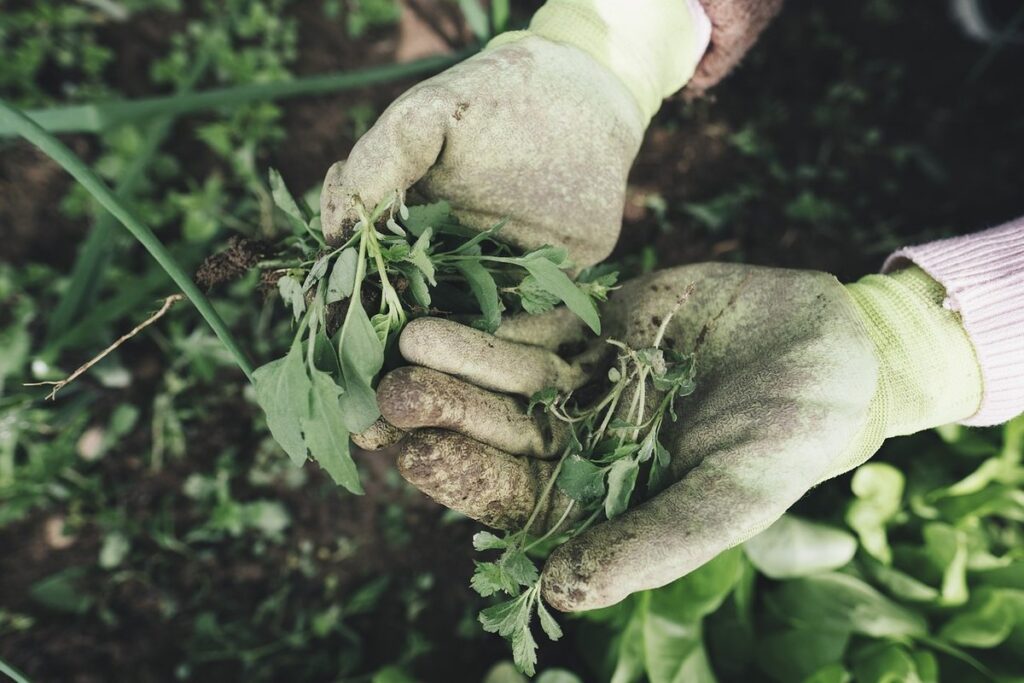
Understanding the Basics of Weeds
To truly grasp what a weed is, we need to start at the beginning: understanding the fundamental characteristics that define these unwanted plants. Let’s explore the basics together!
Defining Weeds by Their Characteristics
Weeds are typically defined as unwanted plants that grow in places where they are not desired. But what makes them so undesirable? One key characteristic of weeds is their adaptability to different environments and conditions. They can thrive in a wide range of soils, temperatures, and moisture levels, making it difficult to control their growth.
Another notable feature of weeds is their rapid growth rate. They often outcompete desirable plants for resources such as water, nutrients, and light, causing them to become overgrown and invasive. Weeds can also reproduce quickly through seeds, stolons, or tubers, allowing them to spread rapidly across an area.
In addition to these traits, weeds are often able to thrive in poor conditions, such as dry soil or areas with low sunlight. This ability to survive and grow in challenging environments makes them even more difficult to eliminate. For example, dandelions can grow in lawns with poor soil quality and full sun exposure, while clover can tolerate shade and compacted soils. Understanding these characteristics is essential for developing effective strategies to control weed growth and prevent their spread.
The History of Weeding
The history of weeding dates back thousands of years, with ancient civilizations developing various methods to control unwanted plant growth. In ancient Egypt, for example, weeds were considered pests that needed to be eliminated to maintain agricultural productivity and prevent damage to crops. The Egyptians used simple tools like hoes and rakes to manually remove weeds from their fields.
The use of herbicides emerged in the 19th century, with the introduction of napthalene, a toxic substance derived from coal tar. However, it wasn’t until the mid-20th century that synthetic herbicides became widely available, revolutionizing weed control methods. Glyphosate, introduced in the 1970s, remains one of the most popular and effective herbicides today.
In modern times, weeding has evolved to incorporate more targeted and sustainable approaches. Integrated Pest Management (IPM) strategies combine physical removal with chemical controls and cultural practices like crop rotation and mulching. With the increasing awareness of environmental concerns, many gardeners and farmers are adopting organic methods that minimize harm to beneficial plants and ecosystems. By understanding the history of weeding, we can appreciate the progress made in this field and explore more effective and sustainable approaches to weed control.
Types of Weeds: Classification and Identification
Now that we’ve defined what a weed is, let’s take a closer look at how they’re classified, from broad categories to specific types. We’ll explore their common characteristics too.
Broadleaf Weeds vs. Grass-like Weeds
When it comes to identifying weeds, understanding the differences between broadleaf and grass-like species is crucial for effective management. Broadleaf weeds, such as dandelions (Taraxacum officinale) and white clover (Trifolium repens), exhibit distinct physical characteristics that set them apart from grass-like weeds.
Broadleaf weeds have leaves with net-like or deeply lobed patterns, often with a pointed tip. They can grow relatively tall, sometimes exceeding 12 inches in height. Dandelions are notorious for their bright yellow flowers and feathery seed heads, while clover forms small clusters of pinkish-white blooms. These weeds tend to thrive in disturbed areas, lawns, and gardens, where soil is fertile and moisture levels are adequate.
Grass-like weeds, such as crabgrass (Digitaria spp.) and quackgrass (Elymus repens), share a more subtle appearance with grasses but exhibit aggressive growth habits. They have flat or folded leaves that resemble blades of grass, often growing up to 3 feet tall. These weeds are notorious for invading lawns, gardens, and agricultural fields, outcompeting desirable plants for resources like water, nutrients, and sunlight.
To distinguish between these two types, observe the leaf structure: broadleaf weeds have irregularly shaped leaves, while grass-like weeds exhibit more uniform, grass-like foliage.
Noxious Weeds: A Threat to Ecosystems and Human Health
Noxious weeds are a serious threat to both ecosystems and human health. These invasive plants can outcompete native species for resources such as water and nutrients, leading to a decline in biodiversity. They can also contaminate water sources, making them undrinkable or even toxic.
For example, the invasive kudzu plant in the southeastern United States has been known to clog streams and rivers, causing damage to aquatic ecosystems. Similarly, the saltcedar tree in the western United States can alter the chemistry of river systems, making it difficult for native species to survive.
In addition to their environmental impact, noxious weeds can also cause health issues in humans. Some plants, like poison ivy, oak, and sumac, contain urushiol oil that causes severe skin irritation and allergic reactions. Others, such as giant hogweed, can release toxic compounds when damaged, causing burns and blisters.
When encountering a plant you don’t recognize, it’s essential to exercise caution. If you suspect a noxious weed is growing on your property or in an area you frequent, consult with a local expert or take steps to prevent its spread by eradicating it before it can cause harm.
Why Weeds are a Problem
Weeds can quickly take over your garden, lawn, and even fields, causing damage to crops and infrastructure. Let’s explore why weeds are such a big problem for growers and homeowners alike.
Economic Impact of Weeds on Agriculture and Landscaping
Weeds have a significant impact on both agriculture and landscaping, extending far beyond their unsightly appearance. From a financial perspective, weeds can be a major liability for farmers, landscapers, and property owners. The economic burden of weed management is substantial, with lost crop yields being a significant concern.
For instance, according to the United States Department of Agriculture (USDA), weeds account for approximately 30% of crop losses in the country each year. This translates into billions of dollars in lost revenue for farmers, who must then recoup their losses by applying additional herbicides or labor to manually remove weeds. Moreover, excessive weed growth can also lead to reduced property values, as overgrown landscapes and fields can be off-putting to potential buyers.
The use of herbicides is another significant cost associated with weed management. While necessary in some cases, these chemicals can have negative environmental impacts and contribute to the development of “superweeds” that are resistant to certain types of herbicides. As a result, it’s essential for farmers and landscapers to implement integrated pest management (IPM) strategies that balance chemical control with cultural and mechanical controls to minimize costs and environmental harm.
Environmental Consequences of Weed Spread
When weeds spread unchecked, they can have severe environmental consequences. One of the most significant effects is soil degradation. Weeds like thistles and dandelions have deep taproots that allow them to access water deep within the soil, leading to nutrient depletion and erosion. This can render the soil infertile, making it difficult for other plants to grow.
The loss of biodiversity is another critical consequence of weed spread. Weeds often outcompete native species for resources such as light, water, and nutrients, leading to a decline in local plant diversity. For example, invasive species like kudzu can blanket entire areas, smothering native vegetation and creating “monocultures” that support only a few species.
Altered ecosystem processes are also a result of weed spread. Weeds can alter the soil chemistry, affecting the microbial communities that break down organic matter. This can lead to changes in decomposition rates, nutrient cycling, and even greenhouse gas emissions. To mitigate these effects, it’s essential to identify and control weeds before they reach invasive stages. Regular monitoring, early detection, and targeted management strategies can help prevent weed spread and preserve ecosystem integrity.
The Science Behind Weeding: Biology and Ecology
Let’s dive into the fascinating world of weeds, exploring how biology and ecology play a crucial role in determining what makes a plant a weed. From competition to adaptation, you’ll learn about the underlying forces at work.
How Weeds Adapt and Evolve
Weeds have an uncanny ability to adapt and evolve in response to changing environments, herbicides, and other control methods. This is largely due to their unique biology and ecological strategies. For instance, many weeds are able to develop resistance to specific herbicides through a process called metabolic resistance. This occurs when a weed population develops genetic mutations that allow them to break down or detoxify the herbicide.
Weeds can also evolve new traits such as altered growth habits, changed seed production, or modified leaf structures in response to environmental pressures. For example, studies have shown that certain weeds can develop deeper root systems to access water and nutrients more effectively. Similarly, some weeds can produce larger quantities of seeds to ensure their survival in areas with high levels of disturbance.
In order to combat this adaptability, it’s essential to adopt integrated weed management strategies that incorporate multiple control methods, such as cultural practices (e.g., crop rotation), physical removal, and targeted herbicides. By combining these approaches, farmers and gardeners can reduce the selection pressure on weeds and minimize their ability to evolve resistance.
Weed Life Cycles: From Seed to Mature Plant
A weed’s life cycle is a remarkable process that allows it to adapt and thrive in various environments. It begins with germination, where a seed sprouts into a tiny seedling. This usually happens when the soil temperature reaches around 10°C (50°F), triggering the embryo inside the seed to break free.
As the seedling grows, it develops its first set of leaves, called cotyledons or seed leaves. These leaves are crucial for photosynthesis and provide the necessary energy for the plant’s growth. Within a few weeks, the seedling develops its true leaves, which are larger and more complex than the seed leaves.
Maturation typically occurs within 6-12 months, depending on factors like climate, soil quality, and available resources. During this stage, the weed produces flowers, fruits, and seeds, completing its reproductive cycle. To prevent weeds from spreading, it’s essential to control them before they reach maturity, as they can produce large quantities of seeds that can disperse far and wide.
Methods for Controlling Weeds
Now that we’ve defined what a weed is, let’s dive into some effective methods for controlling them so you can maintain a healthy garden.
Physical and Cultural Control Methods
When it comes to managing weeds, many gardeners and farmers opt for non-chemical approaches that not only reduce their environmental impact but also provide a more holistic way of controlling these pesky plants. Physical and cultural control methods are two such approaches that can be effective when used correctly.
Physical control methods involve directly removing or destroying the weed itself. Hand-pulling is one of the simplest and most straightforward methods, but it’s essential to get as much of the root system out as possible to prevent regrowth. Another physical method is mulching, which involves covering the soil with a layer of organic material like wood chips or straw. This helps suppress weed growth by blocking light and preventing seed germination.
Cultural control methods focus on changing the growing conditions to make it difficult for weeds to thrive. Crop rotation is an excellent example, where you rotate your crops seasonally to break the life cycle of weeds that are specific to certain plants. For instance, planting a legume crop after a grass crop can help suppress weed growth by altering the soil’s nutrient profile.
Chemical Herbicides: Types and Risks
Chemical herbicides are often used to control weeds, but they come with their own set of risks. These chemicals can be broadly categorized into two types: selective and non-selective.
Selective herbicides target specific plant species, while leaving other vegetation intact. Examples include dicamba and 2,4-D, which are commonly used in agricultural settings. However, these chemicals can also drift or volatilize, causing unintended harm to nearby plants and ecosystems.
Non-selective herbicides, on the other hand, kill all vegetation they come into contact with. Glyphosate is one of the most widely used non-selective herbicides, often marketed under the brand name Roundup. While effective at killing weeds, glyphosate has been linked to environmental concerns, such as soil degradation and water pollution.
Before using chemical herbicides, it’s essential to weigh the benefits against the risks. Consider alternative methods for controlling weeds, like physical removal or mulching, which can be more environmentally friendly in the long run. If you do choose to use herbicides, make sure to follow all safety guidelines and take necessary precautions to minimize exposure and protect the environment.
Conclusion: Managing Weeds in a Sustainable Way
Now that we’ve explored what makes something a weed, let’s talk about how to manage those pesky plants in a way that’s good for both you and the environment.
Integrating Multiple Weed Management Strategies
Effective weed management involves more than just relying on a single approach. By combining multiple methods, you can achieve long-term results while minimizing environmental impact.
Chemical control methods often receive attention for their quick and effective removal of weeds. However, these approaches can also have significant drawbacks, including herbicide resistance and harm to beneficial organisms. Physical methods like hand-weeding or using equipment such as hoes or cultivators are alternative options that can be more environmentally friendly. Yet, they require a substantial amount of labor and may not be practical for large-scale areas.
This is where cultural control comes in – focusing on creating an environment that discourages weeds from growing in the first place. Techniques like crop rotation, adjusting soil pH levels, or introducing cover crops can reduce weed pressure over time. For example, planting competitive crops like sunflowers or corn can outcompete weeds for space and resources.
Combining these different approaches is key to successful weed management. Implementing a combination of physical removal (hand-weeding), cultural control (crop rotation), and minimal use of chemical herbicides can lead to more sustainable results. For instance, using targeted spot-spraying with herbicides only when necessary, or incorporating mulching to suppress weeds while maintaining soil health.
Remember, the most effective approach is one that balances short-term goals with long-term sustainability. Experimenting with different combinations of control methods will help you find a system tailored to your specific needs and environment. By adopting an integrated strategy, you’ll not only reduce weed pressure but also minimize harm to beneficial organisms and the ecosystem as a whole.
Frequently Asked Questions
What’s the best way to identify weeds in my garden without accidentally harming beneficial plants?
When identifying weeds, focus on their growth habits, such as how they spread, their leaves’ shapes and sizes, and any distinctive features like thorns or flowers. It’s also essential to understand the types of weeds you’re dealing with, including broadleaf, grass-like, and noxious weeds. For example, dandelions are easy to spot due to their bright yellow flowers and jagged leaves. With practice, you’ll become more confident in your ability to distinguish between wanted and unwanted plants.
Can I use physical control methods alone to manage a large-scale weed infestation?
While physical control methods like hand-pulling or hoeing can be effective for small areas, they might not be enough to tackle larger infestations. These methods are often time-consuming and may not address the root cause of the problem. For significant weed issues, consider integrating multiple management strategies, such as using herbicides in combination with cultural controls or changing your soil conditions to make it less conducive to weed growth.
How can I prevent weeds from spreading to neighboring properties or waterways?
Preventing weed spread requires a proactive approach. Implement physical barriers like mulch or landscape fabric around garden beds and sensitive areas. Regularly inspect your property for signs of new weeds, and remove them before they go to seed. Also, consider using environmentally friendly herbicides or mechanical weeding methods that don’t harm beneficial plants or contaminate water sources.
Are all chemical herbicides equally effective against different types of weeds?
No, not all chemical herbicides are created equal when it comes to tackling various weed species. The effectiveness of a particular herbicide depends on the type of weed you’re targeting and its sensitivity to that specific chemical. For example, glyphosate is often used for broadleaf weeds, while grass-like weeds may require different treatments. Always read labels carefully and follow application instructions to ensure optimal results.
Can I reuse or repurpose weeds in any way, such as composting them?
Yes, some types of weeds can be composted or repurposed into beneficial uses. Certain weed species, like comfrey or clover, are nitrogen-rich and can enhance soil fertility when added to compost piles. However, never compost weeds that have been treated with herbicides, as these chemicals can persist in the compost and harm future crops or gardeners. Always research the specific weed you’re dealing with before deciding on its disposal or repurposing.