
When you plant an apple tree, have you ever wondered what lies beneath the surface? Apple seeds are the starting point for a thriving orchard, but how big are they in inches, exactly? Understanding the average size of apple tree seeds is crucial for assessing their growth potential and determining optimal planting conditions. In this article, we’ll delve into the world of apple seed sizing, examining not just length and width, but also thickness. By grasping these fundamental dimensions, you’ll be better equipped to make informed decisions about your orchard’s future. We’ll explore the typical measurements for apple seeds, shedding light on their potential to grow into healthy, productive trees. Whether you’re a seasoned gardener or just starting out, this guide will give you a deeper understanding of what it takes to nurture an apple tree from seed to maturity.
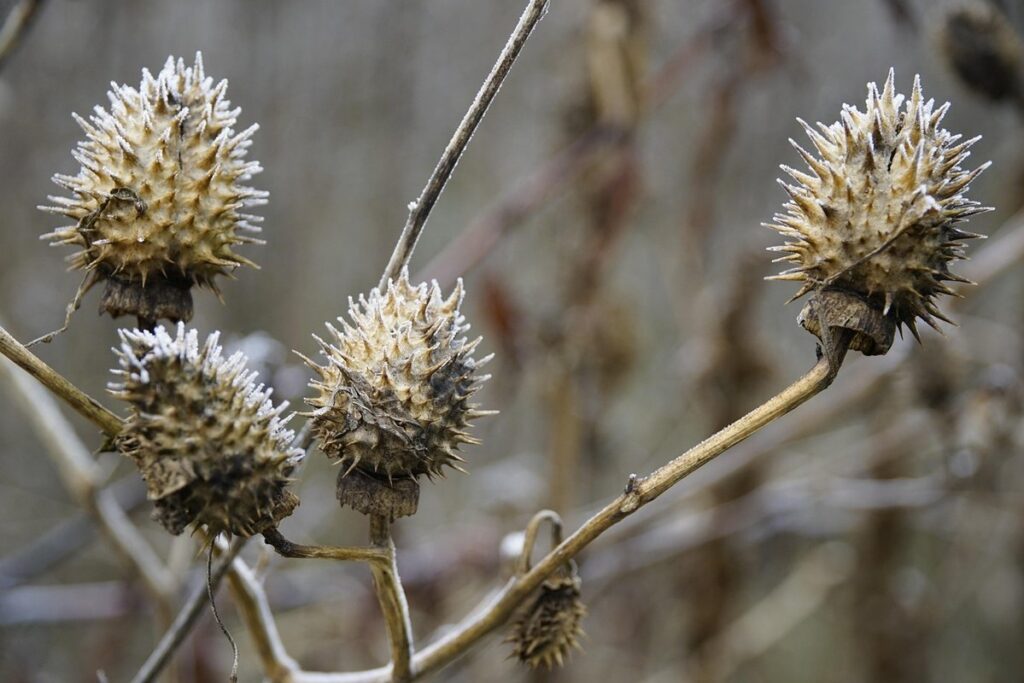
Understanding Apple Tree Seeds
When it comes to growing a new apple tree, knowing what to expect from its seeds is crucial. Let’s take a closer look at how big these tiny seeds actually are in inches.
Anatomy of a Seed
At its core, an apple tree seed consists of three main components: the embryo, endosperm, and seed coat. Each plays a vital role in the development and growth of the seedling.
The embryo is the tiny sprout within the seed that will eventually grow into a mature tree. It contains the rudimentary leaves, stem, and roots necessary for survival. The embryo’s primary function is to store genetic material and fuel the early stages of growth.
The endosperm, a type of nutrient-rich tissue, surrounds the embryo and provides essential energy for development. This reserve can sustain the seedling during its initial stages of growth, allowing it to establish itself before branching out on its own.
Lastly, the seed coat is a protective outer layer that shields the delicate interior from external threats. Composed primarily of cellulose, this fibrous structure also aids in seed dispersal by facilitating germination when conditions are favorable.
Seed Dimensions and Shapes
When it comes to understanding the size of an apple tree seed, one of the most important aspects is its dimensions and shape. Apple tree seeds come in a variety of shapes, but most are typically elongated with rounded ends.
In terms of length, the average apple tree seed ranges from about 0.25 to 0.5 inches (6-13 mm) long. Width-wise, they can be anywhere from 0.1 to 0.2 inches (3-5 mm). Thickness is usually around 0.05 to 0.1 inches (1.5-3 mm).
There are three main seed shapes you’ll typically encounter: elongated, ovate, and rounded. Elongated seeds have a longer length compared to their width, while ovate seeds have a more egg-shaped appearance. Rounded seeds, on the other hand, have a roughly spherical shape.
It’s worth noting that some apple varieties tend to produce larger or smaller seeds than others. For instance, seeds from McIntosh apples are generally smaller than those from Golden Delicious apples. Keep in mind these differences when evaluating seed size and planning for your own orchard.
Measuring Apple Tree Seeds
When it comes to measuring apple tree seeds, you’ll want to know exactly what size to expect. Typically, a mature apple seed is around 1-2 inches in length.
Common Units of Measurement
When measuring apple tree seeds, you’ll often come across different units of measurement. Understanding these units and their advantages is crucial for accurate identification and handling of the seeds.
Apple tree seeds are typically measured in inches (in.), millimeters (mm), or centimeters (cm). One of the most common methods uses inches, where a standard apple seed measures around 0.2 to 0.4 inches in length. On the other hand, measuring in millimeters provides greater precision – an average apple seed ranges from 5 to 8 mm.
While centimeters are also used for measurement, it’s less frequent due to the smaller size of the seeds making them difficult to measure accurately using this unit. Another factor to consider is the varying sizes of apple tree varieties, which can lead to differences in seed measurements.
For instance, some varieties like the ‘Red Delicious’ tend to have larger seeds compared to others such as the ‘Granny Smith’. Understanding these variances can aid in selecting the correct variety for planting purposes. To accurately measure an apple seed, use a precision caliper or a measuring tape with millimeter markings to ensure accurate results.
Average Size Ranges for Apple Tree Seeds
When it comes to measuring apple tree seeds, understanding their average size ranges is crucial for proper identification and potential planting. Apple tree seeds can vary significantly in size depending on the specific variety. For instance, ‘Red Delicious’ seeds typically range from 0.25 to 0.35 inches (6-9 mm) in length and 0.15 to 0.20 inches (4-5 mm) in width.
Gala apple tree seeds are slightly larger, measuring between 0.30 and 0.40 inches (8-10 mm) in length and 0.18 to 0.25 inches (5-6 mm) in width. Honeycrisp seeds tend to be smaller, ranging from 0.20 to 0.28 inches (5-7 mm) in length and 0.12 to 0.18 inches (3-4 mm) in width. It’s essential to note that these measurements can vary slightly depending on the specific tree and growing conditions.
When measuring apple tree seeds, it’s crucial to consider their overall size, as this can impact their potential for growth and viability. If you’re planning to plant your seeds, take precise measurements to ensure they meet the necessary criteria for successful germination and development.
Factors Affecting Seed Size
When it comes to growing a healthy apple tree, understanding the factors that influence seed size is crucial. Let’s take a closer look at what determines the size of an apple tree seed.
Environmental Influences
Environmental conditions play a significant role in determining the size of an apple tree seed. Climate is one such factor that can impact seed growth and development. For instance, seeds germinated during periods of cooler temperatures tend to grow larger than those grown under warmer conditions. This is because cooler temperatures slow down the germination process, allowing for more extensive root development before the plant’s energy is redirected towards stem and leaf growth.
Soil quality also affects seed size. Apple trees growing in well-drained, fertile soils with optimal pH levels tend to produce larger seeds than those grown in poor soil conditions. Sunlight exposure is another critical environmental factor that can impact seed size. Seeds grown under full sun receive more energy from sunlight, which promotes healthy growth and development, leading to larger seeds.
When cultivating apple trees, providing them with a suitable climate, fertile soils, and adequate sunlight exposure can help promote the growth of larger seeds.
Genetic Predisposition
When it comes to determining the size of an apple tree seed, genetic predisposition plays a significant role. The parent tree’s genetic makeup can influence the size of its seeds, and some varieties are naturally more prone to producing larger or smaller seeds.
Certain apple tree varieties, such as Red Delicious and Granny Smith, tend to produce larger seeds due to their genetic characteristics. On the other hand, varieties like Gala and Fuji often have smaller seeds. This is because different varieties have unique combinations of genes that affect seed size.
For example, studies have shown that apples from trees with a higher sugar content tend to produce larger seeds. This is because the tree’s energy is diverted towards producing more sugar, which in turn can lead to larger seed development. Understanding your parent tree’s genetic predisposition can help you predict the potential size of its seeds, but it’s not a definitive indicator.
If you’re looking to propagate a specific variety, consider factors like seed size and genetic characteristics when selecting a tree for seed production.
Seed Size and Germination
Let’s take a closer look at just how small an apple tree seed really is, typically measuring around 1/4 inch (6-8 mm) in length. That’s tiny!
Relationship Between Seed Size and Germination Rates
When it comes to growing apple trees from seed, one crucial factor is often overlooked: seed size. While it’s tempting to think that all seeds are created equal, the truth is that larger seeds have a significant advantage over smaller ones when it comes to successful germination.
Research has shown that seeds with a larger diameter tend to have higher germination rates due to their increased reserve of energy and nutrients. In fact, studies have found that apple tree seeds with diameters exceeding 1 inch (2.5 cm) are more likely to sprout than those under this size. This is because larger seeds contain more endosperm, a vital component for seedling growth.
So, what does this mean for you as an apple tree enthusiast? If you’re starting from seed, choose the largest ones available – typically 1-2 inches (2.5-5 cm) in diameter. Avoid seeds that are too small or show signs of damage. By selecting larger seeds, you’ll give your new sapling a stronger start and increase its chances of successful germination. Remember to store them properly until planting time for optimal results.
Optimal Seed Size for Planting
When planting an apple tree seed, it’s essential to consider the optimal seed size for successful growth and development. The ideal seed size can vary depending on the specific variety of apple tree, but generally, a larger seed is not always better.
For most apple tree varieties, the recommended minimum seed size is about 1/4 inch (6-8 mm) in length. This allows the seedling to have enough stored energy for germination and early growth. On the other hand, seeds that are too large can be more challenging to plant and may require more space to accommodate their root system.
Typically, apple tree seeds range from 1/4 inch to 3/8 inch (6-10 mm) in length. To give you a better idea, a standard apple seed is roughly the size of a small pea. When selecting seeds for planting, look for those that are plump and free of visible damage. This will ensure the highest chances of successful germination and healthy growth.
To plant your apple tree seed, follow these steps: Choose a fresh seed, about 1/4 inch in length, with no visible signs of damage or rot. Gently plant it about 1-2 inches deep in well-draining soil, and keep the soil consistently moist until germination occurs.
Growing Apple Trees from Seeds
When it comes to growing apple trees, one of the first steps is planting seeds. But just how big are those tiny seeds you’ll be working with?
Challenges and Considerations
Growing apple trees from seeds can be a daunting task due to its inherent challenges. One of the primary concerns is the low success rate, which often ranges between 10% to 20%. This means that out of every 100 seeds planted, only around 10-20 will grow into healthy, fruit-bearing trees.
Another significant consideration is the variability in results. Even if a seed germinates and grows into a tree, it may not produce apples that resemble its parent tree. In fact, the resulting tree may have entirely different characteristics, such as flavor, texture, or disease resistance. This unpredictability can lead to inconsistent yields and reduced fruit quality.
Given these challenges, many growers opt for more reliable methods of propagation like grafting or budding. These techniques allow them to transfer a piece of a mature tree’s stem (scion) onto the root system of another tree (rootstock). This results in trees that produce high-quality apples with consistent characteristics, making it a more efficient and effective way to propagate new trees.
Tips for Successful Seed Germination
To increase the chances of successful seed germination, it’s essential to handle the seeds with care. When collecting apple tree seeds, make sure to store them in a cool, dry place immediately after harvesting. A sealed envelope or airtight container will keep them fresh for several months.
For sowing, choose seeds that are plump and have no visible signs of damage. Plant them about ¼ inch deep in a seed starting mix, and maintain a consistent moisture level. Keep the soil at a temperature between 65°F to 75°F (18°C to 24°C) to promote germination.
Once you notice the first shoots emerging, reduce watering to avoid overwatering, which can lead to root rot. Transplant the seedlings into individual pots when they have two sets of leaves, and then transfer them outside once the weather warms up.
By following these steps, you’ll be well on your way to growing healthy apple tree saplings from seeds. Remember that not all seeds will germinate, but with proper care, you can significantly increase their chances of success.
Frequently Asked Questions
Can I use apple tree seeds from store-bought apples for planting?
Apple seeds can be obtained from store-bought apples, but the results may vary due to factors like cross-pollination and seed quality. It’s recommended to use seeds from organic or heirloom varieties for better germination rates and more predictable outcomes.
How do environmental influences affect apple tree seed size?
Environmental factors such as climate, soil quality, and moisture levels can significantly impact the size of apple tree seeds. For example, drought conditions may lead to smaller seeds due to reduced water availability during critical growth periods. Understanding these external influences is crucial for accurately assessing seed size.
Can I plant an apple tree using a single large seed?
While it’s possible to use a larger seed, planting multiple seeds can increase the chances of successful germination and improve the overall diversity of your orchard. This strategy also allows you to select the healthiest seedlings and remove weaker ones, ensuring a more robust and resilient tree population.
What are some common mistakes people make when measuring apple tree seeds?
One common mistake is not accounting for seed coat thickness when measuring seed dimensions. Another error is using an inconsistent unit of measurement or failing to note variations in seed shape and size within the same variety. To avoid these mistakes, always use a standardized method and take multiple measurements to ensure accuracy.
Can I grow an apple tree from a small, irregularly shaped seed?
While it’s possible to grow an apple tree from a smaller or irregularly shaped seed, success rates may be lower due to reduced genetic diversity and potential structural weaknesses. In such cases, it’s essential to monitor the seedling closely for signs of healthy growth and development to ensure its long-term viability.
What are some tips for storing apple tree seeds for optimal germination?
To maximize germination rates, store apple tree seeds in a cool, dry place (around 40°F or 4°C) with minimal light exposure. Keep the seeds away from direct sunlight and moisture, and consider using an airtight container to maintain a stable environment.