
As we welcome the warmer months of March and April, our gardens come alive with vibrant colors and sweet fragrances. But have you ever wondered which flowers are blooming during this time? Whether you’re a seasoned gardener or just starting out, knowing what flowers to expect in your area can be a game-changer for planning and enjoying your outdoor space. In this article, we’ll take a closer look at the beautiful blooms of March and April, including daffodils, tulips, hyacinths, and more. We’ll also share expert tips on how to plant, care for, and extend their blooming season, so you can enjoy these gorgeous flowers all year round.
Early-Marching Marvels: First Buds of Spring
As we welcome March and April, the first buds of spring burst forth into vibrant bloom, signaling the beginning of a colorful season. Let’s explore some of the earliest flowers to pop up in your garden!
Daffodil Delights
Daffodils are one of the earliest and most vibrant signs of spring, often blooming as early as late February to early March. These bright yellow trumpet-shaped flowers have been a symbol of hope, renewal, and new beginnings for centuries. In many cultures, daffodils represent good luck, prosperity, and happiness.
When it comes to caring for your daffodils, make sure to plant them in well-draining soil and full sun to partial shade. Water them regularly during their growing season, but avoid overwatering, which can lead to rot and other problems. After the blooms have faded, allow the foliage to die back naturally before cutting it down.
Some popular varieties of daffodils that bloom in early March include ‘Thalia’, ‘Mount Hood’, and ‘Fortune’. These varieties often feature large, showy blooms with a sweet fragrance. If you’re looking to add some daffodil magic to your garden, consider planting a mix of different varieties to create a stunning display of color and texture.
Crocus Countdown
As we eagerly await the arrival of spring, one of the first signs of the season’s awakening is the blooming of crocuses. These tiny bulbs are often overlooked, but they bring a burst of color and energy to the garden in late winter to early spring.
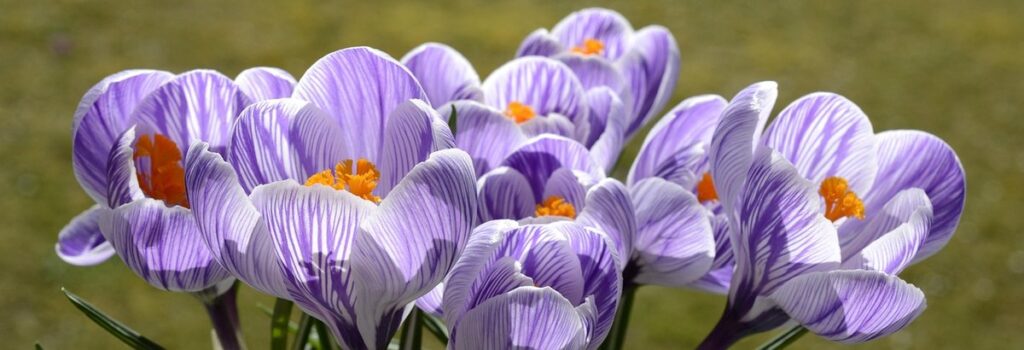
To identify different types of crocuses, look for variations in their flower colors, shapes, and sizes. Some common varieties include ‘Remembrance’, which boasts large, cup-shaped flowers in shades of purple, pink, and white, while ‘Flower Record’ boasts bright yellow blooms. If you’re unsure about the type of crocus you have, consider its growing conditions – most prefer well-drained soil and full sun to partial shade.
When it comes to ideal growing conditions, crocuses are relatively low-maintenance. Plant them in fall or early winter, about 3-4 inches deep, and water thoroughly after planting. They typically bloom for 2-6 weeks, depending on weather conditions, with the first blooms appearing around late February to early March. To encourage multiple blooms, plant multiple bulbs at different depths, allowing some to emerge earlier than others.
Snowdrop Spectacle
Snowdrops are often one of the first flowers to bloom in late winter to early spring, typically around February to April. These delicate white blooms with green centers have a rich history and symbolism behind them.
In the UK, snowdrops were once considered a harbinger of good luck, and it was believed that if you planted them in your garden, they would bring fortune and prosperity. Today, their meaning has evolved to represent hope, renewal, and resilience.
If you’re looking to cultivate snowdrops in your own garden, there are a few best practices to keep in mind. First, choose a spot with well-draining soil and partial shade. Snowdrops can tolerate some sunlight, but excessive sun can cause them to bloom too early or become scorched. Plant the bulbs 2-3 times their depth in the fall, about 4-6 weeks before the ground freezes.
It’s worth noting that snowdrops are naturalized in many areas and can be difficult to eradicate once they’ve established themselves. Consider planting a small patch to contain them and prevent spreading to other parts of your garden or neighboring properties.
March’s Vibrant Offerings: Spring Favorites in Full Swing
As we dive into the vibrant world of spring blooms, let’s explore the stunning flowers that burst forth in March and April, bringing new life to your gardens. From crocuses to tulips, these seasonal favorites are a treat to behold!
Tulip Time
March is the perfect time for Tulip enthusiasts as it heralds the beginning of the vibrant “Tulip Time” season. As one of the most popular spring-blooming flowers, tulips bring an explosion of colors and textures to gardens and landscapes. With over 150 species to choose from, tulips cater to various tastes and preferences.
When planting tulips in March, it’s essential to understand their growth habits. Tulip bulbs typically bloom for four to six weeks before going dormant. To enjoy the blooms throughout the spring season, plant multiple varieties with different bloom times. This staggered approach ensures that your tulip display remains vibrant from late March to early May.
Timing is crucial when planting tulips. In regions with cold winters, wait until the soil can be worked and the danger of frost has passed. In warmer climates, plant in late winter or early spring, allowing enough time for the bulbs to establish themselves before blooming. By following these guidelines, you’ll be able to enjoy the spectacular blooms of Tulip Time in your garden.
Hyacinth Highlights
Hyacinths are one of the most recognizable and beloved spring flowers, and for good reason. Their sweet fragrance wafts through the air, signaling the end of winter’s chill and the start of warmer days. But did you know that proper care is crucial to bringing out their full beauty? When planted in well-draining soil and exposed to at least six hours of direct sunlight per day, hyacinths will thrive.
Some popular varieties to look for include ‘Blue Jacket’, a vibrant blue with delicate white stripes, and ‘Carnegie’, a pale yellow with hints of green. These bulbs are relatively easy to care for, but it’s essential to deadhead the blooms as they fade to encourage more flowers to form. You can also divide and replant the bulbs every few years to maintain their health and vigor.
As hyacinths bloom in late March and early April, take advantage of their sweet fragrance by planting them near walkways or patios. Not only will you be greeted with a heavenly scent each morning, but you’ll also add a pop of color to your outdoor space as these beautiful flowers sway gently in the breeze.
Grape Hyacinth Glamour
Grape hyacinths are one of the most eye-catching spring bloomers, and their vibrant blue color adds a pop of elegance to gardens and landscapes. These bulbs are relatively easy to cultivate, making them an excellent choice for gardeners of all skill levels.
When planting grape hyacinths, it’s essential to choose a location with well-draining soil and full sun to partial shade. Plant the bulbs in the fall or early spring, spaced about 3-4 inches apart. As they grow, their foliage will emerge first, followed by the iconic blue flowers that can reach up to 2 inches in diameter.
Grape hyacinths are also low maintenance and don’t require regular watering or fertilization. They’re an excellent choice for naturalizing in lawns or meadows, as they spread quickly through underground stolons. With their unique shape and color, grape hyacinths add a touch of whimsy to any garden, making them a standout among spring bloomers.
April’s Blossoming Beauty: Show-Stopping Favorites
As we step into April, some of the most breathtaking flowers make their grand entrance, stealing the spotlight with vibrant colors and intoxicating scents. Get ready to fall in love with these show-stopping blooms!
Azalea and Rhododendron Showcases
When it comes to springtime blooms, few flowers can rival the vibrancy of azaleas and rhododendrons. These stunning plants are often confused with one another due to their similarities, but understanding their differences will help you create a show-stopping showcase in your garden.
Azaleas typically bloom earlier than rhododendrons, with most varieties flowering between March and May. They prefer acidic soils with good drainage and can tolerate partial shade, making them ideal for woodland gardens or under trees. Azaleas also tend to be more compact, growing between 2-6 feet tall, which makes them perfect for smaller spaces.
Rhododendrons, on the other hand, require slightly alkaline soils and full sun to produce their signature blooms. They can grow much taller than azaleas, reaching heights of up to 15 feet or more, making them a great choice for hedges or borders. When selecting either plant, consider your garden’s specific conditions and choose varieties that will thrive in those conditions.
To create a dazzling showcase, group multiple plants together, allowing their flowers to overlap and create a kaleidoscope effect. Plant azaleas and rhododendrons among other spring-blooming flowers like tulips, daffodils, or hyacinths for an explosion of color that will draw attention to your garden.
Cherry Blossom Delights
Cherry blossoms are one of the most iconic signs of spring, and for good reason – their delicate pink petals and fleeting bloom period make them a truly special experience. With over 100 varieties to choose from, selecting the right cherry blossom tree can be overwhelming.
For gardeners looking to incorporate cherry blossoms into their design, consider factors like climate, soil type, and space constraints when choosing a variety. ‘Yoshino’ and ‘Somei Yoshino’ are popular choices for their vibrant pink blooms and relatively small size. Meanwhile, ‘Kwanzan’ offers stunning deep pink flowers on a slightly larger tree.
To ensure your cherry blossom tree thrives, be sure to provide well-draining soil and adequate sunlight (at least 6 hours of direct sun per day). Regular watering and fertilization will also help maintain optimal growth. When it comes time to prune, aim for a balanced structure with an open center to promote healthy blooming.
When choosing the perfect spot for your cherry blossom tree, consider creating a sensory experience by incorporating companion plants like Japanese maples or boxwood hedges. By carefully selecting and caring for your cherry blossom tree, you can create a stunning focal point in your garden that blooms beautifully every spring.
Apple Blossoms: A Sweet Spring Treat
Apple blossoms are one of the sweetest spring treats, not only because of their delicate beauty but also due to their versatility and uses. There are several types of apple blossoms, including crabapple blossoms, which are often used as ornamental plants, and sweet cherry blossom trees that produce delicious fruit.
If you’re looking to use your apple blossoms in the kitchen, consider trying your hand at making a traditional French dessert called “galette des rois” or a sweet apple blossoms syrup by infusing sugar and water with the flowers. For those who prefer their blooms as a centerpiece, there’s no shortage of options either – simply prune your trees to encourage more flowering branches.
When it comes to pruning, timing is everything: wait until late winter or early spring when the buds start to swell before cutting back any dead or damaged wood. Remove about one-third of the tree’s growth each year to promote new, healthy blossoms and fruit production.
Hidden Gems: Uncommon Flowers that Bloom in March and April
As we explore the vibrant blooms of March and April, let’s take a closer look at some lesser-known flowers that put on stunning displays during this time. These hidden gems add a touch of uniqueness to your garden or outdoor space.
Fritillaria Fascination
Fritillaria is often overlooked in favor of more popular spring-blooming flowers like tulips and daffodils. However, this unique genus offers a diverse range of species that are sure to captivate gardeners and nature enthusiasts alike.
There are over 100 different species of Fritillaria, each with its own distinctive characteristics and growth habits. Some of the most popular varieties include the Crown Imperial (Fritillaria imperialis), which boasts bright orange flowers with a crown-like pattern, and the White-bridled Fritillaria (Fritillaria ebeiensis), whose delicate white blooms are adorned with purple stripes.
To cultivate Fritillaria in your garden, choose a location with well-drained soil and full sun to partial shade. Plant bulbs in the fall, about 3-4 inches deep, and water sparingly until they bloom in late spring. Be patient – Fritillaria can take several years to mature, but the reward is well worth it: these flowers are long-lasting and deer-resistant, making them a great addition to any garden.
Eranthis Delights
Winter aconite (Eranthis) is one of those rare gems that burst forth with golden blooms in late winter to early spring. These tiny flowers are often overlooked but offer big impact when used correctly in the garden. Typically, they bloom around late March to early April, and their delicate petals can reach up to 2 inches in diameter.
To grow Eranthis effectively, choose a spot that receives partial shade to full sun and has well-draining soil with a slightly acidic pH. Plant them in the fall or early spring, allowing them to establish themselves before winter dormancy. Avoid overwatering, as this can cause root rot – instead, water only when the top inch of soil feels dry.
In terms of garden design, consider massing Eranthis under deciduous trees or shrubs where they can naturalize and bloom in late winter. Their delicate golden blooms will add a touch of elegance to any landscape. Alternatively, plant them around a focal point like a statue or bench for a striking display.
Scilla Spectacle
Scilla Spectacle is a delightful surprise for spring enthusiasts, as it blooms during March and April, bringing vibrant colors to gardens. There are several types of scillas, including Scilla siberica, Scilla peruviana, and Scilla pendula. These bulbs produce elegant, bell-shaped flowers in shades of blue, purple, pink, and white.
For optimal blooming conditions, plant scilla bulbs in well-draining soil with full sun to partial shade. The ideal time for planting is during the fall season, about 6-8 weeks before the first frost. This allows the bulbs to establish a strong root system over winter, ensuring a robust bloom come spring.
In terms of growth habits, some scillas can form clumps over time, while others remain solitary. Scilla pendula, for example, produces long, arching stems with pendant flowers that dangle delicately from their stems. To encourage blooming, avoid overwatering and deadheading the flowers as they fade. This will allow the bulb to focus energy on recharging its reserves for next year’s display.
Tips for Planting and Caring for Spring Bloomers
When planting spring bloomers, it’s essential to understand their specific needs to ensure they thrive and put on a stunning display in March and April. This section will provide you with expert tips for successful growth.
Choosing the Right Soil Conditions
When planting spring-blooming flowers, it’s essential to prepare the soil properly to ensure they receive the right nutrients and conditions to thrive. The first step is to test your soil pH levels. Most spring-bloomers prefer a slightly acidic to neutral soil pH, ranging from 6.0 to 7.0. If your soil is too alkaline or acidic, you’ll need to adjust it accordingly.
To lower an overly alkaline soil pH, add elemental sulfur or aluminum sulfate to the soil. For acidic soils, mix in lime to raise the pH levels. Be cautious not to overdo it, as this can cause more harm than good. A general rule of thumb is to make small adjustments (about 1-2 points) and retest before making further changes.
In addition to adjusting pH levels, consider adding organic matter like compost or well-rotted manure to enrich the soil. This will improve its structure, fertility, and overall health, giving your spring-blooming flowers a head start on a successful growing season. By investing time in proper soil preparation, you’ll set yourself up for a bountiful display of vibrant blooms come March and April.
Irrigation and Watering Strategies
When it comes to watering your spring bloomers, it’s essential to understand that different types of flowers have unique watering needs. For example, bulbs like tulips and daffodils prefer well-draining soil and should be watered only when the top inch of soil feels dry to the touch. On the other hand, perennials like peonies and hydrangeas require more frequent watering, especially during hot weather.
To determine the right watering schedule for your flowers, consider factors like soil type, sun exposure, and temperature fluctuations. A general rule of thumb is to water plants deeply but infrequently, encouraging deep root growth and making them more drought-resistant. However, some flowers like azaleas and rhododendrons thrive in moist conditions and should be kept consistently watered throughout the growing season.
Keep in mind that overwatering can be just as detrimental as underwatering, so monitor your plants’ response to watering closely and adjust your schedule accordingly. For instance, if you notice yellowing leaves or droopy petals, it may be a sign that your plants are receiving too much water.
Dealing with Pests and Diseases: Prevention is Key
When it comes to enjoying your spring bloomers, dealing with pests and diseases is often an unavoidable reality. Prevention, however, is key to minimizing the risk of infestation or infection. To begin with, ensure you’re selecting disease-resistant varieties whenever possible.
In addition to choosing the right flowers, make sure to inspect them regularly for signs of pests or diseases such as aphids, whiteflies, and powdery mildew. Be on the lookout for yellowing leaves, black spots, or unusual growth patterns.
Maintaining good garden hygiene is also crucial in preventing pest and disease issues. Remove any dead or diseased plant material promptly to prevent the spread of infection. Keep your flowers well-spaced to promote good air circulation and reduce moisture accumulation around the plants.
To take proactive steps against pests, use natural deterrents such as neem oil or insecticidal soap whenever possible. Regularly water your flowers in the morning, allowing them to dry out slightly between watering sessions, will also discourage fungal growth.
Familiarize yourself with the most common pests and diseases affecting spring bloomers in your region, so you can identify potential threats early on. Keep a close eye out for signs of stress or infection during peak blooming periods, as this is when flowers are more vulnerable to damage.
Conclusion and Future Planning: Making the Most of Your Spring Garden
As we bring our spring garden planning full circle, let’s take a moment to reflect on the beauty you’ve created, and explore ideas for making next year’s blooms even brighter.
Tips for Extending the Blooming Season
To get the most out of your spring garden, consider implementing companion planting strategies to prolong the blooming season. For example, pairing early-blooming flowers like crocuses with bulbs that bloom later in the season, such as tulips or daffodils, can create a continuous display of color from March to May.
Some specific combinations include planting violas or pansies alongside roses or lavender, which tend to bloom later. These companion plants also attract pollinators and beneficial insects, further enriching your garden’s ecosystem. Be sure to choose varieties that have similar growing conditions and space requirements to ensure harmonious coexistence.
Additionally, consider the concept of “blooming bridges,” where plants with varying blooming times are strategically placed throughout your garden. This approach allows you to enjoy a prolonged display of color while minimizing the need for frequent replanting or deadheading. By incorporating these companion planting strategies into your spring garden design, you can create a dynamic and thriving floral tapestry that showcases your favorite blooms from March through April.
Long-Term Planning for a Vibrant Spring Garden
When planning for a vibrant spring garden, it’s essential to consider your climate and choose plants that thrive in your specific conditions. This involves selecting flowers that are suitable for your hardiness zone and taking into account the microclimates within your area.
To determine your hardiness zone, check with the USDA Plant Hardiness Zone Map or consult with local nurseries. For example, if you live in a region classified as Zone 5b, look for plants like tulips, daffodils, and hyacinths that are known to flourish in these conditions. Microclimates can greatly impact your garden’s success, so be aware of any areas with unique temperature fluctuations or moisture levels.
When choosing flowers for your spring garden, consider the specific needs of each plant, including sunlight requirements, watering schedules, and fertilization needs. Select a mix of annuals and perennials to ensure year-round blooms and diversity in your garden. For instance, combine early-blooming tulips with later-blooming roses or azaleas for an extended blooming period. By considering these factors and selecting the right plants for your climate, you’ll set yourself up for a thriving and vibrant spring garden that will bring joy to your outdoor space for months to come.
Frequently Asked Questions
What are some common mistakes to avoid when planting spring bulbs?
When planting spring bulbs, one of the most common mistakes is overwatering. Make sure to plant them in well-draining soil and water sparingly during their dormant season. Avoid watering during periods of cold weather or when the soil is already saturated.
Can I force tulips and hyacinths to bloom indoors?
Yes, you can force tulips and hyacinths to bloom indoors by providing a period of cold temperatures (around 40°F) for several weeks before potting them up. This will trick them into thinking it’s winter and induce blooming. However, the flowers may not last as long.
What are some tips for attracting pollinators to my spring garden?
To attract pollinators like bees and butterflies, plant a variety of nectar-rich flowers that bloom at different times. Include native species and avoid using pesticides, which can harm these beneficial visitors. Consider creating a pollinator-friendly habitat by incorporating plants with deep roots or providing a source of water.
How do I know if my daffodils have finished blooming?
Daffodils typically fade and fall over after they’ve finished blooming. Wait for the foliage to yellow and die back naturally, as this is usually a sign that the bulb has stored enough energy for next year’s bloom. Avoid cutting back the leaves too early, as this can weaken the plant.
Can I divide and replant my spring bulbs in the fall?
Yes, you can divide and replant your spring bulbs in the fall, about 6-8 weeks before the ground freezes. This will give them time to establish themselves over the winter before blooming again next spring. Make sure to choose healthy bulbs with at least one “eye” each for best results.