
Are you tired of seeing your prized plants devoured by pesky aphids? These tiny insects can quickly multiply and spread disease throughout your garden, causing frustration and damage. But don’t worry, there’s good news! Your garden is full of natural predators that feed on aphids, from beneficial bugs like ladybugs and lacewings to other insects that prey on them indirectly. Additionally, certain plants have evolved alongside these tiny pests, developing strategies to repel or even eat aphids altogether. In this article, we’ll explore the fascinating world of aphid-eaters, covering both natural predators and plant-based solutions to help you control aphid populations in your garden, ensuring a healthier and more balanced ecosystem for all your plants to thrive.
Natural Predators of Aphids
When it comes to naturally controlling aphid populations, a diverse range of beneficial insects can lend a helping hand in your garden. Let’s take a look at some common natural predators that prey on aphids.
Ladybugs and Lacewings: Effective Aphid Controlllers
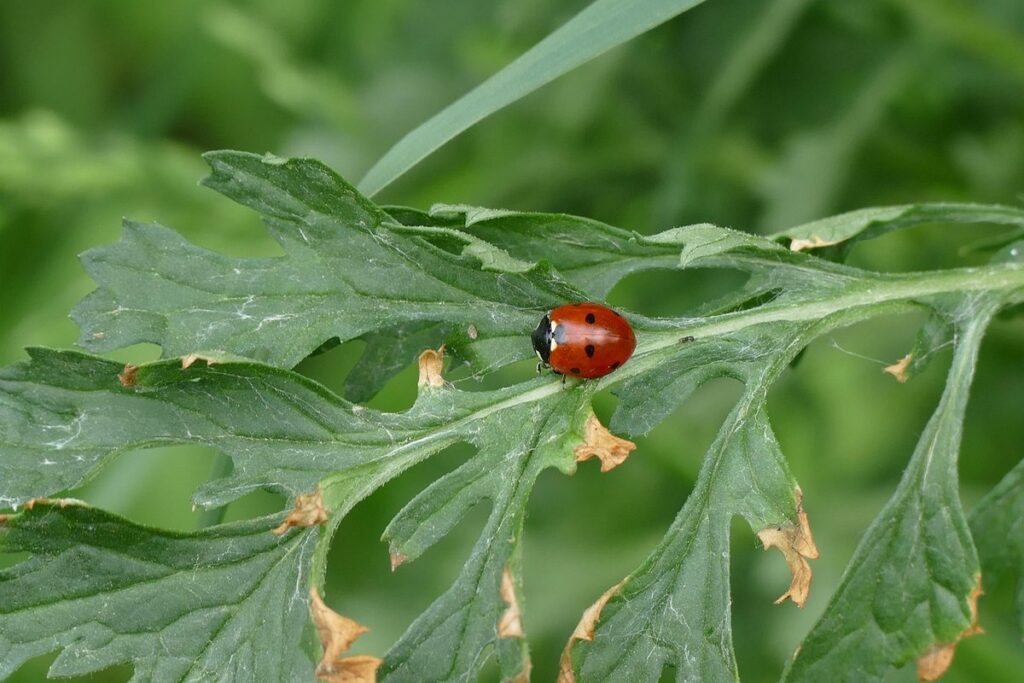
Ladybugs and lacewings are two of the most effective natural predators of aphids in the garden. These beneficial insects feed on aphid colonies, helping to control populations and prevent infestations. Ladybugs, also known as lady beetles or ladybird beetles, are voracious aphid-eaters, consuming up to 60 eggs and nymphs per hour. They can be released into the garden to control aphid outbreaks, but it’s essential to choose a species that is native to your area.
Lacewings, on the other hand, are gentle predators that feed on aphids, whiteflies, and other soft-bodied insects. Adult lacewings lay their eggs near aphid colonies, ensuring that their offspring have a steady food supply. The larvae of lacewings are particularly effective at controlling aphid populations, as they can consume up to 100 times their own body weight in aphids per day.
To attract these beneficial insects to your garden, plant nectar-rich flowers like marigolds and cosmos, which provide a source of food for adult ladybugs and lacewings. Also, consider introducing companion plants like dill and fennel, which repel pests that prey on these beneficial insects. By inviting ladybugs and lacewings into your garden, you can create a balanced ecosystem that relies on natural predators to control aphid populations.
Hoverflies and Parasitic Wasps: Tiny Heroes Against Aphids
Hoverflies and parasitic wasps are tiny heroes that patrol our gardens, preying on aphid populations with precision. These natural predators play a vital role in maintaining the balance of our ecosystems. Hoverflies, also known as flower flies, have iridescent wings and a distinctive hovering behavior as they search for nectar-rich flowers to lay their eggs near.
These eggs hatch into larvae that feed on aphids, often mimicking the appearance of the pests themselves. This camouflage allows them to move freely among the aphid colonies without arousing suspicion. Meanwhile, parasitic wasps inject their larvae directly into aphid bodies, where they continue to feed and grow. Some species of these wasps can target specific types of aphids, like the notorious green peach aphid.
To attract these beneficial insects to your garden, focus on incorporating a diverse array of flowers that provide nectar and pollen. Plant marigolds, lavender, or cosmos, which are known to be particularly attractive to hoverflies. Avoid using broad-spectrum pesticides, as they can harm these beneficial insects just as easily as the aphids themselves. By creating a welcoming environment for these tiny predators, you’ll be one step closer to maintaining a balanced and thriving garden ecosystem.
Beneficial Insects That Eat Aphids
If you’re looking for a natural way to control aphid populations, there are many beneficial insects that will happily eat them right up. These tiny predators are a gardener’s best friend!
Honeybees and Bumblebees: Unexpected Helpers in Aphid Control
When we think of aphid control, beneficial insects like ladybugs and lacewings often come to mind. However, honeybees and bumblebees play a significant role in managing aphid populations as well.
Honeybees (Apis mellifera) visit flowers in search of nectar, which they use to produce honey. In the process, they inadvertently collect and consume aphids along with their sweet, sticky secretions. This behavior is often referred to as “accidental pest control.” Research has shown that a single honeybee colony can consume up to 1-2 pounds of aphids per year.
Bumblebees (Bombus spp.) also contribute to aphid control through their feeding activities. As they forage for nectar and pollen, bumblebees collect and eat aphids, as well as their eggs and larvae. In a single day, a busy bumblebee colony can visit hundreds of flowers, consuming countless aphids in the process.
By cultivating a bee-friendly garden, you’re not only providing a source of food for these beneficial insects but also inadvertently creating an environment that discourages aphid populations from growing out of control. Consider incorporating nectar-rich flowers like lavender, coneflower, and zinnia into your garden to attract both honeybees and bumblebees and reap the rewards of their aphid-control services.
Ground Beetles and Spiders: Stealthy Hunters of Aphids
In addition to ladybugs and lacewings, ground beetles and spiders are stealthy hunters that play a significant role in controlling aphid populations in the garden. These beneficial insects use various hunting strategies to capture their prey, making them valuable allies in maintaining a balanced ecosystem.
Ground beetles, for instance, are nocturnal predators that emerge at night to feed on aphids and other soft-bodied insects. They have a voracious appetite and can consume massive quantities of aphids, often outcompeting ladybugs as the primary aphid predator in gardens. To encourage ground beetle populations, gardeners can provide sheltered habitats with leaf litter, stones, or logs that offer protection from predators.
Spiders, on the other hand, spin webs to ensnare aphids and other prey. Some species of spiders are specialized aphid hunters, using their silk threads to create intricate webs that trap aphids as they attempt to feed on plant sap. To promote spider populations in the garden, gardeners can avoid using broad-spectrum pesticides that harm these beneficial insects.
By welcoming ground beetles and spiders into your garden ecosystem, you’ll be supporting a more balanced and sustainable environment where natural predators help keep aphid populations under control.
Plant-Based Solutions for Controlling Aphid-Feeding Creatures
If you’re looking for a more natural approach to controlling aphids, consider incorporating plant-based solutions into your gardening routine. Companion planting is one effective method to keep these pests at bay.
Plants That Repel Aphids: A Natural Defense Mechanism
When it comes to managing aphid populations in your garden, using plants that repel aphids can be an effective and natural solution. Certain plants have been shown to deter aphids from feeding on them, making them a valuable addition to your garden’s defense mechanism.
Some of the most effective plants for repelling aphids include basil, mint, and calendula. These plants are known to release oils that repel aphids, helping to keep their populations under control. For example, basil contains compounds such as eugenol and linalool, which have been shown to be toxic to aphids.
To use these plants effectively, try incorporating them into your garden design or planting them near areas where aphids are most active. You can also consider making a homemade spray by steeping fresh leaves in water and then applying the solution to affected plants. This can help provide an extra layer of protection against aphid infestations.
By using plants that repel aphids, you can create a more balanced and healthy garden ecosystem without relying on chemical pesticides or other synthetic solutions.
Companion Planting: Using Certain Plants to Attract Aphid-Eaters
Companion planting is an age-old technique that leverages the natural relationships between plants to create a balanced ecosystem. By pairing certain plants together, you can attract beneficial insects that prey on aphids, reducing the need for pesticides and other chemicals. These beneficial insects, such as ladybugs, lacewings, and parasitic wasps, feed on aphid eggs, nymphs, and adults.
Some exemplary plant combinations include planting marigolds with tomatoes or basil, which attracts nematode-worming microscopic roundworms that prey on aphids. Similarly, pairing nasturtiums with roses will invite aphid-eating hoverflies to the party. The key is to choose plants with complementary growing requirements and growth habits.
To make the most of companion planting for aphid control, research the specific plant combinations suitable for your garden conditions and climate. Incorporate a mix of annuals and perennials into your garden design to create a diverse habitat that supports the beneficial insects you want to attract.
Human Intervention Methods for Controlling Aphid-Feeding Creatures
If you’ve tried other methods but still need help controlling aphids, there are some effective human intervention methods to try. These include using sticky traps and introducing beneficial insects.
Biological Control Methods: Using Intentionally Introduced Predators
Biological control methods offer a natural and targeted approach to managing aphid populations by introducing intentionally introduced predators that feed on them. This method can be particularly effective for small-scale gardens or greenhouses where chemical pesticides may not be feasible.
Some common predators used in biological control include lady beetles, lacewings, and parasitic wasps. These insects are typically harmless to humans and other beneficial garden creatures, making them an excellent choice for integrated pest management (IPM) strategies. Lady beetles, for instance, can consume up to 60 aphids per hour, while lacewings can devour hundreds of aphids in a single day.
To implement biological control methods effectively, it’s essential to choose the right predator species for your garden conditions and aphid population density. Research local suppliers or online vendors that specialize in beneficial insects and follow their guidelines for introducing new predators into your garden ecosystem. Introduce these natural enemies at the peak of the aphid population cycle, usually during the summer months, when they are most active.
Cultural Controls and Physical Barriers: Limiting Access for Aphid Feeders
When it comes to controlling aphid-feeding creatures, cultural controls and physical barriers are effective methods that can limit their access to plants. One of the simplest ways to prevent aphids from reaching your garden is by using fine mesh or row covers. These lightweight, breathable fabrics allow air and light to reach your plants while keeping pests at bay.
To set up a row cover, drape it over your plants, securing it with stakes or weights. This will create a physical barrier that prevents aphid-feeding creatures like lacewings and hoverflies from accessing your plants. For finer mesh, you can use fine netting to enclose individual plants or entire beds.
Some other cultural controls include pruning infested areas of the plant to prevent the spread of aphids, as well as removing weeds that may harbor pests. By combining these physical barriers with good gardening practices, you can reduce the risk of aphid infestations and create a more balanced ecosystem in your garden.
Conclusion
In conclusion, it’s clear that aphids have no shortage of predators in the garden. From ladybugs to lacewings, these beneficial insects are not only fascinating to watch but also play a crucial role in maintaining ecosystem balance. If you’ve been struggling with an aphid infestation, consider introducing some of these natural predators into your garden. You can encourage their presence by planting nectar-rich flowers or creating a bug hotel to provide shelter and habitat.
To truly appreciate the intricate relationships within your garden’s food chain, observe your plants and insects closely. Take note of which species are most attracted to aphid colonies and consider incorporating more diverse plant life into your garden design. By embracing these natural partnerships, you’ll not only reduce your reliance on pesticides but also foster a thriving, resilient ecosystem that will benefit from the delicate dance between predators and prey.
Frequently Asked Questions
How Can I Attract More Ladybugs to My Garden?
Attracting ladybugs to your garden can be as simple as planting nectar-rich flowers like marigolds, sunflowers, or zinnias, which provide a source of food and shelter for these beneficial insects. Additionally, maintain a diverse range of plants in your garden, including herbs and vegetables, to create an aphid-friendly environment that will attract ladybugs.
What If I Don’t Have Space for Companion Planting?
Companion planting can be adapted to any garden size, even small balconies or indoor pots. Choose compact varieties of aphid-repellent plants like basil, mint, or lemongrass, and plant them in a container next to your target plants.
Can I Use Biological Control Methods Indoors?
Yes, biological control methods can be used indoors by introducing beneficial insects like ladybugs, lacewings, or parasitic wasps into indoor greenhouses or large grow rooms. This method is particularly effective for controlling aphid populations on houseplants and small indoor gardens.
How Long Does it Take to See Results from Introducing Beneficial Insects?
Results from introducing beneficial insects can be seen within a few days to a week, depending on the species and environmental conditions. Monitor your garden closely after releasing beneficial insects, as they may take some time to adapt to their new environment and start feeding on aphids.
Are There Any Plants That Repel Aphids Without Attracting Other Pests?
Yes, there are plants like calendula, chives, and garlic that repel aphids without attracting other pests. These plants contain compounds that deter aphid feeding behavior without attracting beneficial insects or other pests.