
When you think about gardening, you likely consider the taste, nutrition, and environmental impact of your harvest. But have you ever stopped to think about where those seeds come from? Growing with heirloom seeds can make all the difference in achieving these goals. Heirloom seeds offer a unique flavor profile and higher nutritional content compared to hybrid or genetically modified varieties. By choosing heirloom seeds, you’re also supporting environmental sustainability by reducing your reliance on pesticides and preserving biodiversity. In this article, we’ll explore the benefits of growing with heirloom seeds and provide tips for getting started. Whether you’re a seasoned gardener or just starting out, discover why heirloom seeds are worth incorporating into your gardening practice.
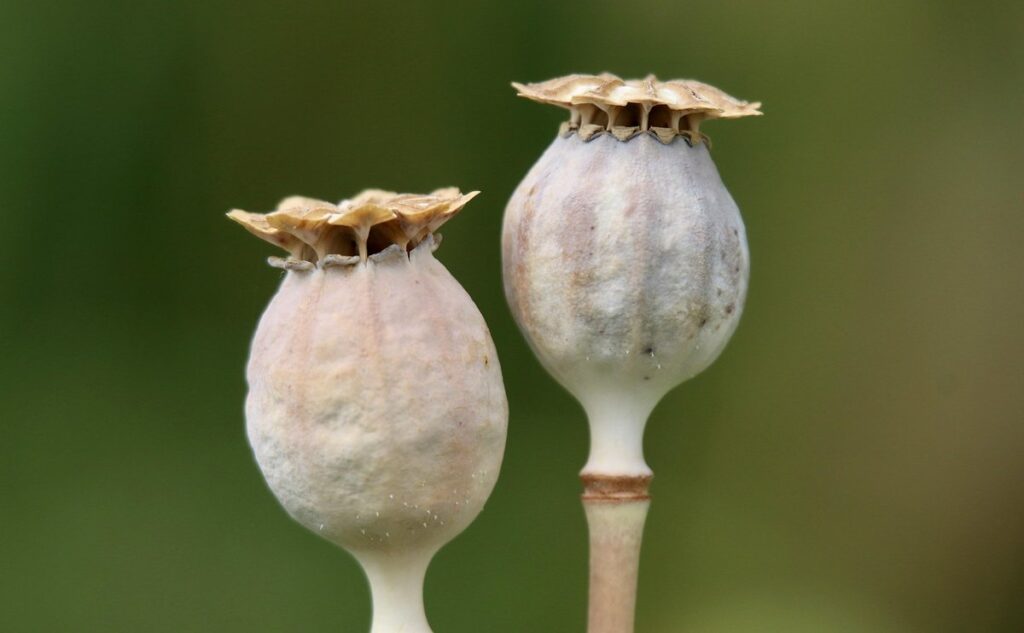
What Are Heirloom Seeds and How Do They Compare to Hybrid Seeds?
To truly understand why heirloom seeds are worth considering, let’s take a closer look at what sets them apart from hybrid varieties. We’ll explore their unique characteristics and benefits in more detail below.
Characteristics of Heirloom Seeds
Heirloom seeds are more than just a way to grow fruits and vegetables – they’re living pieces of history. These open-pollinated seeds have been saved and handed down through generations, making each one unique and special.
One of the most notable characteristics of heirloom seeds is their genetic diversity. Unlike hybrid seeds that are bred for specific traits, heirloom seeds come in a wide range of varieties with different shapes, sizes, colors, and tastes. For example, there are over 300 varieties of tomatoes alone! This diversity allows gardeners to experiment and find the perfect variety for their taste buds.
Heirloom seeds also have incredible adaptability. Unlike hybrid seeds that can be sensitive to weather conditions or soil quality, heirloom seeds have evolved to thrive in a wide range of environments. They’re often more resistant to pests and diseases, making them a great choice for gardeners who want to avoid using pesticides and other chemicals.
In addition, heirloom seeds are also incredibly resilient – some varieties can remain viable for up to 100 years or more! This means that once you’ve started growing with heirloom seeds, you’ll be able to save the seeds from your harvest and replant them year after year.
Advantages of Heirloom Seeds Over Hybrid Seeds
When it comes to choosing seeds for your garden, you have two main options: heirloom seeds and hybrid seeds. While hybrid seeds may offer some benefits, such as increased yields, they pale in comparison to the advantages of heirloom seeds. One of the biggest benefits of heirloom seeds is their superior flavor and texture. Unlike hybrid seeds, which can be bland and lacking in depth, heirloom seeds are known for their rich, complex flavors that are a result of their long history of natural selection.
Heirloom seeds also tend to have increased yields compared to hybrid seeds. This is because they have been bred over time to produce more fruit, rather than being engineered specifically for high yields. In addition, heirloom seeds often exhibit improved disease resistance, making them less susceptible to common garden pests and diseases. By choosing heirloom seeds, you’ll not only get a more flavorful harvest but also reduce your reliance on pesticides and other chemicals.
Incorporating heirloom seeds into your garden is easier than you think. Start by searching for varieties that are specifically bred for your region and climate. Then, begin by planting a small batch of heirloom seeds to see the difference for yourself.
History and Significance of Heirloom Seeds
Heirloom seeds have been passed down through generations, carrying stories of their ancestors’ struggles and triumphs. Let’s explore where these special seeds come from and what makes them so significant.
The Origins of Heirloom Seeds
Heirloom seeds have been around for thousands of years, dating back to the early days of farming. In traditional agriculture, farmers would save and replant seeds from their crops to ensure a consistent harvest, preserving crop diversity and promoting sustainable practices. This method allowed farmers to maintain control over their own seed stock, free from external pressures or market forces.
The importance of heirloom seeds lies in their ability to preserve the genetic makeup of a plant, which is often lost when hybrid varieties are introduced. By saving and replanting heirloom seeds, farmers can safeguard crop diversity and protect themselves against potential crop failures caused by factors like disease, pests, or climate change. This approach also promotes agrobiodiversity, supporting the health of ecosystems and local food systems.
For example, in many parts of Europe, it’s common for small-scale farmers to save seeds from their harvests, preserving traditional varieties that have been cultivated over generations. By adopting this practice, you too can contribute to the preservation of crop diversity and support sustainable agriculture. Start by saving seeds from your own garden or purchase heirloom seed packets from reputable suppliers.
Preserving Cultural Heritage Through Heirloom Seeds
Preserving cultural heritage through heirloom seeds is not only a matter of preserving biodiversity but also a way to honor our collective history and tradition. Heirloom varieties often carry the stories of their ancestors and the land they came from, making them an integral part of local cultures. By saving these seeds, we are essentially preserving a piece of ourselves.
When you grow heirloom vegetables or fruits, you’re not just cultivating a crop – you’re also keeping alive the memories, traditions, and recipes that come with it. For instance, the famous Cherokee Trail of Tears bean was passed down through generations of Native American farmers and is still grown today in small gardens across the United States.
By supporting local food systems through heirloom seeds, we’re not only getting a taste of our heritage but also contributing to the conservation of biodiversity. These unique varieties are adapted to specific climate conditions, making them resilient against pests and diseases that can devastate monoculture crops. So, how can you start preserving cultural heritage through heirloom seeds? Start by researching local seed libraries or online communities where you can find rare varieties suitable for your region. Then, begin by planting a few seeds in your backyard garden – not only will you be contributing to the preservation of our collective heritage but also enjoying delicious and unique flavors.
Benefits of Growing with Heirloom Seeds
Growing heirloom seeds can bring numerous rewards, from the unique flavors and textures they add to your harvests to the preservation of traditional varieties that might otherwise be lost. Let’s explore some of these benefits in more detail.
Improved Flavor and Nutrition
When you grow with heirloom seeds, you can expect a noticeable difference in flavor and nutrition compared to hybrid varieties. One of the most significant advantages is the unique flavor profile that each heirloom variety offers. For instance, an heirloom tomato will have a rich, complex taste that’s often described as sweeter and more intense than its hybrid counterpart.
In terms of nutrition, heirloom seeds are packed with higher levels of antioxidants, vitamins, and minerals. This is due to the fact that they haven’t been bred for disease resistance or other traits that can compromise their nutritional content. By growing heirlooms, you’ll get a crop that’s bursting with flavor and goodness.
To make the most of your heirloom harvest, try incorporating them into your meals in creative ways. For example, use cherry tomatoes as a topping for salads or pasta dishes, while slicing larger varieties thinly to add to sandwiches or wraps. Experimenting with different cooking methods can also bring out the best flavors in your heirloom produce.
When shopping for heirloom seeds, look for varieties that are specifically labeled as “open-pollinated” or “non-hybrid.” This ensures that you’re getting authentic heirloom stock that will yield delicious and nutritious crops year after year. By making this simple switch, you’ll be rewarded with a more flavorful and nutritious harvest that’s sure to impress your family and friends.
Increased Yields and Reduced Pesticide Use
When you grow with heirloom seeds, you can expect to see two significant benefits: increased yields and reduced pesticide use. This is because heirloom seeds are often bred to thrive in specific conditions, allowing them to adapt and flourish in a wide range of environments.
One of the primary reasons heirloom seeds lead to increased yields is that they’re better suited to their local climate and soil types. As a result, they require less maintenance and care, freeing you up to focus on other aspects of your garden. For example, if you live in an area with hot summers and cold winters, heirloom seeds like tomatoes and peppers will be more resilient and productive than hybrid varieties.
By growing with heirloom seeds, you’ll also reduce your reliance on pesticides. Since these seeds are designed to thrive in specific conditions, they’re less susceptible to pests and diseases. This means you can skip the chemical treatments and instead focus on natural methods of pest control, like companion planting and crop rotation. With a little practice and patience, you’ll be amazed at how much more productive your garden becomes without relying on harsh chemicals.
Environmental Benefits of Heirloom Seeds
Heirloom seeds offer a unique opportunity for gardeners to not only preserve biodiversity but also reduce their environmental footprint through sustainable gardening practices. Let’s explore how they contribute to a healthier planet.
Biodiversity and Genetic Diversity
When you plant heirloom seeds, you’re not just growing a crop – you’re also preserving a piece of history and contributing to a more resilient food system. Heirloom varieties are the result of centuries-long breeding processes that have honed their unique characteristics, making them incredibly diverse.
This biodiversity is crucial for maintaining genetic diversity in crops. When you rely on a small pool of hybrid or genetically modified seeds, you’re essentially playing with fire – one disease or pest can wipe out an entire crop, leaving you vulnerable to food shortages and economic losses. Heirloom seeds, on the other hand, offer a safeguard against such disasters.
Think of it like this: when you save heirloom seed varieties, you’re not just saving a specific type of tomato – you’re preserving the genetic material that makes it unique. This is particularly important for regions where agricultural production is threatened by climate change or other environmental factors. By maintaining and using heirloom seeds, farmers can reduce their reliance on external inputs and cultivate crops that are better adapted to local conditions.
In fact, research has shown that crop diversity can increase yields by up to 20% compared to monoculture farming. This is because diverse ecosystems tend to have more robust nutrient cycles, improved soil health, and a reduced risk of pests and diseases. By choosing heirloom seeds for your garden or farm, you’re not only growing delicious produce – you’re also investing in the long-term health of our planet.
Reduced Dependence on Industrial Agriculture
Growing your own heirloom seeds can have a significant impact on reducing our dependence on industrial agriculture. This is because heirloom seeds promote biodiversity and allow for diverse farming practices, unlike the large-scale, monoculture-based systems used by industrial agriculture.
By growing heirloom varieties, you’re not only supporting more sustainable farming methods but also helping to preserve genetic diversity. This is crucial in maintaining crop resilience and adaptability in the face of climate change. In contrast, industrial agriculture relies on a limited number of hybrid or genetically modified seed varieties, making them more vulnerable to disease and environmental stress.
One way to make the switch is by starting your own heirloom garden. Begin by selecting a few easy-to-grow varieties and gradually expand your collection. Join online communities or local gardening groups to learn from experienced growers and gain valuable insights into heirloom care and management. By doing so, you’ll not only be reducing your reliance on industrial agriculture but also contributing to the preservation of our planet’s natural resources.
Tips for Growing with Heirloom Seeds
When growing with heirloom seeds, it’s essential to keep in mind a few key tips that’ll help you succeed. Let’s dive into some expert advice on nurturing these unique varieties.
Choosing the Right Variety for Your Climate
When growing with heirloom seeds, it’s essential to choose varieties that thrive in your specific climate and growing conditions. This ensures a bountiful harvest and minimizes the risk of crop failure.
Start by considering the temperature requirements for your chosen heirloom variety. Some plants, like tomatoes, are sensitive to frost and require warm temperatures to grow. Others, such as broccoli, can tolerate cooler temps and even some light frosts. Check the seed packet or consult with a local gardening expert to determine the ideal growing conditions for each variety.
Additionally, think about your region’s average rainfall and moisture levels. Some heirloom varieties are bred to be drought-tolerant, while others require consistent watering. By matching your plant selection to your climate and water availability, you’ll set yourself up for success.
For example, if you live in a hot and dry climate like California or Arizona, look for heirloom varieties that are specifically adapted to these conditions. In contrast, if you’re growing in the Pacific Northwest with high rainfall, choose plants that prefer moist soil but can handle some shade.
Saving and Storing Heirloom Seeds
Saving and storing heirloom seeds is an essential part of preserving their unique characteristics for future generations. Proper handling and storage techniques can help maintain seed viability and ensure they remain healthy and productive.
To begin with, it’s crucial to dry the seeds thoroughly after harvesting. This involves spreading them out in a single layer on paper towels or newspaper, allowing air circulation around each seed. The drying process usually takes 1-2 weeks, depending on humidity levels.
Once dry, clean the seeds of any debris using a fine-mesh sieve or by gently blowing away loose particles. Store the cleaned seeds in an airtight container filled with silica gel packets to maintain moisture-free conditions.
Label and date each container, ensuring you can track the seed’s origin and age. Store containers in a cool, dark place, such as a cupboard or drawer. This will help preserve seed viability for up to 5 years or more.
In addition to these basic steps, consider implementing further preservation methods like vacuum sealing or using desiccants specifically designed for seed storage. By doing so, you’ll be able to save and store heirloom seeds effectively, safeguarding their genetic integrity for generations to come.
Some gardeners also freeze seeds as an alternative storage method. Place the cleaned seeds in airtight containers or freezer bags filled with silica gel packets, seal them tightly, and label accordingly. This approach allows for longer-term preservation while maintaining seed viability.
Overcoming Challenges in Growing with Heirloom Seeds
Growing heirloom seeds can come with its own set of challenges, but don’t let those obstacles stop you from experiencing their unique benefits. Here’s how to overcome some common hurdles.
Common Obstacles and Solutions
Growing with heirloom seeds can be more challenging than working with hybrid varieties. One of the most common obstacles is that heirlooms often have lower germination rates due to their unique genetic makeup. This means you may need to sow multiple seeds for every one that sprouts, which can be frustrating and wasteful.
Another challenge is that heirloom seeds are more susceptible to disease and pests. Without the built-in resistance of hybrids, your crop may require extra care and attention to stay healthy. However, this doesn’t mean you’re doomed to fail! By choosing varieties specifically bred for heirloom gardens, you can mitigate some of these risks.
To overcome the challenges associated with heirlooms, consider starting seeds indoors under controlled conditions or using a greenhouse. This will give your seedlings a head start on disease and pests. Additionally, be prepared to adapt to changing weather conditions – a key aspect of growing with heirloom seeds is being flexible and responsive to nature’s whims.
By understanding these potential pitfalls, you can better prepare yourself for the rewards that come with growing with heirlooms. With patience, persistence, and the right techniques, you’ll be on your way to enjoying the unique flavors, textures, and beauty of heirloom crops.
Building a Community of Support Around Heirloom Seed Growing
As you embark on growing with heirloom seeds, it’s essential to remember that you’re not alone. Building a community of support around this endeavor can be incredibly beneficial in overcoming the unique challenges associated with heirloom seed cultivation.
One of the best ways to connect with other growers is through online forums and social media groups dedicated to heirloom gardening. These platforms allow you to share knowledge, ask questions, and learn from others who have successfully navigated similar challenges. For example, the Seed Savers Exchange, a non-profit organization focused on preserving heirloom varieties, has an active community forum where members can share tips and advice.
To further expand your network, consider attending local seed swaps or workshops, which are often organized by gardening clubs or community organizations. These events provide opportunities to meet fellow growers face-to-face and gain hands-on experience with different techniques and tools.
In addition to networking, building relationships with experienced growers can be a valuable resource for accessing expertise. Reach out to local gardening experts, extension agents, or master gardeners in your area who may offer guidance on specific challenges you’re facing.
Conclusion: Embracing the Benefits of Heirloom Seeds
Now that you’ve learned about the advantages of using heirloom seeds, it’s time to talk about how you can make them a part of your gardening routine. Let’s explore some final considerations for embracing this sustainable approach.
Recap of Key Takeaways
In conclusion to our exploration of the benefits of heirloom seeds, let’s recap the key takeaways. By choosing heirloom seeds, you can expect a significant improvement in flavor and nutrition. These seeds have been preserved for generations, often being passed down through family lines or community gardens, ensuring that they retain their original characteristics.
Heirloom seeds also offer environmental sustainability benefits. Since they are not genetically modified, they promote biodiversity and support ecosystem health. This is in stark contrast to hybrid or GM seeds that can disrupt the natural balance of ecosystems. By using heirloom seeds, you’re contributing to a more sustainable food system.
To make the most of heirloom seeds, it’s essential to start by selecting varieties that are well-suited to your climate and growing conditions. You should also be prepared to sow multiple times, as heirlooms often have a higher germination rate than hybrids. With proper care and handling, you can enjoy a bountiful harvest of flavorful and nutritious produce while supporting the preservation of this valuable seed heritage.
Encouragement to Start Growing with Heirloom Seeds Today
Now that you’ve learned about the numerous benefits of heirloom seeds, it’s time to take the next step and start growing with them today! Not only will you be preserving a piece of history, but you’ll also be cultivating a more sustainable future for yourself and your family.
To begin, visit your local nursery or seed library to explore the vast selection of heirloom varieties available. You can also order online from reputable seed banks or join a community garden in your area that’s already thriving with heirlooms. Don’t be overwhelmed by the choices – start small by selecting a few easy-to-grow varieties like tomatoes, zucchini, or carrots.
As you embark on this journey, remember to save and store seeds from your harvests to continue growing them year after year. This will not only ensure continued crop diversity but also create a sense of accomplishment and connection with the land. So why wait? Start sowing those heirloom seeds today and experience the rewards for yourself!
Frequently Asked Questions
Can I grow heirloom seeds indoors if I don’t have an outdoor garden space?
Yes, you can definitely grow heirloom seeds indoors. In fact, many varieties thrive in containers or indoor gardens with proper lighting and care. Choose a sunny windowsill or invest in grow lights to provide the necessary light for your plants.
How do I know which heirloom seed variety is best suited for my climate?
Heirloom seeds can be grown in a wide range of climates, but some varieties are more adaptable than others. Research the specific climate requirements for each variety you’re interested in growing and choose those that are suitable for your region.
What’s the difference between saving and storing heirloom seeds? Do I need to do both?
Saving heirloom seeds involves harvesting seeds from your own plants for replanting next season, while storing them ensures their long-term viability. It’s essential to store seeds properly in a cool, dry place to preserve their quality.
Can I use hybrid seeds as a backup if my heirloom seeds don’t germinate or produce well?
Yes, you can definitely have some hybrid seeds on hand for backup purposes. However, keep in mind that relying too heavily on hybrids may compromise the genetic diversity and environmental benefits associated with heirloom varieties.
How do I handle common pests and diseases when growing with heirloom seeds?
Common pests like aphids and slugs, as well as diseases like powdery mildew, can affect heirloom plants just like any others. Use organic or integrated pest management (IPM) techniques to control infestations and prevent the spread of disease, preserving the health and biodiversity of your garden.