
Heirloom seeds and plants have been a treasure for gardeners and cooks alike, but do you know what makes them so special? These unique varieties are more than just a pretty face or a taste sensation – they’re also a crucial part of preserving biodiversity. By saving and propagating heirloom seeds, you’re helping to keep the genetic diversity of crops alive and thriving.
But why is this important? With the rise of monoculture farming and hybridized crops, many traditional varieties are in danger of being lost forever. That’s where heirloom seeds come in – they offer a chance for gardeners to grow unique, flavorful, and resilient plants that are better suited to their local climate and soil conditions. In this article, we’ll explore the history, significance, and benefits of heirloom seeds and plants, including how to save and propagate them for a healthier, more sustainable harvest.
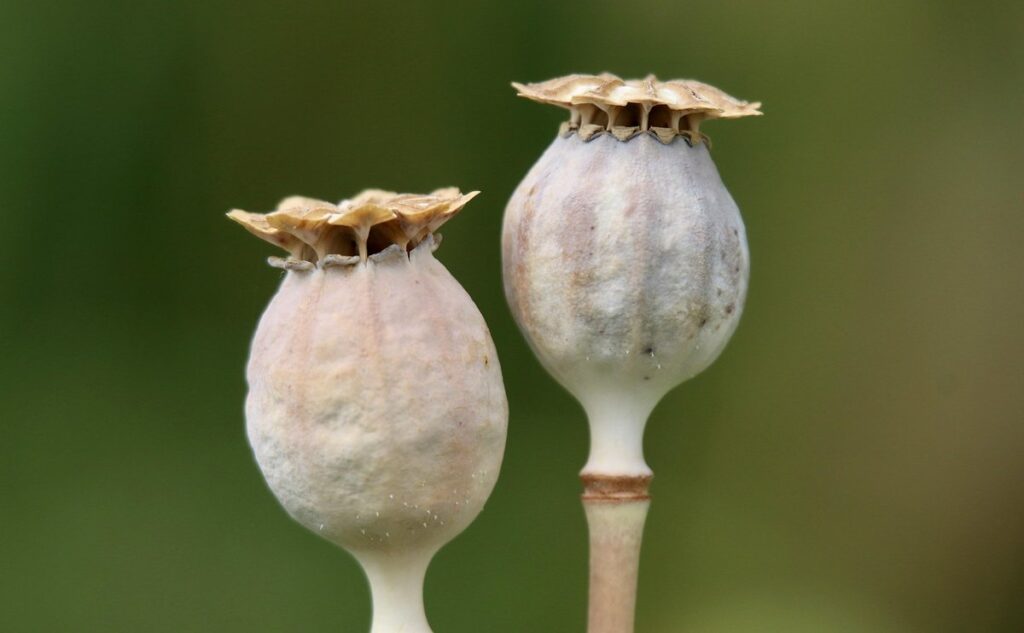
The History and Significance of Heirloom Seeds
Heirloom seeds and plants are more than just a way to grow your own food, they’re also a connection to our shared past and a key part of preserving biodiversity. This section explores their fascinating history.
Origins of Heirloom Varieties
The origins of heirloom varieties date back to the early days of agriculture when humans first began cultivating crops. As people settled and formed communities, they selectively bred plants with desirable traits such as flavor, texture, and disease resistance. This process, known as artificial selection, allowed farmers to create unique and tailored crop varieties that suited their specific needs.
Seed saving was a crucial aspect of early agriculture, as it enabled farmers to reproduce the same crops year after year. By collecting seeds from the best performing plants, farmers were able to preserve the genetic diversity of their crops and adapt them to changing environmental conditions. This practice not only helped ensure food security but also contributed to the development of diverse crop populations.
Over time, heirloom varieties became an integral part of agricultural heritage, with each region developing its unique set of cultivars. By preserving these traditional varieties, farmers can maintain a vital link to their cultural past and safeguard the long-term health of their crops.
The Importance of Biodiversity in Seed Preservation
Maintaining genetic diversity is crucial for the long-term survival of plant species. When crops are grown using heirloom seeds, farmers preserve a wide range of unique and rare varieties that have evolved over time to thrive in specific environments. This biodiversity ensures that plants can adapt to changing conditions, such as shifting weather patterns or emerging pests.
On the other hand, monoculture farming – where only one crop is planted on a large scale – poses significant risks. When most crops share similar genetic traits, they become more vulnerable to diseases and pests. For instance, the Irish potato famine of the 19th century was caused by the widespread cultivation of a single, susceptible variety.
To preserve biodiversity through heirloom seeds, gardeners can start by collecting and saving seeds from their own gardens or local farmers’ markets. They can also join seed exchange programs or participate in community-supported agriculture initiatives that promote diverse crop varieties. By doing so, individuals contribute to the preservation of rare plant species and help ensure the resilience of future food systems.
Characteristics of Heirloom Seeds and Plants
Heirloom seeds and plants are defined by their unique characteristics, including exceptional flavor, vibrant colors, and adaptations to specific climates and soil types. Let’s take a closer look at what sets them apart.
Unique Traits and Features
Heirloom seeds and plants are known for their unique traits and features that set them apart from hybrid and genetically modified varieties. One of the most notable characteristics is their adaptability to different growing conditions. Heirloom plants can thrive in a range of environments, from full sun to partial shade, and in various soil types. This adaptability makes them ideal for gardeners who want to grow plants that can handle changing weather patterns or have limited space.
In terms of flavor and texture, heirloom varieties often offer more complex and nuanced characteristics than their hybrid counterparts. For example, the Brandywine tomato is renowned for its rich, tangy flavor and velvety texture, while the Black Krim lettuce boasts a sweet, earthy taste with a delicate crunch. These unique traits are a result of the natural selection process that occurs over time as farmers save seeds from their best-performing plants.
Some popular heirloom varieties include the Cherokee Purple tomato, the Romanesco broccoli, and the Hugless okra. When selecting an heirloom variety, consider the specific growing conditions in your area and choose a plant that is well-suited to those conditions. This will ensure optimal growth and flavor. By incorporating these unique traits into your garden, you can enjoy a more diverse and flavorful harvest.
Disease Resistance and Hardiness
One of the most valuable characteristics of heirloom seeds and plants is their natural disease resistance and hardiness. This means that they are better equipped to fend off pests and diseases without the need for chemicals or artificial interventions. As a result, heirloom varieties can be grown with minimal external inputs, making them an attractive option for sustainable farming practices.
In fact, studies have shown that heirloom crops often exhibit higher levels of disease resistance than their hybrid counterparts. This is because they have been developed over centuries through a process of selective breeding and adaptation to local conditions, resulting in plants that are well-suited to their environment. For example, the “Rouge d’Hiver” lettuce variety has natural resistance to downy mildew, a common fungal disease that can devastate lettuce crops.
When growing heirloom seeds and plants, you can take advantage of their hardiness by adopting simple techniques such as crop rotation, composting, and biological pest control. By doing so, you’ll be creating a balanced ecosystem that minimizes the need for external inputs while promoting soil health and biodiversity.
Benefits of Growing Heirloom Seeds
Growing heirloom seeds offers a multitude of benefits, from unique flavors and textures to better nutrition and lower costs. Let’s explore these advantages up close.
Flavor and Nutrition
When it comes to flavor and nutrition, heirloom seeds truly shine. Research has consistently shown that produce grown from heirloom seeds contains higher levels of antioxidants, vitamins, and minerals compared to its hybrid counterparts. A study published in the Journal of Food Science found that heirloom tomatoes had 2.5 times more lycopene than commercially grown ones, a powerful antioxidant linked to reduced cancer risk.
But it’s not just about the nutrient density – the flavor is also unparalleled. Heirloom varieties have been carefully selected over centuries for their unique taste profiles, often described as sweeter, more complex, and full-bodied. Imagine biting into a juicy, warm-season tomato that’s bursting with heirloom flavor, or savoring the rich, slightly sweet taste of an heirloom carrot.
To experience this difference for yourself, try growing a few heirloom varieties in your garden. Not only will you be supporting biodiversity and preserving genetic heritage, but you’ll also have access to some of the most delicious produce on the planet.
Cost-Effective and Environmentally Friendly
Growing heirloom seeds can be an incredibly cost-effective way to garden. One of the main benefits is that you don’t need to purchase expensive hybrid or genetically modified seeds every year. Heirloom seeds, on the other hand, can be saved and replanted from one season to the next, reducing your annual seed costs significantly.
In addition to saving money, growing heirloom seeds is also a more environmentally friendly option. These plants are bred to thrive in their natural environments with minimal external support, which means they require fewer pesticides and fertilizers. This not only saves you money on chemical purchases but also reduces the risk of water pollution and soil degradation.
Another significant advantage of heirloom seeds is their lower water requirements. Many heirloom varieties have adapted to survive with limited watering, making them perfect for gardeners living in areas with droughts or water restrictions. For example, the ‘Brandywine’ tomato plant is known to produce an abundance of fruit even when watered sparingly.
By choosing to grow heirloom seeds, you’re not only saving money but also doing your part for the environment.
Saving and Propagating Heirloom Seeds
To successfully save and propagate heirloom seeds, you need to understand how to harvest, dry, and store them properly for future planting. Let’s dive into the process step by step.
Seed Selection and Harvesting
When it comes to saving and propagating heirloom seeds, selecting the right varieties is crucial. Look for plants that are specifically labeled as “heirloom” or “open-pollinated,” meaning they can be saved and replanted without losing their unique characteristics. Consider factors like climate, soil type, and growth habits when choosing varieties that will thrive in your specific garden conditions.
For seed harvesting, wait until the plant has matured and the seeds are fully ripe. Gently remove the seed pods or dry seed heads from the plant, taking care not to damage the delicate contents within. For seeds with a fleshy coating, like tomatoes or peppers, gently scrape off the pulp to reveal the seeds underneath.
Proper drying and storage techniques are essential for maintaining seed viability. Tie the seed-filled pod in small bunches and hang them upside down in a dry, cool place. Alternatively, you can spread the seeds out on paper bags or parchment paper to air-dry. Store your saved seeds in airtight containers, such as glass jars or envelopes, labeling each one with the variety name and date harvested.
Plant Breeding and Cross-Pollination
Plant breeding and cross-pollination are crucial processes that ensure the long-term health and diversity of heirloom varieties. When left to natural pollination, plants can interbreed with their closest relatives, leading to genetic uniformity and a loss of unique characteristics. To combat this, many farmers and gardeners engage in controlled cross-pollination, carefully selecting specific traits to preserve.
For instance, the process of selective breeding allows breeders to identify desirable traits such as increased yield, disease resistance, or improved flavor profiles. By deliberately crossing two plants with complementary qualities, they can create new offspring that combine the best features of each parent. This method not only enhances crop resilience but also preserves heirloom varieties for future generations.
To try cross-pollination yourself, simply place a small brush gently against the anthers (the pollen-producing parts) of one plant and then transfer it to the stigma (receptive part) of another. Repeat this process several times over the blooming period, taking care not to damage the delicate flower structures. With regular practice, you can increase genetic diversity in your heirloom garden and ensure a vibrant future for these unique varieties.
Challenging Modern Agricultural Practices
Heirloom seeds and plants are a crucial part of sustainable agriculture, but they also come with some challenges to modern farming methods. We’ll explore these challenges in more depth below.
The Dominance of Hybrid and GM Seeds
The widespread adoption of hybrid and genetically modified (GM) seeds has significantly altered modern agricultural practices. As industrial agriculture has become more dominant, traditional farming methods have been pushed aside. This shift has had far-reaching consequences for biodiversity.
Many large-scale farmers rely on GM seeds because they offer increased yields and resistance to pests and diseases. However, these benefits come with a cost: the loss of genetic diversity in crops. When only one or two varieties are used, it creates a vulnerability to crop failure if something goes wrong.
In contrast, heirloom seeds preserve this genetic diversity by saving traditional crop varieties. By choosing heirloom seeds, farmers can maintain their connection to local agricultural traditions and contribute to a more sustainable food system.
To make the switch to heirloom seeds, start by researching which varieties are suitable for your region and climate. Consider visiting local farmers’ markets or seed libraries to explore available options. By choosing heirloom seeds, you’re helping to safeguard biodiversity and promote a healthier relationship between farmers, their land, and their communities.
Preserving Heirloom Seed Diversity
Preserving heirloom seed diversity is crucial for maintaining the rich genetic pool of our plant ancestors. With the rise of industrial agriculture, many heirloom varieties have fallen out of favor, leaving behind a reduced gene pool that makes crops more vulnerable to disease and pests.
To combat this issue, organizations like the Seed Savers Exchange and the Svalbard Global Seed Vault serve as seed banks, safeguarding thousands of heirloom varieties. These collections not only provide a safe haven for rare seeds but also offer researchers valuable genetic material for crop improvement.
Community-supported agriculture (CSA) programs play a vital role in preserving heirloom diversity by connecting consumers directly with local farmers who cultivate these unique varieties. This model encourages the growth and sale of heirlooms, fostering their continued cultivation.
You can contribute to this effort by joining or starting a community garden in your area, where you can share seeds and knowledge with fellow gardeners. By supporting local agriculture and advocating for policies that protect heirloom diversity, we can ensure these precious genetic resources are preserved for future generations.
Growing Your Own Heirloom Garden
Now that you know what heirloom seeds and plants are, let’s talk about how to cultivate them in your own garden through careful selection and nurturing of unique varieties.
Choosing the Right Variety
When selecting an heirloom variety for your garden, it’s essential to consider several factors to ensure success. The first step is to evaluate your climate and soil type. Heirloom plants have adapted to thrive in specific conditions over centuries, so it’s crucial to choose varieties that match your local environment.
For example, if you live in a region with short growing seasons, look for heirlooms with mature days between 60-90 days. On the other hand, if you’re in a warmer climate, opt for plants that thrive in high temperatures and humidity levels.
Next, consider the amount of available space in your garden. Heirloom plants come in varying sizes, from compact varieties like ‘Thumbelina’ tomatoes to sprawling vining peas. Make sure to choose a plant that fits comfortably within your allocated space.
Additionally, think about the flavor profile and texture you prefer. Heirlooms offer a vast array of characteristics, so it’s essential to research and select plants that align with your personal taste preferences. By carefully evaluating these factors, you’ll be well on your way to creating a thriving heirloom garden that yields delicious results.
Tips for Successful Seed Starting
When starting seeds for your heirloom garden, it’s essential to use techniques that promote successful germination and growth. One of the most critical factors is providing optimal growing conditions. Make sure your seed-starting mix is well-draining and has a pH between 6.0 and 7.0.
To ensure even moisture and prevent overwatering, cover the seeds with a clear plastic dome or cloche. This will also help to maintain humidity and regulate temperature fluctuations. Keep the soil consistently moist but not waterlogged – check on it daily, especially during warmer months.
Another crucial aspect is providing adequate light. Most seedlings require 12-14 hours of indirect light per day. If you’re starting seeds indoors, consider using grow lights or placing them near a sunny windowsill. Be cautious not to overexpose your seedlings to direct sunlight, which can cause scorching.
When transferring seedlings to larger pots or directly into the garden, handle them gently to avoid damaging their roots. Harden off your seedlings by gradually exposing them to outdoor conditions over 7-10 days before transplanting.
Keep in mind that different heirloom varieties have unique germination and growth requirements. Research specific needs for your chosen plants to ensure optimal results.
Conclusion: The Future of Heirloom Seeds
As we come to a close, let’s take a look at what the future holds for these precious seeds and plants that have captured our hearts.
Embracing Sustainable Agriculture Practices
As we conclude our journey through the world of heirloom seeds and plants, it’s essential to discuss the significance of embracing sustainable agriculture practices. By doing so, you’ll not only be preserving biodiversity but also contributing to a healthier environment and supporting local food systems.
One of the primary benefits of using heirloom seeds is that they promote genetic diversity. In contrast to hybrid or GMO seeds, heirlooms are open-pollinated, meaning their genetic material can be saved and used for future generations. This not only preserves the unique characteristics of each variety but also allows farmers to adapt to changing environmental conditions.
Sustainable agriculture practices using heirloom seeds also prioritize environmental stewardship. By growing diverse crops, you’ll attract a wider range of beneficial insects and microorganisms, which in turn maintain soil health and fertility. Moreover, heirlooms are often more resistant to pests and diseases, reducing the need for chemical pesticides and fertilizers.
To integrate sustainable agriculture practices into your garden or farm, consider the following tips:
* Start by selecting a diverse range of heirloom varieties that thrive in your local climate.
* Incorporate cover crops to enhance soil fertility and structure.
* Implement crop rotation to maintain soil health and prevent pests and diseases from building up.
* Use natural pest control methods such as introducing beneficial insects or practicing integrated pest management.
By embracing sustainable agriculture practices using heirloom seeds, you’ll not only be preserving a piece of history but also contributing to a more resilient food system. Not only that, you’ll also enjoy the unique flavors and textures that come with growing non-hybrid varieties. As we move forward in our understanding of the importance of heirloom seeds, it’s crucial to prioritize environmental stewardship and preserve biodiversity for future generations.
Frequently Asked Questions
How do I know if the heirloom seeds I’ve saved are viable?
To ensure your saved seeds remain viable, store them in a cool, dry place with minimal exposure to light. Check for moisture, mold, or pests regularly and replace old or compromised seeds every few years.
What’s the best way to propagate heirloom plants from cuttings versus seeds?
Both methods can be successful, but propagation by cutting is often faster and more reliable for sensitive varieties. Take 4-6 inch stem cuttings with at least two nodes, remove lower leaves, and plant in well-draining soil. Seed propagation requires careful selection of healthy, disease-free seedlings.
Can I grow heirloom seeds in containers or do they require a full garden bed?
Heirloom seeds can thrive in both container gardens and traditional beds. Choose varieties suitable for your chosen growing method and ensure the container has adequate drainage to prevent waterlogged soil.
What’s the difference between saving heirloom seed from an individual plant versus collecting from multiple sources?
Saving seed from a single plant maintains genetic integrity, while collecting from multiple sources increases diversity but may introduce variability. Consider both approaches depending on your goals: preserving a specific variety or enhancing biodiversity.
How do I protect my heirloom seeds and plants from disease and pests in the long term?
Implement integrated pest management (IPM) strategies combining physical barriers, crop rotation, and organic controls to minimize chemical use. Monitor for signs of disease and pests regularly, taking swift action when issues arise to prevent damage.