
If you’ve ever stepped out into your backyard to admire your lush green lawn, only to be greeted by a sea of purple flowers that seem to appear out of nowhere, then you’re not alone. Weeds with beautiful purple blooms can quickly take over our lawns, leaving us wondering how to get rid of them without harming the grass we love. Not only are these unwanted visitors unsightly, but they can also spread and choke out your lawn’s native plants. In this article, we’ll explore how to identify common purple-flowering weeds that are commonly found in lawns, discuss effective prevention methods to keep them from growing back, and provide tips on using both chemical and organic weed killers to control their growth without damaging your grass.
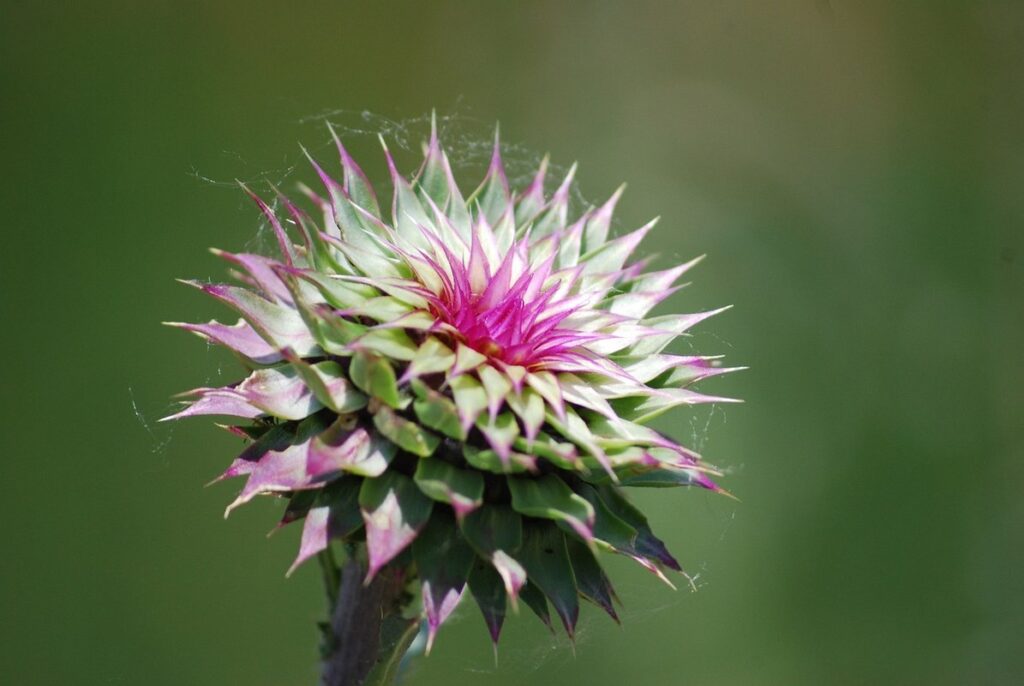
Common Types of Purple-Flowering Weeds
You’ll find a variety of unwanted weeds with beautiful purple flowers in your lawn, and knowing their types is key to effective control. Let’s take a closer look at some common culprits.
1. Lavender Weed (Lippia nodiflora)
Lavender weed (Lippia nodiflora) is a common type of purple-flowering weed found in many lawns. This perennial weed has a distinctive appearance that makes it easy to identify. Its leaves are narrow and pointed, growing up to 2 inches long, with a soft downy texture. The stems are slender and delicate, often rooting at the nodes as they spread. The lavender weed’s most notable feature is its small purple flowers, which bloom in clusters at the ends of branches. These flowers are typically around 1/4 inch in diameter and have a sweet, slightly minty fragrance.
Lavender weed thrives in moist areas with partial shade to full sun. It often grows near ponds, lakes, or streams, as well as in low-lying areas where water tends to collect. This preference for wet environments makes it particularly common in lawns with poor drainage. To prevent lavender weed from taking over your lawn, focus on improving drainage and reducing moisture levels. You can also try manually removing the weeds, making sure to remove the entire root system to prevent regrowth.
2. Purple Coneflower Weed (Echinacea purpurea)
Purple coneflower weed (Echinacea purpurea) is a perennial plant that can quickly spread and become invasive in lawns. It has large, showy purple flowers with prominent cone-shaped centers, typically blooming from mid-summer to early fall. The plant grows up to 2-4 feet tall, with rough, hairy stems and leaves that are often a deep green color.
If left unchecked, purple coneflower weed can form dense colonies and crowd out desirable plants in the lawn. Its seeds can also spread through water, soil, or animal movement, making it difficult to eradicate once established. In terms of growth patterns, this weed prefers well-drained soil and full sun to partial shade conditions.
To prevent the spread of purple coneflower weed in your lawn, focus on maintaining a healthy, dense turf with proper mowing, watering, and fertilization practices. Regularly remove weeds before they produce seeds, and consider using physical barriers or mulch to suppress their growth.
3. Wild Indigo (Baptisia tinctoria)
Wild indigo (Baptisia tinctoria) is a perennial weed with a rich history as a natural dye plant. Its deep purple flowers are one of its most distinctive features, and they bloom from late spring to early summer. The plant grows up to 3 feet tall, with compound leaves that resemble those of the pea family. Wild indigo’s roots contain a pigment called indican, which is used to create a range of colors, from blue to purple.
If you’re looking to identify wild indigo in your lawn, look for its distinctive flowers and leaves. It typically grows in well-drained soils and full sun to partial shade. To prevent wild indigo from taking over your lawn, consider removing it before it sets seed. This can be done by hand-pulling or using a systemic herbicide. If you’re interested in cultivating wild indigo for its natural dye properties, ensure that the soil is well-drained and provide it with plenty of sunlight.
Wild indigo’s uses as a natural dye plant date back to ancient civilizations. Today, it remains a popular choice among crafters and artisans due to its rich colors and sustainable production methods.
How to Identify Weeds with Purple Flowers
Identifying weeds with purple flowers can be a challenge, but we’re here to guide you through the process with some key characteristics and differences to look out for. Let’s dive into the specifics of each type.
1. Visual Cues: Leaf Shape, Size, and Color
When inspecting weeds with purple flowers, it’s essential to pay attention to their leaf characteristics, as they can significantly distinguish them from other plants. Leaf shape, size, and color are crucial visual cues that will help you identify the weed.
One of the most recognizable features of weeds with purple flowers is their irregularly shaped leaves. For instance, the Wild Indigo (Baptisia tinctoria) has blue-green, leaflets with a distinctive pointed tip and wavy edges. Similarly, the Purple Vervain (Verbena officinalis) has narrow, lance-shaped leaves that are typically 2-4 inches long.
In contrast to other plants, weeds with purple flowers often have smaller leaves that are clustered at the base of the stem or along the length of it. The color of the leaves can also provide valuable information. For example, the leaves of the Purple Clover (Trifolium purpureum) are a deep green on top and have a silvery sheen on the underside.
By carefully observing these leaf characteristics, you’ll be better equipped to identify weeds with purple flowers in your lawn and develop effective strategies for control and prevention.
2. Flower Structure and Arrangement
When examining weeds with purple flowers, it’s essential to take note of their flower structure and arrangement. This can help you narrow down the identification process and confirm whether a particular weed is indeed a nuisance in your lawn.
Observe the shape and size of the individual flowers. Some weeds have small, delicate blooms, while others produce large, showy flowers. For example, the Wild Indigo (Baptisia tinctoria) has clusters of small, purple flowers that grow in an elongated spike, whereas the Purple Clover (Trifoliumatum) produces pinkish-purple flowers in a rounded cluster.
Also, pay attention to the arrangement of the flowers on the stem. Are they arranged in a linear pattern or grouped together? Some weeds have flowers that droop downwards, while others hold them upright. The distribution and orientation of the flowers can provide clues about their identity.
3. Growth Patterns and Habitats
When identifying weeds with purple flowers in your lawn, it’s essential to consider their growth patterns and habitats. Weeds often thrive in areas where lawns are thin or dying, so inspecting the health of your grass can be a good starting point.
Notice how weeds tend to grow in clusters, whereas healthy grass usually forms a uniform, dense layer. This is because weeds have adapted to compete with grass for resources like water and nutrients. Observe the soil conditions too – weeds often prefer moist, fertile areas where they can quickly take hold. In contrast, most lawns require well-draining soil to prevent disease.
Take note of the time of year when you first notice these purple flowers appearing. Weeds often bloom in late spring or early summer when grass is under stress from heat and drought. By paying attention to growth patterns and habitats, you can narrow down the potential weed species and plan a more targeted approach for control and prevention.
Prevention Methods for Weeds with Purple Flowers
To effectively prevent weeds with purple flowers from taking over your lawn, it’s essential to understand their habits and growth patterns. Let’s explore some effective methods for keeping them under control.
1. Proper Lawn Maintenance: Mowing, Watering, and Fertilizing
Proper lawn maintenance is crucial in preventing weed growth, particularly weeds with purple flowers. Regular mowing, watering, and fertilizing practices can significantly reduce the likelihood of these unwanted plants taking over your lawn. When it comes to mowing, maintain a height of 2.5-3 inches to promote deep root growth and make your grass more resistant to weeds.
Watering is also essential, but be cautious not to overwater, as this can lead to shallow roots and increased weed susceptibility. Aim for about 1 inch of water per week, either through rain or irrigation. As for fertilizing, use a balanced, slow-release fertilizer in the spring and fall to promote healthy grass growth.
Some key practices to keep in mind include:
* Regularly aerating your lawn to improve air, water, and nutrient circulation
* Overseeding bare spots to thicken your lawn and reduce weed entry points
* Maintaining a consistent mowing schedule to prevent weeds from growing taller than your grass
By implementing these proper lawn care habits, you’ll create an environment that’s less conducive to weeds with purple flowers.
2. Mulching and Groundcovers
Mulch is an effective tool for suppressing weeds with purple flowers. It acts as a barrier, preventing weed seeds from germinating and growing. Organic mulches like wood chips, bark, and leaves are excellent options, as they also improve soil health and structure. A 2-inch layer of mulch applied around trees, shrubs, and garden beds can significantly reduce weed growth.
Groundcovers are another effective method for suppressing weeds with purple flowers. Plants like thyme, creeping juniper, and vinca minor spread quickly and fill in gaps, making it difficult for weeds to grow. Some groundcovers, such as English ivy and periwinkle, have aggressive rooting systems that prevent weeds from establishing themselves.
When choosing a groundcover, select species that are suitable for your climate and soil type. Make sure to plant them densely enough to create a continuous mat of foliage. Regularly prune or trim groundcovers to maintain their shape and promote healthy growth. This will also help keep weeds at bay and prevent them from spreading their seeds.
Keep in mind that mulch and groundcovers should not be used as the sole method for weed control, but rather as part of an integrated approach that includes other prevention methods like correct mowing and watering practices.
3. Physical Barriers: Landscape Fabric and Plastic Edging
When it comes to preventing weeds with purple flowers from taking over your lawn, physical barriers can be an effective and long-term solution. One of the most popular options is landscape fabric, a porous material that allows water and air to reach plants while blocking weed seeds from germinating. By laying down a layer of landscape fabric before mulching or planting, you can prevent weeds like thistle, knapweed, and violets from taking hold.
Another option for creating physical barriers is plastic edging. This can be used around garden beds, paths, or other areas where weeds tend to concentrate. Plastic edging comes in a range of styles and materials, including recycled plastic and durable PVC. To install plastic edging effectively, first dig a shallow trench along the area you want to edge, then place the edging material in the trench and backfill with soil.
It’s essential to note that physical barriers are not foolproof and may need to be supplemented with other methods of weed control, such as mulching or regular mowing. However, when used in conjunction with these techniques, they can provide a robust defense against weeds with purple flowers.
Chemical Control Methods for Weeds with Purple Flowers
If you’ve tried physical methods of weed control but still have trouble with weeds that boast beautiful purple flowers, it’s time to consider chemical solutions. Here are some effective chemical control methods for common weeds with purple blooms.
1. Herbicides: Types, Safety Precautions, and Application Techniques
When it comes to controlling weeds with purple flowers in your lawn, herbicides can be an effective solution. However, with so many types available on the market, it’s essential to understand their differences and proper use.
There are several types of herbicides to choose from, including selective herbicides that target specific weed species while leaving desirable plants intact, non-selective herbicides that kill all vegetation, and pre-emergent herbicides that prevent weeds from germinating in the first place. Selective herbicides are ideal for controlling individual weeds with purple flowers like bindweed or thistle, as they allow you to target the problem without harming your lawn.
When using herbicides, it’s crucial to follow safety precautions to avoid exposure and harm to yourself, pets, and the environment. Wear protective clothing, including long sleeves, gloves, and eye protection, and make sure to read the label carefully before application. Mix the herbicide with the recommended amount of water according to the manufacturer’s instructions, and apply it during a calm period to prevent drift onto desirable plants.
Before applying any herbicide, ensure you identify the weed correctly to choose the right product. Some popular herbicides for controlling weeds with purple flowers include glyphosate (Roundup) and 2,4-D (Weed Killer).
2. Selective vs. Non-Selective Herbicides
When dealing with weeds that have purple flowers in your lawn, it’s essential to understand the difference between selective and non-selective herbicides. Selective herbicides target specific types of plants while leaving other vegetation intact. These are usually safer for use around desirable plants and can be a good option for broadleaf weeds like purple flowers.
Non-selective herbicides, on the other hand, kill any plant they come into contact with, including grasses and desired flowers. They are often more effective against larger areas of weed growth but require caution when used to avoid damaging your lawn. For example, if you have a small patch of purple flowers that need to be removed, a non-selective herbicide might be the best choice.
Before making a decision, it’s crucial to identify the type of plant you’re dealing with and assess its size and spread. If the weeds are scattered throughout your lawn, selective herbicides may be more practical to use. However, if they’ve formed a large clump or are growing in an area where desirable plants won’t be affected, non-selective herbicides might be more effective.
Organic Control Methods for Weeds with Purple Flowers
If you’re tired of pulling up weeds by hand, let’s dive into some effective organic methods to control those pesky purple-flowering weeds in your lawn.
1. Boiling Water and Vinegar Solutions
When it comes to controlling weeds with purple flowers in lawns without using harsh chemicals, boiling water and vinegar solutions can be effective organic alternatives. These methods are particularly useful for spot-treating individual weeds, especially when you don’t want to harm the surrounding lawn.
Boiling water is a straightforward method: simply boil a kettle of water, pour it directly onto the weed, and watch as it wilts away within minutes. This method works best on young, tender shoots. Be cautious not to scald yourself, and avoid using boiling water on sensitive plants or during hot summer days when the soil may be dry.
Vinegar solutions offer a more concentrated approach. Mix 1 part white vinegar with 2 parts water in a spray bottle, and apply directly to the weed. The acetic acid in the vinegar will dissolve the plant’s cell membranes, killing it within hours. You can also add dish soap to help the solution stick to the leaves.
When using either of these methods, be sure to target the weeds at the right time – typically during periods of active growth or immediately after rainfall when the soil is moist.
2. Solarization and Flame Weeding
If you’re dealing with weeds with purple flowers in your lawn and want to avoid using chemicals for control, consider trying solarization and flame weeding. These methods are non-invasive, eco-friendly, and can be just as effective at eliminating unwanted growth.
Solarization involves covering the affected area with a clear plastic sheet, weighing it down to prevent air from entering, and leaving it in place for several weeks or months. This process heats up the soil, killing weeds by dehydrating them under intense sunlight. It’s an excellent method for controlling weeds like purple deadnettle, which thrives in moist environments.
Flame weeding is a more targeted approach that uses propane or natural gas to kill weeds at the root. A handheld flamethrower is used to apply heat directly to the weed, eliminating it without harming nearby plants. This technique is perfect for spot-treating individual weeds like henbit, which tends to sprout in clusters.
Both methods require patience and planning but are highly effective in controlling weeds with purple flowers. Be sure to follow local regulations and take necessary safety precautions when using flame weeding equipment.
Additional Tips for Effective Weed Control
Once you’ve mastered the basics of weed control, these expert tips will take your lawn care to the next level by addressing specific challenges and situations.
1. Monitor Your Lawn Regularly
Regular lawn monitoring is crucial to prevent weed infestations. By keeping an eye on your lawn’s condition, you can identify weeds with purple flowers early on and take corrective action before they spread. This involves regularly inspecting your lawn for signs of weeds, such as small purple flowers or seedlings.
When checking your lawn, look for areas with thin grass coverage, as these are often where weeds thrive. Check the soil pH level and adjust it if necessary, as certain weeds are more likely to grow in specific pH ranges. Additionally, be aware of any changes in your lawn’s water and mowing schedules, which can affect its health and make it more susceptible to weed growth.
Set aside time each week to walk through your lawn and inspect it thoroughly. Remove any visible weeds you find, taking care not to uproot surrounding grass. Keep a record of the types of weeds you encounter, so you can better prepare for future infestations and adjust your control methods accordingly.
2. Address Environmental Factors Contributing to Weed Growth
When it comes to controlling weeds with purple flowers, it’s essential to address environmental factors that contribute to their growth. Soil quality is one of the primary factors influencing weed development. Weeds thrive in nutrient-rich soil, so if your lawn has poor soil structure or lacks organic matter, it may be creating an ideal environment for unwanted plants. For example, a lawn with high levels of nitrogen can lead to excessive weed growth, as these weeds are often able to compete more effectively for resources.
Light exposure and water availability also play significant roles in weed growth. Weeds like purple-flowering clover and wild violets prefer partial shade, while others thrive in full sun. Similarly, some weeds require consistent moisture, while others can survive with minimal watering. By adjusting your lawn’s light and water conditions, you can discourage weed growth. To mitigate this issue, consider implementing a balanced fertilization program, reducing the frequency of irrigation, or pruning trees and shrubs to allow more sunlight to reach your grass.
Understanding how environmental factors contribute to weed growth is crucial for effective control.
Frequently Asked Questions
What are the long-term effects of using herbicides to control purple-flowering weeds?
Using herbicides can be effective, but it’s essential to consider their potential long-term effects on your lawn’s ecosystem. Chemical herbicides can contaminate soil and water, harm beneficial insects, and even cause cancer in humans. Consider exploring organic alternatives or combining chemical methods with physical barriers for more sustainable results.
How often should I reapply weed killers, especially after controlling a large infestation?
The frequency of reapplication depends on the type of weeds you’re targeting and your lawn’s specific conditions. As a general rule, monitor your lawn regularly (see our tip on monitoring) and reapply chemical or organic weed killers every 4-6 weeks during peak growth periods to ensure complete control.
Can I use mulch as a barrier against weeds with purple flowers?
Mulching can indeed be an effective method for preventing weeds from growing back. Organic materials like wood chips, bark, or even grass clippings can suppress weed seeds and prevent them from germinating. However, choose the right type of mulch for your lawn and apply it at least 3-4 inches deep to achieve optimal results.
Are purple-flowering weeds a sign of poor lawn maintenance?
Not always! Weeds with beautiful purple blooms can appear even in well-maintained lawns due to various factors like overwatering, inadequate mowing schedules, or a history of neglect. To prevent their growth, focus on providing your lawn with regular care (see our tips on proper lawn maintenance) and take proactive steps against weeds.
Can I use boiling water or vinegar solutions directly on young seedlings to control purple-flowering weeds?
Yes! Using boiling water or vinegar-based solutions is a great organic approach for controlling small weed populations. These methods can be particularly effective when applied directly to young seedlings, as they won’t harm your lawn’s established grass. Be cautious not to overuse these solutions, and test them in a discreet area first to avoid any potential damage.