
Wax moths in your beehive can be a devastating problem. These pesky insects feed on your bees’ honeycomb, weakening their homes and potentially spreading disease. As a beekeeper, you understand the importance of maintaining a healthy colony and protecting your investment. But did you know that wax moths are often a sign of a larger issue in your hive? They can be caused by poor ventilation, excess moisture, or even the presence of other pests. In this article, we’ll delve into the causes and effects of wax moth infestations, as well as provide expert advice on how to identify them, manage them effectively, and prevent future occurrences through integrated pest management. With these tips, you can safeguard your bees and ensure a thriving colony all year round.
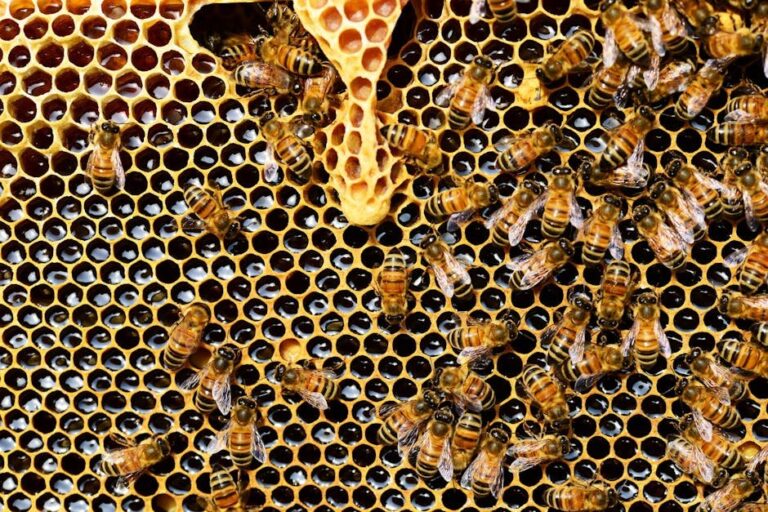
Understanding Wax Moth Infestations
Wax moth infestations can be a major concern for beekeepers, and understanding their causes is key to preventing them. Let’s take a closer look at what drives these unwanted pests into your beehive.
What Are Wax Moths?
Wax moths are a type of pest that infests beehives worldwide, causing substantial damage to honeycomb and impacting bee colonies’ productivity. These moths are attracted to the wax produced by bees and can lay up to 400 eggs at a time. Female moths will often lay their eggs in the cell walls or brood nests of the hive, where they will feed on the wax and create tunnels.
The larvae that emerge from these eggs will then consume the honeycomb from within, causing it to collapse. This process can lead to significant losses for beekeepers as the damaged honeycomb is no longer usable for storing honey or housing bees. Furthermore, the moths’ presence in a hive can also attract other pests and diseases, further weakening the colony.
Beekeepers who notice signs of wax moth infestation should inspect their hives regularly and remove any affected combs to prevent the issue from spreading. This can help minimize damage and maintain the overall health of the colony. Regular inspections and proper management practices are key to preventing wax moths from taking hold in a hive.
Life Cycle of Wax Moths
The life cycle of wax moths is a complex and fascinating process that allows them to thrive in various environments. It begins with the female moth laying her eggs on the surface of honeycombs within beehives. These eggs are typically laid near the center of the hive, where it’s warmest and most humid. After 3-4 days, the eggs hatch into larvae, also known as caterpillars.
These larvae feed on the wax cappings of honeycomb cells, consuming the beeswax to build their own bodies and eventually pupate within the hive. During this time, they can consume up to 40 times their body weight in wax, causing significant damage to the hive structure. Adult moths emerge after about two weeks, typically during spring or summer months when temperatures are warm.
As adult moths, they feed on nectar and lay eggs to continue the cycle. Wax moths are attracted to beehives due to the abundant food source and ideal environment for reproduction. To prevent infestations, beekeepers can seal off areas of the hive with tape or cardboard to trap emerging adults, reducing the risk of further egg-laying. Regular inspections and maintenance can also help identify and address early signs of wax moth activity.
Causes of Wax Moth Infestations
So, what are the underlying reasons why wax moths infest your beehive in the first place? Let’s explore some common causes that might lead to these unwelcome visitors.
Poor Beekeeping Practices
Poor beekeeping practices are a significant contributor to wax moth infestations. One of the main reasons for this is inadequate regular inspections of beehives. Beekeepers often neglect to check their hives regularly, which allows problems like wax moth infestations to go unnoticed until it’s too late. Regular inspections enable beekeepers to identify issues early on and take corrective action before they become severe.
Another crucial aspect of preventing wax moth infestations is maintaining clean equipment. Unused equipment can harbor wax moths, so it’s essential to regularly inspect and clean all beekeeping gear. This includes supers, hive stands, and other equipment that comes into contact with the honeycomb. Cleaning equipment thoroughly after each use and storing it properly will help prevent wax moths from establishing themselves.
Proper maintenance of beehives is also vital in preventing infestations. This includes ensuring adequate ventilation to prevent moisture buildup, which can attract wax moths. Regular cleaning and inspections should be part of a beekeeper’s routine to maintain healthy hives and prevent wax moth infestations.
Climate Change and Environmental Factors
Climate change is altering the delicate balance between wax moths and their beehive hosts, creating an environment ripe for infestations. Rising temperatures are extending the warm season, allowing wax moth populations to thrive longer into the year. Warmer winters also mean that eggs and larvae can survive, rather than being killed by cold snaps as they would have in the past.
But climate change is not the only environmental factor contributing to the spread of wax moths. Changes in precipitation patterns are disrupting natural predators’ habitats, making it harder for them to control moth populations. For example, a study in California found that the spotted ladybug, a key predator of wax moths, has seen a decline in its population due to reduced food sources caused by drought.
As a beekeeper, you can take steps to mitigate these factors. This includes providing your bees with a healthy and diverse diet, which will help them build a strong immune system and better resist moth infestations. Additionally, maintaining good ventilation in your beehive and keeping the area around it free from debris will also make it less hospitable to wax moths. By being aware of these environmental factors and taking proactive measures, you can reduce the risk of wax moth infestations and protect your bees.
Effects of Wax Moth Infestations on Bees
Wax moth infestations can have a significant impact on your beehive, causing damage to honeycomb and even threatening the health and survival of your bees. Let’s take a closer look at the effects of these pests on your colony.
Reduced Honey Production
When wax moths infest a beehive, one of the most significant consequences is reduced honey production. These pests are notorious for their ability to destroy comb and disrupt the delicate balance within the hive.
As wax moths feed on the beeswax and honey stores, they leave behind a trail of destruction, including damaged combs, fragmented brood cells, and discarded debris. This destruction not only compromises the structural integrity of the hive but also diverts valuable resources away from honey production.
Bees that are busy repairing damage to the comb or defending against wax moths can’t focus on gathering nectar and pollen, which are essential for producing honey. In fact, research suggests that infested hives can experience a 50% reduction in honey yields compared to healthy colonies. This decline is often accompanied by an increase in bee mortality rates as well.
To mitigate the impact of wax moths on honey production, it’s essential to monitor your hive regularly and take swift action when signs of infestation appear. Regular inspections can help detect issues early on, allowing you to address them before they escalate into full-blown problems.
Weakened Bee Colonies
When bees are faced with a wax moth infestation, it’s not just their honey stores that are at risk – their very survival is threatened. The weakened bee colonies become more susceptible to disease and other pests, making them even harder to recover from.
As the moths feed on the honeycomb, they leave behind toxic waste products that can contaminate food sources for the bees. This can lead to a range of health problems, including impaired immune function and reduced fertility. In extreme cases, it can even cause colony collapse disorder (CCD).
The weakened state of the bees also makes them more vulnerable to secondary infestations by other pests, such as small hive beetles or varroa mites. These external threats can further weaken the colony, making it even harder for the bees to recover from the initial moth infestation.
To combat this, beekeepers need to be vigilant in monitoring their colonies for signs of wax moths and take swift action if an infestation is detected. Regular inspections and prompt treatment can help prevent weakened bee colonies from becoming a breeding ground for disease and other pests.
Prevention Strategies for Wax Moth Infestations
To minimize the risk of a wax moth infestation, it’s essential to implement proactive measures that prevent these pests from taking hold in your beehive. This section will walk you through effective prevention strategies.
Integrated Pest Management (IPM)
When it comes to managing wax moth infestations, it’s essential to adopt a holistic approach that addresses the root causes of the problem. Integrated Pest Management (IPM) is just such an approach, focusing on non-chemical methods to control pest populations. At its core, IPM involves monitoring your beehives regularly to catch signs of infestation early on.
This proactive approach includes regular cleaning and maintenance of your equipment, ensuring that any debris or honeycomb buildup is removed. Old, worn-out equipment should also be replaced to prevent the buildup of wax moth eggs and larvae. By keeping your beehives clean and well-maintained, you can reduce the likelihood of infestation by 70-80%.
Monitoring involves checking for signs of infestation, such as discarded honeycomb, larvae, or adult moths in the beehive. Regular inspections allow you to identify potential problems before they become major issues, enabling swift action to prevent further damage. By combining these non-chemical methods with other prevention strategies, you can create a robust defense against wax moth infestations and protect your valuable bees.
Chemical Controls
When it comes to chemical controls for wax moths, baits and sprays are often considered. However, it’s essential to understand their potential risks to both bees and the environment.
Baits typically contain pheromones that mimic the sex attractant of female wax moths, drawing male moths in so they can be eliminated. These baits are often placed near infested areas or directly on affected comb. Sprays, on the other hand, usually contain insecticides designed to kill adult wax moths and their larvae.
While chemical controls can provide quick relief from an active infestation, they also pose risks. Insecticides can harm bees if applied in excess or at the wrong time. For instance, applying sprays during peak honey flows can reduce hive productivity and potentially contaminate honey.
When using baits or sprays, follow these guidelines: apply according to product instructions, avoid spraying directly on bees, and opt for targeted treatments rather than broad-spectrum applications. This will help minimize harm while effectively managing wax moth populations.
Recognizing and Managing Infestations
Recognizing the signs of a wax moth infestation is crucial for beekeepers to prevent damage to their hives. This section will walk you through the common symptoms to look out for and how to manage an outbreak effectively.
Early Detection Methods
When it comes to detecting wax moth infestations in beehives, early detection is key. One of the most obvious signs of an infestation is the presence of webbing on the hive frames and honeycomb cells. This can appear as a silky, white material that resembles cobwebs or cotton tufts.
As you inspect your hive, look for eggs, which are typically pale yellow in color and about 1/8 inch long. They’re usually laid on the surface of the honeycomb or on the frame itself. If you spot eggs, it’s essential to act quickly, as they can hatch into larvae within a week.
Keep an eye out for larvae themselves – these appear as small, crawling creatures with distinct body segments and a pinkish-white color. They’re usually found in the honeycomb cells or on the surface of the frames, where they feed on stored honey and wax. If you notice any of these signs, take steps to address the infestation before it spreads throughout the hive.
Effective Management Techniques
When managing a wax moth infestation in your beehive, it’s essential to act quickly and efficiently. To contain the problem, isolate the affected hive immediately. This can be done by separating the infested hive from the rest of the apiary using a physical barrier, such as a fence or a screen.
Next, treat the infested hive with an insect growth regulator (IGR) or an adulticide specifically labeled for use against wax moths. Follow the product instructions carefully to ensure proper application and dosing. In severe cases, you may need to apply multiple treatments over several weeks to completely eliminate the infestation.
Quarantine procedures are also crucial in preventing the spread of wax moths to other hives. Check all hives regularly for signs of infestation, such as webbing or cocoons, and treat any new infestations promptly. Regular inspections can help detect problems early on, reducing the risk of colony collapse due to wax moth damage.
By following these steps and maintaining a proactive approach to monitoring your bees’ health, you can effectively manage wax moth infestations and protect your apiary’s overall well-being.
Beekeeper Community Engagement and Education
As a beekeeper, connecting with others who share your passion for apiculture can be incredibly valuable, especially when it comes to tackling issues like wax moths in the hive. This section explores how community engagement and education can help you tackle this problem.
Collaboration with Apiculture Professionals
As you navigate the challenges of managing wax moth infestations in your beehives, it’s essential to remember that you’re not alone. Collaborating with other beekeepers through networking and knowledge-sharing can make all the difference in effectively combating these pests.
In fact, studies have shown that beekeeper communities that engage in regular collaboration and knowledge-sharing tend to experience better outcomes when it comes to managing wax moths. By pooling your expertise and resources, you can gain access to new strategies, techniques, and best practices for controlling infestations.
So, how can you start building relationships with other apiculture professionals? Begin by attending local beekeeper conferences, workshops, and meetings. These events provide a great opportunity to connect with fellow beekeepers, ask questions, and learn from their experiences. You can also join online forums or social media groups dedicated to beekeeping, where you can share your own knowledge and gain insights from others.
By tapping into the collective wisdom of your beekeeper community, you’ll be better equipped to identify early warning signs of wax moth infestations and take proactive measures to prevent them.
Public Awareness and Outreach
Public awareness and outreach are crucial components of promoting bee conservation and responsible beekeeping practices. As a beekeeper, you play a vital role in educating the public about the importance of bees and the impact of wax moths on their populations. By sharing your knowledge with others, you can help create a buzz around bee conservation and encourage people to take action.
One effective way to raise awareness is through community events and workshops. Consider partnering with local organizations or schools to host seminars or demonstrations on beekeeping and wax moth management. This not only educates the public but also fosters a sense of community among beekeepers. For example, you could invite experts to discuss the latest research on wax moths and their impact on pollinators.
When sharing your knowledge with others, remember to keep it simple and accessible. Use clear language and avoid technical jargon that might confuse non-experts. By doing so, you can inspire a new generation of bee enthusiasts who will help carry the torch for bee conservation. Remember, every conversation counts – share your passion and expertise with others to create a ripple effect in promoting responsible beekeeping practices.
Frequently Asked Questions
How can I determine if my beehive has a wax moth infestation before it gets out of control?
Wax moths are attracted to poor ventilation, excess moisture, and other pests in the hive. Regularly inspect your hive for signs of infestation, such as damaged honeycomb or moths flying around. Use early detection methods like visual inspections, pheromone traps, or monitoring comb strength to catch issues before they escalate.
What are some long-term strategies for managing wax moth populations in my beehive?
Integrated Pest Management (IPM) is a holistic approach that combines techniques like good beekeeping practices, climate control, and biological controls. This includes proper hive maintenance, reducing moisture levels, introducing beneficial insects, and using selective chemicals when necessary.
Can I use chemical controls to completely eradicate wax moth infestations in my beehive?
Chemical controls can provide temporary relief but may not address underlying issues like poor beekeeping practices or environmental factors contributing to the infestation. Instead of relying solely on chemicals, focus on IPM strategies that promote a balanced ecosystem within your hive.
How do I prevent wax moths from returning after implementing management strategies in my beehive?
Maintaining good beekeeping habits and integrating pest management techniques are key to preventing future occurrences. Regularly inspect your hive for signs of infestation, ensure proper ventilation and climate control, and consider introducing beneficial insects or plants that repel wax moths.
What if I have a small beehive with only one or two frames – can I still use integrated pest management strategies?
Even smaller hives benefit from IPM techniques. Start by ensuring good beekeeping practices, maintaining proper hive hygiene, and monitoring for early signs of infestation. Introduce beneficial insects like Trichogramma wasp or beneficial nematodes to control wax moth populations without harming your bees.