
Waterside plants have long been a staple in landscaping design, but their benefits extend far beyond mere aesthetics. These incredible plants provide essential ecosystem services, from absorbing pollutants to supporting local wildlife populations. By incorporating waterside plants into your outdoor space, you can also breathe new life into the air quality around your home. But with so many species to choose from, it can be overwhelming to know where to start. That’s why we’ve put together this comprehensive guide to help you navigate the world of waterside plants. Whether you’re looking to improve your property’s aesthetic appeal or reduce its environmental footprint, we’ll show you how to choose, care for, and integrate these amazing plants into your landscaping design with ease.
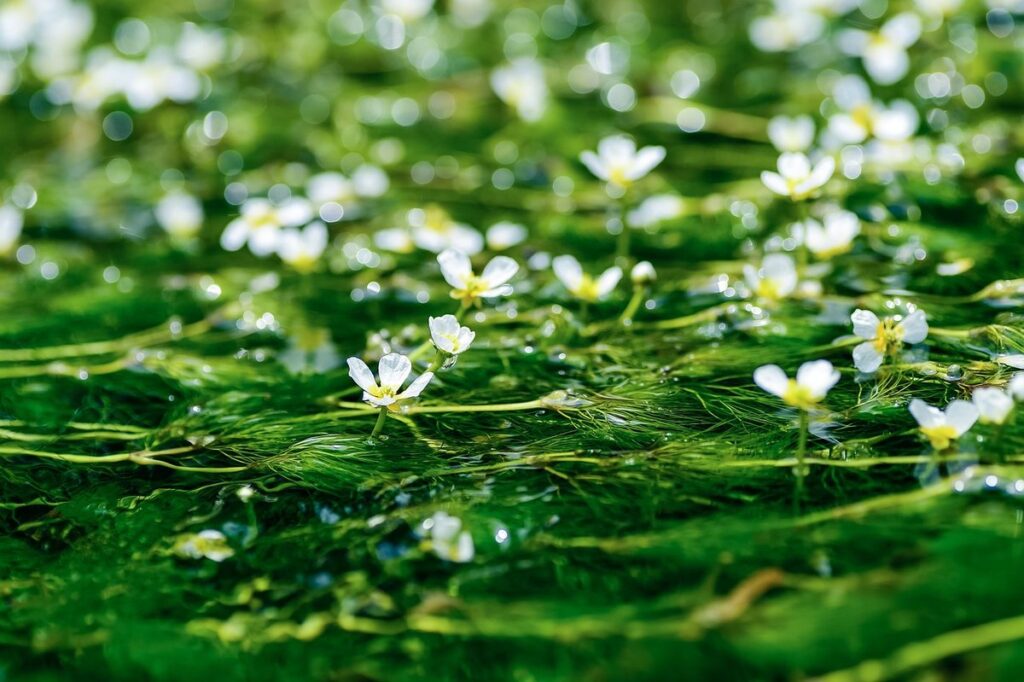
Types of Waterside Plants
Waterside plants come in a stunning array, each with its own unique characteristics and requirements to thrive near water. Let’s explore some of the most popular types together!
Aquatic Plant Families
Aquatic plants can be broadly categorized into several families, each with unique characteristics and species. One of these families is Alismataceae, which includes plants like water wisteria and sagittaria. These plants are known for their ability to thrive in shallow waters and can form extensive vegetation.
The Araceae family is another prominent group of aquatic plants, comprising aloe-topped cattails and Amazon swordplants. Members of this family often have waxy or spiny leaves and are well-suited to deep-water environments.
Other notable families include Hydrocharitaceae (duckweed), Nymphaeaceae (water lilies), and Lemnaceae (ducksfoot). These plants provide a range of benefits, from water purification and erosion control to shelter for aquatic animals. When selecting species, consider the specific growing conditions in your waterside area, such as sunlight levels and water depth.
Some popular aquatic plant species include red-leafed Amazon swordplants and Japanese pondweed. Researching these species will help you choose varieties that thrive in your local environment and complement other plants.
Common Waterside Plant Species
Waterside plants are incredibly diverse, with numerous species thriving near water bodies. Among the most common and recognizable species are water lilies, cattails, and horsetails. These plants not only add aesthetic value to waterside environments but also play a vital role in maintaining ecosystem balance.
Water lilies, for instance, provide shade, habitat, and nutrients for aquatic life, while their flowers attract pollinators like bees and butterflies. Cattails are known for their ability to filter pollutants from water, making them an essential component of wetland ecosystems. Horsetails, with their feathery leaves and tall stems, can grow up to 2 meters high and support a variety of aquatic animals.
When choosing waterside plants for your garden or nearby water body, consider the specific needs of each species. For example, water lilies require partial shade and can be invasive in some areas, while cattails prefer full sun and can tolerate flooding. By selecting the right plant species for your environment, you can create a thriving and balanced waterside ecosystem that benefits both plants and wildlife.
Benefits of Waterside Plants
Waterside plants offer a multitude of benefits, from improved air quality to increased property value, making them an excellent choice for any garden. Let’s dive into some of their most valuable advantages.
Ecosystem Services
Waterside plants play a vital role in maintaining healthy ecosystems. One of the most significant benefits is shoreline stabilization. These plants help to prevent erosion by holding the soil together with their roots, which prevents sediment and nutrients from being washed away into nearby waterways. This not only protects the shoreline but also maintains the quality of the surrounding water.
In addition to shoreline stabilization, waterside plants are essential for nutrient cycling. They absorb excess nutrients from the water, such as nitrogen and phosphorus, and store them in their tissues or release them back into the soil. This helps to maintain a balance of nutrients in the ecosystem, preventing over-enrichment that can lead to algal blooms.
Waterside plants also provide vital habitat for aquatic life. They offer shelter from predators, food sources, and breeding grounds for fish, birds, and other animals. By creating diverse and complex ecosystems, waterside plants support a wide range of plant and animal species. For example, cattails can provide a haven for juvenile fish to hide from predators, while water lilies create shade that allows sensitive aquatic plants to grow.
By incorporating waterside plants into your ecosystem, you can reap numerous benefits for the environment. When choosing plants, consider the specific needs of your area and select species that are well-suited to local conditions. Regular maintenance, such as pruning and mulching, will also help to promote healthy growth and ensure the long-term success of these beneficial plants.
Air Quality Improvement
Waterside plants are often overlooked when it comes to air quality improvement. However, they play a crucial role in purifying the air around them. These plants absorb pollutants such as nitrogen dioxide and particulate matter from the atmosphere, helping to reduce air pollution levels. At the same time, waterside plants release oxygen through photosynthesis, which is essential for human health.
One of the most significant benefits of having waterside plants is their ability to mitigate urban heat islands and associated air quality issues. Studies have shown that areas with more green spaces tend to have lower concentrations of pollutants like particulate matter (PM2.5) and nitrogen dioxide (NO2). For example, a study in London found that trees along rivers can reduce NO2 levels by up to 25%. To harness the air-quality benefits of waterside plants, consider planting species like water lilies or cattails near your home’s water feature.
Incorporating these aquatic plants into your garden design can not only improve air quality but also create a serene atmosphere.
Aesthetic Appeal
Waterside plants have a unique ability to elevate the aesthetic appeal of any setting. Whether you’re designing a tranquil garden or seeking to enhance your outdoor living space, these plants offer an unparalleled level of beauty and visual interest.
One of the primary benefits of incorporating waterside plants into your landscaping is their versatility. They can be used as standalone features, adding pops of color and texture to areas surrounding ponds, lakes, or even indoor water features. Alternatively, they can be strategically placed within larger landscapes to create natural focal points that draw the eye and promote a sense of serenity.
Beyond their individual beauty, waterside plants also have a profound impact on the overall ambiance of a space. By incorporating native species, you can create a cohesive look that blends seamlessly with its surroundings. This not only enhances visual appeal but also contributes to a more sustainable and environmentally friendly design.
Choosing the Right Waterside Plant
When selecting waterside plants, it’s essential to consider factors such as sunlight exposure, water depth, and soil type to ensure a healthy and thriving garden. This requires some careful planning!
Climate and Soil Considerations
When selecting waterside plants, it’s essential to consider the climate and soil conditions of your specific location. Different regions have varying levels of sunlight, water availability, and temperature fluctuations that can impact plant growth.
In areas with full sun (6+ hours of direct sunlight), choose plants like cattails or reeds, which thrive in warm temperatures. However, if your waterside area receives partial shade (4-6 hours of indirect sunlight), consider planting water lilies or irises, which prefer dappled light.
Pay attention to soil type as well, as it affects root growth and plant stability. For example, plants like cattails can tolerate a wide range of soil types, including clay, silt, and sand. On the other hand, some waterside plants like watercress require well-draining soil to prevent root rot.
Before planting, assess your waterside area’s water tolerance. Some plants, like sedges or rushes, can withstand saturated conditions, while others may prefer slightly drier areas. By understanding these factors, you’ll be able to select the perfect waterside plant for your specific climate and soil conditions.
Space Planning and Maintenance
When choosing waterside plants, it’s essential to consider not only their beauty and growth habits but also their long-term maintenance needs. This includes planning for regular pruning, fertilization, and pest control. A well-planned arrangement can make a big difference in keeping your waterside garden thriving.
To plan an effective waterside plant arrangement, think about the mature size of each plant and how they will interact with each other. For example, if you’re planting a tall reed near a smaller water lily, consider pruning the reed regularly to prevent it from shading out the lily. You should also leave enough space between plants for proper air circulation and sunlight penetration.
Regular fertilization is crucial for waterside plants, especially those growing in shallow water or high-alkalinity environments. Choose a balanced fertilizer specifically formulated for aquatic plants, following the manufacturer’s instructions to avoid over-fertilizing. Regularly inspect your plants for signs of pests like aphids, snails, and slugs, and take action promptly if you spot any issues. Prune damaged areas immediately to prevent disease from spreading.
Waterside Plant Care and Maintenance
Caring for waterside plants requires some special attention, so let’s dive into the specific needs of these beautiful plants when it comes to maintenance.
Water Quality Monitoring
Monitoring water quality is crucial for the optimal growth and health of waterside plants. Just like humans need clean air to breathe, waterside plants require clean water to thrive. The water’s pH level, nutrient availability, and potential pollutants can significantly impact plant growth.
A pH range between 6.0 and 8.5 is suitable for most waterside plants. However, some species prefer more acidic or alkaline conditions. For instance, the sensitive Lotus flower requires a slightly acidic to neutral pH (around 7.0), while the hardy Cattail can tolerate a wider pH range.
To ensure optimal water quality, regularly test your pond’s or pool’s pH levels and adjust as needed. You should also monitor nutrient availability by checking for algae growth or excessive plant growth in certain areas. Be aware of potential pollutants such as fertilizers, pesticides, or heavy metals that can harm waterside plants and the ecosystem.
Keep a log to track water quality changes over time, allowing you to make informed decisions about treatment or adjustments. By monitoring these factors, you’ll be able to create an ideal environment for your waterside plants to flourish.
Fertilization and Pruning Strategies
When it comes to waterside plant care, fertilization and pruning are essential strategies for promoting healthy growth. However, these tasks can be tricky, especially when considering the aquatic life that inhabits the surrounding water. To fertilize waterside plants without harming aquatic life, choose a fertilizer specifically designed for aquatic plants or those that float on the surface. These products release nutrients slowly, reducing the risk of over-fertilization and subsequent harm to fish or other aquatic organisms.
For pruning, prioritize regular maintenance to encourage bushy growth and prevent overgrown stems from shedding leaves into the water. Prune your waterside plants during their dormant season, typically in late winter or early spring. Remove dead or dying foliage, cutting just above a node (where a leaf meets the stem) using clean, sharp tools to minimize damage to the plant.
When pruning, consider the type of waterside plant you’re working with – some require more frequent trimming than others. For example, water lilies can be pruned back by as much as one-third in the spring, while cattails should only be trimmed at their base.
Waterside Plant Uses in Landscaping
When incorporating waterside plants into your landscaping, there are many creative ways to utilize their unique characteristics for added visual appeal and functionality. Let’s explore some inspiring uses for these special plants in outdoor design.
Design Considerations
When incorporating waterside plants into your landscaping design, their role extends beyond mere aesthetics. They can serve as focal points, drawing attention to specific areas of the landscape, or as background features that provide subtle texture and interest.
For example, a dramatic water feature like a fountain or pond becomes even more impactful when surrounded by lush greenery, such as ornamental grasses or flowering plants with vibrant blooms. In this scenario, the waterside plant is the focal point, drawing attention to the dynamic interaction between water and vegetation.
On the other hand, if you want to create a calming ambiance, use background features like tall reeds or rushes that gently sway in the breeze. These can also help soften harsh lines or hide unsightly areas around the water feature, adding visual balance to the landscape.
In either case, waterside plants contribute significantly to the overall design, whether they’re center stage or providing subtle depth and interest.
Integration with Other Landscape Elements
When designing a waterside landscape, it’s essential to consider how your plants will interact with other elements. By integrating waterside plants with water features, walkways, and seating areas, you can create a seamless and inviting space that encourages relaxation and exploration.
For instance, pair tall reeds or grasses with a small pond or fountain to create a sense of depth and visual interest. These plants can help conceal the pond’s edges while also creating a habitat for aquatic life. Alternatively, use compact shrubs and groundcovers near walkways to define pathways and add texture to your landscape.
Seating areas are another opportunity to integrate waterside plants in a functional way. Consider placing benches or chairs beneath a canopy of native trees or ornamental grasses to provide shade and create a sense of enclosure. This can be especially effective near water features, where the soothing sound of running water can help mask any background noise.
Ultimately, thoughtful integration with other landscape elements is key to creating a beautiful and functional waterside space that invites relaxation and contemplation.
Troubleshooting Common Issues
If you’re running into problems with your waterside plants, don’t worry – we’ve got some solutions for you to get back on track. Let’s tackle common issues and find a fix together.
Plant Diseases and Pests
When it comes to caring for waterside plants, one of the most common challenges gardeners face is dealing with diseases and pests. These can be devastating if left unchecked, but identifying them early on can make all the difference.
Some common plant diseases that affect waterside plants include root rot, leaf spot, and powdery mildew. Root rot occurs when the roots are submerged in water for too long, causing oxygen to become trapped and leading to fungal growth. To prevent this, ensure your pot has good drainage holes and doesn’t sit directly on the ground where water can collect.
Leaf spot is often caused by overwatering or poor air circulation. It appears as small black spots on the leaves that can spread quickly if not treated promptly. Regularly inspect your plants for signs of disease, and remove any affected areas to prevent further damage.
As for pests, waterside plants are commonly infested with snails, slugs, and aquatic insects like mosquito larvae. To control these pests, use natural deterrents like crushed eggshells or copper tape around the pot’s rim.
Environmental Factors
Waterside plants can be sensitive to environmental factors that may impact their health and well-being. Extreme weather conditions such as prolonged droughts, heavy rainfall, or scorching temperatures can cause stress to these plants. For instance, a severe heatwave in summer can lead to water evaporation at an alarming rate, causing dehydration in waterside plants.
Similarly, human activities like pollution, overwatering, and introduction of invasive species can also harm waterside plant health. Pollution from nearby sources can contaminate the water, affecting plant growth, while overwatering can cause root rot, leading to plant decline.
To mitigate these effects, it’s essential to choose plants that are tolerant of extreme weather conditions and adaptable to changing environmental factors. For example, you can opt for hardy species like cattails or irises that thrive in areas with variable water levels.
Additionally, regular maintenance practices such as monitoring water levels, pruning dead leaves, and controlling invasive species can also help maintain waterside plant health. By being aware of these potential risks and taking proactive measures, you can create a healthy environment for your waterside plants to flourish.
Frequently Asked Questions
How do I choose the right waterside plant for my specific climate?
When selecting a waterside plant, consider your local climate and soil conditions. Research plants that are native to your region or can thrive in similar environments. Also, think about the level of sunlight your water feature receives and how much maintenance you’re willing to commit.
Can I use waterside plants in areas with high foot traffic?
Yes. Waterside plants like cattails and water wisteria can be great for areas with heavy foot traffic due to their durability and ability to withstand some disturbance. However, ensure they are securely planted to prevent accidental uprooting.
How do I maintain good air quality around my waterside plant?
Regularly inspect your waterside plant’s health and remove any dead or decaying leaves to prevent water pollution and airborne pathogens. Also, consider incorporating beneficial microorganisms into the soil to promote ecosystem services.
Can I use fertilizers near waterside plants?
No. Excessive fertilizer use can harm aquatic life and contaminate water sources. Instead, focus on natural methods of promoting plant growth, such as using compost or manure tea, which are safer for both the environment and your waterside plants.
How do I monitor the quality of my pond’s water while incorporating waterside plants?
Monitor pH levels regularly to ensure they remain within a suitable range for waterside plants. You can also observe changes in plant growth and adjust accordingly. Regularly inspect the water’s clarity, as this can indicate issues with pollutants or excessive nutrient runoff.