
Watering your succulents can be a daunting task, especially if you’re new to plant parenthood. But don’t worry, we’ve got you covered! Succulents are low-maintenance plants that thrive in dry environments, but they still need some TLC when it comes to hydration. The truth is, over-watering and under-watering are two common mistakes that can be detrimental to your succulent’s health.
In this comprehensive guide, we’ll walk you through the ins and outs of watering your succulents correctly, covering everything from understanding their unique needs to preparation and post-watering care. Whether you have a delicate echeveria or a tough-as-nails aloe vera, our expert tips will help you keep your plants thriving. By following our advice on types of succulents, watering schedules, and more, you’ll be well on your way to becoming a succulent whisperer in no time!
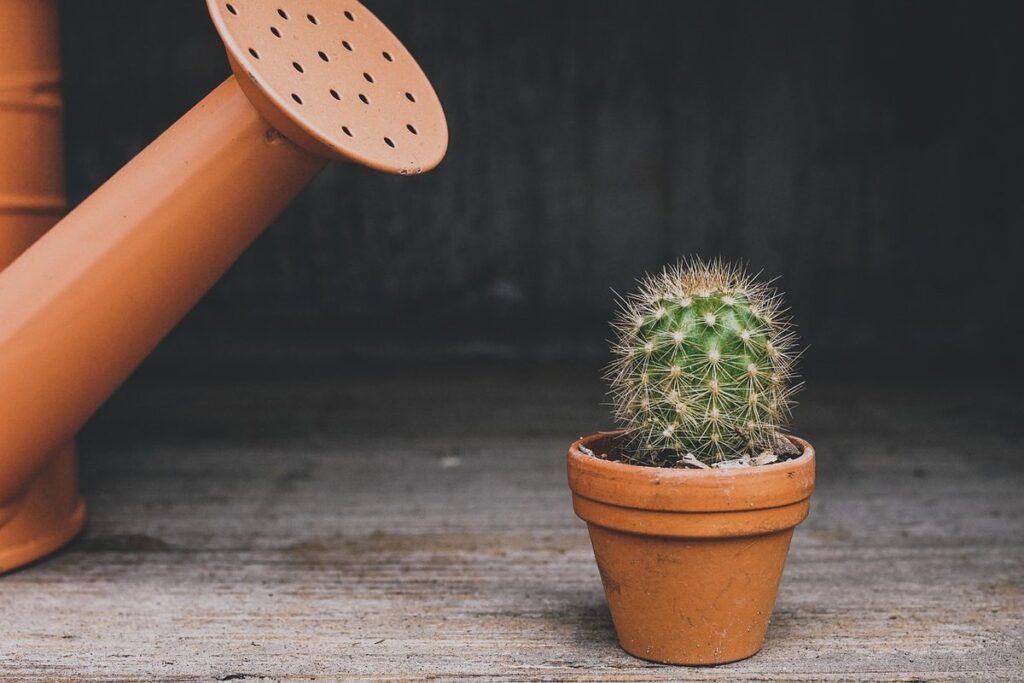
Understanding Succulent Needs
To water succulents correctly, you first need to understand their basic needs and how they respond to different watering conditions. Let’s explore these essential factors together.
Types of Succulents and Their Watering Requirements
Succulents come in an array of shapes, sizes, and water requirements. Let’s dive into some popular types and their unique watering needs.
Desert plants, such as aloe and agave, are accustomed to dry conditions and require infrequent watering. They can store water in their thick leaves, allowing them to survive for extended periods without moisture. Water these succulents sparingly, allowing the soil to dry completely between waterings.
Aloe vera, on the other hand, needs more frequent watering than desert plants but should still be treated with care. Water aloe vera when the top inch of soil feels dry to the touch. Echeveria and crassula also prefer well-draining soil and moderate watering. Overwatering these succulents can lead to root rot.
To determine which type of succulent you have, examine its leaves. Thick, fleshy leaves typically indicate a desert plant or echeveria. Slender, pointed leaves are common in crassula species. For aloe vera, look for the characteristic round, spiky leaves with a greenish-blue tint.
If you’re unsure about your succulent’s type, research its specific needs or consult with a local nursery expert. With these guidelines, you’ll be able to tailor your watering schedule to meet your succulents’ unique requirements and keep them thriving.
Factors That Affect Succulent Watering Needs
When it comes to watering succulents, you might think that all plants are created equal. However, there are several factors that can affect a succulent’s watering needs. Understanding these variables will help you create an optimal environment for your plants.
Temperature plays a significant role in determining how often to water your succulents. In warmer temperatures above 75°F (24°C), succulents require more frequent watering. Conversely, if the temperature drops below 60°F (16°C), they’ll need less moisture. For example, if you live in an area with extreme heatwaves during the summer, ensure that your succulents receive additional water during these periods.
Light exposure also impacts a succulent’s watering needs. Succulents grown in bright light will require more frequent watering than those placed in low-light conditions. However, overwatering can be detrimental to plants exposed to direct sunlight for extended periods.
The potting mix you use can also affect your succulent’s water requirements. A well-draining potting mix allows excess moisture to escape the roots, reducing the risk of root rot. Conversely, a dense potting mix will retain more water, potentially causing overwatering issues.
Humidity levels in your environment are another factor to consider when watering your succulents. If you live in a humid climate (above 50% relative humidity), you may need to reduce the frequency of watering.
Pre-Watering Preparation
Before you start watering, it’s essential to prepare your succulents for optimal absorption. This involves checking their soil moisture and taking any necessary steps to prevent overwatering.
Choosing the Right Potting Mix
When it comes to watering succulents correctly, choosing the right potting mix is often overlooked but plays a crucial role. A good potting mix can make all the difference between thriving plants and waterlogged roots.
A well-draining potting mix specifically designed for cacti and succulents will help prevent water from collecting in the soil. This is essential because succulents are prone to root rot if the soil remains too wet. Some common ingredients found in a good potting mix include perlite, vermiculite, or sand which improve drainage.
The ideal pH level for a cactus and succulent potting mix is slightly acidic to neutral, ranging from 6.0 to 7.0. A mix with a higher pH can cause the plant’s nutrients to become unavailable. The water-holding capacity of a good potting mix should be moderate, retaining just enough moisture to support the plant during dry periods.
It’s also important to choose a potting mix that has minimal nutrient content as succulents absorb most of their necessary nutrients through their leaves. Overfertilizing can cause more harm than good, leading to weakened plants and reduced resistance to disease.
Inspecting Your Succulent Before Watering
When inspecting your succulent before watering, it’s essential to take a closer look for signs of water stress or overwatering. Start by gently lifting the plant out of its pot and checking the weight of the soil. A dry, light pot can indicate that the soil is too parched, while a heavy, waterlogged pot may suggest the opposite.
Take note of your succulent’s leaves – are they plump and firm, or wrinkled and soft? Wrinkled leaves can be a sign that the plant needs water, but make sure to check for pests like mealybugs or spider mites. Soft stems can also indicate overwatering, so it’s crucial to assess both leaves and stems.
Check the color of your succulent’s leaves as well – if they’re pale or yellowish, this could be a sign that the plant needs more water. On the other hand, if the leaves are dark green, they might be getting too much moisture. By carefully examining these signs, you’ll be able to make an informed decision about when to water your succulent.
The Watering Process
Now that you know when and how often to water your succulents, let’s dive into the specific process of watering them correctly. This involves understanding soil moisture levels and proper irrigation techniques.
How to Water Succulents: A Step-by-Step Guide
When it comes to watering succulents, getting it right can be a bit tricky. But don’t worry, we’ve got you covered with this step-by-step guide.
First things first: when should you water your succulent? The general rule of thumb is to let the soil dry out completely between waterings. This means checking the soil moisture by sticking your finger into the soil up to the first knuckle. If it feels dry, it’s time to water. On the other hand, if it still feels damp or wet, wait a few more days.
As for how much water to use, remember that succulents are drought-tolerant plants and don’t like too much moisture. Water your succulent thoroughly until you see water coming out of the drainage holes in the pot. Then stop. It’s better to err on the side of caution and underwater than overwater.
How often to water also depends on various factors, such as the time of year, temperature, and humidity levels. As a general rule, water your succulent once a week during the spring and summer months when it’s actively growing. During the fall and winter months when it’s dormant, you can reduce watering to once every 4-6 weeks.
It’s also worth noting that some succulents are more sensitive than others. For example, if you have an echeveria or a crassula, they prefer well-draining soil and should be watered less frequently than a plumeria or a senecio.
Common Mistakes to Avoid When Watering Succulents
When it comes to watering succulents, it’s surprising how easily we can make mistakes that harm our plants. Overwatering is perhaps the most common mistake, and it’s easy to see why: we think our plants need more water because they’re thirsty, but often, they just need a gentle drink. Be cautious not to let the pot sit in water, as this can lead to root rot and kill your succulent.
Underwatering, on the other hand, is also prevalent. Succulents have adapted to survive with minimal water, so don’t assume that if you forget to water them for a few days, they’ll somehow magically absorb all the moisture they need from the air. A good rule of thumb is to water your succulents when the top inch of soil feels dry to the touch.
Using cold or stagnant water can also damage your plants. Cold water can shock the roots and cause damage, while stagnant water is often too alkaline for succulent roots, which prefer slightly acidic conditions. To avoid these issues, use room-temperature water that has been allowed to sit for at least 24 hours before watering.
Post-Watering Care
After you’ve watered your succulent, it’s essential to provide proper care to prevent overwatering and root rot. Now, let’s dive into the post-watering care techniques that’ll keep your succulents thriving.
Monitoring Your Succulent’s Response to Watering
When watering succulents, it’s essential to monitor their response and adjust your schedule accordingly. This may seem like a no-brainer, but many succulent enthusiasts overlook this crucial step. Checking for signs of water stress or overwatering can make all the difference between a thriving plant and a struggling one.
Start by observing your succulent’s leaves, stems, and roots for any changes in color, texture, or growth. Are they shrinking, softening, or developing brown spots? These are telltale signs that your succulent is experiencing water stress. On the other hand, if you notice water pooling around the base of the plant, this could indicate overwatering.
To adjust your watering routine, pay attention to your succulent’s behavior during different seasons and environments. For example, succulents in brighter locations may require more frequent watering than those in shadier spots. Similarly, plants grown indoors may need more water than those outside in a dry climate. By tuning into your succulent’s specific needs, you’ll be able to strike the perfect balance between hydration and drought.
Common Issues That Can Arise After Watering
After watering your succulents, you may notice some issues that can hinder their growth and even lead to their demise. One of the most common problems is root rot, which occurs when the roots are submerged in water for too long, causing them to decay. To identify this issue, look for soft or mushy stems and leaves, as well as a slight discoloration around the base of the plant.
Another problem that can arise after watering is fungal infections. These usually manifest as yellowing or browning of the leaves, along with black spots or powdery patches on the surface. To prevent this, ensure good air circulation around your succulents and avoid getting water on the leaves themselves. Instead, pour it directly into the soil to minimize the risk of infection.
Finally, pests like mealybugs, spider mites, and scale can also infest your succulents after watering. Look for fine webbing or sticky droplets on the leaves and stems, as well as actual insects lurking in crevices or under leaf folds. To control these pests, use neem oil or insecticidal soap to gently wipe away the infestation, taking care not to damage the plant’s delicate tissues.
Tips for Special Situations
Sometimes you may encounter special situations that require a different approach, such as repotting or traveling with your succulents. We’ll cover these unique scenarios and provide tailored advice to ensure your plants thrive.
Watering Succulents in Extreme Weather Conditions
Succulents are known for their ability to thrive in challenging conditions, but even they have limits. During extreme weather conditions, such as hot summers or cold winters, succulents require extra care to prevent heat stress and frost damage.
In scorching summer temperatures, succulents can quickly become dehydrated if not watered correctly. Water your succulents in the early morning, allowing them to dry out slightly before nightfall. Avoid getting water on the leaves or crown of the plant, as this can cause rot and fungal diseases. Instead, water at the base of the plant, making sure the pot drains well.
In cold winter months, succulents are susceptible to frost damage. If you live in an area with freezing temperatures, bring your potted succulents indoors or move them to a protected area outside. If this isn’t possible, cover the plants with a sheet or blanket to protect them from harsh winds and frost. Water sparingly during the winter months, as succulents require less moisture when dormant.
Monitor your succulent’s response to extreme weather conditions closely, adjusting its watering schedule accordingly. Keep an eye out for signs of heat stress, such as yellowing leaves or droopy stems, and take action promptly to prevent damage.
Watering Succulents During Repotting or Propagation
When repotting or propagating succulents, it’s essential to understand their specific watering needs during these critical periods. Succulents require more water than usual when being transplanted into a new pot, but overwatering can be detrimental to their health.
During repotting, the soil may seem dry due to the removal of old soil and roots. However, it’s crucial not to wait too long to water your succulent. Watering once or twice after repotting is usually sufficient, as the new potting mix will retain more moisture than the original one.
As for propagation, the rooting process can be a delicate balance between providing enough moisture and avoiding root rot. Water sparingly during the initial stages of propagation, allowing the soil to dry slightly between waterings. This will encourage healthy root development without causing damage to the new roots.
A good rule of thumb is to water your succulent after 2-3 days of repotting or propagation, then again after another 4-5 days, depending on the environment and pot size. Monitor your plant’s response and adjust watering accordingly.
Conclusion and Final Tips
Now that you’ve mastered the art of watering your succulents, it’s time for some final tips to keep them thriving. We’ll wrap up our guide with a few key takeaways and reminders to solidify your new skills.
Recap of Key Takeaways
As you’ve navigated through this comprehensive guide on watering succulents correctly, you now have a solid foundation to ensure these plants thrive under your care. To recap the key takeaways, remember that succulents require less water than other houseplants due to their unique storage capabilities.
Before watering, check the soil moisture by sticking your finger into the soil up to the first knuckle. If the soil feels dry, it’s time to water. Watering should be done thoroughly but infrequently to encourage deep root growth and prevent overwatering.
Post-watering care is also crucial; make sure to provide good air circulation to prevent fungal diseases and remove any excess moisture from the leaves or crown of the plant. A final checklist to ensure you’re well-prepared to water your succulents correctly would be:
* Check soil moisture before watering
* Water thoroughly but infrequently
* Provide good air circulation after watering
* Remove excess moisture from the leaves or crown
By following these key takeaways, you’ll be able to provide optimal care for your succulents and enjoy their unique beauty for years to come.
Additional Resources for Further Learning
If you’re hooked on learning more about succulent care, we’ve got you covered. As you continue to explore the world of water-wise plants, it’s essential to stay up-to-date on the latest best practices and expert advice. To help you do just that, we’ve curated a list of top-notch resources for further learning.
Start by exploring some excellent books on succulent care, such as “The New Sunset Western Garden Book” or “Succulents: A Guide to Growing and Caring for Your Plants”. These comprehensive guides will give you in-depth knowledge on soil selection, temperature control, and pest management – all crucial factors in watering your succulents correctly.
Online courses are another great way to expand your knowledge. Websites like Udemy, Coursera, and edX often feature courses on plant care, gardening, and horticulture. Look for courses specifically focused on cacti and succulent care, which will provide you with expert insights and practical tips.
Expert websites like The Succulent Source, Succulent Studio, and Cactus and Succulent Society of America are also fantastic resources to bookmark. These sites offer a wealth of information on succulent care, including tutorials, articles, and community forums where you can connect with fellow succulent enthusiasts.
Frequently Asked Questions
Can I use a single watering schedule for all my succulents, or do I need to adjust it based on the specific type of plant?
While having a general watering schedule can be helpful, it’s essential to tailor it to each succulent’s unique needs. Some plants may require more frequent watering due to their environment or growth rate. Observe your plants’ responses and make adjustments accordingly.
How do I know if my succulent is getting too much water, even after following the proper watering schedule?
Keep an eye out for signs of over-watering, such as soft, mushy leaves or a weak stem. If you notice any of these symptoms, reduce the frequency of watering to prevent further damage. It’s also crucial to inspect your plants’ roots during repotting to ensure they’re not rotting due to excess moisture.
What happens if I forget to water my succulent for an extended period, and it dries out completely?
If you accidentally forget to water your succulent, don’t panic! Simply rehydrate the plant with a gentle watering session. However, be cautious not to shock the roots by giving it too much water at once. Gradually increase the frequency of watering as the plant recovers.
Can I water my succulents in direct sunlight or should I do it in a shaded area?
Watering your succulents in direct sunlight is generally acceptable, but make sure the soil has time to dry slightly between waterings. Avoid getting water on the leaves to prevent scorching from intense sun exposure.
How often should I inspect my succulent’s roots and repot it if necessary?
Inspect your succulents’ roots during regular watering sessions or when repotting. If you notice roots growing out of the pot or becoming tangled, consider repotting every 1-3 years to maintain optimal growth and prevent waterlogged soil.