
Watering your plants can be one of the most crucial yet wasteful tasks in gardening. Not knowing when or how much to water can lead to overwatering, which not only wastes precious resources but also harms your beloved plants. As a gardener, you want to ensure your containers are well-watered without being too generous with the hose. But how do you strike this balance? The key lies in understanding plant needs and implementing smart watering strategies.
In this article, we’ll explore expert tips on efficient container watering, from assessing plant requirements to leveraging cutting-edge gardening devices that make conserving water a breeze. By mastering these techniques, you’ll not only maintain healthy plants but also contribute to a more sustainable future for your garden. Whether you’re a seasoned green thumb or just starting out, our guide will equip you with the knowledge and skills needed to take your container gardening to the next level while keeping water waste at bay.
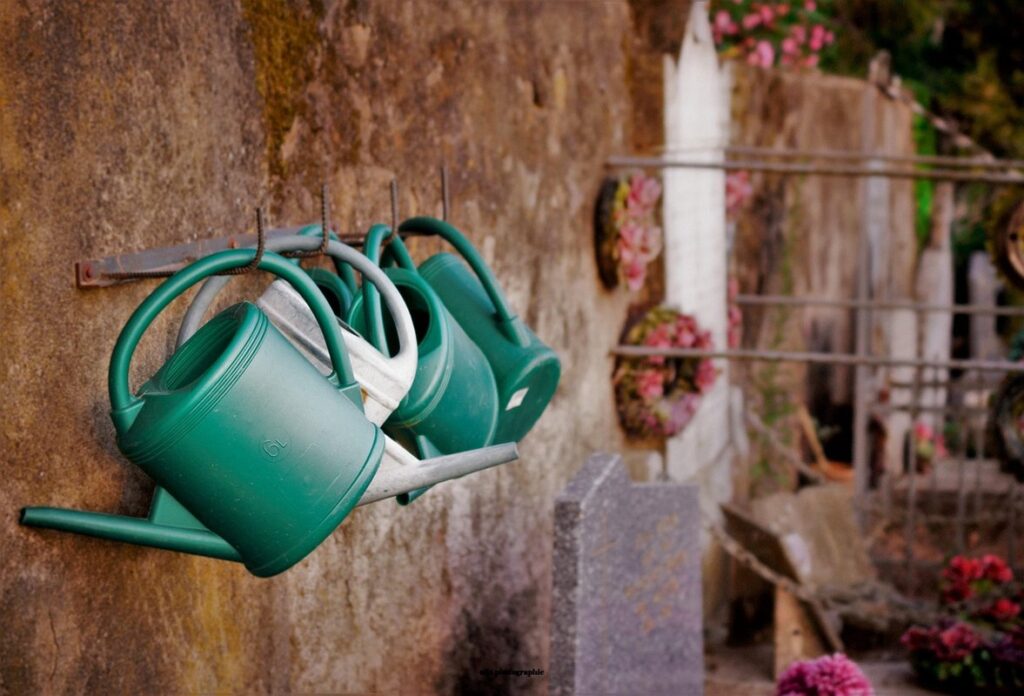
Understanding Your Plant’s Watering Needs
Understanding how often and well your plants need water is crucial, as overwatering can be just as detrimental to container gardens as underwatering. Let’s dive into understanding your plant’s unique watering needs.
Assessing Soil Moisture Levels
Before you reach for that watering can, it’s essential to assess the soil moisture levels in your containers. Overwatering is a common mistake that can be detrimental to your plants’ health, while underwatering can also cause stress and impact growth. To avoid these issues, you need to get a sense of when your plants are thirsty and when they’re not.
One simple way to check soil moisture is by using the finger test. Stick your finger into the soil up to the first knuckle, and if the soil feels dry, it’s time to water. If it still feels damp or moist, wait another day before watering again. This method might not be as precise as other methods, but it’s a good starting point.
Another option is using a moisture meter, which can give you more accurate readings. These meters measure the electrical resistance of the soil, indicating its moisture levels. They’re relatively inexpensive and can be a valuable tool for indoor gardeners or those with multiple containers to manage. By checking soil moisture regularly, you’ll get into a rhythm of watering when your plants need it most, saving water and promoting healthy growth.
Identifying Plant Type and Water Requirements
When it comes to watering containers efficiently, understanding the unique needs of different plant types is crucial. Let’s start with some common varieties: succulents and cacti. These drought-tolerant plants store water in their leaves and stems, making them susceptible to root rot if overwatered. Under-watering can also be detrimental, causing wrinkles or soft spots on the surface.
Tropical plants, on the other hand, thrive in moist environments and require more frequent watering. They have larger leaves that need consistent hydration to maintain their lush appearance. If neglected, they may develop brown edges or drop their leaves altogether.
To determine the right water requirements for your plant, observe its natural habits. Research the specific needs of your plant type, including how often it should be watered and whether it prefers moist soil or drier conditions. Some plants even require specialized care during certain times of the year or in varying climates. By recognizing these unique characteristics, you can tailor your watering schedule to provide just what your container garden needs.
Choosing the Right Containers
When it comes to watering containers efficiently, choosing the right container is crucial for your plants’ health. Selecting a container that’s suitable for your plant species will save you time and effort in the long run.
Selecting the Appropriate Container Size
When selecting a container for your plant, it’s essential to consider its mature size. This may seem obvious, but many of us make the mistake of choosing containers that are too small, only to have our plants outgrow them quickly. As your plant matures, it will need more space for its roots to grow and for water to drain.
To choose a container that suits your plant’s mature size, think about the root growth habits of your particular species. Some plants, like succulents and cacti, have shallow roots and can thrive in smaller containers, while others, like ferns and peace lilies, prefer larger containers with deeper soil to accommodate their extensive root systems.
Consider how easily you’ll be able to water your plant when it’s mature. A container that’s too large may require more frequent watering, which can lead to overwatering and root rot. On the other hand, a container that’s too small may not provide enough room for proper drainage, leading to waterlogged soil and root problems.
Materials for Water-Efficient Containers
When it comes to choosing water-efficient containers, selecting materials that complement your water-saving goals is crucial. Eco-friendly options like terracotta and ceramic pots are excellent choices for plants that require less watering. These materials have built-in drainage systems, allowing excess water to escape quickly, reducing the risk of overwatering.
Modern water-saving containers with built-in irrigation systems take efficiency to the next level. These systems can be programmed to deliver the perfect amount of water at regular intervals, eliminating the guesswork associated with manual watering. Some popular options include self-watering planters and smart planters that adjust their watering schedules based on soil moisture levels.
For example, a self-watering planter like the “Smart Garden” features an integrated water reservoir that feeds plants when needed, ensuring consistent moisture without overwatering. Similarly, ceramic pots with built-in saucers allow for excess water to collect and evaporate, further reducing the need for frequent watering. By incorporating these materials into your container selection process, you can create a more efficient and healthy environment for your plants.
Efficient Watering Techniques
When it comes to watering containers, it’s easy to overwater and end up with sad, soggy plants. In this next part, we’ll dive into efficient watering techniques that save water and keep your plants thriving.
The Importance of Mulching
Mulching is one of the simplest yet most effective ways to retain moisture in container soil. When you apply a layer of mulch, it creates a barrier between the soil and the air, reducing evaporation and minimizing the need for frequent watering. Mulch acts like a blanket, covering the soil’s surface and preventing water loss through transpiration. This is especially beneficial for plants grown in containers, as they tend to dry out quickly due to their small root system.
A good quality mulch can hold up to 5 times its weight in water, which means that even when the mulched area appears dry on top, it still retains moisture beneath. By incorporating mulch into your container gardening routine, you can reduce watering frequency by up to 50%. To make the most of this technique, choose a dense, high-quality mulch like coconut coir or pine straw, and apply it at a depth of about 2-3 inches. This will provide adequate protection for your plants while also allowing excess water to drain away freely.
Self-Watering Systems for Indoor Plants
Self-watering containers are a game-changer for indoor plant enthusiasts. These clever systems store excess water in a separate reservoir, ensuring your plants receive consistent moisture levels without the risk of overwatering. The idea is simple: as you water your plant, the excess water flows into the hidden reservoir below, where it’s slowly released back to the roots as needed.
This ingenious design allows for optimal hydration management, even when you’re away from home. For example, a self-watering pot like the Aqua Globe can hold up to 1 liter of water in its reservoir, providing your plant with a steady supply of moisture over several days. This means less frequent watering and reduced risk of root rot or other problems caused by inconsistent moisture levels.
When choosing a self-watering container, look for one made from food-grade materials that won’t leach chemicals into the soil. Also, make sure the reservoir is large enough to hold excess water without overflowing. By incorporating self-watering containers into your indoor gardening routine, you’ll enjoy healthier, more resilient plants with minimal maintenance and fuss.
Monitoring and Adjusting Watering Schedules
As you tend to your container plants, it’s essential to monitor their watering needs and adjust your schedule accordingly. This means paying attention to temperature changes, humidity levels, and even time of year.
Using Rain Gauges to Track Water Intake
Using rain gauges to measure precipitation is an essential tool for tracking water intake and adjusting watering schedules accordingly. This allows you to fine-tune your watering routine based on the actual amount of rainfall your plants receive.
For instance, if a rain gauge installed near your container garden shows 1 inch of rain over a few days, it’s likely that your plants will need less water than usual during that period. Conversely, if the gauge indicates dry spells between storms, you’ll know to increase watering frequency and volume accordingly.
By incorporating rain gauges into your monitoring routine, you can save water, reduce waste, and prevent overwatering – a common mistake even well-meaning gardeners make. To set up a rain gauge system, simply place one near each container or group of plants, ideally under a tree or in a shaded area to avoid direct sunlight.
Regularly check the readings to inform your watering schedule adjustments. For example, if the gauge shows 0.5 inches over the last three days, you might decide to water every other day instead of daily. Remember, precise measurements empower informed decisions – helping your plants thrive while conserving this precious resource.
Keeping Track of Temperature and Humidity
When it comes to watering containers efficiently, understanding how temperature fluctuations and humidity levels affect plant water needs is crucial. Plants absorb water through their roots, but this process can be slowed down or sped up depending on the surrounding environment.
Temperature extremes can have a significant impact on plant water requirements. For example, temperatures above 75°F (24°C) can cause plants to lose moisture quickly, while temperatures below 55°F (13°C) can slow down water absorption. Similarly, humidity levels play a vital role in determining how much water your plants need. In dry environments, plants may require more frequent watering, whereas in humid climates, they may be able to survive with less.
To adjust your watering schedule accordingly, start by monitoring the temperature and humidity levels in the area where your containers are placed. Use a thermometer and hygrometer to track these factors over time. Based on this data, you can adjust your watering schedule to ensure that your plants receive the right amount of water at the right time. For instance, if it’s been hot and dry, you may need to water more frequently, but in cooler or humid conditions, you can space out your watering sessions accordingly.
Overcoming Common Challenges
One of the biggest hurdles to efficient container watering is dealing with inconsistent moisture levels, but don’t worry, we’ve got solutions for you. Let’s tackle some common challenges that get in your way!
Preventing Over-Watering and Root Rot
Over-watering is one of the most common mistakes container gardeners make. It’s easy to get caught up in the excitement of nurturing new plants and forget to check if they’re getting too much water. However, over-watering can lead to root rot, a condition where the roots of your plant begin to decay due to excessive moisture.
One key sign of over-watering is yellowing leaves, which are often the first indication that something’s wrong. Check for soft, mushy stems or if the leaves are drooping excessively – these are also red flags. To prevent root rot and ensure good drainage in containers, make sure they have at least one to two inches of space between the soil level and the top of the pot. This allows excess water to drain out rather than accumulating inside the container.
Add a layer of small rocks or broken pottery beneath the soil for improved drainage and aeration. These materials allow water to pass through while also preventing the soil from becoming too dense. Regularly check your plants’ moisture levels by sticking your finger into the soil up to the first knuckle, and adjust watering schedules accordingly.
Managing Under-Watering Stress
When you notice that your plants are showing signs of under-watering stress, it’s essential to address the issue promptly to prevent long-term damage. Under-watered plants may exhibit wilted leaves, yellowing, or a general decline in health. To revive stressed plants, start by thoroughly watering them with lukewarm water, allowing excess moisture to drain from the pot.
Monitor your plant’s response closely over the next 24-48 hours. If it shows signs of improvement, continue to provide regular but not excessive waterings. However, if the plant still appears stressed or begins to exhibit symptoms again shortly after watering, you may need to reassess its needs and adjust its watering schedule accordingly.
Preventing under-watering stress in the first place is equally crucial. This can be achieved by monitoring your plants’ watering schedules, taking into account factors such as temperature fluctuations, humidity levels, and seasonal changes. Make sure to water your plants when the top inch of soil feels dry to the touch, avoiding overwatering which can lead to root rot and other complications.
Conclusion: Long-Term Efficiency Strategies
Now that you’ve mastered the basics of watering containers efficiently, it’s time to think long-term and explore strategies for maintaining healthy plants over an extended period. Here are some expert tips to help you succeed.
Integrate Smart Watering Devices
As you’ve mastered the art of watering containers efficiently, it’s time to take it to the next level with modern smart gardening devices. These innovative tools are designed to monitor soil moisture levels, automate watering schedules, and optimize plant care for healthy plants.
One popular option is a smart watering controller that can be connected to your smartphone or tablet via Wi-Fi or Bluetooth. This device can monitor soil moisture levels in real-time and adjust the watering schedule accordingly, ensuring your plants receive just the right amount of water. For instance, the WaterBotic Smart Watering Controller uses advanced sensors to detect changes in soil moisture and adjusts the watering schedule based on plant type, climate, and other factors.
Other smart gardening devices include wireless soil moisture sensors that can be placed directly into the soil to monitor moisture levels. These sensors often come with a companion app that allows you to track your plants’ water needs and receive notifications when it’s time to water. By integrating these modern tools into your watering routine, you’ll save time, reduce waste, and ensure your plants thrive in containers all year round.
Some popular brands offering smart gardening devices include Rachio, Skydrop, and Parrot Pot. When selecting a device, consider the size of your space, the types of plants you’re growing, and any specific features that might be important to you (e.g., voice control or integration with other smart home systems).
Continuous Monitoring and Adaptation
Monitoring your container garden’s water needs is an ongoing process that requires flexibility and adaptability. As environmental conditions change, so do your plants’ requirements for moisture. Keep a close eye on the temperature, humidity, and light levels in your area, as these factors can significantly impact how quickly your plants dry out.
For instance, during periods of high temperatures or low humidity, your plants will require more frequent watering. Conversely, when it’s cooler and more humid, you may need to water less often. Be sure to check the soil moisture by inserting a finger into the soil up to the knuckle – if the soil feels dry, it’s time for another drink.
Regularly inspect your plants’ leaves for signs of overwatering or underwatering, such as yellowing or browning. This visual feedback will help you adjust your watering schedule accordingly. Consider investing in a soil moisture meter for more precise measurements. By continuously monitoring and adapting to changing conditions, you’ll ensure your container garden receives the optimal amount of water it needs to thrive.
Frequently Asked Questions
How can I measure the optimal watering frequency for my specific climate and plant type?
Measure the optimal watering frequency by tracking rainfall, evaporation rates, and soil moisture levels using rain gauges or smart water sensors. Consider factors like temperature, humidity, and wind speed to adjust your watering schedule accordingly.
What are some signs that I’m overwatering my container plants?
Look out for yellowing leaves, soft stems, and a buildup of salt deposits on the surface of the soil. Regularly inspect your plants’ roots for signs of root rot, and check the soil’s moisture levels using a probe or finger test.
Can I use rainwater harvesting systems to supplement my watering routine?
Yes! Collecting and storing rainwater is an excellent way to reduce your water waste and dependence on municipal supplies. Make sure to properly filter and store the collected rainwater to prevent contamination and ensure its quality for irrigation.
How can I integrate self-watering containers into my existing garden setup?
Choose self-watering containers with built-in water reservoirs or modules that can be connected to a central watering system. Ensure proper drainage and install moisture sensors to monitor soil levels and automate watering schedules as needed.
What are some common mistakes beginners make when transitioning to efficient container gardening, and how can I avoid them?
Avoid overestimating your plants’ needs by monitoring their response to water and adjusting accordingly. Regularly inspect containers for cracks or leaks, and ensure proper drainage and aeration to prevent waterlogged soil conditions. Continuously monitor and adapt to changing weather patterns and plant requirements.