
Watering your pea seeds can be a bit tricky, but don’t worry, we’ve got you covered. It’s essential to get this right, as both overwatering and underwatering can affect seed germination and plant growth. Too little water, and your peas won’t have the necessary moisture to sprout; too much, and they’ll rot in their soil. So, how much water does a plant need for pea seeds? The answer lies in finding that delicate balance between keeping the soil moist and preventing it from getting waterlogged. In this comprehensive guide, we’ll explore optimal watering amounts, signs of overwatering or underwatering, and how to ensure your pea seeds receive just the right amount of moisture. By following our expert advice, you’ll be on your way to growing a lush and healthy pea crop in no time!
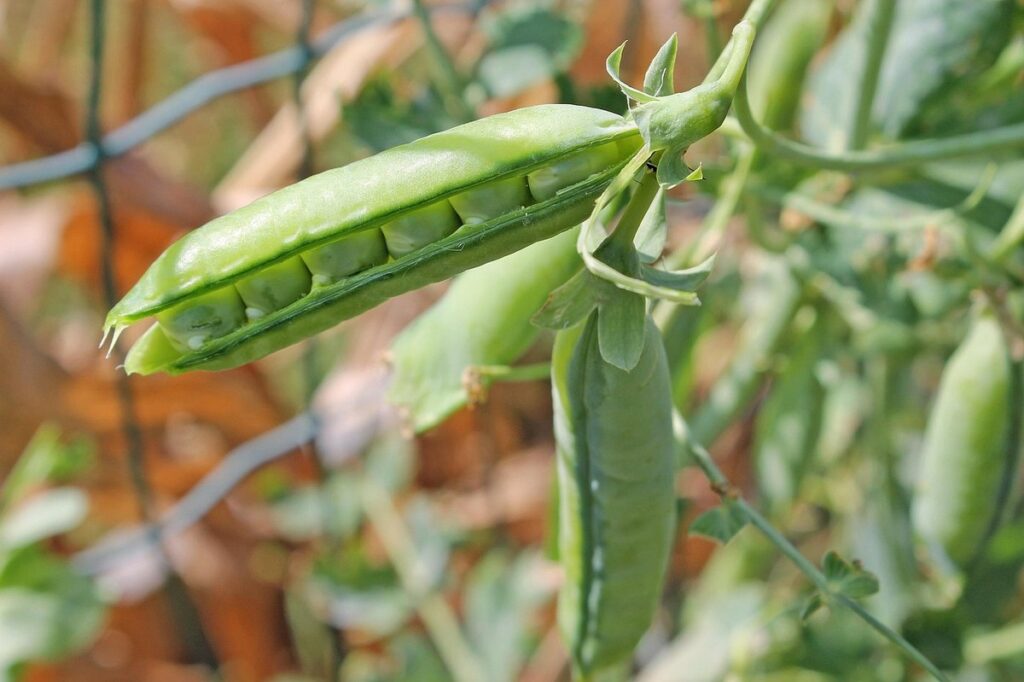
Understanding Pea Seedling Requirements
To grow strong and healthy pea seedlings, it’s essential to understand their water requirements, as excessive moisture can be detrimental to their development. Let’s dive into the specifics of how much water your pea seeds need.
Importance of Water for Pea Seedlings
Pea seedlings have an extremely high water content, making them highly susceptible to drought stress. In fact, research has shown that pea seeds can lose up to 90% of their weight due to transpiration within the first week of germination. This is because they are producing new tissues and cells at a rapid rate, requiring plenty of moisture to support growth.
When exposed to dry conditions for an extended period, pea seedlings become weak and more prone to disease. Their leaves may turn yellow or wilted, and in severe cases, the seedling may even die. To avoid this, it’s essential to maintain consistent soil moisture levels during their early stages of development.
Aim to water your pea seeds gently but thoroughly when the top inch of soil feels dry to the touch. Avoid overwatering, which can lead to root rot and other problems. By prioritizing proper hydration from the start, you’ll give your pea seedlings a strong foundation for healthy growth and development.
How Much Water Do Pea Seeds Need
When it comes to watering pea seeds, understanding their optimal water requirements is crucial for healthy growth and development. The ideal amount of water for pea seeds depends on several factors, including soil type, temperature, and humidity.
In general, pea seeds need about 1-2 inches of water per week, either from rain or irrigation. However, if you’re using a porous potting mix, you may need to water more frequently, as the water will drain quickly through the soil. On the other hand, if your soil is heavy clay or sandy, you’ll need to adjust the watering schedule accordingly.
In warm temperatures (above 65°F), pea seeds require more frequent watering, typically every 2-3 days, while in cooler temperatures (below 55°F), they may only need watering once a week. Additionally, high humidity levels can reduce the need for frequent watering, as the plants will absorb moisture from the air.
To determine if your pea seeds are receiving enough water, check the soil daily by inserting your finger into the soil up to the first knuckle. If the soil feels dry, it’s time to water.
Soil Moisture Levels for Pea Seedlings
For optimal growth, pea seedlings need consistent soil moisture levels that are neither waterlogged nor parched. This delicate balance is crucial during their first few weeks of germination.
Measuring Soil Moisture with a Moisture Meter
Using a moisture meter is an accurate and reliable way to determine the ideal soil moisture levels for pea seedlings. This tool measures the water content in the soil, giving you a precise reading of the moisture levels.
When using a moisture meter, make sure to insert the probe into the soil at least 6-8 inches deep, as this is where the roots of your pea seedlings will be. Hold the meter steady and take multiple readings to ensure accurate results. Some meters may require calibration before use, so be sure to follow the manufacturer’s instructions.
A reading between 30-60% moisture content is usually ideal for pea seedlings. If the reading shows a lower percentage, it’s time to water your plants. On the other hand, if the reading exceeds 60%, you can wait a day or two before watering again. Keep in mind that different soil types may require slightly different moisture levels, so adjust accordingly.
For example, if you’re using a sandy soil mix, you may need to water more frequently as it drains quickly. In contrast, clay soils tend to retain moisture longer, requiring less frequent watering.
Signs of Overwatering or Underwatering
When it comes to watering pea seeds, recognizing signs of overwatering or underwatering is crucial. If you’re not paying attention, these issues can quickly escalate and lead to the demise of your seedlings.
Overwatering is a common problem, especially for novice gardeners. Yellowing leaves are often the first sign that your pea seedlings have too much water. This discoloration is usually accompanied by droopy stems that seem limp and lifeless. In severe cases, root rot can set in, causing the roots to break down and become mushy. You might notice a foul odor emanating from the soil, indicating the presence of root rot.
Underwatering, on the other hand, can be just as detrimental. If your pea seedlings are not receiving enough water, they may develop yellow or brown leaves, and the stems will appear brittle and dry. To avoid these issues, check the soil moisture by sticking your finger into it up to the first knuckle. Water when the top 1-2 inches of soil feel dry to the touch. Adjust your watering schedule accordingly, taking into account factors like weather conditions, soil type, and pot size.
Watering Frequency for Pea Seedlings
When it comes to watering your pea seedlings, timing is everything. Learn how often to water them during their first few weeks of growth in our expert guidance.
Watering Schedule for Indoor and Outdoor Peas
To ensure your pea seedlings receive the right amount of water, it’s essential to have a general watering schedule. For indoor pea seedlings, you should water them once a day during hot summer months and every other day during spring or fall. Watering frequency may vary depending on climate, so if you live in an area with low humidity, increase the watering schedule accordingly.
For outdoor pea seedlings, consider the season. During hot weather, water them twice a week. In cooler seasons like spring or fall, reduce the watering schedule to once every 4-5 days. It’s also crucial to monitor soil moisture levels by inserting your finger into the soil up to the first knuckle. If it feels dry, it’s time for watering.
As pea seedlings grow, adjust the watering schedule accordingly. Avoid overwatering, which can lead to root rot and other issues. A well-watered pea plant typically requires about 1-2 inches of water per week through either rainfall or irrigation.
Adjusting the Watering Schedule for Different Stages of Growth
As pea seedlings progress from germination to maturity, their watering needs change significantly. During the initial stages of growth, seedlings require more frequent watering due to high water demand and small root systems. Typically, this means watering every 2-3 days during the first week after germination.
However, as roots expand and plants grow taller, they develop a more extensive root system capable of absorbing moisture from deeper soil layers. At this stage, you can gradually extend the time between waterings to 4-5 days. It’s essential to monitor your seedlings’ condition closely during this transition period, as some may require more or less water than others.
During the final stages of growth, pea plants reach maturity and produce pods, at which point they require significantly less water. In fact, overwatering can lead to reduced yields and even damage to the plant’s sensitive reproductive structures. Typically, watering every 7-10 days is sufficient for mature pea plants.
Factors Affecting Water Requirements
When it comes to watering pea seeds, several key factors influence how much moisture they actually need. Let’s explore what affects their water requirements and help you get it just right.
Climate and Weather Conditions
When it comes to watering pea seeds, climate and weather conditions play a significant role in determining their water requirements. Temperature is one of the most critical factors, as pea seedlings are sensitive to extreme temperatures. If the temperature is too high (above 75°F/24°C), the soil can dry out quickly, leading to stress and potential damage to the seeds. Conversely, if it’s too cold (below 40°F/4°C), the seeds may not germinate at all.
Humidity levels also impact water requirements, as pea seedlings thrive in moist environments with moderate humidity (50-60%). Prolonged periods of dryness can cause the soil to crack, reducing the availability of water for the developing roots. Sunlight exposure affects water loss through evaporation; if the seeds are exposed to direct sunlight, they may require more frequent watering to prevent moisture stress.
Precipitation patterns also influence pea seedling water needs. In areas with high rainfall, it’s essential to ensure proper drainage and avoid overwatering. Conversely, in dry regions, supplemental irrigation is crucial for healthy seed development.
Soil Type and pH Level
Soil type and pH level play significant roles in determining the water requirements of pea seedlings. Different soil types affect water absorption and retention in various ways. For instance, clay soils tend to hold more water than sandy soils due to their higher particle density. This can lead to waterlogging, which may cause root rot and hinder seedling growth.
On the other hand, sandy soils drain quickly, requiring more frequent watering. Loamy soils strike a balance between these two extremes, retaining moisture without becoming too soggy. Understanding your soil’s texture is essential in tailoring your watering schedule accordingly.
pH levels also impact water absorption. Most pea varieties thrive in slightly acidic to neutral pH (around 6-7). If the soil pH is too high or low, it can affect nutrient availability and alter the soil’s ability to retain water. A general guideline is to maintain a consistent pH within 1 unit of the optimal range for your specific variety.
When planting pea seeds, consider testing your soil to determine its type and pH level. This will help you make informed decisions about watering schedules and fertilizers.
Common Mistakes to Avoid When Watering Pea Seeds
When watering pea seeds, it’s easy to make mistakes that can harm your young plants. Let’s discuss the common errors to avoid for healthy seedling growth.
Overwatering: Causes and Consequences
Overwatering pea seeds is a common mistake that can have devastating consequences. When the soil is too saturated with water, it deprives the roots of oxygen, leading to root rot and ultimately killing the seedling. Fungal diseases such as powdery mildew and downy mildew thrive in moist environments, further exacerbating the problem.
Nutrient deficiencies are also a consequence of overwatering. When excess water leaches essential nutrients from the soil, it can lead to stunted growth, pale leaves, and decreased yields. For instance, pea seeds require adequate nitrogen, phosphorus, and potassium to produce healthy foliage and develop robust roots.
To avoid these consequences, it’s crucial to monitor the soil moisture levels and adjust your watering schedule accordingly. Check the top inch of soil daily by inserting a finger or using a moisture meter. Water only when the top layer feels dry to the touch, and make sure not to overdo it – pea seeds require about 1-2 inches of water per week, depending on climate and soil type.
By being mindful of your watering habits and taking prompt action if you notice any signs of root rot or nutrient deficiencies, you can ensure a healthy and productive crop.
Underwatering: Symptoms and Solutions
If you notice that your pea seeds are not producing new growth, have yellowed leaves, or are struggling to emerge from the soil, it could be a sign of underwatering. Pea seeds require consistent moisture to germinate and grow, but overwatering can be just as detrimental as underwatering.
Common symptoms of underwatering include:
• Yellowed or wilted leaves
• Slow or stunted growth
• Cracking or breaking off of shoots
• Lack of new leaf growth
To recover from underwatering, you’ll want to increase the frequency and amount of water your pea seeds receive. Make sure the soil is consistently moist but not waterlogged. Water your pea seeds in the morning to give them the entire day to absorb the moisture.
When watering your underwatered pea seeds, start by giving them a thorough soaking once a week. Gradually increase the frequency as they begin to grow and recover. Keep an eye on the soil’s moisture levels, and adjust your watering schedule accordingly. With proper care and attention, your underwatered pea seeds should be back on track in no time.
Conclusion and Next Steps
Now that you’ve learned how to properly water your pea seeds, let’s summarize what we’ve covered and explore next steps for optimal growth.
Recap of Key Takeaways
When it comes to watering pea seeds, you’ve learned that there’s more to hydration than just giving them a drink. To recap, here are the key takeaways from our comprehensive guide:
Watering frequency is crucial for pea seedlings, with optimal results achieved by soaking the soil daily for the first week after germination. This ensures the young roots develop strong and healthy.
Pea seeds also require adequate moisture levels to speed up germination time. Make sure the soil remains consistently moist but not waterlogged during this period.
As the seedlings grow, reduce watering frequency to about 2-3 times a week, depending on weather conditions and soil type. Overwatering can lead to root rot and other problems, while underwatering stunts growth.
Additionally, monitor for signs of overwatering such as yellowing leaves or soft stems, and take prompt action to adjust your watering schedule accordingly.
By following these guidelines and making adjustments based on specific conditions, you’ll be well-equipped to provide the right amount of water for your pea seedlings to thrive. Remember, proper hydration sets the stage for healthy growth and a bountiful harvest.
Final Tips for Successful Pea Seedling Care
As you’ve successfully navigated the process of watering your pea seeds and have them germinating into healthy seedlings, it’s essential to continue providing optimal care for continued growth. Monitoring soil moisture is critical during this stage, as overwatering can be detrimental to young plants.
Regularly check the soil by inserting a finger or a wooden stick into it, feeling for moisture levels. Avoid getting water on the leaves to prevent fungal diseases; instead, focus on watering at the base of the seedlings. This approach will encourage deep root growth and make your pea plants more resilient to drought conditions.
Fertilizing is another crucial aspect of pea seedling care. Use a balanced, water-soluble fertilizer (20-20-20) once a week to provide essential nutrients for healthy growth. Prune any weak or spindly growth to promote bushy development and encourage the plant to focus its energy on producing succulent pods.
By following these simple yet effective tips, you’ll be well on your way to raising robust, productive pea plants that will thrive in your garden.
Frequently Asked Questions
What’s the best way to check soil moisture levels for pea seedlings without using a moisture meter?
You can use your finger or a chopstick to gently poke the soil up to 1-2 inches deep. If the soil feels dry, it’s time to water your peas. However, if the soil still feels damp, wait another day or two before checking again. This simple method is especially useful when you’re just starting out with pea seedlings and don’t have a moisture meter yet.
How often should I adjust my watering schedule based on different stages of growth for my pea plants?
As your peas grow, their water requirements will change. Seedlings need more frequent watering, but mature plants can go longer between waterings. Adjust your schedule to reflect these changes: during germination (every 2-3 days), seedling stage (every 4-5 days), and full-growth stage (every 7-10 days). Keep an eye on your plants’ signs of thirst or overwatering to fine-tune the schedule.
Can I use a general-purpose fertilizer for my pea seeds, or do I need a specialized fertilizer?
While a balanced, water-soluble fertilizer can provide essential nutrients for your peas, it’s recommended to opt for a fertilizer specifically formulated for legumes. These fertilizers will contain the necessary micronutrients and macronutrients that promote healthy growth and development in pea plants.
What are some common mistakes to watch out for when watering my pea seeds, and how can I avoid them?
The most common mistake is overwatering, which can lead to root rot and seedling death. To avoid this, make sure the soil drains well, and never let the soil stay waterlogged. Also, be cautious not to underwater your peas, especially during hot or dry spells.
How do I adjust my watering schedule if I’m growing pea seeds indoors versus outdoors?
When growing indoors, you may need to water your peas more frequently due to indoor conditions often being drier than outdoor ones. If you’re growing outdoors, take into account the weather: heavy rainfall can require less frequent watering, while dry spells will necessitate more frequent watering.