
Water hyacinth infestations can quickly overrun your lake, pond, or river, causing problems for aquatic ecosystems and even posing health risks to humans. If you’re dealing with a water hyacinth problem, finding effective control methods is essential to prevent further growth and ensure the health of your water body. But what works best: physical removal, chemical treatment, or using biological control agents? In this article, we’ll explore all three approaches in-depth, providing practical advice on how to manage water hyacinth infestations effectively. From mechanical harvesting to introducing natural predators, we’ll examine the pros and cons of each method to help you choose the best strategy for your specific situation.
Understanding Water Hyacinth: The Problem and Its Impact
Water hyacinth is one of the most invasive aquatic plants, causing significant harm to water bodies worldwide. Let’s break down its impact and why it poses such a major problem.
What is Water Hyacinth?
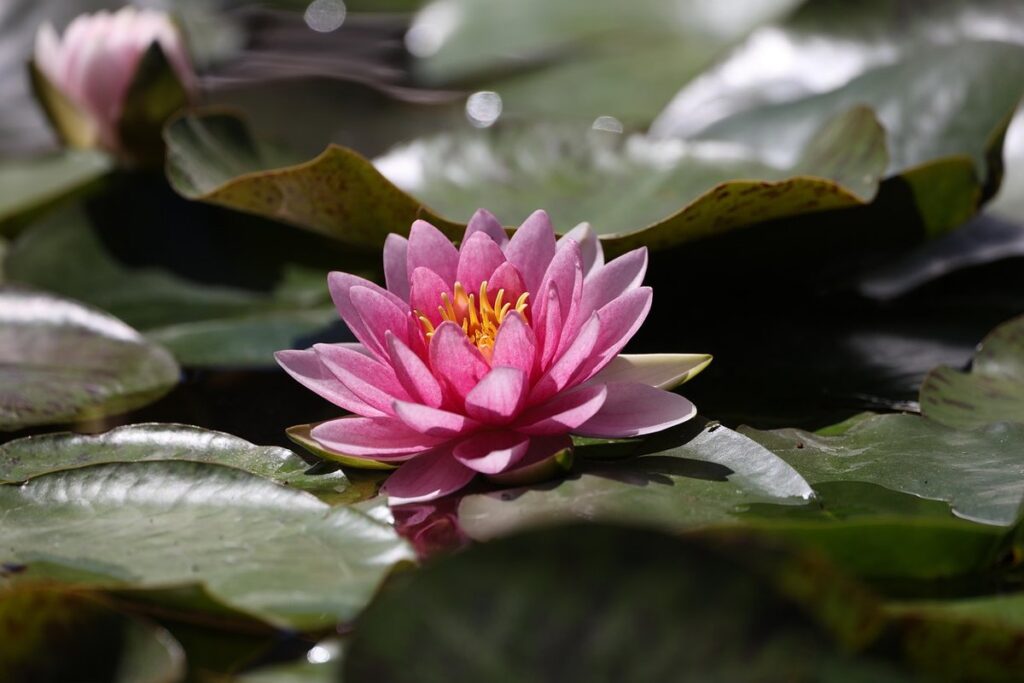
Water hyacinth (Eichhornia crassipes) is one of the most notorious invasive aquatic plants found in tropical and subtropical regions. It’s a free-floating perennial that can grow up to 3 feet long, with bright blue-purple flowers and thick, waxy leaves that resemble those of the peace lily.
You can spot water hyacinth thriving in slow-moving or standing waters such as lakes, ponds, reservoirs, and even rivers. Its ability to form dense mats makes it a nuisance for aquatic ecosystems, blocking sunlight and oxygen from reaching submerged plants. This suffocating effect leads to changes in water chemistry and the loss of native biodiversity.
Water hyacinth is originally from South America but has been spread through human activity and global trade. Today, it’s considered one of the “world’s worst invasive species” due to its aggressive growth rate and ability to outcompete native vegetation for resources.
Water Hyacinth’s Negative Effects on Ecosystems
Water hyacinth’s rapid growth and invasive nature have severe consequences on ecosystems worldwide. When it invades new areas, water hyacinth outcompetes native plant species for resources such as light, nutrients, and space, often leading to their decline or even extinction.
This displacement of native plants disrupts the delicate balance within an ecosystem, causing a ripple effect throughout the entire food chain. For instance, in Lake Victoria, Africa’s largest lake, water hyacinth infestations have reduced fish populations by up to 75%. This not only affects local communities that rely on fishing as a primary source of income but also has broader economic implications.
In addition to its ecological impact, water hyacinth’s presence also causes significant economic losses. In the United States alone, the invasive plant is estimated to cost over $100 million annually in control and management efforts. To mitigate these effects, it’s essential to adopt a multi-faceted approach that includes prevention measures, early detection, and effective control methods.
Regularly monitoring water bodies for signs of water hyacinth infestation and implementing targeted control strategies can help prevent its spread and minimize the damage it causes. This may involve physical removal, herbicide treatment, or biological controls such as introducing specific insects that feed on water hyacinth.
Causes and Contributing Factors to Water Hyacinth Infestations
Water hyacinth infestations are often the result of a combination of factors, including favorable climate conditions and poor water management practices. Let’s explore some of these underlying causes in more detail.
Human Activities Leading to Water Hyacinth Spread
When it comes to the spread of water hyacinth, human activities play a significant role. One major contributor is inadequate waste management. Improper disposal of trash and organic materials can lead to the growth of water hyacinth. For instance, when food waste decomposes in waterways, it releases nutrients that fuel the plant’s growth. This is especially true for areas with poor sewage systems or lack of waste treatment facilities.
Agricultural runoff is another significant factor in the spread of water hyacinth. Fertilizers and pesticides used in farming can enter nearby water bodies through surface runoff or leaching. These chemicals provide a perfect environment for water hyacinth to thrive, allowing it to grow faster and produce more seeds. In fact, studies have shown that areas with high levels of nitrogen and phosphorus in the water are more likely to experience severe infestations.
To mitigate these issues, communities can adopt sustainable waste management practices and implement best management practices (BMPs) for agricultural runoff. This includes using compostable bags, implementing recycling programs, and adopting integrated pest management techniques that minimize chemical usage. By taking control of our own actions, we can reduce the spread of water hyacinth and protect our waterways from this invasive species.
Climate Change and Its Role in Water Hyacinth Proliferation
Climate change is having a profound impact on ecosystems around the world, and one of its lesser-known effects is the proliferation of water hyacinth. Rising temperatures and altered precipitation patterns are creating ideal conditions for this invasive plant to thrive. Warmer waters allow the plant’s seeds to germinate more quickly, and increased rainfall provides it with ample moisture to grow uncontrollably.
As a result, water hyacinth infestations are becoming increasingly common in tropical and subtropical regions, including Africa, Asia, and the Americas. The consequences of this rapid growth are severe: clogged waterways, reduced oxygen levels, and even the displacement of native aquatic species. In fact, studies have shown that areas affected by climate change can experience up to 500% more water hyacinth growth compared to unaffected regions.
To mitigate these effects, it’s essential for communities to adopt proactive measures. This includes implementing integrated management strategies that combine manual removal with biological control methods and addressing the root causes of climate change through sustainable practices. By taking action now, we can prevent further damage to our ecosystems and protect vulnerable waterways from this invasive plant’s destructive power.
Physical Methods for Controlling Water Hyacinth
One effective way to control water hyacinth is through physical methods, which involve manually removing the plant from the waterbody. Let’s explore these hands-on approaches together.
Hand Removal and Cutting
When manually removing or cutting water hyacinth, it’s essential to follow proper safety precautions and use the right equipment. Start by wearing protective clothing such as gloves, long sleeves, and pants to prevent skin irritation and scratches from thorns.
Choose a sharp, sturdy blade or pruning saw specifically designed for cutting aquatic vegetation. Cut the plant at its base, just above the waterline, using a slow and deliberate motion. This helps prevent regrowth and reduces the risk of spreading fragments.
To remove large mats of water hyacinth, use a boat or canoe to access the affected area. Anchor the vessel in place and use a mechanical cutter or a long-handled lopper to sever the plant at its base. Be cautious not to damage nearby vegetation or aquatic habitats during the removal process.
Remember to dispose of removed water hyacinth properly to prevent further spread. Cut plants can be composted, but make sure they are fully broken down before adding them to your garden. It’s also crucial to follow local regulations regarding water hyacinth disposal and management.
Mechanical Harvesting: Tools and Techniques
Mechanical harvesting is a crucial step in controlling water hyacinth populations. This method involves using various tools and equipment to manually remove the invasive plant from bodies of water. Rakes are often used for smaller infestations, as they allow for precision cutting and can be used to reach shallow areas.
For larger areas or denser growths, cutters or flail mowers may be more effective. These machines can be towed behind a boat or tractor, making it easier to cover large expanses of water hyacinth. When using mechanical harvesting equipment, it’s essential to consider the depth of the water and the thickness of the plant growth to ensure efficient removal.
Regular maintenance is also critical to prevent regrowth. After mechanical harvesting, areas should be inspected for any remaining fragments or roots that could lead to new growth. To optimize results, mechanical harvesting should be combined with other control methods, such as herbicides or biological controls, to create a comprehensive management plan.
Chemical Control Methods for Water Hyacinth Management
When it comes to water hyacinth management, chemical control methods can be a crucial tool in your arsenal. This section will explore their effectiveness and best practices.
Herbicides: Types, Application, and Safety Precautions
When it comes to managing water hyacinth infestations, herbicides can be an effective tool for controlling the plant’s growth. There are several types of herbicides available, each with its own strengths and weaknesses.
Selective Herbicides: These chemicals target specific plant species, reducing damage to surrounding vegetation. For example, glyphosate (Roundup) is commonly used against water hyacinth, as it effectively kills the plant without harming other aquatic plants. Selective herbicides are generally safer for the environment but may require multiple applications to achieve desired results.
Non-Selective Herbicides: These chemicals target all plant life, regardless of species. Examples include diquat and endothall, which can be effective against water hyacinth but also harm beneficial aquatic vegetation. Non-selective herbicides should be used with caution due to their potential environmental impact.
Proper application techniques are crucial when using herbicides to minimize environmental damage. Always follow label instructions, wear protective gear, and apply the chemical in the early morning or late evening to avoid drift and exposure to wildlife. Regularly monitoring water quality and aquatic life is also essential after herbicide application.
Integrated Pest Management (IPM) Approaches
When it comes to managing water hyacinth effectively, Integrated Pest Management (IPM) approaches offer a more sustainable and holistic solution. By combining chemical control methods with other techniques, such as physical removal and biological control, IPM strategies can help minimize the environmental impact of water hyacinth management.
One key component of an IPM approach is to use selective herbicides that target specific growth stages or areas of the plant, minimizing harm to beneficial organisms. For instance, a study in Brazil found that using a combination of physical removal and foliar application of a systemic herbicide reduced water hyacinth density by 70% within six months.
In addition to chemical control, IPM strategies often incorporate biological control methods, such as introducing natural predators or competitors of the water hyacinth. For example, the aquatic weevil Neochetina eichhorniae has been successfully used in Australia to control water hyacinth populations by consuming the plant’s leaves and stems.
By adopting an IPM approach, managers can create a more balanced ecosystem that reduces the need for repeated chemical applications. This is achieved by encouraging a diverse range of species that can help regulate water hyacinth growth naturally.
Biological Control Methods for Water Hyacinth Regulation
When it comes to controlling water hyacinth, biological control methods offer a promising approach by introducing natural predators and competitors that can help regulate its population. We’ll explore these innovative methods in more detail below.
Introducing Natural Predators or Pathogens
Introducing natural predators or pathogens is another effective approach to controlling water hyacinth populations. This method relies on utilizing organisms that naturally prey on or attack water hyacinth, thereby reducing its spread and growth.
One such example of a natural predator is the weevil Neochetina eichhorniae. Native to South America, this insect has been introduced in various parts of the world as a biological control agent against water hyacinth. Studies have shown that when released in controlled environments, these weevils can significantly reduce water hyacinth coverage within a few months.
Another option is using pathogens like Phytophthora drepanothecii, which causes root rot and subsequently kills the plant. By introducing this pathogen to affected areas, it’s possible to control large-scale infestations without causing harm to other aquatic life.
Before attempting to introduce natural predators or pathogens, it’s essential to conduct thorough research on their compatibility with local ecosystems and ensure that they won’t cause unintended damage.
Using Aquatic Plants as a Natural Barrier
Using certain aquatic plants as a natural barrier can be an effective way to suppress water hyacinth growth. These “helper” plants compete with water hyacinth for resources such as light, nutrients, and space, thereby reducing its spread. A good example of this approach is using cattails or duckweed to outcompete water hyacinth.
Cattails, in particular, are well-suited for this role due to their ability to grow in dense stands that shade out surrounding vegetation. They also have a robust root system that allows them to compete with water hyacinth for nutrients and light. By introducing cattails or other competitive aquatic plants into an area overrun by water hyacinth, you can gradually reduce the water hyacinth population.
To effectively use these helper plants as a natural barrier, it’s essential to introduce them in areas where water hyacinth is most prevalent. This will allow them to outcompete the invasive species for resources and space. It’s also crucial to monitor their growth and ensure that they are not becoming overly dominant, which could lead to other ecosystem imbalances.
Monitoring and Preventing Re-Growth After Control Efforts
Once you’ve successfully controlled water hyssen plants, it’s essential to implement a monitoring system to prevent re-growth. Regular inspections will help identify potential issues before they become severe again.
Establishing a Monitoring Program
Setting up a monitoring program is crucial to tracking water hyacinth regrowth and adjusting control strategies accordingly. This proactive approach enables you to identify areas where control efforts may have failed and make necessary adjustments to prevent re-growth.
To establish an effective monitoring program, start by identifying key indicators of water hyacinth growth, such as changes in leaf density or aquatic plant biomass. Regularly collect data on these indicators using methods like vegetation surveys, aerial photography, or satellite imaging. For instance, the African Water Management Program uses satellite-based remote sensing to monitor and manage invasive water hyacinth.
Consider a tiered monitoring system that assesses water hyacinth growth at different spatial scales – from local to regional. This will allow you to identify patterns of re-growth and target control efforts more effectively. Regularly review and update your monitoring program to ensure it remains aligned with your goals and adapt to changes in the ecosystem.
Effective communication is also vital for a successful monitoring program. Ensure that all stakeholders, including control effort personnel and community members, understand the importance of regular data collection and analysis. This will foster collaboration and encourage everyone to work together towards preventing re-growth.
Implementing Long-Term Management Plans
Creating a long-term management plan is crucial to preventing re-growth after water hyssen plant control efforts. This comprehensive plan should incorporate three key elements: prevention, early detection, and rapid response.
Prevention is the most effective way to manage re-growth, as it eliminates the opportunity for new growth to occur. Regularly inspecting areas where water hyssen plants are known to thrive can help identify potential problem spots before they become major issues. Implementing measures such as installing physical barriers or using herbicides can also prevent re-infestation.
Early detection is essential in preventing widespread re-growth. Monitoring areas regularly for signs of new growth, including the presence of seeds, rhizomes, or small plants, allows you to take swift action before the problem escalates. Regularly inspecting waterways and surrounding areas will help identify any potential issues early on.
Rapid response is critical in containing re-growth. When new growth is detected, respond quickly by implementing control measures such as herbicides, mowing, or physical removal of plants. The quicker you respond to new growth, the less likely it is to become a major problem.
Frequently Asked Questions
Can I use a combination of control methods for more effective water hyacinth management?
Yes, many experts recommend an integrated approach that combines physical removal, chemical treatment, and biological control agents to achieve optimal results. For instance, mechanical harvesting can be used initially to remove large amounts of water hyacinth, followed by introducing natural predators or pathogens to prevent regrowth. This multi-faceted approach helps to manage water hyacinth more effectively and ensures the long-term health of your aquatic ecosystem.
How do I monitor for re-growth after implementing control measures?
Monitoring is crucial in preventing re-growth after controlling water hyacinth infestations. Establish a regular monitoring program that includes tracking plant density, biomass, and growth rates. You can also use tools like GPS devices or mobile apps to track changes in your aquatic ecosystem. This information will help you identify potential problem areas and make informed decisions about additional control measures.
Are there any risks associated with using herbicides for water hyacinth management?
Yes, chemical treatment methods, including herbicides, carry inherent risks that must be carefully managed. Herbicides can have unintended consequences on non-target species, contaminate drinking water sources, or harm human health if not handled and applied properly. Always follow recommended safety precautions when handling herbicides, wear protective gear, and choose products specifically labeled for aquatic use.
Can I use native plants as a natural barrier to control water hyacinth growth?
Native aquatic plants can be an effective natural barrier to control water hyacinth growth, but their effectiveness depends on various factors. Choose species that are highly competitive with water hyacinth, such as duckweed or cattails, and ensure they are properly planted and maintained. This approach requires careful planning and monitoring to achieve optimal results.
What is the most cost-effective method for controlling large-scale water hyacinth infestations?
The most cost-effective method for controlling large-scale water hyacinth infestations often involves a combination of physical removal and biological control agents. Mechanical harvesting can be expensive, but using natural predators or pathogens to prevent re-growth can save significant costs in the long run. Additionally, integrated pest management (IPM) approaches that involve multiple methods can also provide long-term cost savings by preventing regrowth and minimizing future control efforts.