
Water hyacinth flowers are often misunderstood as pesky invaders, but they’re actually quite fascinating. These beautiful blooms have been captivating people for centuries with their vibrant purple color and delicate appearance. But did you know that water hyacinth also has numerous benefits? From providing oxygen and food for aquatic life to acting as a natural barrier against erosion, this seemingly invasive species is more than meets the eye. However, its rapid growth can also cause problems in waterways, leading to issues with navigation and even posing a threat to local ecosystems. In this comprehensive guide, we’ll delve into the world of water hyacinth flowers, exploring their unique characteristics, benefits, control methods, and cultivation tips to help you understand and manage these intriguing plants.
Section 1: Introduction to Water Hyacinth
Welcome to our comprehensive guide, where we’ll start by introducing you to the majestic water hyacinth flower and its incredible characteristics. This section sets the stage for your in-depth exploration of this fascinating plant.
What is Water Hyacinth?
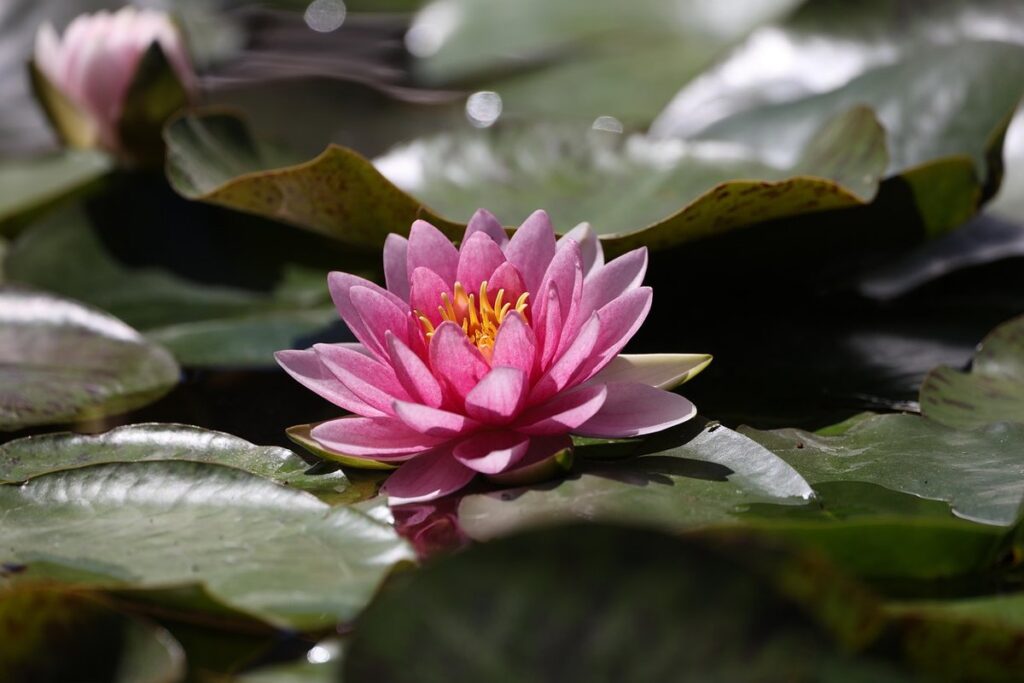
Water hyacinth is a free-floating aquatic plant that has been gaining attention worldwide for its both captivating beauty and detrimental effects on ecosystems. It’s also known by its scientific name, Eichhornia crassipes. This stunning flower gets its name from the resemblance of its blue-purple blooms to the water lily.
Native to South America, specifically Brazil and Paraguay, water hyacinth has spread rapidly across tropical and subtropical regions due to its ability to thrive in a wide range of environments. It’s an ideal example of how a non-native species can quickly outcompete native plants for resources, leading to ecological imbalances.
Water hyacinth prefers warm climates with plenty of sunlight and water. In its natural habitat, it grows in shallow lakes, rivers, and wetlands, where it forms dense mats that impede water flow and block sunlight from reaching other aquatic plants. While it may seem charming at first glance, the consequences of unchecked water hyacinth growth can be severe, making understanding its characteristics crucial for effective management strategies.
History and Spread of Water Hyacinth
Water hyacinth was initially introduced as an ornamental plant to regions such as North America and Europe. This intentional introduction aimed at utilizing its attractive flowers for aesthetic purposes. However, it soon became apparent that the invasive properties of water hyacinth far outweighed its visual appeal.
In favorable climate conditions, with mild temperatures and ample sunlight, water hyacinth quickly proliferated. The plant’s ability to produce large quantities of seeds facilitated its rapid spread. As a result, water hyacinth has become one of the most widely distributed invasive aquatic species globally, outcompeting native vegetation for resources such as light and nutrients.
One major factor contributing to the widespread distribution of water hyacinth is the lack of natural predators in many regions where it was introduced. This absence of predation pressure allowed the plant to grow unchecked, leading to severe ecological consequences.
Section 2: Appearance and Growth Habits
Let’s take a closer look at how water hyacinths grow, including their unique appearance and habits that allow them to thrive in aquatic environments.
Physical Characteristics of Water Hyacinth
Water hyacinth is characterized by its striking appearance, making it difficult to ignore. The flower itself is a vibrant blue or purple hue, often with a white or yellow center, and can grow up to 12 inches in diameter. Its unique shape, featuring three petals and two smaller sepals, adds to its distinctive appearance. However, the leaves are perhaps just as eye-catching, growing up to 2 feet long and having a deep green color.
The stems of the water hyacinth plant are thick and fleshy, supporting the weight of the leaves and flowers. They can grow quite long, often reaching lengths of 10-15 feet or more in ideal conditions. The plant’s ability to spread quickly through underground rhizomes makes it a formidable invasive species.
When identifying water hyacinth, look for these distinctive physical characteristics. Be aware that its beauty belies the potential harm it can cause by clogging waterways and disrupting ecosystems. By understanding its appearance, you’ll be better equipped to manage this plant effectively.
How Water Hyacinth Grows in Aquatic Environments
Water hyacinth grows rapidly in warm waters due to its unique adaptation to aquatic environments. It thrives in temperatures between 64°F and 90°F (18°C and 32°C), making it a common sight in tropical and subtropical regions. As the plant absorbs excess nutrients from the water, it produces long stems that can stretch up to 3 feet in length, creating dense mats on the surface.
These mats can block sunlight, preventing native plants and aquatic life from photosynthesizing, which can lead to oxygen depletion in the water. In fact, a single square meter of water hyacinth can produce over 1,000 pounds of biomass per year, outcompeting native species for resources and space. The rapid growth rate of water hyacinth can be devastating to ecosystems, causing damage to shorelines, clogging waterways, and disrupting aquatic food chains.
It’s essential to monitor water hyacinth populations closely in areas where it has become invasive, taking steps to prevent its spread and mitigate the damage caused by its dense mats.
Section 3: Benefits and Uses of Water Hyacinth
One of the most fascinating aspects of water hyacinth is its versatility, offering numerous benefits that make it a valuable addition to various environments. Let’s explore these advantages in more detail.
Water Purification Properties of Water Hyacinth
Water hyacinth has garnered significant attention for its remarkable water purification properties, making it an attractive natural solution for treating wastewater. This aquatic plant is capable of absorbing and removing pollutants and toxins from contaminated water, rendering it safer for consumption and reuse.
Studies have demonstrated the effectiveness of water hyacinth in removing heavy metals such as lead, mercury, and cadmium from wastewater. In one experiment, a team of researchers observed that water hyacinth reduced the concentration of lead ions in wastewater by up to 95%. Similarly, water hyacinth has been found to be effective in removing nitrates, phosphates, and other inorganic compounds.
The process of using water hyacinth for water purification is relatively straightforward. First, the plant is grown in a controlled environment where it can absorb pollutants from wastewater. The treated water is then collected and reused for irrigation or other non-potable purposes.
Medicinal and Industrial Applications of Water Hyacinth
Water hyacinth has been found to possess a plethora of medicinal compounds that have garnered significant attention in recent years. Researchers have isolated flavonoids, alkaloids, and glycosides from the plant, which exhibit potent antioxidant, anti-inflammatory, and antimicrobial properties. These bioactive molecules have shown promise in treating various ailments, including cancer, diabetes, and cardiovascular diseases. For instance, studies have demonstrated that water hyacinth extract exhibits significant antiproliferative activity against breast cancer cells.
In addition to its medicinal applications, water hyacinth has also been tapped for its industrial potential. The plant’s non-toxic and biodegradable properties make it an ideal material for producing eco-friendly plastics and paper products. Water hyacinth-based bioplastics have been shown to possess superior mechanical strength and thermal stability compared to traditional petroleum-based plastics. Moreover, the cellulose fibers extracted from water hyacinth can be used to produce high-quality paper products with improved durability and water resistance. As the world grapples with plastic pollution and environmental degradation, the industrial applications of water hyacinth offer a promising solution for sustainable development.
Section 4: Environmental Impact of Water Hyacinth
Water hyacinths have a significant impact on our environment, and it’s essential to understand how their rapid growth affects local ecosystems and human populations. Let’s dive into the environmental consequences of this beautiful but invasive flower.
Threats to Native Ecosystems and Biodiversity
Water hyacinth invasion has devastating effects on native aquatic ecosystems. When these non-native plants overgrow, they outcompete native vegetation for resources such as light, nutrients, and space. This leads to a significant displacement of native plant species, altering the ecosystem’s delicate balance. The consequences are far-reaching, causing a ripple effect that impacts entire food chains.
Native animals, too, suffer from this invasion. Water hyacinth provides shelter for invasive species like fish and crayfish, further disrupting the local ecosystem. This leads to a decline in populations of native animals, which can have severe long-term effects on biodiversity. Additionally, water hyacinth can reduce oxygen levels in water bodies by decomposing at an incredible rate, making it difficult for aquatic life to breathe.
Flooding is another risk associated with water hyacinth invasion. The dense growths obstruct waterways, causing water to back up and overtop banks, leading to frequent and sometimes catastrophic flooding events. This can have severe consequences on local communities and ecosystems, emphasizing the need for effective control measures to mitigate these impacts.
Economic Consequences of Water Hyacinth Infestation
Water hyacinth infestations can have devastating economic consequences for local communities. In fact, it’s estimated that water hyacinth infestations cost the global economy billions of dollars each year. For many small-scale fishing communities, the loss of fisheries due to water hyacinth growth is a major concern. As the plants choke off oxygen supply in the water, fish populations decline, leading to reduced income for local fishermen.
The economic impact of water hyacinth infestations doesn’t stop there. In some areas, entire bridges and buildings have been damaged or destroyed by the sheer weight of these aquatic plants. This not only costs taxpayers money for repairs but also disrupts daily life in affected communities. Furthermore, decreased water quality due to water hyacinth growth can deter tourists, which is a significant source of revenue for many local economies.
To mitigate these economic losses, it’s essential for local authorities to invest in effective management and control strategies, such as manual removal or the use of herbicides. Regular monitoring and maintenance are also crucial to prevent re-growth and minimize damage.
Section 5: Management and Control of Water Hyacinth
Effective management and control strategies are crucial for preventing water hyacinth infestations from getting out of hand, and we’ll explore some practical approaches to achieve this.
Biological Control Methods: Insects and Diseases
Biological control methods have been widely used to manage water hyacinth populations. One of the most effective and environmentally friendly approaches is introducing natural predators that feed on the plant. For instance, the weevil (Neochetina eichhorniae) has proven to be a powerful tool in controlling water hyacinth growth.
These tiny insects are specifically designed to target water hyacinth, feeding on its leaves and stems. By releasing them into infested areas, you can help control the spread of the plant and reduce its density. The weevil’s effectiveness lies in its ability to reproduce rapidly, ensuring a steady supply of eggs that hatch into larvae which feed on the water hyacinth.
Another example is the moth (Niphograpta sigillatella), whose caterpillars feed on the leaves of water hyacinth, causing significant damage to the plant. By introducing these natural predators, you can create a balance in the ecosystem and reduce the need for chemical herbicides or manual removal methods. When using biological control methods, it’s essential to monitor the population closely to ensure that the predators do not become too dominant and cause unintended harm to other species in the area.
By implementing biological control methods in conjunction with physical removal, you can effectively manage water hyacinth populations while maintaining a healthy environment.
Chemical and Mechanical Control Methods
When it comes to managing and controlling water hyacinth populations, chemical herbicides and mechanical methods are often employed. Chemical herbicides, such as 2,4-D and glyphosate, have been used to control water hyacinth growth. However, their effectiveness can be limited by factors like concentration, application timing, and environmental conditions.
Mechanical methods, on the other hand, involve physically removing or cutting the plant. Cutting involves using machinery or manual labor to sever the stems at regular intervals, which can help slow down growth but may not entirely eliminate the problem. Removal involves pulling or uprooting the plants from the waterbody, often with the aid of specialized equipment.
While mechanical methods can be effective in the short-term, they require significant resources and labor, and can even create new problems if not done properly, such as clogging waterways or introducing invasive species. Chemical herbicides also carry environmental risks, including potential harm to aquatic life and human health.
Section 6: Cultivation and Care of Water Hyacinth
Cultivating water hyacinth requires a delicate balance between providing optimal conditions for growth and preventing its notorious invasive tendencies from taking over. Let’s dive into the best practices for cultivating this beautiful yet challenging flower.
Growing Conditions and Requirements
Water hyacinth is relatively easy to grow in controlled environments, making it an ideal choice for indoor gardens or greenhouses. To cultivate water hyacinth successfully, you’ll need to provide the right conditions.
First and foremost, water hyacinth thrives in warm temperatures between 65°F (18°C) and 90°F (32°C). It’s essential to maintain a consistent temperature range, as sudden drops can cause damage to the plant. When growing indoors, place your water hyacinth near an east- or west-facing window for optimal sunlight.
Lighting is also crucial, but water hyacinth can tolerate partial shade. Provide at least 4-6 hours of direct sunlight per day, and supplement with grow lights if necessary. In terms of nutrients, use a balanced fertilizer (20-20-20) during the growing season (spring-fall). Water hyacinth is relatively low-maintenance, but it will benefit from regular fertilization to promote healthy growth.
When cultivating water hyacinth in controlled environments, ensure good air circulation and maintain humidity levels around 50-60%. This will help prevent root rot and other common issues associated with overwatering.
Propagation and Breeding Programs
Researchers and horticulturists are working tirelessly to develop new strains of water hyacinth that can thrive in various environments. These efforts aim to improve the plant’s adaptability for both ornamental purposes and biofuel production. By breeding more resilient varieties, these experts hope to make water hyacinth a more viable option for those looking to harness its potential.
One notable example is the development of water hyacinth cultivars that can tolerate high temperatures and drought conditions. These strains are better suited for regions with limited water resources or harsh climates. On the other hand, researchers have also created varieties with enhanced growth rates, making them ideal for large-scale biofuel production.
To propagate these new strains, growers can use a variety of techniques, including tissue culture and seed germination. Tissue culture involves taking stem cuttings from mature plants and using plant growth regulators to induce rooting. Seed germination, on the other hand, requires carefully selecting high-quality seeds that are more likely to produce healthy offspring.
Growers can also explore cross-breeding programs to create new hybrids with desirable traits. This process involves crossing different water hyacinth varieties to introduce new characteristics, such as increased disease resistance or improved biofuel yield. By experimenting with different breeding techniques and cultivars, growers can find the perfect strain for their needs and climate.
For those interested in cultivating these resilient strains, it’s essential to start by selecting high-quality seeds or tissue culture material from reputable suppliers. Growers should also follow proper propagation and care protocols to ensure successful establishment and growth of these new varieties. By doing so, they’ll be able to reap the benefits of more efficient water hyacinth cultivation for both ornamental and biofuel applications.
Section 7: Conclusion and Future Directions
Now that we’ve explored the unique characteristics, benefits, and challenges of the water hyacinth flower, let’s summarize what we’ve learned and look ahead to potential future applications.
Key Takeaways from This Guide
As you’ve navigated through this comprehensive guide on water hyacinth, it’s essential to reflect on the key takeaways that will help you make informed decisions about this aquatic plant. On one hand, water hyacinth provides numerous benefits, including its ability to purify water, serve as a natural air freshener, and even act as a habitat for various aquatic species. These advantages can be leveraged in controlled environments such as ponds or aquariums.
However, it’s equally crucial to acknowledge the drawbacks of water hyacinth, particularly when it grows unchecked in natural ecosystems. Its invasive nature can lead to the displacement of native plants, clog waterways, and even harm local economies through infrastructure damage. In light of this dual perspective, we encourage you to strike a balance between cultivating its benefits and mitigating its risks. To do so effectively, consider the following: monitor your water hyacinth’s growth closely, maintain proper control measures, and avoid introducing it to unregulated areas where it may cause harm.
Research Opportunities and Challenges Ahead
As we conclude our comprehensive guide to the water hyacinth flower, it’s essential to acknowledge the ongoing research and potential future challenges in managing its spread. Researchers are actively exploring the water hyacinth’s potential uses, such as its ability to remove heavy metals from contaminated water. For instance, a study published in the Journal of Environmental Science and Health found that water hyacinth can effectively remove lead from wastewater.
Another area of research focuses on developing more effective control methods for managing water hyacinth populations. This includes investigating biological control agents, such as insects or diseases, that can specifically target the water hyacinth without harming other aquatic species. However, one major challenge lies in ensuring the long-term effectiveness and safety of these control methods.
As we move forward, it’s crucial to continue supporting research into water hyacinth management. This will involve collaborating with local communities, governments, and international organizations to share knowledge, resources, and best practices. By working together, we can develop more sustainable solutions for controlling the water hyacinth and mitigating its negative impacts on ecosystems worldwide.
Frequently Asked Questions
Can water hyacinth be used for biofuel production?
Yes, water hyacinth is a promising feedstock for the production of biofuels due to its high biomass yield and energy content. Research has shown that it can be converted into various types of biofuels, such as biodiesel and biogas, providing an alternative to fossil fuels.
How effective are biological control methods in managing water hyacinth populations?
Biological control methods have been shown to be effective in reducing water hyacinth populations. Techniques like introducing herbivorous insects or using pathogens can significantly slow down the plant’s growth. However, it is essential to monitor and adapt these methods as they may not always provide a long-term solution.
What are some potential risks associated with cultivating water hyacinth for its medicinal properties?
Cultivating water hyacinth for medicinal purposes requires careful consideration of several factors. Risks include the potential contamination of crops with pollutants, allergenic reactions to plant extracts, and competition with other industries for raw materials. Implementing proper safety protocols can mitigate these risks.
Can water hyacinth be used as a natural dye due to its vibrant purple color?
Yes, water hyacinth can be used as a natural dye source. The plant’s flowers contain anthocyanins, which are responsible for their vibrant purple color. These pigments can be extracted and used in textile production or other applications where natural dyes are preferred.
What is the average lifespan of a water hyacinth bloom?
The average lifespan of a water hyacinth bloom varies depending on environmental factors such as temperature and nutrient availability. Typically, blooms last around 2-5 days before wilting and dropping off the plant. Regular pruning or harvesting can encourage continuous blooming and prevent overcrowding.