
If you’re an avid gardener, chances are you’ve encountered vole infestations in your raised beds at some point. These small rodents can be quite destructive, causing significant damage to your plants and potentially ruining an entire season’s worth of hard work. But how do you know if you have a vole problem, and what can you do to prevent or manage the situation? Identifying signs of infestation is crucial – look out for burrows around the base of your raised beds, chewed plant stems and roots, and scattered debris. Our comprehensive guide will walk you through everything you need to know about voles in raised beds, from behavior and habitat to prevention methods and long-term control strategies. With this knowledge, you’ll be well-equipped to protect your garden from these pesky critters and enjoy a bountiful harvest all season long.
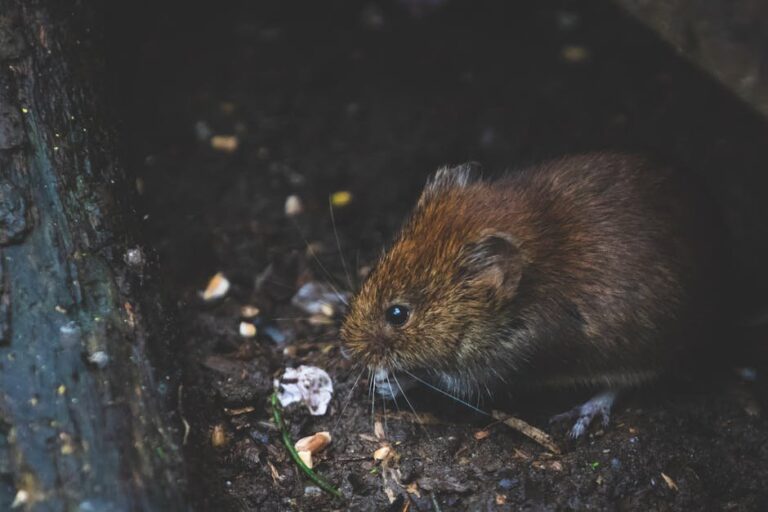
Understanding Vole Behavior and Habitat
To effectively prevent and manage voles in your raised beds, it’s essential to understand their behavior and habitat preferences. We’ll delve into these crucial factors next.
Vole Biology and Life Cycle
Understanding vole biology is crucial to grasping why these rodents thrive in raised beds. Voles are small, rodent-like creatures that belong to the family Cricetidae. They have a robust body, typically weighing between 2-4 ounces, and are around 5-7 inches long, including their tail.
Their life cycle is characterized by rapid reproduction, with females capable of producing up to five litters per year. Each litter can contain two to eight young, known as kits, which are born after a gestation period of just 21 days. The kits mature quickly and start breeding at about six weeks old. This accelerated reproductive rate allows vole populations to grow rapidly.
Voles are also highly social creatures that often live in family groups. They communicate through scent marking, using their sharp teeth and tongue to spread a pungent secretion from their anal glands. This pheromone helps them mark territories, attract mates, and warn other voles of potential threats. As you manage your raised beds, understanding these biological traits can help you devise effective strategies for vole prevention and management.
Preferred Habitat and Nesting Sites
Raised beds are like an all-you-can-eat buffet for voles. These furry critters are attracted to the warm, moist soil and lush vegetation that raised beds provide. But why do they choose raised beds over other areas of your garden? And what types of plants can you plant to either attract or repel them?
Voles are most active during the spring and fall when temperatures are mild and there’s ample moisture in the soil. They prefer areas with dense vegetation, such as perennials, shrubs, and trees, which provide shelter from predators and a cozy nesting site. In raised beds, voles love to burrow into the rich soil, often creating extensive tunnel systems that can compromise the structural integrity of your bed.
Some plants that attract voles include clover, alfalfa, and grasses like oats and wheat. These plants provide vole-friendly food sources and shelter. On the other hand, certain plants, such as lavender, rosemary, and daffodils, are known to repel voles due to their strong scent or toxic properties.
When selecting plants for your raised bed, consider vole-attracting species sparingly, if at all. If you must plant them, choose varieties that are less palatable or unappealing to voles. Consider adding a physical barrier around your raised bed to prevent voles from burrowing in.
Signs of Vole Infestation
When you notice unexplained damage to your raised bed plants, it may be a sign that voles are infesting your garden. Look out for chewed roots and stems as key indicators of vole activity.
Physical Damage to Plants
When it comes to physical damage caused by voles in raised beds, one of the most noticeable signs is gnaw marks on plant stems, roots, and flowers. These rodents are notorious for their ability to chew through even the toughest plant materials, leaving behind telltale signs of their presence. Look for smooth-edged holes or notches on your plants’ stems, as well as frayed or broken leaves and flowers.
But physical damage is just one part of the problem – voles can also spread diseases through their urine and feces. When they deposit these waste products near plant roots, they can introduce fungal pathogens that cause root rot, leaf spot, and other diseases. This is especially concerning for plants like tomatoes and peppers, which are already susceptible to various fungal infections.
To identify vole damage, inspect your plants regularly for signs of gnawing or chewing. Check the soil around your plants’ roots for any unusual odors or moisture levels, as this can indicate vole activity. By catching these problems early on, you can take steps to manage vole infestations and protect your raised bed crops from further damage.
Other Indicators of Vole Presence
While vole tunnels and gnaw marks are often the most obvious signs of infestation, there are other less-obvious indicators to look out for. One common sign is burrow entrances – small holes in the soil, usually around 2-4 inches deep, that can be found near your raised bed’s perimeter or even within it. These holes might seem insignificant, but they’re a clear indication of vole activity.
Keep an eye out for mounds of dirt, too. Voles often create these mounds when excavating their burrows or gathering nesting materials. They can be small and scattered or larger and more defined, depending on the vole’s level of activity. If you notice a pattern of random dirt piles around your raised bed, it might be worth investigating further.
Abandoned nesting sites are another sign to watch for. Voles often reuse their nests, but if they feel threatened or perceive your area as unsafe, they’ll abandon them. You can spot these abandoned sites by looking for matted-down vegetation or scraps of insulation material (like shredded newspaper) around the perimeter of your raised bed.
By keeping an eye out for these signs, you can better gauge the extent of vole activity in and around your raised bed.
Preventing Vole Infestation in Raised Beds
To effectively prevent voles from infesting your raised beds, it’s essential to understand their habits and vulnerabilities. Let’s explore some practical tips for vole-proofing your garden oasis.
Plant Selection and Arrangement
When it comes to preventing vole infestation in raised beds, selecting plants that are less attractive to voles and arranging them strategically can make a significant difference. Voles tend to prefer plants with tender shoots, seeds, and roots, so opting for those with thick, fibrous stems or strong scents can deter them.
Consider planting species like lavender, rosemary, and thyme, which not only repel voles but also add fragrance to your garden. Other vole-deterrent plants include hot peppers, garlic, and daffodils. When arranging your raised bed, remember that voles prefer clear pathways between plants. To disrupt this pattern, interplant taller species among shorter ones or create a meandering path through the bed.
Companion planting is another effective strategy to repel voles. Planting certain species together can confuse the rodents and make it difficult for them to find food. For example, pairing marigolds with tomatoes or basil with lettuce can help keep voles away. By combining these strategies, you can create a vole-resistant raised bed that promotes healthy growth and minimizes damage.
Physical Barriers and Repellents
To effectively prevent voles from accessing your raised beds, it’s essential to consider physical barriers and repellents. One of the most effective methods is using hardware cloth or chicken wire around the perimeter of the bed. Burying 1-2 inches of these materials underground will ensure that voles can’t dig underneath. Alternatively, you can line the bottom of the raised bed with a thick layer of hardware cloth to prevent them from burrowing upwards.
Another option is to use repellent granules or powders specifically designed for vole control. These usually contain predator scents (such as coyote or fox) that voles find disturbing. Sprinkle the product evenly around the perimeter and reapply every few weeks, following the manufacturer’s instructions. It’s also possible to use motion-activated sprinklers that can startle voles and deter them from entering the area.
If you have a larger raised bed setup, consider combining multiple methods for optimal results. For example, you could line the bottom with hardware cloth, surround the perimeter with chicken wire, and sprinkle repellent granules around the edges.
Managing Established Vole Populations
If you’ve already spotted vole activity in your raised bed, it’s essential to address the issue before it gets out of hand. This section provides guidance on safely and effectively managing established vole populations.
Trapping Methods
When it comes to removing established vole populations from raised beds, trapping is often an effective method. However, choosing the right trap can be a challenge. Humane traps are a popular choice among gardeners who want to catch and release voles without harming them.
These live traps typically use bait such as fruits or nuts to lure the vole inside. Once trapped, the vole can be released at least 5 miles away from your property to prevent re-infestation. The effectiveness of humane traps depends on factors like trap size, bait quality, and placement.
Conventional snap traps are another option for removing voles from raised beds. These traps use a spring-loaded mechanism that snaps shut when triggered by the vole’s weight. They’re often used in combination with bait to increase effectiveness. However, be aware that conventional snap traps can harm non-target animals like pets or wildlife if not placed carefully.
To maximize trapping success, consider using multiple trap types and placing them strategically throughout your raised beds. Remember to check local regulations regarding the use of live traps and ensure you’re following proper handling procedures when releasing caught voles.
Exclusion Techniques and Habitat Modification
When managing established vole populations in raised beds, exclusion techniques can be an effective way to prevent further infestation. One method is to use hardware cloth, a metal mesh material that allows light and water to pass through while keeping voles out. Bury the cloth 12 inches deep around the perimeter of your raised bed to prevent voles from burrowing underneath.
Another technique is to install vole guard fencing around individual plants or groups of plants. This can be done using plastic or metal fencing, secured with stakes and stretched tight to prevent voles from chewing through.
Habitat modification strategies also play a crucial role in discouraging voles from returning. Keep your raised bed free of debris, weeds, and dense vegetation that may provide shelter for voles. Remove any fallen fruit, seeds, or other food sources that might attract them. Additionally, avoid planting vole-preferred plants such as grasses, clover, or alfalfa in the same area.
It’s also essential to maintain a clean and well-maintained raised bed by regularly inspecting for signs of vole activity and making adjustments accordingly.
Long-Term Strategies for Vole Control
When it comes to dealing with voles in raised beds, having a long-term plan is crucial. In this next section, we’ll explore effective strategies to prevent and manage these pesky critters over time.
Integrated Pest Management (IPM) Approaches
Effective vole control in raised beds requires a multi-faceted approach that goes beyond relying on a single method. This is where Integrated Pest Management (IPM) approaches come into play. By combining multiple control methods, you can create a long-term solution to prevent voles from damaging your plants.
One key component of IPM is trapping. Live traps or humane vole catchers are an excellent way to humanely remove voles from the area without causing harm. However, it’s essential to use these traps in conjunction with other control methods, such as repellents and physical barriers. For instance, you can place mouse repellent granules around the perimeter of your raised bed to deter voles from approaching.
Another crucial aspect of IPM is preventing vole access through physical barriers. Using hardware cloth or chicken wire to cover the base and sides of your raised bed can help block their entry points. You should also seal any holes or gaps in the bed’s structure with expanding foam or caulk. By combining these control methods, you’ll be well on your way to creating a vole-free zone in your raised beds.
Monitoring and Maintenance
Monitoring vole activity is crucial to prevent re-infestation. Regular inspections should be scheduled every 2-3 weeks during peak vole season. Observe the raised bed for signs of vole activity such as chew marks on plant stems, burrows, or gnawed twigs. Record these observations in a log to track patterns and identify areas where voles are most active.
Pay attention to changes in vegetation health, especially around areas with high vole activity. Voles tend to target specific plants like carrots, beets, and potatoes, so monitor their growth and adjust control strategies accordingly. If you notice an increase in vole activity or signs of re-infestation, reassess your existing measures and consider adapting them.
It’s also essential to inspect the surrounding area for any food sources that may attract voles, such as nearby gardens or compost piles. Keep these areas clean and free from debris to discourage voles from settling near your raised bed.
Frequently Asked Questions
Can I use humane traps for vole control, or are they not effective?
Humane traps can be used to catch voles, but their effectiveness depends on the situation. Voles may become wary of traps if they see other voles being caught and removed. In some cases, it’s better to opt for exclusion techniques and habitat modification as a long-term solution.
How do I know if I have a severe vole infestation that requires professional help?
Signs of a severe infestation include extensive physical damage to plants, burrows extending beyond the raised bed area, and multiple sightings of voles during the day. If you notice any of these signs, consider consulting a pest control professional for guidance on managing established vole populations.
What are some natural repellents I can use to deter voles from my raised beds?
Certain plants like garlic, hot peppers, and mint can help repel voles. You can also try using physical barriers such as hardware cloth or plastic mesh around your plants. Another option is to plant comfrey or daffodils, which are known to be unappealing to voles.
Can I use repellents and traps simultaneously for vole control?
Yes, you can combine repellent methods with trapping techniques to manage vole populations effectively. However, it’s essential to monitor your garden closely and adjust your approach as needed. Make sure to follow local regulations regarding the use of repellents and humane traps.
How do I maintain my raised beds after a successful vole removal effort?
Regular maintenance is crucial for preventing future infestations. Monitor your garden regularly for signs of vole activity, keep your raised beds clean, and maintain physical barriers around plants. Also, consider rotating your crops to avoid attracting voles again in the same area.