
Are you looking to create a stunning garden that not only looks beautiful but also attracts wildlife? If so, you’re in luck because viburnum hedging plants are here to save the day. These versatile and low-maintenance shrubs have been a gardener’s favorite for years, and it’s easy to see why.
Not only do they provide year-round interest with their vibrant flowers and berries, but they also offer excellent privacy screening and can even help purify the air in your garden. In this article, we’ll delve into the benefits of planting viburnum hedging plants, including expert tips on how to plant and maintain them for optimal results. Whether you’re a seasoned gardener or just starting out, you’ll learn everything you need to know about cultivating these incredible shrubs.
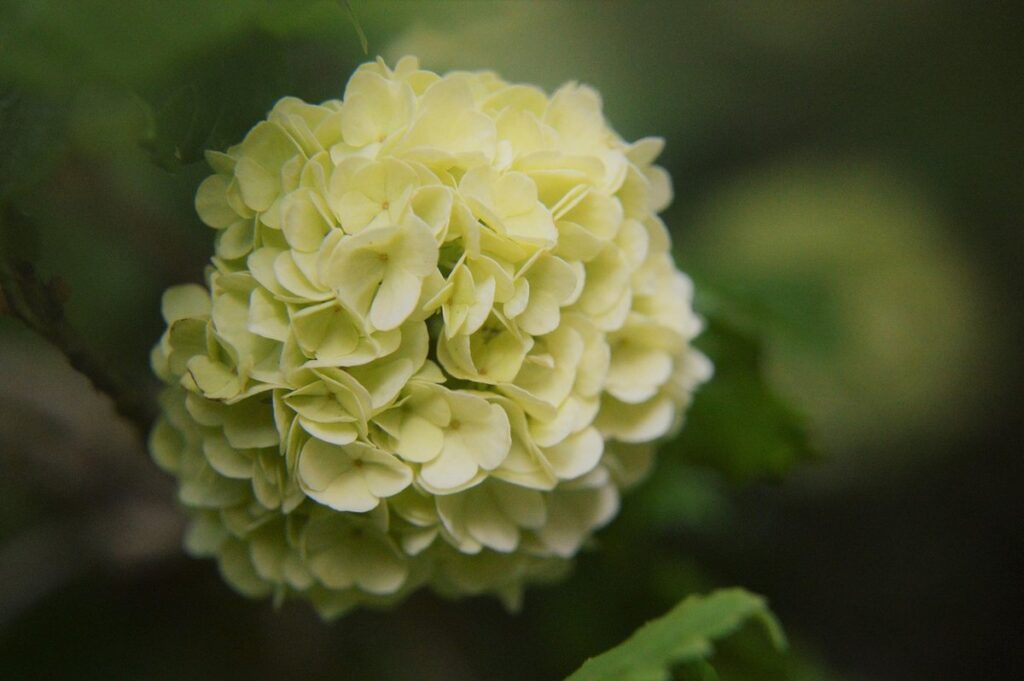
Characteristics and Benefits of Viburnum
Viburnum hedging plants offer a range of impressive characteristics, from their attractive foliage to their vibrant flowers, making them an excellent choice for gardeners seeking a low-maintenance option.
Overview of Viburnum Species
With over 150 species of viburnum hedging plants to choose from, it’s no wonder why these versatile shrubs have become a popular choice for gardeners. But what makes viburnum so special? One of the primary benefits is their low-maintenance requirements – they can thrive in a variety of conditions and need minimal care.
In terms of appearance, viburnum plants offer a range of shapes, sizes, and colors to suit any landscape design. They can grow into compact hedges or be pruned to maintain a formal shape. Some popular species include Viburnum davidii, with its glossy leaves and white flowers; Viburnum tinus, which produces pink-tinged buds in winter; and Viburnum dentatum, known for its vibrant fall foliage.
When selecting the perfect viburnum hedging plant for your garden, consider factors like climate, soil type, and desired growth rate. With so many options available, you’re sure to find a species that meets your needs and adds beauty to your outdoor space.
Attractive Features of Viburnum
One of the most significant advantages of choosing viburnum as a hedging plant is its stunning aesthetic appeal. The glossy leaves that cover the stems are not only beautiful but also provide a vibrant backdrop for the delicate flowers and berries that follow.
The flowers themselves are highly fragrant, emitting a sweet scent that’s particularly noticeable in the early spring months when they’re at their peak. This fragrance can add an extra layer of sensory appeal to your garden or outdoor space, making it even more enjoyable to spend time there. Plus, bees, butterflies, and other pollinators will love the nectar-rich flowers as much as you do.
In autumn, viburnum plants are topped with clusters of berries that attract a variety of wildlife, such as birds, squirrels, and hedgehogs. This is particularly beneficial for gardeners who want to create a wildlife-friendly habitat or support local biodiversity efforts. By incorporating viburnum into your landscape design, you can enjoy the beauty of these flowers and berries while also providing a valuable food source for your local ecosystem.
By choosing a variety like Viburnum davidii, with its deep green leaves and white flowers, you’ll be creating a beautiful, lush backdrop that’s perfect for any garden or outdoor space. The versatility of viburnum makes it an excellent choice for both formal and informal hedges, allowing you to achieve the desired level of structure and visual interest in your landscape design.
Wildlife-Friendly Properties of Viburnum
When it comes to viburnum hedging plants, their wildlife-friendly properties are often overlooked. However, this aspect is a significant benefit of having these plants in your garden. As a berry-producing plant, viburnum provides essential food and shelter for various bird species. The berries are particularly attractive to thrushes, blackbirds, and other fruit-eating birds that play a vital role in controlling pests in your garden.
In addition to attracting birds, viburnum also attracts insects like bees and butterflies, which are crucial pollinators. By incorporating viburnum into your hedging scheme, you’ll be creating a haven for wildlife without even realizing it. To maximize the benefits of viburnum as a wildlife-friendly plant, consider placing them near water sources or in areas with minimal human disturbance.
By doing so, you’ll create an ideal habitat for these plants to thrive and attract a variety of wildlife species to your garden. This is especially true for the spring-blooming varieties like Viburnum x burkwoodii, which provide a vital source of nectar for pollinators in early spring when other flowers are scarce.
Planting and Maintenance Tips for Viburnum Hedging
When it comes to growing beautiful viburnum hedges, knowing how to plant them correctly is crucial. In this section, we’ll cover essential planting and maintenance tips to ensure your hedge thrives.
Choosing the Right Location for Your Viburnum
When it comes to planting viburnum hedging, one of the most critical decisions you’ll make is choosing the right location. This may seem obvious, but it’s essential to consider several factors that will impact your plants’ success.
Soil type is a significant consideration when selecting a location for your viburnum hedging. These plants prefer well-draining soil, as they’re prone to root rot in waterlogged conditions. If you have heavy clay or sandy soils, consider amending the area with organic matter like compost to improve drainage. A pH range of 6.0-7.0 is ideal for viburnum, so if your soil is too acidic or alkaline, you may need to take corrective action.
Sunlight and moisture levels are also crucial factors to consider when choosing a location. Viburnum hedging generally requires at least six hours of direct sunlight per day, although some varieties can tolerate partial shade. Be mindful of areas with standing water or where water tends to collect, as this can lead to root rot. Aim for a spot with consistent moisture levels, but avoid overwatering, which can be detrimental to the health of your plants.
How to Plant a Viburnum Hedge
When planting a viburnum hedge, it’s essential to follow some key steps to ensure its success. First, choose a location that receives partial shade to full sun, depending on the specific variety you’ve selected. Clear the area of any debris and vegetation, then mark out the perimeter of your hedge using stakes and twine.
Next, dig holes for each plant, about 12-18 inches deep and slightly wider than the root ball. Space viburnum plants 3-5 feet apart, depending on their mature size and growth habits. If you’re planting in a row, stagger the rows to create a more natural look.
Gently remove each plant from its container or burlap wrap, taking care not to disturb the roots. Place the root ball into the hole, backfilling with soil and firming it gently around the roots. Water thoroughly after planting, then mulch around the base of each plant to retain moisture and suppress weeds.
By following these steps, you’ll be well on your way to establishing a beautiful and thriving viburnum hedge that will provide structure and interest in your garden for years to come.
Pruning and Training Viburnum for Optimal Growth
Pruning and training your viburnum hedge is crucial to maintain its shape and promote healthy growth. The frequency of pruning will depend on the type of viburnum you have, but as a general rule, it’s best to prune your viburnum twice a year – once in late winter or early spring, and again in mid-to-late summer.
When pruning, remove any dead, diseased, or damaged branches, cutting them back to a healthy section. Also, cut back any leggy shoots that are growing outside the desired shape of your hedge. Make clean cuts just above a growth node using sharp, sterile pruning tools. Don’t forget to wear protective gloves and eyewear when handling your viburnum.
Regular training will help maintain an upright habit and encourage new growth. For young hedges, use stakes or trellises to support the plant until it reaches 2-3 feet tall. As your hedge matures, prune back long shoots by about one-third to two-thirds of their length, cutting just above a side shoot or bud. This will help create a fuller, more balanced shape.
When training, consider using a central leader system for larger hedges, where the main stem is allowed to grow straight up, with lateral branches pruned in to create a balanced canopy. For smaller hedges, you can use a espalier system, pruning shoots along wires or trellises to create a decorative display. By regularly pruning and training your viburnum hedge, you’ll maintain its shape and promote healthy growth, ensuring it remains a stunning feature in your garden for years to come.
Diseases and Pests Affecting Viburnum Hedging Plants
One of the biggest challenges you might face when growing viburnum hedging plants is dealing with diseases and pests that can cause damage to your plants, from fungal infections to hungry insects. We’ll take a closer look at some common issues to watch out for.
Common Diseases Affecting Viburnum
As a viburnum hedging plant owner, it’s essential to be aware of the common diseases that can affect these beautiful plants. Leaf spot and powdery mildew are two of the most prevalent issues you may encounter.
Leaf spot is caused by fungal pathogens such as Cercospora or Septoria, which thrive in moist conditions. Symptoms include yellowing leaves with black spots, often accompanied by a grayish mold on the underside of the leaf. To prevent leaf spot, ensure good air circulation around your viburnum plants and avoid overhead watering. If you do encounter leaf spot, treat it promptly with a fungicide specifically designed for tree and shrub care.
Powdery mildew is another common issue caused by fungal pathogens such as Podosphaera or Sphaerotheca. It appears as a white, powdery coating on the upper surface of leaves, often accompanied by yellowing or stunted growth. To prevent powdery mildew, maintain good garden hygiene and remove any infected foliage to prevent the spread of disease. Treat affected plants with a fungicide containing sulfur or neem oil.
Preventing these diseases is key to maintaining healthy viburnum hedging plants. Regular inspections can help you identify potential issues early on, allowing for prompt treatment and minimizing damage.
How to Identify and Manage Pests in Your Viburnum Hedge
When it comes to maintaining your viburnum hedge’s health, identifying and managing pest infestations is crucial. Common pests that can harm your plants include aphids, whiteflies, spider mites, scale insects, and caterpillars.
To identify these pests, look for signs such as yellowing leaves, distorted growth, sticky honeydew droplets on the foliage or ground below, or actual insects visible on the plant. For instance, if you notice clusters of small, soft-bodied creatures on the underside of your viburnum’s leaves, it could be a spider mite infestation.
To manage pest populations, start by inspecting your plants regularly and removing any heavily infested sections. Next, use insecticidal soap or neem oil to control mild infestations. For more severe cases, consider consulting with a gardening professional for targeted treatments. Some natural methods include introducing beneficial insects like ladybugs or lacewings that prey on the pests, while others recommend using sticky traps or fine mesh covers to deter aphids and whiteflies. Regular pruning can also help maintain air circulation and prevent moisture buildup, making your plants less susceptible to pest infestations.
Design Ideas for Using Viburnum Hedging Plants
To get the most out of your viburnum hedging plants, let’s explore some creative design ideas that will add beauty and functionality to your garden. From topiaries to screens.
Creating a Focal Point with Viburnum
When using viburnum hedging plants as a focal point, consider creating a standalone statement piece. This can be achieved by selecting a variety with striking features such as large white flowers, vibrant fall color, or interesting bark patterns. For example, Viburnum plicatum ‘Kilimanjaro Trekker’ produces large white blooms that create a stunning display in late spring.
To maximize the visual impact of viburnum as a focal point, consider combining it with complementary plants that enhance its unique features. For instance, pair the vibrant fall color of Viburnum dentatum with low-maintenance groundcovers like sedum or creeping thyme to create a visually appealing contrast. Alternatively, combine the large leaves of Viburnum x rhytidophylloides ‘Diabolique’ with spring-blooming bulbs like tulips or daffodils for a dynamic display.
When designing with viburnum as a focal point, remember to leave space around it to showcase its unique features. A general rule of thumb is to allocate at least 1-2 times the mature spread of the plant when selecting companion plants. This will allow the viburnum to take center stage while still providing context and visual interest from surrounding plants.
Mixing Viburnum with Other Plant Species
When it comes to creating a stunning and diverse garden landscape, mixing viburnum with other plant species is an excellent way to add visual interest and texture. One of the benefits of combining viburnum with roses is that they create a beautiful contrast in terms of foliage and bloom time. For instance, pairing viburnum’s glossy leaves with the delicate petals of roses can produce a striking combination that attracts pollinators and adds charm to your garden.
Another option is to combine viburnum with conifers to create a dramatic, layered effect. Conifers provide year-round structure and interest, while viburnum’s flowering habit adds pops of color in spring and summer. This combination is particularly effective when used as a hedge or screen, allowing the evergreen foliage of the conifers to provide year-round screening while the viburnum blooms add seasonal flair.
When mixing viburnum with other plant species, be sure to consider factors such as mature size, growth rate, and maintenance needs to ensure a harmonious coexistence. With careful selection and placement, you can create a unique and beautiful garden design that showcases the best qualities of each plant involved.
Tips for Propagation and Division of Viburnum Hedging Plants
To successfully propagate or divide your viburnum hedging plants, it’s essential to follow some simple yet crucial steps that will ensure their continued health and growth. Let’s dive into the details of propagation and division.
Propagation Methods for Viburnum
When it comes to propagating your viburnum hedging plants, you have several methods at your disposal. One of these is through seed propagation. This method is suitable for those who want to create new varieties or propagate from a specific cultivar. However, seed propagation can be a lengthy process, taking around 1-2 years before the seedlings are ready for planting.
Another popular method is stem cuttings. This involves taking sections of stem from mature viburnum plants and rooting them in a nursery bed or container. The key to success lies in choosing healthy stems with at least two nodes (the joints where leaves meet the stem). Cut the stems just below a node, remove lower leaves, and place the cutting in a mix of peat moss and perlite. Keep the soil consistently moist but not waterlogged.
Layering is also a viable method for propagating viburnum hedging plants. This involves bending a long shoot down to the ground or a low-lying branch and securing it with a U-shaped wire or clip, allowing roots to develop over time. As with stem cuttings, layering allows you to propagate from mature plants while minimizing root disturbance.
Keep in mind that not all viburnum species are suitable for layering; check your specific variety’s propagation requirements before attempting this method.
How to Divide Mature Viburnum Hedges
Dividing a mature viburnum hedge can be a game-changer for gardeners looking to expand their outdoor space without breaking the bank. Not only is it cost-effective, but it’s also an excellent way to propagate new plants and share them with friends or family.
To divide your mature viburnum hedge, start by identifying sections of the hedge that are at least 2-3 feet in diameter. These sections should have their own roots system and be relatively self-sufficient. Use a shovel or gardening saw to carefully dig around these sections, taking care not to damage any nearby plants.
Once you’ve dug up the sections, gently tease apart the roots using your fingers or a blunt instrument like a chopstick. This will help stimulate new growth and encourage the plant to establish itself in its new location. Replant the divisions in a spot with well-draining soil and partial shade, watering thoroughly after planting.
When replanting divided sections of your hedge, space them about 12-18 inches apart to allow for adequate air circulation and sunlight penetration. This will help prevent disease and promote healthy growth. With proper care, your new plants should establish themselves quickly, providing a lush and thriving addition to your garden in no time.
Conclusion: Unlocking the Potential of Viburnum Hedging Plants
As we’ve explored the many benefits and uses of viburnum hedging plants, let’s now focus on unlocking their full potential for your garden or landscape.
Recap of Key Takeaways
As we conclude our comprehensive guide to viburnum hedging plants, let’s take a moment to recap the key takeaways that will help you unlock their full potential in your garden. Whether you’re a seasoned gardener or just starting out, these essential points will provide a solid foundation for incorporating viburnum hedging into your landscape design.
First and foremost, it’s crucial to understand that viburnum is a versatile plant species offering a range of benefits beyond its striking beauty. Its ability to tolerate various conditions makes it an excellent choice for gardens with limited soil quality or exposure to harsh weather. As we discussed in detail earlier, there are over 150 species of viburnum, each with unique characteristics and growth habits.
When selecting the perfect viburnum hedging plant for your garden, consider factors such as mature size, growth rate, and flowering periods. Some popular varieties like Viburnum opulus ‘Roseum’ offer beautiful flowers in spring, while others like Viburnum davidii are prized for their compact growth habit.
To ensure a thriving viburnum hedge, provide well-draining soil and adequate sunlight – most species prefer full sun to partial shade. Regular watering and fertilization will also promote healthy growth and prevent common issues like leaf drop or disease.
Incorporating viburnum hedging into your garden design can be achieved through creative pruning techniques. By shaping the plants to create a formal topiary or a more relaxed, informal shape, you can add visual interest and texture to your landscape.
Lastly, remember that viburnum is an attractive choice for wildlife-friendly gardens due to its ability to attract pollinators like bees and butterflies. By incorporating these hardy plants into your garden, you’ll not only enhance its aesthetic appeal but also contribute to a more sustainable ecosystem.
Frequently Asked Questions
Can I grow viburnum hedging plants in containers?
Yes, you can grow viburnum hedging plants in containers if you choose a large enough pot with good drainage. Make sure the container is at least 2-3 times bigger than the plant’s root ball and has a wide mouth to allow for easy maintenance. This way, you can still enjoy the benefits of a viburnum hedge even on balconies or patios.
How do I keep my viburnum hedging plants pest-free?
To keep your viburnum hedging plants pest-free, regularly inspect them for signs of pests like aphids, spider mites, or scale. Use organic pest control methods whenever possible, such as neem oil or insecticidal soap, to avoid harming beneficial insects and the environment.
Can I propagate viburnum hedging plants by seed?
While it’s technically possible to propagate viburnum hedging plants from seed, this method can be slow and unpredictable. A more reliable option is to take semi-ripe cuttings in late summer or autumn, which will give you a higher success rate and faster results.
What are some common diseases affecting viburnum hedging plants?
Some common diseases affecting viburnum hedging plants include powdery mildew, leaf spot, and root rot. To prevent these issues, ensure good air circulation around the plants, water them carefully to avoid overwatering, and treat any fungal infections promptly with a fungicide.
Can I use viburnum hedging plants for boundary hedges in small gardens?
Yes, you can use viburnum hedging plants for boundary hedges in small gardens. Their compact growth habit makes them an excellent choice for smaller spaces, and their low-maintenance requirements ensure they won’t take up too much of your time or resources.