
If you’re fascinated by lesser-known plant species that offer endless possibilities for exploration, then get ready to delve into the captivating world of Vaccinium ovatum. This intriguing plant has garnered significant attention among botanists and researchers due to its unique characteristics and potential medicinal uses. Native to certain regions with specific climate conditions, Vaccinium ovatum has adapted remarkably well in its habitat. With our growing interest in natural remedies and sustainable practices, understanding the properties and propagation techniques of this remarkable plant becomes increasingly essential.
In this article, we’ll take an in-depth look at Vaccinium ovatum’s classification, medicinal uses, propagation methods, and conservation status. By exploring these aspects, you’ll gain valuable insights into the world of Vaccinium ovatum and its importance for both scientific research and practical applications. Whether you’re a seasoned botanist or a curious reader, this journey will take you through the fascinating realm of Vaccinium ovatum plants.
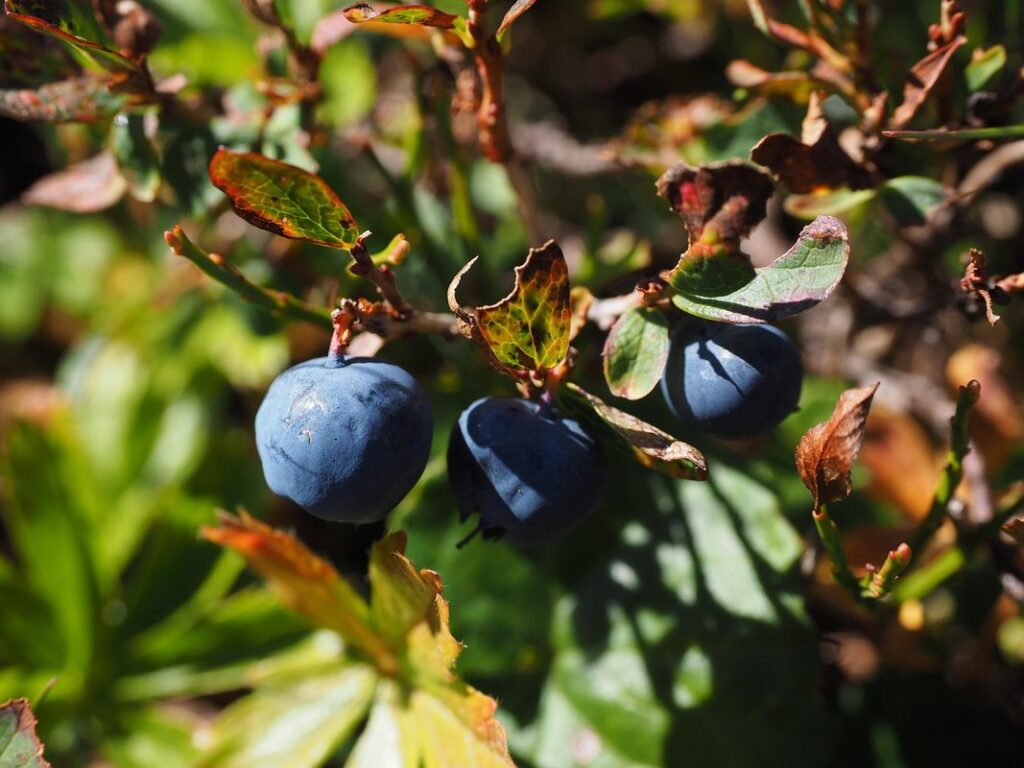
What is Vaccinium Ovatum?
So, what exactly is Vaccinium ovatum and how does it differ from other plants in its family? Let’s break down the key characteristics that define this fascinating species.
Plant Classification and Family
As you delve into understanding the world of Vaccinium ovatum plants, it’s essential to grasp their classification and family. These details provide a foundation for recognizing and appreciating this remarkable species. Vaccinium ovatum falls under the Ericaceae family, commonly referred to as the heath or heather family. This group encompasses various shrubs and small trees, predominantly found in acidic soils.
Ericaceae’s characteristics are quite distinct, with many members showcasing glossy leaves, often bearing white or pinkish flowers. Notably, this family is rich in biodiversity, comprising over 40 genera worldwide. Vaccinium ovatum itself can be distinguished by its compact growth habit, typically reaching up to 1-2 meters in height, and its waxy leaves that are usually oval-shaped.
Understanding the Ericaceae family helps you recognize the plant’s broader context within the botanical world. Familiarizing yourself with its unique features enables a more informed approach to identification. As you venture into exploring Vaccinium ovatum further, being aware of these classification details will undoubtedly aid in your recognition and appreciation of this intriguing species.
Distribution and Habitat
Vaccinium ovatum is typically found growing wild in the Pacific Northwest region of North America, specifically in the states of California, Oregon, and Washington. It thrives in acidic soils with high humidity levels, making it a common inhabitant of coniferous forests, particularly those dominated by Douglas-fir, western hemlock, or Sitka spruce.
In terms of geographic regions, Vaccinium ovatum tends to favor areas near the coast where the climate is mild and rainfall is abundant. It’s not uncommon to find this plant growing at elevations between 300-1,500 meters above sea level, where the soil remains moist but not waterlogged.
If you’re hoping to spot Vaccinium ovatum in its natural habitat, look for areas with an understory of dense shrubs and ferns. This plant often grows in association with other species like salal (Gaultheria shallon) or huckleberry (Vaccinium parvifolium), which share similar growth habits and environmental preferences. Keep in mind that Vaccinium ovatum is a rare species, so it’s essential to respect its habitat and not disturb the surrounding vegetation when attempting to locate it.
Physical Characteristics and Growth Habits
When examining a Vaccinium ovatum plant, it’s essential to consider its physical characteristics, such as leaf shape and size, and growth habits. These traits can be crucial in identifying the species accurately.
Leaf Structure and Arrangement
The leaves of Vaccinium ovatum plants are one of its most distinctive features. They are oval-shaped and have a rounded tip, typically measuring between 2-4 inches (5-10 cm) in length and 1-2 inches (2.5-5 cm) in width. The leaf color is a deep green on the top surface, while the underside is often lighter with a waxy texture.
The leaves are arranged oppositely on the stem, which means that they alternate in direction as you move up or down the plant. This arrangement creates a neat and compact appearance, often giving Vaccinium ovatum plants a bushy shape. One notable feature of the leaves is their margin, which is serrated with small teeth-like protrusions.
When examining a Vaccinium ovatum leaf, pay attention to its venation pattern. The veins are typically prominent and radiate out from the center of the leaf in a distinctive manner. This characteristic can be useful for identification purposes, especially when comparing it to other Vaccinium species. Overall, the unique shape, size, color, and arrangement of the leaves make Vaccinium ovatum an attractive addition to any landscape or botanical collection.
Stem and Flower Details
The stems of Vaccinium ovatum plants are slender and wiry, often growing erect and reaching heights of up to 2 feet. They are covered with a fine layer of soft hairs, giving them a delicate appearance. As the plant grows, new shoots emerge from the base, forming a low-lying mat that can spread quite extensively.
In terms of flower color, Vaccinium ovatum produces small, bell-shaped blooms in shades of pink to purple. The flowers are relatively small, typically measuring around 1/4 inch in length and are clustered at the tips of the stems. They have five stamens, with four of them being fused together to form a tube-like structure.
It’s worth noting that Vaccinium ovatum is dioecious, meaning that individual plants are either male or female. Male flowers produce large amounts of pollen, while female flowers contain the ovary and stigma necessary for seed production. If you’re trying to propagate new plants, it’s essential to have both male and female specimens nearby.
When identifying Vaccinium ovatum, look closely at the shape and coloration of the stems and flowers. The plant’s overall appearance is a key distinguishing feature, and paying attention to these details can help you confidently identify this species in the wild or in cultivation.
Uses and Benefits
Now that you know what Vaccinium ovatum plants look like, let’s explore their practical uses and benefits, from culinary applications to potential medicinal advantages.
Medicinal Properties
Vaccinium ovatum has been studied for its potential medicinal properties, with traditional uses in folk medicine and ongoing research into its modern applications. Some of the known health benefits associated with Vaccinium ovatum include antioxidant and anti-inflammatory effects, which may contribute to its use in reducing inflammation and fighting oxidative stress.
Research on Vaccinium ovatum suggests that it may have antimicrobial properties, inhibiting the growth of certain bacteria and fungi. This has led some scientists to investigate its potential as a natural preservative or antiseptic agent.
While more studies are needed to confirm the efficacy of Vaccinium ovatum for specific health conditions, initial findings suggest that extracts from the plant may have therapeutic effects. Some proponents recommend using Vaccinium ovatum in herbal teas or supplements, but it’s essential to consult with a healthcare professional before consuming any plant-based remedies, especially if you’re considering them as an alternative treatment.
Several studies have also explored the antimicrobial and antioxidant properties of Vaccinium ovatum extracts, demonstrating their potential applications in food preservation and pharmaceutical development.
Culinary and Horticultural Applications
Vaccinium ovatum is a versatile plant with various culinary and horticultural applications. In cooking, it’s commonly used as a direct ingredient in salads, smoothies, and baked goods due to its sweet-tart flavor profile. The berries are rich in antioxidants and can be consumed fresh or frozen for later use.
In addition to direct consumption, Vaccinium ovatum is often utilized in the production of jams, preserves, and teas. These products showcase the plant’s potential as a flavorful and healthy ingredient in a variety of culinary contexts. For example, a popular recipe involves mixing Vaccinium ovatum berries with sugar and pectin to create a homemade jam.
Beyond its edible applications, Vaccinium ovatum has gained popularity as an ornamental plant due to its attractive foliage and vibrant blue-purple flowers. It’s often used in landscaping to add visual interest and attract pollinators like bees and hummingbirds. When cultivating Vaccinium ovatum for ornamental purposes, it’s essential to provide well-draining soil and moderate watering conditions to ensure optimal growth and blooming.
Propagation, Care, and Cultivation
Now that you know how to identify Vaccinium ovatum plants, let’s dive into their care and cultivation needs to help these unique species thrive in your garden.
Seeds, Cuttings, and Grafting
Propagating Vaccinium ovatum can be achieved through various methods, each with its own advantages and challenges. Seeds are a viable option for propagation, but they require specific conditions to germinate successfully. The seeds need to be stratified for 90 to 120 days at temperatures between 35°F and 45°F (2°C to 7°C) to break dormancy. However, this method can be slow and unpredictable.
Cuttings are another popular method for propagating Vaccinium ovatum. This technique involves taking stem cuttings from mature plants during the dormant season, typically in late winter or early spring. The cut ends should be treated with a rooting hormone to enhance root development. Cuttings usually take 6-8 weeks to develop roots and can be planted individually.
Grafting is also an effective method for propagating Vaccinium ovatum, particularly when it comes to combining different cultivars. This technique involves joining a stem (scion) from one plant onto the root system of another plant (rootstock). Grafting can help improve disease resistance and promote faster growth. When selecting plants for grafting, ensure that the scion is compatible with the rootstock to achieve successful propagation.
It’s worth noting that seed-grown plants may take several years to mature, while cuttings or grafted plants can start producing fruit in as little as 2-3 years after planting.
Soil Requirements and Lighting Conditions
When it comes to growing healthy Vaccinium ovatum plants, soil requirements play a crucial role. These plants prefer slightly acidic soils with a pH range of 5.5 to 6.5, making them ideal for woodland gardens or areas with rich humus content. The optimal nutrient profile includes moderate levels of nitrogen, phosphorus, and potassium (NPK). However, it’s essential to note that Vaccinium ovatum plants have a relatively low fertilizer requirement compared to other species.
In terms of lighting conditions, Vaccinium ovatum plants thrive in partial shade to full sun. They can tolerate intense sunlight, but young seedlings may benefit from dappled or filtered light to prevent scorching. East- or north-facing areas receive ideal light levels for growth, while south-facing locations require more frequent watering and pruning to maintain optimal health.
When choosing a growing site, ensure good air circulation around the plants to promote healthy root development and prevent disease susceptibility. Avoid planting in low-lying areas prone to waterlogging, as this can lead to root rot and other problems. By selecting a suitable location with appropriate soil conditions and adequate light exposure, you’ll be well on your way to growing robust Vaccinium ovatum plants.
Conservation Status and Future Research Directions
As we’ve explored the unique characteristics of Vaccinium ovatum, let’s dive into the conservation status of these plants and examine potential areas for future research.
Threats to Survival and Habitat Destruction
Vaccinium ovatum plants are facing numerous threats to their survival and habitat destruction is one of the most significant concerns. Human activities such as urbanization, agriculture, and infrastructure development have led to widespread deforestation and habitat loss. As a result, Vaccinium ovatum populations are dwindling, and their habitats are becoming fragmented.
The loss of natural habitats not only affects the plants but also impacts the entire ecosystem. For example, the decline of Vaccinium ovatum has led to a reduction in the population of associated pollinators like bees and butterflies. This ripple effect highlights the importance of preserving biodiversity.
Habitat destruction is often a result of human ignorance or negligence. To mitigate this issue, it’s essential for individuals to become aware of their surroundings and take steps to minimize their impact on the environment. For instance, avoiding the use of herbicides and pesticides can help preserve plant life in your local area. By taking small actions, we can collectively make a significant difference in protecting Vaccinium ovatum populations and preserving their habitats.
Research Opportunities in Botany and Ecology
As we delve deeper into understanding and identifying Vaccinium ovatum plants, it’s essential to acknowledge the numerous research opportunities available in botany and ecology. One fascinating area of study is the ecological role that Vaccinium ovatum plays within its ecosystem. These understory shrubs are often found in temperate rainforests, where they contribute significantly to seed dispersal, nutrient cycling, and habitat creation for other species.
Researchers have also begun exploring the pharmacological properties of Vaccinium ovatum, particularly its potential as a source of antioxidants, anti-inflammatory compounds, and antimicrobial agents. Some studies suggest that extracts from these plants may exhibit promising results in reducing oxidative stress and inflammation in various disease models.
For botanists and ecologists interested in pursuing research on Vaccinium ovatum, we recommend exploring the following areas: (1) investigating the plant’s symbiotic relationships with fungi and other microorganisms; (2) examining its adaptability to changing environmental conditions; and (3) analyzing its chemical composition for potential medicinal applications. By delving into these research avenues, scientists can gain a more comprehensive understanding of Vaccinium ovatum’s importance in both natural ecosystems and human health.
Frequently Asked Questions
Can I grow Vaccinium ovatum indoors if I don’t have a suitable outdoor climate?
While it’s possible to propagate Vaccinium ovatum through cuttings or seeds, growing the mature plant indoors can be challenging due to its specific soil and lighting requirements. However, with proper care and a controlled environment, you might succeed in cultivating this plant in an indoor setting.
Are there any specific precautions I should take when handling Vaccinium ovatum plants?
Yes, like many other plants, Vaccinium ovatum requires gentle handling to avoid damage. Be cautious when transporting or pruning the plant, as its delicate structure can be easily bruised. Also, wash your hands thoroughly after handling the plant to prevent any potential skin irritation.
How long does it take for a Vaccinium ovatum seedling to mature?
The time frame for a Vaccinium ovatum seedling to mature can vary greatly depending on factors such as climate, soil quality, and specific propagation techniques. Generally, you can expect the seedling to take anywhere from 2 to 5 years to reach its full maturity.
Can I use Vaccinium ovatum in traditional cooking or is it primarily used for medicinal purposes?
While Vaccinium ovatum does have potential medicinal properties, it’s also edible and has been used in traditional cuisine. Its berries can be consumed raw or cooked into various dishes, offering a sweet-tart flavor profile. However, its culinary applications are still being explored.
Are there any notable research institutions or organizations studying the potential of Vaccinium ovatum?
Yes, several reputable research institutions and organizations worldwide have initiated studies on Vaccinium ovatum’s properties and potential uses. These initiatives focus on understanding its medicinal and ecological significance. If you’re interested in learning more about ongoing research projects, consult academic databases or reach out to relevant scientific communities for updates.