
Are you ready to unlock the full flavor and nutrition potential of the humble yet delicious butternut pumpkin? This versatile and nutritious squash is often overlooked, but with a few simple tips and tricks, you can select the perfect one, store it for longer, and cook it to perfection. In this article, we’ll delve into the world of ripe butternut pumpkin, exploring its impressive health benefits, traditional uses in global cuisine, and creative recipe ideas that will inspire you to experiment with this underrated ingredient. From soups and stews to main courses and desserts, we’ll cover everything you need to know to get the most out of your butternut pumpkin – including how to choose it at its peak ripeness, store it for longer, prepare it easily, and cook it to unlock its full flavor potential.
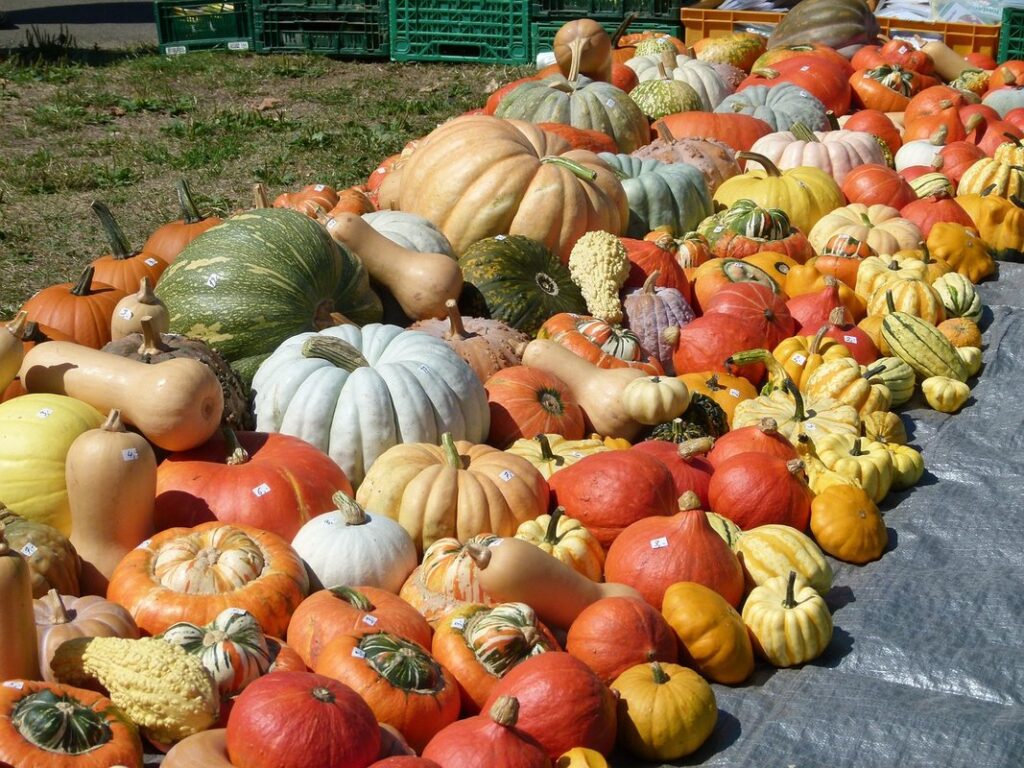
What is a Ripe Butternut Pumpkin?
When it comes to cooking with butternut pumpkin, understanding what constitutes ripeness is crucial. Let’s take a closer look at how to identify and choose a ripe butternut pumpkin for optimal flavor and nutrition.
Characteristics of a Mature Butternut Squash
A ripe butternut pumpkin is not just a seasonal decoration; it’s also a delicious and nutritious addition to your meals. To identify a mature butternut squash, look for the following physical characteristics.
When fully mature, a butternut squash typically reaches a diameter of 5-8 inches (13-20 cm) and weighs between 1-3 pounds (0.5-1.5 kg). The size may vary depending on the variety, climate, and growing conditions.
A ripe butternut pumpkin will have a smooth, hard rind that’s free from soft spots or bruises. The color is usually a rich, deep orange to golden brown, sometimes with a hint of yellow or cream. Avoid squashes with pale or greenish patches, as these can indicate unripe areas.
When you gently thump the squash, it should have a deep, hollow sound, similar to a drum. This indicates that the flesh is fully developed and ripe for cooking.
Signs of Over-ripeness to Watch Out For
As you wait for your butternut pumpkin to ripen, it’s essential to keep an eye out for signs of over-ripeness. Overripe squash can be a disappointment, leading to a loss of flavor and nutritional value. Here are some common signs to watch out for:
* Soft spots or wrinkles on the skin, which can be a sign of water loss and reduced shelf life.
* A dull, yellowish or brownish color, indicating that the natural enzymes have broken down the chlorophyll and other pigments.
* A strong, unpleasant odor, signaling the onset of spoilage.
When you notice any of these signs, it’s likely that your butternut pumpkin has exceeded its optimal ripeness. Overripe squash can become mealy or fibrous, with a starchy taste that’s unpalatable. To avoid this, check on your squash regularly and use it within 2-3 weeks of harvesting for the best flavor and nutritional value. Remember to store it in a cool, dry place, away from direct sunlight and heat sources.
Choosing the Perfect Butternut Pumpkin
When selecting a butternut pumpkin, there are several factors to consider to ensure you end up with one that’s perfect for cooking and at its best flavor and nutritional potential. Size, shape, color, and skin texture all play important roles in making your selection.
Factors to Consider When Selecting a Ripe Squash
When it comes to selecting a ripe butternut pumpkin, there are several factors to consider. First and foremost, let’s talk about size. A ripe butternut pumpkin should be medium to large in size, typically weighing between 5-10 pounds (2.3-4.5 kg). Avoid pumpkins that are too small or too large, as they may not have the same level of flavor and nutrition.
The shape of your pumpkin is also important. A ripe butternut pumpkin will have a symmetrical, rounded shape with no soft spots or bruises. Make sure to inspect the entire surface of the pumpkin for any imperfections.
When it comes to color, you’ll want to look for a deep orange-yellow hue that’s uniform throughout. Avoid pumpkins with green or white streaks, as these can be signs of immaturity. You should also check the stem end, which should be dry and hard. A ripe butternut pumpkin will have a slightly soft spot at the base of the stem, indicating ripeness.
By considering these factors, you’ll be able to select a ripe butternut pumpkin that’s packed with flavor and nutrition.
How to Store Your Freshly Picked Squash
When you’ve finally picked that perfect butternut pumpkin from your garden, it’s essential to store it correctly to preserve its flavor and nutritional value. Here are some key factors to consider: temperature and humidity control.
Firstly, a cool and dry place is ideal for storing your freshly picked squash. Aim for temperatures between 50°F and 60°F (10°C and 15°C), as this range slows down the ripening process. Avoid direct sunlight, as it can cause the skin to become soft and vulnerable to decay. Maintain humidity levels at around 50-60% – high moisture can lead to mold growth.
When handling your butternut pumpkin, be gentle to avoid bruising or puncturing its skin, which can allow bacteria to enter. Wrap it in a breathable material like paper bags or cloth, rather than plastic, to prevent moisture buildup. Don’t wash the squash before storing; instead, wipe it clean with a damp cloth to remove any dirt or debris. By following these simple storage tips, you’ll be able to enjoy your butternut pumpkin for weeks to come.
Preparing Ripe Butternut Pumpkin for Cooking
Now that you’ve selected a ripe butternut pumpkin, let’s walk through the essential steps to prepare it for cooking and unlock its full flavor potential. This includes peeling, cutting, and roasting your prized gourd.
Techniques for Peeling and Cutting the Squash
To unlock the full potential of your ripe butternut pumpkin, it’s essential to tackle the peeling and cutting process with care. Start by placing the pumpkin on a stable surface, then locate the stem end – this is where you’ll begin to peel away the skin. Use a vegetable peeler or a sharp knife to carefully remove the skin in long strips, working your way around the fruit.
When cutting the butternut pumpkin, it’s crucial to avoid applying too much pressure, which can cause the flesh to tear. Instead, use a gentle sawing motion with a large, sharp knife or a specialized squash cutter. Cut the two ends off the pumpkin first, followed by cutting along one side of the middle seam.
Common mistakes to avoid include applying too much force while peeling, which can lead to uneven strips and wasted flesh, or not using the correct tool for cutting, resulting in tough or torn pieces.
Methods for Roasting or Baking the Squash
Roasting or baking is an excellent way to bring out the natural sweetness of the butternut pumpkin. When done correctly, these methods can add depth and complexity to its flavor profile, making it a perfect side dish for many meals.
To roast the butternut pumpkin, preheat your oven to 425°F (220°C). Cut the squash in half lengthwise and scoop out the seeds and pulp. Place the halves cut-side up on a baking sheet lined with parchment paper, drizzle with olive oil, and sprinkle with salt, pepper, and any other desired spices. Roast for about 30-40 minutes or until tender and caramelized.
Baking is also a great option, especially if you prefer a more subtle flavor. Cut the squash into smaller pieces or cubes and place them on a baking sheet lined with parchment paper. Bake at 375°F (190°C) for about 45-60 minutes or until tender and lightly browned. Both methods allow the natural sweetness of the butternut pumpkin to shine through, making it a delicious addition to any meal.
To maximize the nutritional benefits, consider roasting or baking the squash with its skin on. The high water content in the skin will help retain more nutrients during cooking.
Nutrition and Health Benefits of Ripe Butternut Pumpkin
When it comes to reaping the rewards of a ripe butternut pumpkin, its nutritional benefits are one of the most exciting aspects. Let’s dive into the science behind its health-boosting properties.
High in Vitamins and Minerals: A Nutritional Breakdown
Ripe butternut pumpkin is an excellent source of essential vitamins and minerals that can significantly boost your nutritional intake. One of the standout nutrients found in this incredible vegetable is beta-carotene, a powerful antioxidant responsible for its vibrant orange color. Beta-carotene plays a vital role in promoting healthy vision, immune function, and skin health.
In addition to beta-carotene, ripe butternut pumpkin is also rich in vitamin C, an essential nutrient that supports the production of collagen, boosts immunity, and aids in iron absorption. A single serving of cooked butternut pumpkin provides approximately 20% of the recommended daily intake of vitamin C. Furthermore, this superfood is a good source of dietary fiber, containing both soluble and insoluble types.
To reap the nutritional benefits of ripe butternut pumpkin, it’s essential to consume it in its pure form, without added oils or spices that may mask its natural flavor. Roasting or baking the pumpkin brings out its sweetness and enhances its nutrient content. A simple yet delicious way to incorporate this superfood into your diet is by roasting a whole butternut pumpkin as a side dish or adding it to soups and stews towards the end of cooking time.
Potential Health Benefits of Regular Squash Consumption
Regular consumption of ripe butternut pumpkin has been associated with numerous potential health benefits that can significantly improve overall well-being. One of the most significant advantages is its anti-inflammatory properties, which can help reduce inflammation in the body. This is particularly beneficial for individuals suffering from chronic conditions such as arthritis or those who experience frequent joint pain.
Butternut pumpkin also contains a unique combination of fiber and water content, making it an excellent digestive aid. Regular consumption has been known to regulate bowel movements, prevent constipation, and even alleviate symptoms of irritable bowel syndrome (IBS). The high levels of beta-carotene in butternut pumpkin can also help protect against oxidative stress and promote healthy skin.
To incorporate the health benefits of ripe butternut pumpkin into your diet, consider adding it to soups, stews, or roasting it as a side dish. You can also use its puree as a base for smoothies or sauces, making it an easy addition to your meals. By incorporating this nutritious ingredient into your daily routine, you may experience improved digestion and reduced inflammation over time.
Using Ripe Butternut Pumpkin in Recipes
When it comes to cooking with ripe butternut pumpkin, the possibilities are endless. Let’s dive into some delicious and creative ways to incorporate it into your favorite recipes.
Traditional Dishes from Around the World
When it comes to ripe butternut pumpkin, no cuisine celebrates its rich flavor and versatility more than traditional dishes from around the world. In Japan, for instance, ripe butternut pumpkin is a key ingredient in the popular “Kabocha” dish – a sweet and savory puree often served as an accompaniment to grilled meats or as a comforting side dish.
In South Africa, the vibrant “Bobotie” dish showcases roasted ripe butternut pumpkin alongside tender beef or lamb mince. This flavorful mix is topped with a custard-like egg mixture and baked until golden brown, making for a truly unforgettable culinary experience.
Meanwhile, in Italy, the “Torta di Zucca” is a beloved dessert that celebrates ripe butternut pumpkin’s sweet side. A dense, moist cake made from cooked, mashed pumpkin, Parmesan cheese, and spices, it’s the perfect finale to an autumnal meal.
These dishes not only showcase the cultural significance of ripe butternut pumpkin but also highlight its adaptability in different flavor profiles. By experimenting with these traditional recipes, you can unlock your own creativity and bring out the full potential of this incredible ingredient.
Creative Ways to Incorporate Squash into Modern Cuisine
When you think of squash, your mind might wander to traditional dishes like roasted pumpkin or soups. But ripe butternut pumpkin is so versatile that it can be incorporated into a wide range of creative recipes. Let’s start with some unexpected desserts – yes, you read that right! Try using cooked and pureed butternut pumpkin as a substitute for sugar in your favorite banana bread recipe, or mix it with dark chocolate chips to create a moist and flavorful cake.
For those who love a good soup, there are countless options. Butternut pumpkin makes an excellent base for creamy curries, and can be easily paired with coconut milk and spices for added depth of flavor. If you’re looking for something lighter, try blending it with Greek yogurt and herbs to create a refreshing gazpacho.
If salads are more your thing, butternut pumpkin pairs surprisingly well with sweet potatoes, making it the perfect base for a fall-inspired salad. Simply roast both ingredients until tender, then top with crumbled goat cheese and a drizzle of balsamic glaze for a delicious and nutritious side dish.
Conclusion: Maximizing the Flavor and Nutrition of Ripe Butternut Pumpkin
You’ve made it to the final stage of cultivating your ripe butternut pumpkin, now let’s summarize how to maximize its flavor and nutritional value in practical ways.
Recap of Key Takeaways
As we conclude our exploration of the ripe butternut pumpkin, let’s recap the key takeaways that will help you unlock its full flavor and nutritional potential. Selecting a ripe butternut pumpkin is crucial, as it ensures optimal sweetness, texture, and overall quality. We discussed how to choose the perfect pumpkin by looking for a yellow or orange color, slight softening around the stem, and a sweet, earthy aroma.
To prepare your ripe butternut pumpkin for cooking, we emphasized the importance of cutting it in half lengthwise and scooping out the seeds and stringy pulp. This simple step can make a big difference in the final dish’s texture and flavor. For roasting or baking, cut the pumpkin into manageable pieces, drizzle with oil, and season with your choice of herbs and spices.
In terms of cooking methods, we highlighted the benefits of steaming, roasting, and pureeing ripe butternut pumpkin to bring out its natural sweetness and creamy texture. Steaming preserves the nutrients and flavor, while roasting caramelizes the sugars and adds depth. Pureeing cooked pumpkin into soups, sauces, or dips is a great way to add nutrition and moisture.
To get the most nutritional benefits from your ripe butternut pumpkin, be mindful of cooking times and methods. Overcooking can lead to nutrient loss, so aim for al dente texture when steaming or roasting. By following these simple tips and techniques, you’ll be able to unlock the full flavor and nutrition potential of this incredible ingredient.
Frequently Asked Questions
Can I still use an overripe butternut pumpkin for cooking, or will it spoil quickly?
Yes, an overripe butternut pumpkin is more prone to spoilage due to its higher water content and softer flesh. However, you can still use it for soups, stews, or cooked dishes where texture isn’t a concern. Be sure to store it in the fridge immediately and consume within 2-3 days.
How do I know if my butternut pumpkin has been stored properly, and won’t go bad before using?
Check your stored squash regularly for signs of mold, soft spots, or an unpleasant odor. If you notice any of these issues, discard the squash to avoid foodborne illness. Keep it away from direct sunlight, heat sources, and moisture-prone areas.
Can I freeze butternut pumpkin for later use in recipes?
Yes! Freezing is a great way to preserve butternut pumpkin for future use. Simply peel, chop, and blanch the flesh before freezing. Frozen butternut pumpkin can be used in soups, stews, or baked goods.
How do I prevent my butternut squash from becoming too mushy when cooked?
To maintain texture, cook butternut squash until tender, then let it cool completely before using. You can also roast or bake it at a lower temperature (around 300°F) to prevent overcooking and excess moisture.
Can I use butternut pumpkin in savory dishes like curries or stews without adding any additional spices?
Yes! Butternut pumpkin has a naturally sweet, nutty flavor that pairs well with aromatic spices. Simply sauté chopped onions, ginger, and garlic before adding the squash to create a flavorful base for your curry or stew.