
If you’re looking to take your gardening game to the next level, you might want to consider making the switch to peat plant pots. Not only do they promote healthy root growth and vibrant plant development, but they’re also a more sustainable option for gardeners who care about the environment. Peat-free options have been gaining popularity in recent years, and it’s easy to see why – by reducing our reliance on peat moss, we can help preserve this valuable resource for generations to come. In this article, we’ll be exploring the benefits of peat plant pots and how you can use them to create a thriving garden ecosystem that’s kinder to the planet. Whether you’re a seasoned green thumb or just starting out, read on to discover the best uses and advantages of peat plant pots for your next gardening project.
What Are Peat Plant Pots?
Let’s dive into what peat plant pots are all about and explore their unique characteristics that set them apart from other types of plant containers. They’re a game-changer for plant enthusiasts!
Definition and History of Peat
Peat has been a cornerstone of horticulture for centuries, with its unique properties making it an ideal component in plant pots. But where does peat come from? To understand the significance of peat in gardening, let’s delve into its history and origin.
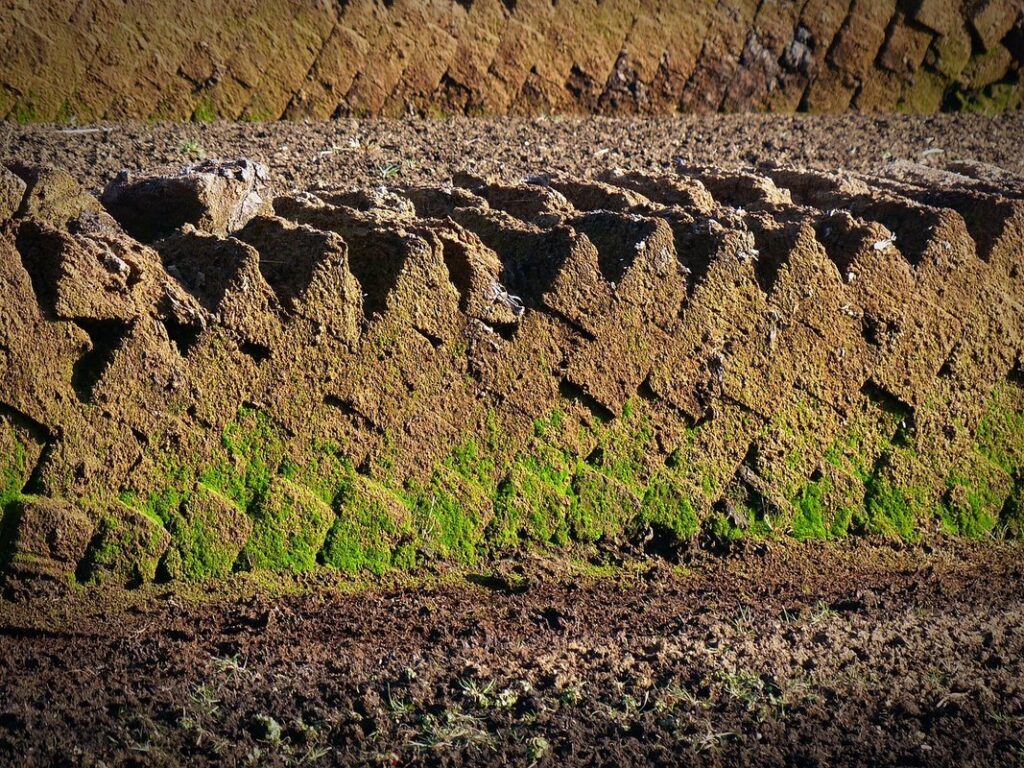
Peat is formed through a slow process of decomposition, taking thousands of years to develop. It starts as partially decayed plant matter that accumulates in waterlogged environments, such as bogs and marshes. Over time, oxygen is depleted, allowing microorganisms to break down the organic material without fully decomposing it. This creates a dense, acidic, and carbon-rich substance – peat.
Peat’s history dates back to ancient times when early gardeners used it to improve soil structure and fertility. The Vikings were known to use peat as a natural fertilizer, while in Scotland, peat was a staple in traditional gardening practices. Today, peat remains a popular ingredient in potting mixes due to its ability to retain moisture, suppress weed growth, and support healthy root development.
Peat’s versatility has led to various forms of commercial production, including sphagnum moss, peat pellets, and even recycled peat alternatives. As gardeners become more aware of the environmental implications of peat harvesting, innovative substitutes are emerging. Understanding peat’s definition and history provides a solid foundation for exploring its role in plant pots and the benefits it brings to gardening practices.
Types of Peat Plant Pots Available
When it comes to choosing peat plant pots for your gardening needs, you’ll find that there are several types available. One popular option is compressed peat, which is made by compressing dried peat moss into a compact block. This type of peat pot is ideal for seed starting and can be easily broken apart when the plants need more space to grow.
Another option is expanded peat, also known as peat pellets or peat bricks. These are made from compressed peat that has been treated with a natural binder to hold its shape. Expanded peat pots can retain up to 20 times their dry weight in water, making them an excellent choice for plants that prefer moist conditions.
For gardeners who prioritize sustainability and eco-friendliness, natural fiber peat pots are a great option. These biodegradable pots are made from plant fibers such as coconut coir or bamboo and can be composted at the end of their use cycle. They’re also free from synthetic additives and chemicals, making them an attractive choice for environmentally conscious gardeners.
When selecting a type of peat pot, consider the specific needs of your plants, including their growth stage and watering requirements. This will help you choose the most suitable option for your gardening needs.
Advantages of Using Peat Plant Pots
Using peat plant pots has several benefits that can improve your gardening experience, from better root growth to reduced transplant shock. Let’s explore these advantages together.
Improved Root Growth and Development
When you use peat plant pots, one of the most significant advantages is improved root growth and development. This is largely due to peat’s unique properties, which create an ideal environment for healthy root expansion.
One key factor contributing to this benefit is peat’s high water-holding capacity. Unlike regular soil, which can dry out quickly, peat retains moisture even when the surrounding air is dry. As a result, plants grown in peat plant pots have access to a steady supply of water, allowing their roots to absorb it as needed. This leads to stronger, more extensive root systems that are better equipped to support the plant’s growth.
Additionally, peat’s acidic pH helps to promote healthy root development. Many plants thrive in slightly acidic conditions, which can stimulate root growth and enhance nutrient uptake. By providing a suitable environment for root expansion, peat plant pots enable your plants to reach their full potential, leading to healthier, more robust specimens overall.
By choosing peat plant pots, you’re giving your plants the best possible start in life – and setting them up for long-term success.
Enhanced Water Retention and Conservation
When you use peat plant pots for your plants, you’ll be amazed at how well they can conserve water. This is all thanks to peat’s unique properties that help plants retain moisture and reduce the need for frequent watering.
Peat has a high water-holding capacity, which means it can absorb and store large amounts of water. This helps plants to access the water they need when it’s scarce, making them more drought-resistant. In fact, studies have shown that peat-based potting mixes can retain up to 30% more water than regular potting soils.
But how does this benefit you as a gardener? For one thing, it means you’ll be watering your plants less often – a welcome change for anyone tired of constantly checking soil moisture levels. With peat plant pots, you can forget about frequent watering sessions and let the plants tell you when they need water. Simply check the top inch of soil: if it feels dry to the touch, it’s time for a drink.
This reduced watering frequency also has an added bonus – lower water bills!
Better Seed Germination Rates
When you use peat plant pots, one of the significant advantages is better seed germination rates. This can be attributed to the sterile environment that peat moss provides for seeds. Unlike other materials, peat moss has minimal contaminants and is free from weeds, fungi, and pests that can hinder seed growth.
The consistent moisture levels in peat plant pots also contribute to improved seed germination rates. Peat moss retains water well but doesn’t become waterlogged, providing the right amount of moisture for seeds to sprout. This controlled environment ensures that seeds receive the necessary hydration without being overwhelmed by excess water. As a result, more seeds are likely to germinate successfully.
To maximize seed germination rates when using peat plant pots, it’s essential to handle the seeds gently and avoid compacting the peat moss. A general rule of thumb is to sow seeds at the same depth as their own thickness. This helps prevent overwatering and ensures even moisture distribution throughout the pot. By providing a conducive environment for seed growth, peat plant pots give you better chances of successful germination rates.
Preparing Soil with Peat Plant Pots
Before filling peat plant pots, prepare your soil by adding a mix of compost and perlite for optimal drainage and root growth. This simple step will give your plants the best chance to thrive.
Understanding Peat’s pH Level and Nutrient Content
When using peat plant pots for gardening, it’s essential to understand the acidic pH level and nutrient content of peat. Typically, peat has a pH range between 3.5 and 4.5, making it highly acidic. This acidity is due to the presence of high amounts of humic acids and fulvic acids.
As a result, plants grown in peat plant pots tend to thrive in slightly acidic environments. Most gardeners know that many plants prefer slightly acidic soil pH between 6.0 and 7.0. However, some acid-loving plants like azaleas, rhododendrons, and blueberries do well in more acidic conditions.
The nutrient content of peat is another crucial aspect to consider. Peat is rich in nutrients such as nitrogen, phosphorus, potassium, magnesium, and sulfur. These micronutrients are essential for plant growth, but excessive amounts can be detrimental. When using peat plant pots, it’s recommended to balance the acidic pH level by adding small amounts of lime or dolomitic limestone to prevent nutrient deficiencies.
When selecting a peat product for your plant pots, look for ones that have been specifically treated to neutralize their acidity and optimize nutrient levels. This will ensure healthy growth and prevent potential damage to your plants.
Mixing Peat into Existing Soil
When mixing peat into existing soil, it’s essential to understand that peat is a highly concentrated material. Start by adding a small amount, about 10-20% of the total soil volume, and mix thoroughly before evaluating its impact on your garden. This approach allows you to assess how well your plants respond to the amended soil.
If the initial addition proves beneficial, you can gradually increase the peat content as needed. It’s also crucial to consider the type of peat used, as some may be more acidic than others. To achieve optimal results, choose a peat that complements your garden’s pH level.
A general rule is to mix 2-4 inches of peat into the top 6-8 inches of soil. This will provide sufficient aeration and moisture retention without overwhelming the roots of your plants. When blending peat with existing soil, it’s wise to also incorporate other organic matter, such as compost or manure, for added fertility and nutrient value.
By adopting this approach, you can create an ideal growing environment that supports healthy plant growth and minimizes the need for fertilizers and pesticides.
Sustainable Gardening with Peat Plant Pots
When it comes to gardening sustainably, there are many options available, and using peat plant pots is a great way to reduce waste and minimize your environmental impact.
Environmental Impact of Conventional Potting Soils
Traditional potting soils have been a staple in gardening for decades, but their environmental impact is a growing concern. One of the main issues is resource depletion – conventional potting soils are often made from peat, which is harvested from bogs and peatlands. These areas take centuries to form and are home to unique ecosystems that support rare plants and animals.
However, large-scale peat harvesting can disrupt these delicate environments and contribute to climate change. Peat is a potent greenhouse gas emitter, releasing up to 20 times more carbon dioxide than coal when it decomposes. In addition, the production process for traditional potting soils requires energy-intensive manufacturing processes that further exacerbate emissions.
Not only does this harm the environment, but it also undermines sustainable gardening practices. To mitigate these effects, consider using eco-friendly alternatives like peat-free potting mixes or repurposing household materials to create your own soil blend. By making small changes in our gardening habits, we can significantly reduce our environmental footprint and cultivate a more sustainable future for generations to come.
Eco-Friendly Alternatives to Traditional Potting Soils
When it comes to gardening with peat plant pots, one of the most significant benefits is its potential as an eco-friendly alternative for traditional potting soils. The low carbon footprint of peat makes it an attractive option for gardeners looking to reduce their environmental impact.
Peat is a naturally occurring substance that has been formed over thousands of years from plant matter such as sphagnum moss. It has excellent water-holding properties, which means plants receive the right amount of moisture without needing frequent watering. This characteristic alone makes peat an ideal choice for gardening applications.
In fact, studies have shown that using peat-based potting soils can reduce carbon emissions by up to 70% compared to traditional soils. This is because peat requires minimal processing and transportation, reducing the energy needed for production.
When transitioning to peat plant pots, start by mixing a small amount of peat with your existing soil. Gradually increase the proportion of peat as you get accustomed to its properties. Remember to also use a balanced fertilizer to ensure your plants receive all necessary nutrients. With these simple steps, you can enjoy the benefits of eco-friendly gardening while reducing your carbon footprint.
Troubleshooting Common Issues with Peat Plant Pots
Got a peat plant pot that’s not living up to its potential? Don’t worry, we’ve got you covered – let’s troubleshoot those common issues and get your plants thriving again!
Dealing with Overwatering and Underwatering Issues
When it comes to using peat plant pots, one of the most common issues gardeners face is over- or underwatering. Peat plant pots can be a bit finicky when it comes to moisture levels, but with some knowledge and attention, you can avoid these problems.
Overwatering occurs when the potting mix in your peat plant pot remains consistently waterlogged. This can cause roots to rot, leading to poor growth or even plant death. On the other hand, underwatering happens when the soil dries out too quickly, causing stress to your plants. So, how do you tell if your peat plant pots are getting enough or too much water?
Check the moisture level by sticking your finger into the potting mix up to about an inch deep. If it feels dry, it’s time to water. But remember that peat plant pots can retain a lot of water, so be cautious not to overwater. A good rule of thumb is to water only when the top inch or two of soil feels dry to the touch.
If you do notice your plants are getting too much water, don’t panic! Simply lift the pot out of its saucer or tray and let it drain for a few hours before watering again. For underwatering issues, make sure to water thoroughly but also consider repotting with fresh peat plant mix to ensure better moisture retention.
To avoid overwatering altogether, make sure to choose a well-draining peat plant pot mix and don’t fertilize too heavily. This will help prevent your plants from getting too much water and causing root rot. And remember, it’s always better to err on the side of caution when watering – underwatering is easier to fix than overwatering!
Common Myths about Peat Plant Pots Dispelled
One of the main concerns people have when it comes to using peat plant pots is their environmental impact. However, there’s a common myth that needs to be addressed: that peat bogs are being destroyed by horticulture.
The truth is, most of the peat used in horticulture comes from sustainable sources. Many manufacturers now source their peat from areas that have been previously harvested or from countries with strict regulations on peat extraction. This means that you don’t have to worry about contributing to the destruction of natural habitats when choosing a peat plant pot.
Another myth is that peat plant pots can cause harm to your plants if they dry out too quickly. While it’s true that peat retains water, this doesn’t mean your plants will be left high and dry once it dries out. In fact, the controlled release of moisture from peat helps prevent overwatering, which is one of the most common causes of plant death.
It’s also worth noting that some people believe that all peat-based products are acidic. However, this isn’t always the case. While peat does have a lower pH level than other potting mixes, many manufacturers now offer neutral or slightly alkaline options to cater to different plant types and needs.
Conclusion: Why Choose Peat Plant Pots?
Now that you’ve learned about the benefits and uses of peat plant pots, let’s talk about why they’re a great choice for your plants. From improved drainage to reduced waste.
Recap of Benefits and Advantages
Using peat plant pots has been a game-changer for many gardeners, and it’s easy to see why. From improved root growth to reduced transplant shock, these innovative pots offer a wealth of benefits that can elevate your gardening experience.
Let’s recap the key advantages of using peat plant pots:
When you choose peat plant pots, you’re providing your plants with an ideal environment for healthy growth and development. The unique properties of peat moss help retain moisture and regulate soil pH, creating a stable foundation for optimal nutrient uptake. This is particularly beneficial for seedlings, which can be notoriously finicky when it comes to transplanting.
One of the most significant benefits of peat plant pots is their ability to reduce transplant shock. By providing a consistent environment that mimics the conditions your plants would encounter in nature, you’re giving them a much smoother transition from pot to garden bed. This means fewer losses due to shock and a greater likelihood of successful establishment.
Another advantage of peat plant pots is their eco-friendliness. Made from natural materials, these pots are biodegradable and can be easily composted at the end of their life cycle. This not only reduces waste but also helps minimize your carbon footprint as a gardener.
In addition to these benefits, peat plant pots are incredibly versatile. They’re perfect for both indoor and outdoor use, and can accommodate a wide range of plant species – from delicate herbs to robust vegetables. Plus, they’re lightweight and easy to handle, making them a breeze to transport and store.
By incorporating peat plant pots into your gardening routine, you’ll be giving yourself (and your plants) a solid foundation for success. So why not give it a try? Your garden will thank you!
Frequently Asked Questions
Can I use peat plant pots for both indoor and outdoor plants?
Yes, peat plant pots are versatile and can be used for a wide range of plants, whether they’re indoors or outdoors. They provide excellent moisture retention, which is particularly beneficial for plants in dry environments like indoor spaces.
However, it’s essential to consider the specific needs of your plants, including temperature fluctuations and light exposure. Be sure to choose peat plant pots with adequate drainage holes to prevent waterlogged soil.
How do I incorporate peat into my existing potting mix?
When adding peat to an existing potting mix, start by mixing 10-20% peat into the blend. This will allow you to gradually adjust to the improved moisture retention and reduced pH level. Be cautious not to overdo it, as excessive peat can lead to waterlogging.
Also, consider the type of plants you’re growing. If they prefer acidic conditions (like azaleas or blueberries), a higher proportion of peat may be beneficial.
What’s the best way to prevent overwatering when using peat plant pots?
Yes, one common challenge with peat plant pots is overwatering due to their exceptional moisture retention. To mitigate this risk:
* Water your plants thoroughly before potting them in peat.
* Ensure good drainage by adding perlite or vermiculite to the potting mix.
* Check the soil regularly for dryness, and adjust watering schedules accordingly.
Can I reuse peat plant pots, or do they need to be replaced after a season?
While peat plant pots can be reused multiple times, their effectiveness may diminish over time. Peat breaks down relatively quickly (about 2-3 years), so it’s recommended to replace them every season for optimal performance.
However, you can extend the life of your peat plant pots by repotting your plants into fresh potting mix and giving the old pot a good cleaning before reusing it.
How do I troubleshoot issues with poor seed germination rates when using peat plant pots?
Poor seed germination rates may be due to various factors, including inadequate moisture retention or an imbalance in pH levels. To troubleshoot:
* Check your watering schedule and adjust as needed.
* Inspect the potting mix for signs of compaction, which can hinder root growth.
* Ensure proper seed depth and spacing for optimal germination.
Keep in mind that some plants may require specific conditions to thrive. Consult with a local nursery or gardening expert for guidance on the best practices for your region’s climate and soil types.