
Are you looking to take your garlic cultivation to the next level? If so, you’re in luck. Peat moss is a game-changer when it comes to growing this beloved bulbous veggie. Not only does it improve drainage and aeration, but it also reduces fertilizer needs – a total win-win for gardeners of all levels.
But what exactly makes peat moss so good for garlic? And how can you successfully integrate it into your gardening routine? In this article, we’ll dive into the benefits of using peat moss with your garlic plants. We’ll cover everything from improving soil structure to reducing soil-borne diseases. By the end of this post, you’ll be equipped with expert tips and tricks for growing the most delicious, disease-free garlic ever – all thanks to the wonders of peat moss!
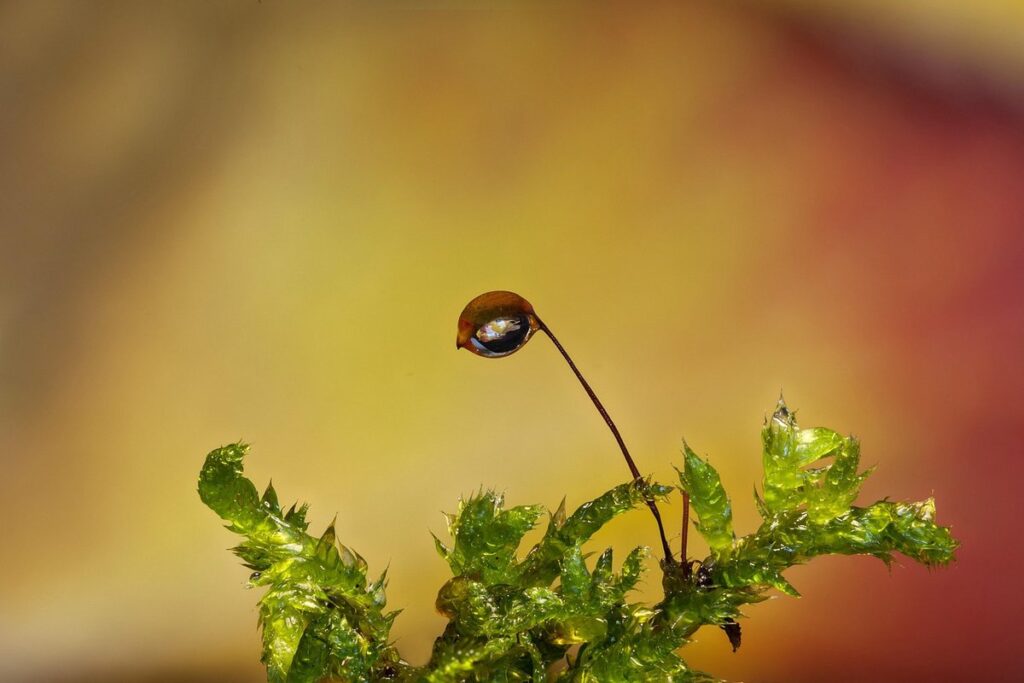
Understanding Peat Moss and Its Properties
Peat moss is a unique growing medium that provides excellent water retention, acidity, and structure to soil. Let’s dive into what makes it so special for garlic cultivation.
What is Peat Moss?
Peat moss is a highly effective and widely used natural resource in gardening, particularly when it comes to planting garlic. So, what exactly is peat moss? Peat moss originates from the partial decomposition of plant matter, typically sphagnum plants, that have accumulated over thousands of years in oxygen-poor environments such as bogs and marshes. This slow process allows for a unique combination of water retention and aeration properties.
Harvested from these wetlands through a carefully controlled process to prevent further decay, peat moss is often extracted using mechanical rakes or by hand. Its distinct properties make it an ideal component in gardening mixes, including soil amendments, seed starting mediums, and potting blends. The ability of peat moss to retain up to 20 times its weight in water while still allowing for air exchange is particularly beneficial when planting garlic. This helps maintain a consistent moisture level around the bulbs, promoting healthy growth and preventing damage from drought or overwatering. As a result, incorporating peat moss into your garlic gardening routine can lead to improved yields and increased crop resilience.
Uses of Peat Moss in Gardening
Peat moss is an incredibly versatile ingredient that can be used in various ways to enhance garlic planting. One of its primary uses is as a soil amendment. By incorporating peat moss into the soil, you’re creating an ideal environment for garlic bulbs to grow. Peat moss helps retain moisture, suppress weeds, and regulate soil pH levels – all essential conditions for healthy garlic growth.
When used as mulch, peat moss acts as a protective barrier against extreme temperatures, retaining heat in winter and keeping the soil cool in summer. This controlled temperature environment promotes steady garlic growth and minimizes disease risks. Moreover, peat moss can be mixed with other potting mediums to create a well-draining and rich growing medium for your garlic bulbs.
Consider incorporating 2-3 inches of peat moss into the top layer of soil around your garlic plants for optimal results. You can also mix it with compost or other organic matter to create a nutrient-rich potting mix specifically tailored for garlic cultivation. By utilizing peat moss in these ways, you’ll be giving your garlic bulbs the best chance at success and maximizing their potential yields.
Why Garlic Benefits from Peat Moss
You may be wondering why peat moss is particularly beneficial for garlic, and it all comes down to its ability to regulate moisture levels and improve soil structure. This allows your garlic bulbs to grow strong and healthy.
Improved Drainage and Aeration
When you plant garlic in soil that’s prone to waterlogging, it can be a recipe for disaster. Poor drainage and aeration are two of the most common issues that can stunt garlic growth and even lead to root rot. This is where peat moss comes in – it’s like a breath of fresh air for your garlic bulbs.
Peat moss improves soil drainage by allowing water to penetrate more easily, reducing the risk of waterlogged soil. When water can’t escape quickly enough, it builds up around the roots, causing them to rot and weaken the plant. But with peat moss, excess moisture is drawn out, ensuring that your garlic receives just the right amount of water.
Good drainage also means improved aeration, which is essential for healthy root development. Oxygen-rich soil helps garlic plants grow strong and robust, making them more resistant to disease and pests. By incorporating peat moss into your soil, you’ll be giving your garlic bulbs the best possible start in life.
Nutrient Retention and Release
When garlic plants grow in peat moss, they benefit from a unique nutrient retention and release system. This process allows the soil to supply exactly what the plant needs at different stages of growth, reducing the need for frequent fertilization.
Here’s how it works: peat moss has an incredible ability to retain nutrients while preventing them from leaching away quickly. This means that as water passes through the soil, it carries essential minerals like nitrogen, phosphorus, and potassium directly to the roots of the garlic plant, where they’re absorbed quickly.
The slow release of these nutrients ensures a steady supply throughout the growing season, eliminating the need for frequent fertilization. This not only saves time but also prevents over-fertilization, which can damage the plant or even lead to environmental pollution.
To maximize this benefit, make sure to mix peat moss with other well-draining ingredients when planting garlic. Avoid compacting the soil, as this will impede the nutrient flow and potentially cause root rot. With proper care and a peat moss-enriched growing environment, your garlic plants are likely to experience healthier growth and better yields.
Preparing Peat Moss for Garlic Planting
To get started, you’ll need to properly prepare your peat moss by mixing it with other ingredients and adjusting its pH level before using it as a garlic planting medium. This is crucial for optimal growth.
Mixing Peat Moss with Soil
When mixing peat moss with soil for garlic planting, it’s essential to find the right balance. A general rule of thumb is to combine one part peat moss with two parts soil. This ratio allows peat moss to retain moisture and suppress weeds while also providing sufficient nutrients from the soil.
You can adjust this ratio based on your specific needs. If you’re starting with poor-quality soil, you may want to use a higher proportion of peat moss (e.g., 1:1 or even 2:1). On the other hand, if you have rich, fertile soil, you might opt for a more diluted mixture.
To further enhance fertility, consider adding compost or worm castings to your mix. These natural amendments are rich in nutrients and can help support garlic growth. Some gardeners also swear by incorporating crushed eggshells, which provide calcium and other minerals essential for plant development.
Using Peat Moss as a Mulch
Using peat moss as a mulch around garlic plants is a great way to retain moisture and suppress weeds. To get started, apply a 2-3 inch layer of peat moss around the base of each plant, keeping it about an inch away from the stems. This thickness will help prevent the growth of unwanted vegetation while allowing for air circulation.
As the mulch breaks down, replenish it as needed to maintain its effectiveness. Aim to add new peat moss every 6-8 weeks during the growing season to ensure a consistent layer of protection. This will also help regulate soil temperature and retain moisture, reducing the need for frequent watering.
Remember that excessive mulching can lead to waterlogged conditions, so keep an eye on your plants’ needs and adjust accordingly. If you notice the peat moss retaining too much water, remove some of it to prevent root rot. With proper application and maintenance, using peat moss as a mulch will help your garlic plants thrive and reduce common problems associated with garlic cultivation.
Benefits of Peat Moss Compared to Other Options
When it comes to garlic planting, peat moss offers a range of advantages over other growing mediums. Let’s compare its benefits to more conventional options.
Comparison with Compost or Manure
When it comes to using peat moss versus other alternatives like compost or manure for garlic planting, there are some key differences worth considering. Compost can be a great amendment for soil, but it’s often too dense and can compact the soil, making it difficult for garlic roots to penetrate.
Manure, on the other hand, can add nitrogen to the soil, which is beneficial for garlic growth. However, it can also introduce weed seeds and attract pests that might harm your garlic crop. Additionally, manure can be high in salt content, which can burn your plants’ roots if applied in excess.
Peat moss, by contrast, has a unique acidity level that helps to reduce alkalinity in the soil, creating an ideal environment for garlic growth. Its lightweight and porous nature also allows for excellent drainage and aeration, preventing waterlogged soil conditions that can lead to rot and other issues. When using peat moss for garlic planting, be sure to mix it with existing soil at a ratio of 20-30% peat moss to 70-80% regular soil for optimal results.
Advantages Over Synthetic Fertilizers
Using peat moss as a natural alternative to synthetic fertilizers offers numerous advantages for garlic planting. Unlike synthetic fertilizers, peat moss is rich in organic matter that improves soil structure and fertility without burning the roots of your garlic plants. This makes it an ideal choice for garlic growers who want to avoid chemical-based products.
One of the key benefits of using peat moss over synthetic fertilizers is its ability to retain moisture and regulate soil pH levels, creating a balanced environment for healthy garlic growth. Unlike synthetic fertilizers that can lead to nutrient imbalances, peat moss provides essential nutrients slowly released as the plant grows. This reduces the risk of over-fertilization and subsequent harm to your garlic plants.
When incorporating peat moss into your garlic planting routine, start by mixing it with the soil at a ratio of 20% to 80%. As you continue to use peat moss, reduce the amount of synthetic fertilizers in your soil to avoid creating nutrient imbalances. With consistent use, you’ll find that peat moss enhances the overall health and flavor of your garlic crops, making it an attractive alternative to chemical-based fertilizers.
Tips for Successful Peat Moss and Garlic Integration
Now that you’ve learned how peat moss can benefit your garlic crop, let’s dive into some practical tips for successfully integrating these two gardening staples. Here are a few expert-approved strategies to keep in mind.
Planting Techniques
When planting garlic in peat moss, it’s essential to consider the spacing, depth, and orientation of the cloves. To ensure proper growth, plant individual cloves 4-6 inches apart, allowing for about 12-18 inches between rows. This will give each clove room to spread out as it grows.
For optimal results, plant the cloves at a depth that is three times their height. So, if your garlic clove is about 1 inch tall, bury it 3 inches deep in the peat moss. Make sure the pointed end of the clove is facing upwards, towards the surface.
It’s also crucial to orient the clove correctly. Plant them with the basal plate (the flat base where the roots will grow) facing downwards, into the peat moss. This ensures that the roots will develop in the correct direction, promoting healthy growth and minimizing the risk of rot or disease.
Post-Plant Care and Maintenance
Once you’ve successfully integrated peat moss into your garlic planting process, it’s time to focus on post-plant care and maintenance. This is a critical phase that can make or break the health and productivity of your crop.
When it comes to watering, remember that overwatering is just as detrimental as underwatering for garlic plants. Check the soil moisture by sticking your finger into the soil up to the knuckle; if it feels dry, it’s time to water. Water gently but thoroughly, making sure not to wash away the delicate peat moss. Aim to provide about 1-2 inches of water per week, either from rainfall or irrigation.
Monitoring for pests and diseases is also crucial during this phase. Regularly inspect your plants for signs of infestation, such as tiny holes in the leaves or a sticky substance on the stems. If you notice any issues, take action promptly by introducing beneficial insects or using organic pest control methods.
As seasonal changes occur, adjust your care routine accordingly. For example, during periods of drought, reduce watering to prevent moisture stress. Conversely, when temperatures rise, increase water intake to keep the soil consistently moist but not waterlogged. By staying attuned to these subtle shifts and adapting your care strategy, you’ll be well on your way to a bountiful garlic harvest.
Frequently Asked Questions
How much peat moss should I use for my garlic crop?
When using peat moss for the first time, it’s recommended to start with a small amount (about 20-30% of the soil mixture) and gradually increase as needed. This will help prevent over-acidification and ensure optimal drainage.
Can I mix peat moss with compost or manure for added nutrient benefits?
Yes, mixing peat moss with compost or manure can create a powerful growing medium that provides excellent water retention and nutrient release properties. However, be cautious not to overdo it, as excessive nitrogen levels can hinder garlic growth.
How do I ensure the peat moss doesn’t cause an imbalance in my soil’s pH level?
Peat moss tends to have a naturally acidic pH, ranging from 3.5 to 4.5. To prevent acidification, mix it with alkaline-rich materials like lime or crushed eggshells, and monitor your soil’s pH regularly.
Can I use peat moss as a mulch for garlic plants?
Yes, using peat moss as a mulch can help retain moisture, suppress weeds, and regulate soil temperature. Simply spread a 2-3 inch layer around the base of the plants, keeping it a few inches away from the bulbs to prevent rot.
What are some common mistakes to avoid when using peat moss with garlic?
Some common pitfalls include overusing peat moss (which can lead to waterlogging), mixing it with already acidic soils (exacerbating pH imbalance), and neglecting to repot garlic bulbs regularly, which can cause root bound issues.