
Creating a thriving garden can be a challenge, especially when dealing with unpredictable weather conditions. One often overlooked technique to overcome these obstacles is using microclimates in your garden. By harnessing even small temperature and moisture differences, you can create ideal growing conditions for your plants and significantly enhance their growth. However, not everyone knows how to effectively utilize this concept.
In this comprehensive guide, we’ll walk you through the process of creating and managing microclimates in your garden. We’ll explore ways to optimize plant growth by understanding and working with existing microclimates, as well as techniques for overcoming common challenges like frost damage and excessive heat. By the end of this article, you’ll be equipped with the knowledge to create a more resilient and productive garden that can thrive even in less-than-ideal conditions.
Understanding Microclimates
Now that we’ve explored what microclimates are and how they work, let’s dive deeper into understanding these unique pockets of climate in our gardens.
What are Microclimates?
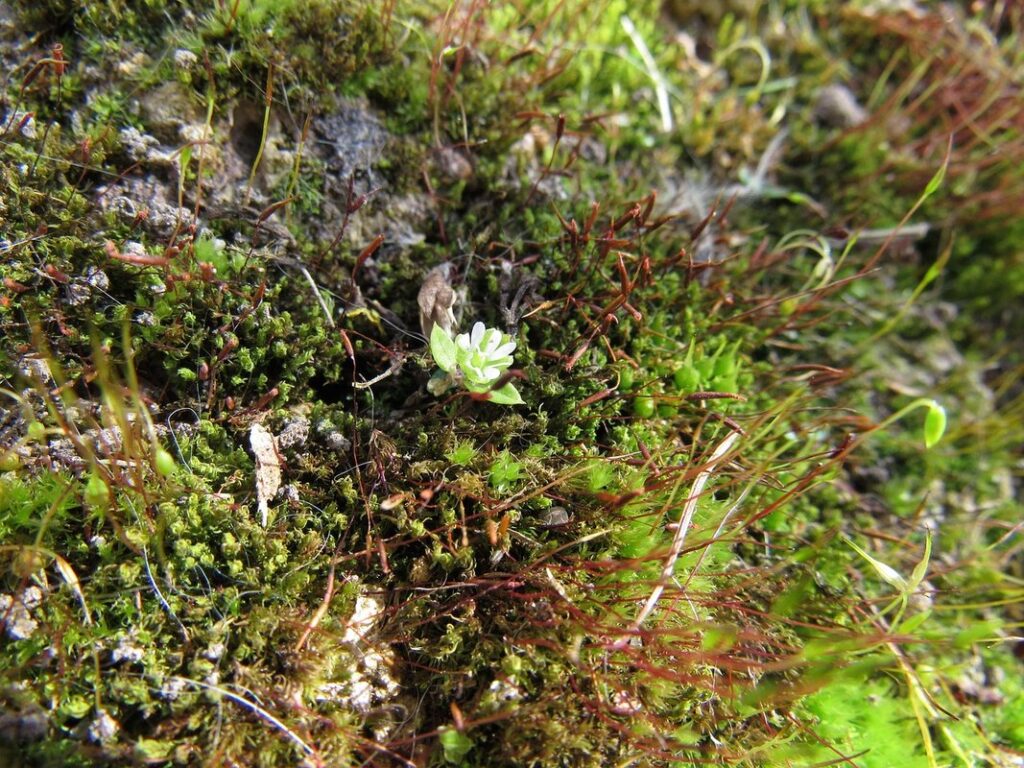
When you think of your garden, you probably picture a single climate zone with uniform conditions. But the reality is that microclimates can create pockets within your larger environment, affecting plant growth and health in surprising ways. Microclimates are areas with unique temperature, humidity, and wind patterns due to natural or artificial factors.
In gardening, these localized climates can be as small as a single bed surrounded by walls or as large as an entire region with distinct weather patterns. For example, a south-facing wall can create a microclimate that is warmer than the surrounding area, ideal for plants like herbs and tomatoes. On the other hand, a shaded corner may be cooler and more humid, perfect for ferns and other shade-loving species.
Identifying and understanding these unique climate pockets in your garden can help you make informed decisions about plant placement, irrigation, and maintenance. By recognizing and working with microclimates, you can create a more diverse and resilient garden ecosystem that thrives despite external weather conditions.
Types of Microclimates
As you explore the unique conditions within your garden, it’s essential to understand that different types of microclimates exist. These distinct areas can significantly impact plant growth and development.
One such type is a microclimate near large bodies of water. Water has a significant influence on temperature and humidity levels, creating a more stable environment for plants. The surrounding water acts as a heat sink, absorbing excess heat during the day and releasing it at night, resulting in cooler temperatures. This microclimate is ideal for plants that prefer high humidity, such as ferns or mosses.
North-facing slopes also create a unique microclimate. These areas tend to receive less direct sunlight, resulting in lower temperatures compared to south-facing slopes. This makes north-facing slopes perfect for plants that require partial shade and cooler temperatures, like azaleas or rhododendrons.
Under trees is another example of a microclimate. Tree canopies provide shade, reducing soil temperature and retaining moisture. This creates a humid environment ideal for plants like impatiens or begonias. When creating a microclimate under trees, consider the tree species and its canopy size to ensure adequate light penetration.
Lastly, within containers, you can create a microclimate by selecting the right location, choosing suitable plant combinations, and using proper container materials. For instance, placing a container on a shaded patio or near a water feature will help regulate temperature and humidity levels. Select plants that thrive in these conditions, like herbs or succulents, to make the most of your container garden.
Remember, understanding the unique characteristics of each microclimate is crucial for creating an optimal environment for plant growth. By recognizing and working with these distinct areas, you can create a thriving garden ecosystem.
Creating a Microclimate-friendly Garden Design
When designing a microclimate-friendly garden, it’s essential to consider how different areas of your yard interact and affect each other’s climate conditions. This will help you create a harmonious and thriving ecosystem.
Site Analysis and Planning
Before you start designing your microclimate-friendly garden, it’s essential to analyze your site and identify existing microclimates. Begin by observing the sunlight patterns throughout the day – note which areas receive direct sunlight for extended periods and which are shaded for most of the time. This will help you determine where to place plants that require full sun versus those that prefer shade.
Consider wind direction as well, as it can significantly impact plant growth and microclimate creation. Areas protected from harsh winds will tend to be warmer and more humid, making them ideal for plants that thrive in these conditions. On the other hand, areas exposed to strong winds may be cooler and drier, requiring specific adaptations such as windbreaks or drought-tolerant plants.
Soil moisture is another crucial factor when planning your garden layout. Look for areas where water tends to collect, creating a more humid microclimate that’s perfect for plants that love moist conditions. Conversely, areas with well-draining soil may require different irrigation strategies to prevent waterlogged soil and root rot.
Using Natural Features to Create Microclimates
Incorporating natural features into your garden design is a clever way to create diverse microclimates. Hills and valleys can significantly alter the temperature, humidity, and wind patterns within your garden, providing unique growing conditions for plants. For instance, if you have a south-facing slope in your garden, it’s likely to receive more direct sunlight than other areas, making it ideal for sun-loving plants like succulents or citrus trees.
Bodies of water, such as ponds or lakes, can also impact microclimates. Water evaporation creates a cooling effect, while its presence can attract moisture-loving plants and beneficial insects. Consider placing a pond near a sunny area to create a warmer microclimate in the winter months. Conversely, a shaded pond can provide a cooler spot for heat-sensitive plants.
When designing your garden with natural features in mind, keep in mind the existing topography and how it affects sunlight and water distribution. Identify areas that receive more or less sunlight, and position plants accordingly. By working with nature rather than against it, you’ll create a diverse range of microclimates perfect for various plant species.
Using Microclimates to Grow Specific Plants
When choosing specific plants for your garden, you can create ideal growing conditions by utilizing microclimates that match their unique needs. This approach can greatly improve plant success rates and overall gardening efficiency.
Warm-Season Plants in Cool Microclimates
Growing warm-season plants like tomatoes and peppers in cool microclimates requires some careful planning. While these plants generally thrive in warmer temperatures, they can still do well in cooler areas if provided with the right protection.
To create a warmer environment for these sensitive plants, use techniques like row covers or cold frames to shield them from frost and wind. Row covers are lightweight, breathable fabrics that allow air and water to reach your plants while keeping warmth and light in. Simply drape the cover over your plants at night to trap heat and prevent frost damage.
Another option is to use a cold frame, which is essentially a mini-greenhouse built into the ground. Cold frames capture and retain heat from the sun during the day, releasing it slowly at night to keep your plants warm. Make sure to place these structures in areas that receive full sunlight and are protected from strong winds.
By using row covers or cold frames, you can create a microclimate within your cool climate garden that’s perfect for growing warm-season plants like tomatoes, peppers, and eggplants. Just remember to choose varieties that are resistant to cooler temperatures and give them extra TLC to ensure optimal growth.
Cool-Season Plants in Warm Microclimates
If you’re growing cool-season plants like lettuce and spinach in areas with naturally warm microclimates, you can create an ideal environment for them by utilizing wall-mounted planters or south-facing slopes. These plants typically thrive in temperatures between 60°F to 70°F (15°C to 21°C), making them perfect for gardens that receive full sun.
To maximize their growth, place your cool-season crops on a sunny wall or slope facing south. This will allow them to soak up the morning sunlight and warm air from the earth, creating an optimal temperature range for growth. You can also use trellises or arbors to support climbing varieties like peas or cucumbers, which can benefit from the warmth.
Some key considerations when using microclimates for cool-season plants include ensuring good air circulation to prevent disease and choosing varieties that are bred for warmer climates. By following these tips, you can create a thriving environment for your cool-season crops even in areas with naturally warm microclimates.
Maintaining and Managing Microclimates
Now that you’ve created a thriving microclimate, let’s dive into the nitty-gritty of maintaining and managing these unique garden spaces effectively. This includes troubleshooting common issues and tips for long-term success.
Monitoring Temperature and Humidity
Monitoring temperature and humidity levels is crucial to maintaining optimal growing conditions for your plants. This can be achieved by installing a simple thermometer and hygrometer in each microclimate area of your garden. You can also invest in more advanced devices that send alerts to your phone or computer when temperatures or humidity levels exceed set thresholds.
When monitoring temperature, pay attention to the daily fluctuations as well as longer-term trends. For example, if you notice that a particular microclimate area experiences consistently high temperatures during the summer months, it may be necessary to provide shade for sensitive plants. On the other hand, colder temperatures can be mitigated by using mulch or bringing potted plants indoors.
In terms of humidity, ensure that your garden’s microclimates do not become too dry or too humid. Most houseplants prefer a relative humidity between 40-60%. By monitoring and controlling temperature and humidity levels, you can create the perfect conditions for your plants to thrive. Regularly inspect your devices and adjust as needed to maintain optimal growing conditions in each microclimate area of your garden.
Providing Wind Protection
When creating microclimates in your garden, it’s essential to consider wind protection for sensitive plants. Harsh winds can cause damage, reduce growth, and even lead to the loss of certain species. To mitigate these effects, you can employ various techniques such as installing windbreaks or using trellises.
Windbreaks are structures designed to block or divert wind flow around a specific area. You can create them using natural materials like burlap, straw, or branches, or opt for more durable options like wood or metal panels. For example, planting rows of evergreen trees or shrubs along the north and west sides of your garden can serve as an effective windbreak.
Trellises provide additional support to plants while protecting them from strong gusts. You can train vines like clematis or climbing roses to grow up these structures, securing the stems gently with twine or wire. Additionally, you can use freestanding trellises made of wood, metal, or recycled plastic to create a barrier against wind-borne debris.
Consider factors such as your garden’s topography and existing plant species when selecting materials for wind protection. Ensure that the structures blend harmoniously into their surroundings while effectively shielding vulnerable plants from harsh winds. By incorporating these elements, you can create a more stable microclimate within your garden, allowing sensitive species to thrive.
Best Practices for Creating Microclimates with Containers
When using containers, it’s essential to create a microclimate that supports your plants’ specific needs, and we’ll walk you through some expert-approved best practices to do just that.
Using Container Size and Material
When it comes to creating microclimates in containers, selecting the right size and material is crucial. You want to choose materials that can retain heat and moisture, ensuring a stable environment for your plants. This means opting for containers made from thick-walled terracotta or ceramic, which are excellent at retaining warmth and drying out slowly.
Using large containers is also essential in creating a microclimate. Aim for containers with a minimum depth of 12-18 inches to give roots ample space to grow and establish themselves. This will help reduce stress on plants and prevent soil from becoming waterlogged. Consider using wooden or plastic planters, but be sure to line them with a waterproof material to prevent damage.
Some examples of large containers include tubs, barrels, and half-barrels. These can be placed in a sunny spot and used as mini-greenhouses. Just make sure the containers have drainage holes to prevent waterlogged soil and root rot. With the right size and material choice, you’ll be creating a thriving microclimate that will provide your plants with the perfect environment to thrive.
Site Selection for Container Gardens
When placing container gardens, you’re not just choosing a spot for the plants to thrive – you’re also creating a microclimate. This might seem like a minor detail, but trust us, it’s crucial. To maximize the potential of your containers as microclimates, consider the following factors.
First and foremost, think about sunlight patterns in your garden. Where do the sunbeams pour in during different times of day? Place your container gardens in areas that receive the right amount of direct sunlight for their specific needs. For example, if you’re growing vegetables like tomatoes or peppers, they’ll need full sun (at least 6 hours of direct sunlight) to produce a bountiful harvest.
Next, consider the wind direction in your garden. Strong gusts can dry out plants and reduce their growth rate. Place containers in protected areas, such as near walls or under trees, to shield them from harsh winds. Finally, keep in mind the proximity to water sources. Having easy access to a hose or watering can will make maintenance a breeze.
By taking these factors into account, you’ll be well on your way to creating thriving microclimates with your container gardens. Remember, every spot in your garden has its unique characteristics – and it’s up to you to harness them to create the perfect conditions for your plants to flourish.
Overcoming Common Challenges and Limitations
As you begin incorporating microclimates into your garden, you’ll inevitably encounter obstacles – let’s tackle the most common challenges together. We’ll explore practical solutions to overcome them and keep your garden thriving.
Dealing with Extreme Weather Conditions
Dealing with extreme weather conditions can be one of the biggest challenges when creating microclimates in your garden. Heavy rainfall, intense heatwaves, and prolonged cold snaps can all impact the delicate balance of your garden’s ecosystem. To protect your microclimate from these extreme weather conditions, consider using rain shelters or windbreaks to deflect harsh weather patterns.
For example, during heavy rainfall, you can use a simple tarp or gazebo to create a sheltered area for plants that are sensitive to excessive moisture. This will not only prevent waterlogged soil but also protect your plants from wind-borne debris and damage.
In areas prone to intense heatwaves, provide shade using umbrellas, sunshades, or even natural elements like trees or trellises. This will help maintain a cooler microclimate by blocking direct sunlight and reducing temperature fluctuations.
During prolonged cold snaps, use mulch or straw to insulate the soil and retain moisture. You can also create a cold frame or greenhouse to extend the growing season and provide protection from frost damage.
Managing Pests and Diseases in Microclimates
Managing pests and diseases in microclimates requires a deep understanding of the unique conditions that prevail in each area. Different pests and diseases thrive in various microclimates, making it essential to identify and manage common issues specific to each type.
For example, warm and humid microclimates are ideal for slugs and snails, which can wreak havoc on plants like lettuce and hostas. To manage these pests, use copper tape or crushed eggshells around plant stems, as they don’t like to cross over them. Alternatively, hand-picking at dawn or dusk when they’re most active is also effective.
Damp microclimates, on the other hand, are prone to fungal diseases like powdery mildew and leaf spot. To prevent these issues, ensure good air circulation by pruning plants regularly and using raised beds with well-draining soil. If you do encounter a fungal disease, treat it promptly with fungicides or natural alternatives like neem oil.
By understanding the specific pest and disease pressures in your microclimates, you can develop targeted management strategies to protect your plants and maintain a healthy garden ecosystem. Keep an eye out for early signs of trouble and be prepared to take action before issues escalate.
Conclusion: Harnessing the Power of Microclimates in Your Garden
Now that you’ve identified and utilized microclimates in your garden, it’s time to reap the rewards. By understanding how these unique pockets of climate can impact plant growth, you’re able to tailor your gardening strategies to each area. This tailored approach not only optimizes yields but also reduces waste by placing plants where they’ll thrive. As you continue to tend to your microclimates, keep a close eye on soil quality and adjust accordingly – amendments in one area may be unnecessary in another.
Keep experimenting and learning from your observations. Analyze which techniques work best for each microclimate, adjusting them as needed. This might involve incorporating more shade for sensitive plants or introducing beneficial insects to enhance pollination. By embracing the diversity of microclimates within your garden, you’ll unlock a new level of gardening success and appreciation for the natural world’s intricacies.
Frequently Asked Questions
How do I identify microclimates on my property?
Identifying microclimates can be as simple as observing temperature fluctuations throughout the day or noting areas with consistent moisture levels. Take note of how sunlight filters through trees, creating dappled shade, and how water flows across your land, potentially creating cooler spots near streams or ponds. These observations will help you pinpoint areas where microclimates may exist.
Can I create a microclimate in an urban garden with limited space?
Yes, even small gardens can benefit from microclimates. Consider using containers to create raised beds with built-in insulation or employing passive solar techniques by orienting your garden towards the south. You can also utilize trellises or other structures to filter sunlight and modify air circulation patterns.
How do I protect plants from extreme weather conditions in a microclimate?
When dealing with frost damage, use row covers or cold frames to insulate your plants, while excessive heat can be mitigated by using mulch or shade cloths. Observe temperature fluctuations regularly and adjust your protection measures accordingly. Consider using windbreaks like burlap screens or evergreen hedges to shield plants from harsh winds.
Can I use microclimates for year-round growth of specific plant types?
Yes, you can optimize your garden for year-round growth by selecting the right plant species for each microclimate. For example, cool-season crops like broccoli and kale thrive in cooler temperatures found near north-facing slopes or shaded areas, while warm-season plants like tomatoes and peppers do well in warmer spots with full sun.
How often should I monitor temperature and humidity levels in my garden’s microclimates?
Regular monitoring is essential for maintaining a healthy microclimate. Check temperature fluctuations daily, taking note of any sudden changes that may indicate shifting weather patterns or other environmental factors affecting your plants’ growth.