
Green tomatoes are often overlooked in favor of their ripe counterparts, but they hold a wealth of flavor and versatility waiting to be unleashed. Not only can they add a tangy twist to classic dishes, but they also lend themselves perfectly to creative recipes and preservation techniques. Whether you’re looking to spice up your meals with savory salsas or indulge in sweet desserts, green tomatoes are the perfect ingredient to experiment with.
In this article, we’ll explore the many uses of green tomatoes, from turning them into crispy fried delights to using them as a key ingredient in innovative desserts. We’ll delve into preservation techniques like pickling and canning, as well as creative recipe ideas that showcase the unique flavor of these underappreciated gems. Get ready to discover a world of possibilities with green tomatoes and unlock their full potential in your kitchen.
Exploring Green Tomato Varieties
With so many varieties of green tomatoes out there, it can be hard to know where to start, but don’t worry, we’ve got you covered. Let’s take a look at some of the most popular and unique types.
Understanding the Different Types of Green Tomatoes
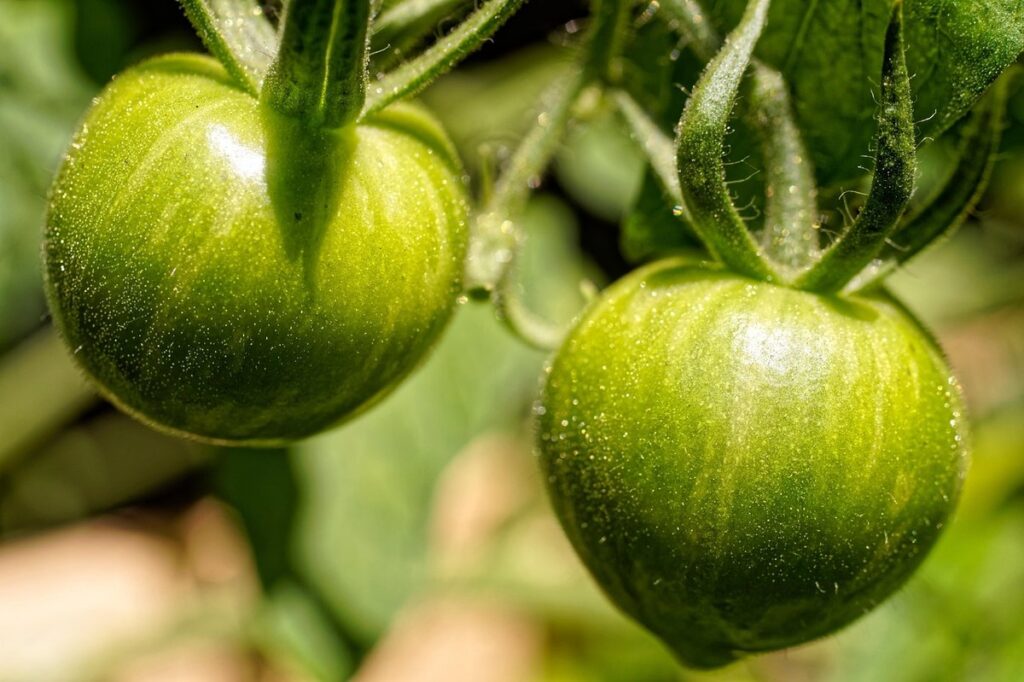
Green tomatoes come in a variety of shapes, sizes, and flavors, each with its own unique characteristics and uses. One popular variety is the Green Zebra tomato, known for its yellow-green striped skin and tangy flavor. This variety is perfect for adding a burst of citrus to salads or using as a topping for burgers.
Another variety is the Emerald Isle tomato, which boasts a bright green color and sweet-tart taste. It’s ideal for slicing thinly and serving raw in salads or using in sandwiches. The Green Tiger tomato is also worth mentioning, with its dark green skin and rich, slightly sweet flavor making it perfect for roasting or grilling.
When selecting green tomatoes, look for those that are firm but not hard, with no signs of soft spots or wrinkles. This will ensure the best flavor and texture in your recipes. Experimenting with different varieties can help you discover new favorite uses for these versatile fruits. By understanding the unique characteristics of each variety, you’ll be better equipped to unlock their full potential in the kitchen.
Choosing the Right Green Tomato for Your Needs
When selecting green tomatoes for various recipes, keep in mind that different varieties offer distinct characteristics. For instance, ‘Green Zebra’ is ideal for snacking and salads due to its crisp texture and tangy taste. On the other hand, ‘Stupice’ is better suited for cooking as it has a softer skin and more delicate flavor.
Consider the recipe’s requirements when choosing a green tomato variety. If you’re looking to make pickles or sauces, opt for tomatoes with a higher acidity level like ‘Green Grape’. These varieties have a slightly sweeter taste and hold their shape well during the cooking process.
For dishes that require a softer texture, such as soups or stews, select a variety like ‘Yellow Pear’, which has a more delicate flavor and tender flesh. It’s essential to choose green tomatoes at the right stage of ripeness; they should be firm but yield slightly to pressure.
In general, opt for green tomatoes with a uniform color, no visible signs of disease, and minimal blemishes. This will ensure you’re working with high-quality ingredients that bring out the best flavors in your dishes.
Preparing Green Tomatoes for Cooking
To get started, you’ll want to know how to properly clean and prepare green tomatoes for various recipes, so let’s dive into a few essential steps.
How to Ripen Green Tomatoes at Home
If you’re eager to use green tomatoes for cooking but they’re not yet ripe, don’t worry – we’ve got a few tricks up our sleeves to help speed up the ripening process. Before we dive into these methods, keep in mind that it’s essential to handle green tomatoes gently and avoid any physical damage, as this can cause them to decay faster.
First, let’s talk about storing green tomatoes properly. Place them stem-side down in a paper bag or wrap them individually with a damp cloth to maintain humidity. Then, store the bag or wrapped tomatoes in a cool, dark place – ideally between 50-60°F (10-15°C). This will help slow down their ripening process and keep them fresh for longer.
Another method is covering green tomatoes to trap warmth and ethylene gas, which promotes ripening. You can wrap each tomato individually with plastic wrap or aluminum foil, making sure to poke a few holes for air circulation.
Exposing green tomatoes to indirect light also helps ripen them faster. Place the bag or wrapped tomatoes near an east- or west-facing window, but avoid direct sunlight, as this can cause uneven ripening and even lead to scalding of the fruit. Monitor your tomatoes regularly, and you’ll be enjoying a ripe, delicious batch in no time!
Common Mistakes When Handling Green Tomatoes
When handling green tomatoes, it’s not uncommon for gardeners and cooks to make a few common mistakes that can impact their flavor and texture. One of the most critical errors is overwatering. Green tomatoes are more prone to rot and spoilage than ripe ones due to their higher water content. Excessive watering can exacerbate this issue, leading to mushy, unappetizing results.
Another mistake is storing green tomatoes incorrectly. Keep them away from direct sunlight and heat sources, as these conditions can accelerate ripening or cause soft spots to form. Store them at room temperature for up to five days or in the refrigerator to slow down the ripening process.
Incorrect handling of green tomatoes can also result in bruising or crushing, which can lead to a loss of flavor and texture. Handle them gently when harvesting, and use a breathable bag or container when storing to maintain air circulation and prevent moisture buildup.
Creative Recipes Using Green Tomatoes
Get creative in the kitchen and learn how to turn green tomatoes into delicious main courses, soups, and side dishes that will elevate your mealtime routine. From hearty stews to crispy fritters.
Savory Dishes: Green Tomato Salsas, Chutneys, and Relishes
Green tomatoes add a burst of acidity and sweetness to salsas, chutneys, and relishes, making them a great addition to various savory dishes. When it comes to incorporating green tomatoes into these condiments, the key is to balance their flavor with other ingredients.
Start by choosing a recipe that complements your taste preferences. For instance, if you want a tangy salsa, combine diced green tomatoes with red onion, jalapeño pepper, cilantro, and lime juice. On the other hand, for a more robust chutney, sauté the green tomatoes with ginger, garlic, and spices before adding brown sugar and vinegar.
To make a relish, finely chop the green tomatoes along with bell peppers, carrots, and red onion. Mix in some chopped fresh herbs like parsley or dill, and season with salt and pepper to taste. These condiments are perfect for topping tacos, grilled meats, or using as a dip for crackers. Experiment with different combinations of ingredients to find your favorite flavor profiles.
Sweet Treats: Green Tomato Desserts and Preserves
When it comes to using green tomatoes in sweet treats, the possibilities are endless. You can turn them into delicious pies and tarts that showcase their unique flavor profile. Try making a Green Tomato Pie with a crumbly crust and a hint of cinnamon – it’s sure to become a family favorite.
For a tangy twist on traditional jam, consider making a Green Tomato Jam with a touch of lemon zest and honey. This sweet and savory condiment is perfect for topping toast or using as a filling in cakes and pastries. If you’re feeling adventurous, experiment with adding spices like ginger or cloves to give it an extra kick.
You can also use green tomatoes to make mouthwatering preserves that are bursting with flavor. By cooking down the tomatoes with some sugar and pectin, you’ll create a luscious spread that’s perfect for topping ice cream or yogurt. The key is to balance the acidity of the tomatoes with the sweetness of the sugar – experiment with different ratios until you find your perfect blend.
Try using green tomato preserves as a filling in cakes, cupcakes, or even cookies. You can also use them as a topping for waffles or pancakes for a delightful breakfast treat. With a little creativity, the humble green tomato can become a star of the dessert show.
Innovative Ways to Use Green Tomatoes in Cooking
Green tomatoes are a culinary treasure trove waiting to be explored, and today we’ll show you how to repurpose them into mouth-watering main dishes. From Southern favorites to international twists, get ready for some game-changing ideas!
Fermenting and Pickling Green Tomatoes
Fermenting green tomatoes creates a tangy condiment perfect for topping sandwiches or serving alongside grilled meats. To get started, select firm, unblemished green tomatoes and slice them thinly. A 5% brine solution of water, salt, and sometimes sugar is the foundation for fermentation.
For a basic recipe, combine 1 cup of sliced green tomatoes with 2 cups of brine in an airtight container. Allow the mixture to ferment at room temperature (about 70-75°F) for 3-5 days, or until it reaches your desired level of tanginess. Store the fermented green tomato condiment in the refrigerator after it’s reached its peak flavor.
Alternatively, try pickling green tomatoes in a vinegar-based solution. Slice 2 pounds of green tomatoes and soak them in a mixture of 1 cup of apple cider vinegar, 1/4 cup of water, and 1 tablespoon of sugar for at least 30 minutes. The result is a crunchy side dish with a balanced flavor profile. Experiment with spices like garlic or dill to create unique flavor combinations.
Grilled and Roasted Green Tomato Recipes
When the summer months roll around, we often turn to classic grilled and roasted tomato recipes to make the most of the season’s bounty. However, have you considered giving green tomatoes a try on the grill or in the oven? This unique twist adds a new level of flavor and texture to your favorite dishes.
One way to get started is by grilling sliced green tomatoes as a side dish. Simply brush them with olive oil, season with salt, pepper, and any other herbs you like (such as basil or oregano), and throw them on the grill until they’re tender and slightly charred. Serve alongside your favorite summer BBQ fare for a refreshing twist.
For a more substantial meal, try roasting green tomatoes in the oven to bring out their natural sweetness. Toss them with olive oil, minced garlic, and chopped fresh herbs like parsley or rosemary, then roast at 425°F (220°C) until tender and caramelized. Use as a topping for sandwiches or salads, or as a base for a hearty vegetable soup.
Experimenting with different seasonings and marinades can take your grilled and roasted green tomatoes to the next level. Try adding a pinch of cumin and coriander for an international flair, or marinating them in balsamic vinegar and olive oil for a tangy twist. Whatever you choose, be sure to have fun and get creative – after all, that’s what cooking with green tomatoes is all about!
Substituting Green Tomatoes in Traditional Recipes
When substituting green tomatoes in traditional recipes, it’s all about understanding their slightly bitter and tangy flavor profile to balance out sweet ingredients. This subtle nuance is key to achieving delicious results.
Replacing Red Tomatoes with Green Tomatoes in Favorite Dishes
When substituting green tomatoes for red tomatoes in classic recipes like sauces and stews, there are some key considerations to keep in mind. One of the main differences between green and red tomatoes is their acidity level. Green tomatoes tend to be more tart, which can affect the overall flavor profile of your dish.
To compensate for this difference, you may want to reduce the amount of added acidity, such as lemon juice or vinegar, called for in the recipe. For example, if a recipe calls for 2 tablespoons of lemon juice, try using only 1 tablespoon with green tomatoes. You can also balance out the tartness by adding a bit more sweetness, like sugar or honey.
In terms of texture, green tomatoes are slightly firmer and denser than red tomatoes. This can be beneficial in thickening sauces and stews, making them perfect for hearty, comforting dishes like chili or beef stew. Just remember to cook your green tomato-based sauce or stew a bit longer to ensure the flavors meld together and the texture is just right. With these simple adjustments, you’ll be able to successfully replace red tomatoes with green tomatoes in your favorite recipes.
Green Tomato Variations of Heirloom Favorites
Green tomatoes add a delightful twist to traditional recipes, making them perfect for creative cooks who want to put their own spin on family favorites. When substituting green tomatoes into heirloom recipes, the flavor and texture are surprisingly similar to their ripe counterparts. This versatility makes green tomatoes an excellent choice for adapting timeless family dishes.
For instance, swap in some green tomatoes for the traditional red ones in your grandmother’s famous fried green tomato recipe. The tangy flavor of the unripe tomatoes will add a delightful depth to this Southern classic. Alternatively, try using green tomatoes instead of butternut squash in a hearty fall soup or stew. Their slightly sweet and acidic taste will complement the rich flavors of the dish beautifully.
When making these substitutions, remember that green tomatoes are slightly more firm and dense than their ripe counterparts. This texture can be an advantage when adding them to dishes where texture plays a key role, such as salsas or relishes.
Preserving Green Tomatoes for Year-Round Enjoyment
Green tomatoes can be preserved in various ways, allowing you to enjoy their unique flavor all year round and even during the winter months when fresh ones are scarce. Here, we’ll explore some effective preservation methods.
Techniques for Freezing, Canning, and Dehydrating Green Tomatoes
Freezing is an excellent method for preserving green tomatoes, allowing you to enjoy them year-round. To freeze green tomatoes, start by washing and chopping them into small pieces or slices. Then, blanch the chopped tomatoes in boiling water for 2-3 minutes to inactivate enzymes that cause spoilage. After cooling them quickly with ice water, package the tomatoes in airtight containers or freezer bags and store them in the freezer at 0°F (-18°C) or below.
Canning is another popular method for preserving green tomatoes. To can green tomatoes, you’ll need a pressure canner to ensure the tomatoes are heated to a temperature of 240°F (115°C). Start by washing and chopping the tomatoes as before, then pack them into clean, hot jars along with any desired seasonings or acidity regulators like lemon juice. Leave about an inch of headspace and process the jars for 20-25 minutes in a boiling water bath.
Dehydrating is also an option for preserving green tomatoes. To dehydrate, slice or chop the tomatoes thinly and dry them using a food dehydrator or your oven on its lowest temperature setting (150°F/65°C). Once dried, store the dehydrated green tomatoes in airtight containers to preserve their flavor and texture.
To use frozen or canned green tomatoes, simply thaw or heat them according to package instructions. For dehydrated green tomatoes, rehydrate them by soaking them in water or broth for 30 minutes to an hour before using.
Using Green Tomato Puree in Baking and Cooking
Green tomato puree is an incredibly versatile ingredient that can elevate both sweet and savory dishes. To incorporate it into your baked goods, start by substituting 1/4 to 1/2 cup of the puree for some of the oil or butter in a recipe. This will not only add moisture but also introduce a tangy flavor dimension.
In muffins, scones, or cakes, green tomato puree pairs particularly well with herbs like basil or thyme. Try making a batch of savory scones using pureed green tomatoes, rosemary, and Parmesan cheese for a unique snack or side dish. When it comes to sweet treats, the puree blends surprisingly well with spices like cinnamon and nutmeg.
To take your cooking to the next level, use green tomato puree as a base for marinades or sauces for grilled meats or vegetables. The acidity in the tomatoes will help break down the proteins on the surface of the food, resulting in tender and flavorful results. For example, mix pureed green tomatoes with olive oil, garlic, and herbs like oregano or parsley to create a zesty Italian-inspired sauce. Experimenting with different proportions and combinations is key – have fun and find your own signature flavors!
Frequently Asked Questions
How can I store green tomatoes for extended periods?
To prolong the shelf life of green tomatoes, you can store them at room temperature, away from direct sunlight, or refrigerate them to slow down ripening. You can also consider freezing or pickling them for longer-term preservation.
Can I use any type of green tomato for cooking and preservation?
While most green tomato varieties are suitable for cooking and preservation, some are more ideal than others due to their texture, flavor, and acidity levels. For example, the Green Zebra variety is great for adding a burst of citrus flavor to dishes.
How do I prevent green tomatoes from turning brown or mushy when pickling or canning?
To avoid this issue, ensure that your green tomatoes are properly cleaned and prepared before preservation. Acidic ingredients like vinegar or lemon juice can help maintain their texture and color.
Can I use green tomato puree as a substitute in traditional recipes?
Yes! Green tomato puree can be used as a creative twist on traditional recipes, adding unique flavor profiles and textures. Experiment with incorporating it into baked goods, sauces, or soups to discover new possibilities.
What are some tips for fermenting green tomatoes without attracting pests or spoiling the batch?
To ensure successful fermentation, maintain a clean environment, use proper equipment, and follow safe food handling practices. Monitor your ferment’s temperature, pH levels, and texture regularly to prevent spoilage.