
Are you ready to unlock the secrets of one of nature’s most versatile and revered herbs? Fresh sage leaves have been prized for centuries not just for their incredible flavor, but also for their profound health benefits and cultural significance. Whether you’re a seasoned chef, a natural healer, or simply someone looking to bring more balance into your life, this humble herb has something to offer. In this article, we’ll delve into the many uses of fresh sage leaves, from cooking up delicious dishes to harnessing its medicinal properties and exploring its spiritual significance. We’ll also share expert tips on how to grow, harvest, and prepare this incredible herb for optimal results. Get ready to discover the amazing world of fresh sage leaves!
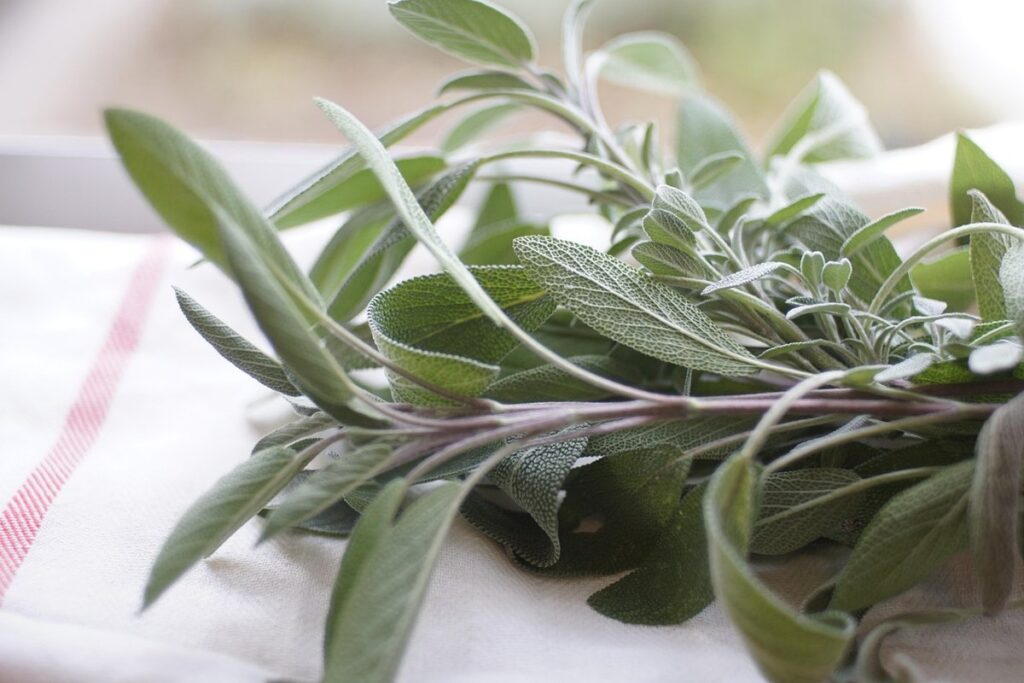
History and Cultural Significance
Fresh sage leaves have been prized for centuries not just for their culinary uses, but also for their symbolic and cultural importance across various civilizations. Let’s explore their fascinating history.
Origins and Traditional Use in Medicine
Sage has been used for centuries as a medicinal herb, with its origins dating back to ancient cultures. The Greeks and Romans revered sage for its perceived ability to improve memory and cognitive function, often using it in herbal remedies to treat neurological disorders. In traditional Chinese medicine, sage was valued for its cooling properties and used to balance the body’s energy.
In many indigenous cultures, sage was considered a sacred plant with spiritual significance. Native American tribes, such as the Cherokee and Ojibwe, used sage in purification rituals to cleanse the mind, body, and spirit. The leaves were burned as incense or mixed with water for use as an herbal tea. When preparing sage for medicinal use, it’s essential to choose fresh leaves, preferably organic, and dry them properly to preserve their potency.
When using sage medicinally, a general guideline is to steep 1-2 teaspoons of dried sage leaves in boiling water for 5-7 minutes. This can be consumed as an herbal tea three times daily. However, consult with a healthcare professional before incorporating sage into your treatment plan, especially if you’re managing chronic conditions or allergies. Fresh sage leaves are also a valuable addition to any kitchen garden, offering numerous health benefits when used in cooking and natural remedies.
Symbolism and Spiritual Significance
In many cultures, fresh sage leaves hold significant symbolic meaning, reflecting their importance in spiritual practices and ceremonies. For example, Native American tribes have long revered sage as a sacred herb, using it in purification rituals to cleanse the body, mind, and spirit. During these ceremonies, burning sage leaves releases its calming aroma, driving out negative energies and inviting positivity.
In many indigenous cultures, sage is considered a bridge between the physical and spiritual worlds, connecting individuals with their ancestors and the natural world. To tap into this symbolism, you can use fresh sage in your own purification rituals. Simply burn a few leaves in a smudging bowl or place them in a potpourri blend to create a sacred space for meditation or reflection.
The power of sage extends beyond its spiritual significance; it’s also associated with wisdom, clarity, and memory. In fact, studies have shown that inhaling sage essential oil can improve cognitive function and boost mood.
Growing and Harvesting Sage Leaves
To grow and harvest fresh sage leaves, you’ll want to choose a location with full sun and well-draining soil. With proper care, your sage plant will thrive for years to come.
Best Conditions for Growing Sage
Growing fresh sage leaves requires specific conditions that mimic their natural habitat. When it comes to climate, sage thrives in full sun to partial shade and well-drained soil with a pH between 6.0 and 7.0. It’s essential to plant sage in an area with adequate air circulation to prevent fungal diseases.
In terms of temperature, sage prefers daytime temperatures around 65°F to 75°F (18°C to 24°C) and nighttime temperatures around 55°F to 65°F (13°C to 18°C). Avoid planting sage in areas with standing water or where water tends to collect. This will help prevent root rot.
To give your sage plant the best chance at success, choose a location that receives at least six hours of direct sunlight per day. If you’re growing sage in containers, make sure the pot has good drainage holes and use a well-draining potting mix. Water your sage plants sparingly, as overwatering can be detrimental to their health.
By providing your sage plant with the right conditions, you’ll be rewarded with an abundance of fragrant leaves that are perfect for cooking and herbal remedies.
How to Harvest Fresh Sage Leaves
When it comes to harvesting fresh sage leaves, timing is everything. The ideal time to harvest is just before the flowers appear, as this is when the leaves are at their most potent and flavorful. To determine if it’s time to harvest, gently pinch off a few of the top stems. If they’re tender and fragrant, it’s likely time to start harvesting.
To maximize flavor and potency, harvest sage leaves regularly, ideally every week or two, depending on the plant’s growth rate. Pinch or cut off individual leaves or small clusters from the stem, leaving about an inch of stem attached to the plant. This will encourage new growth and prevent the plant from flowering prematurely.
Use a sharp pair of scissors or pinch off the leaves with your fingers, making sure not to bruise the stems. Harvesting fresh sage regularly will also help control the plant’s size and promote bushy growth. By following these simple steps, you’ll be able to enjoy the full flavor and benefits of your homegrown fresh sage leaves all season long.
Tips for Storing and Preserving Sage
Storing fresh sage leaves properly is crucial to maintaining their flavor and fragrance. When storing, tie the stems of the sage leaves together with twine and place them in a paper bag, making sure to keep the bag away from direct sunlight. This will help to maintain humidity levels and prevent moisture loss.
For longer-term preservation, you can dry or freeze the sage leaves. To dry sage, tie the stems together and hang them upside down in a warm, dry area with good air circulation. Once dried, store the leaves in an airtight container. Freezing is also an excellent option – simply chop the fresh sage leaves, place them in an airtight container or freezer bag, and store in the freezer.
To bring frozen sage to room temperature, simply let it thaw at room temperature or reheat it in a pan over low heat. Dried sage can be used immediately or stored for up to six months. When using preserved sage, remember that it will have a stronger flavor than fresh sage, so use it sparingly to avoid overpowering your dishes.
It’s also worth noting that dried or frozen sage can be ground into a powder and used as a spice in various recipes. This is especially useful when you need a specific amount of sage without having to measure out individual leaves.
Culinary Uses of Fresh Sage Leaves
Whether you’re whipping up a hearty soup or seasoning your roasted meats, fresh sage leaves can add a burst of flavor to any dish. Let’s explore their culinary uses in more detail.
Traditional Recipes Using Sage
When it comes to incorporating fresh sage leaves into your cooking, there’s no shortage of traditional recipes that showcase its unique flavor and aroma. For a classic twist on the holidays, try making a savory stuffing for your roasted turkey or chicken using chopped fresh sage leaves.
In Italy, you’ll find a similar use of sage in their Christmas tradition of “Sugo all’Amatriciana”, a pasta sauce made with guanciale (cured pork jowl), tomatoes, garlic, and plenty of fresh sage leaves. For a more rustic approach, consider adding some sautéed onions, carrots, and celery to create a hearty vegetable soup that’s perfect for chilly fall evenings.
One of the most iconic uses of fresh sage is in roasted meats like chicken or beef. Simply rub the meat with olive oil, sprinkle with salt and pepper, then top with chopped fresh sage leaves before roasting in the oven. The result is a beautifully browned, aromatic dish that’s sure to impress your dinner guests.
Whether you’re cooking for special occasions or everyday meals, fresh sage leaves offer endless possibilities for adding depth and complexity to your dishes. By incorporating these classic recipes into your repertoire, you’ll be well on your way to mastering the art of using fresh sage in all its forms.
Modern Twists on Sage-Infused Dishes
Fresh sage leaves are no longer just for stuffing poultry or making traditional Italian sauces. Modern chefs have discovered innovative ways to incorporate this versatile herb into their creations. One of the most exciting developments is its use in desserts, where its unique flavor and aroma complement sweet ingredients perfectly.
Consider pairing fresh sage with pumpkin puree, maple syrup, and crumbled goat cheese for a stunning fall dessert. Alternatively, infuse heavy cream with fresh sage leaves to create a decadent ice cream topping or whipped cream for cakes and pies. Sage also pairs surprisingly well with chocolate – try combining it with dark chocolate chips and orange zest in your next batch of brownies.
But the use of fresh sage isn’t limited to sweet treats alone. Many bartenders are now incorporating it into craft cocktails, where its earthy flavor complements spirits like gin and bourbon nicely. Try muddling a few leaves with lemon juice and mint for a refreshing twist on the classic Gin & Tonic, or add a sprig of fresh sage to your next Old Fashioned for an added layer of complexity. The possibilities are endless when it comes to using fresh sage in modern cuisine!
Health Benefits of Fresh Sage Leaves
Fresh sage leaves are a treasure trove of health benefits, and we’re excited to dive into some of the most significant advantages of incorporating them into your diet. Let’s explore how they can boost your well-being.
Antimicrobial Properties and Immune System Support
Fresh sage leaves have been found to possess remarkable antimicrobial properties that can boost our immune system function. According to a study published in the Journal of Ethnopharmacology, the essential oils extracted from sage leaves exhibited potent antibacterial and antifungal activities against various pathogens (1). This suggests that consuming or using fresh sage leaves may help protect against infections and support the overall health of our immune system.
One key compound responsible for sage’s antimicrobial properties is camphor. Research has shown that camphor can inhibit the growth of certain bacteria, including E. coli and Staphylococcus aureus (2). This means that fresh sage leaves may be particularly beneficial in situations where there’s a risk of bacterial infections, such as during cold and flu season.
To reap the immune-boosting benefits of fresh sage leaves, try adding them to your meals or drinks. You can chop the leaves finely and mix them into soups, salads, or teas. Alternatively, you can make a sage-infused oil by mixing crushed leaves with olive oil and applying it topically to soothe minor cuts and scrapes.
Remember to consume fresh sage in moderation due to its potential impact on blood sugar levels (3). However, when used responsibly, the antimicrobial properties of fresh sage leaves may just be the natural boost your immune system needs.
Neuroprotective Effects and Potential Treatment for Cognitive Decline
Research has shown that sage leaves possess neuroprotective properties, which may help prevent or treat cognitive decline. A 2010 study published in the Journal of Agriculture and Food Chemistry found that sage extract inhibited the activity of acetylcholinesterase, an enzyme implicated in Alzheimer’s disease. This suggests that sage may help increase levels of acetylcholine, a neurotransmitter involved in memory and learning.
Another study published in 2018 in the journal Phytotherapy Research found that sage supplementation improved cognitive function in individuals with mild cognitive impairment. Participants who received sage extract showed significant improvements in attention, memory, and executive function compared to those receiving a placebo.
While more research is needed to fully understand the potential of sage leaves for cognitive health, these findings suggest that incorporating fresh or dried sage into your diet may have a positive impact on brain function. Consider adding a few sprigs of fresh sage to your soups, stews, or salads, or try using sage extract in supplement form after consulting with a healthcare professional.
Preparing Fresh Sage Leaves for Use
To get the most out of your fresh sage leaves, it’s essential to prepare them correctly before using them in recipes. We’ll walk you through the simple steps to wash and dry these delicate herbs.
Methods for Preparing Sage Leaves
When it comes to preparing fresh sage leaves for use in cooking, you have several methods at your disposal. One of the most common ways is to simply chop them using a knife or kitchen shears. This method allows for easy incorporation into various dishes, such as stuffing or sauces.
Another approach involves bruising the leaves, which helps release their oils and flavor compounds. To do this, place the leaves between your hands and gently press down on them until they become fragrant and slightly torn. Bruised sage leaves can then be added to soups, stews, or roasted meats for extra depth of flavor.
Infusing is yet another method that works well with fresh sage leaves. This involves steeping them in a liquid, such as oil or vinegar, to extract their essence. A simple way to do this is by placing the leaves in a clean glass jar and covering them with your chosen liquid. Store it in the refrigerator for a few hours or overnight before straining out the solids and using the infused liquid in your recipe.
These methods allow you to tailor the preparation of fresh sage leaves to suit your specific needs, whether that’s adding a burst of flavor to a dish or creating a fragrant oil for finishing meats.
Substitution Options for Fresh Sage Leaves
When you’re short on fresh sage leaves or can’t find them at the store, there are several options to consider. You can use dried sage leaves as a substitute in recipes that call for fresh ones. Keep in mind that dried sage is more concentrated than fresh, so start with a small amount and adjust to taste.
Another alternative is frozen sage leaves. They retain much of their flavor and aroma when stored properly. Thaw them by leaving the bag at room temperature or submerging it in cold water.
If you don’t have any sage on hand at all, consider using thyme as a substitute. Its slightly minty flavor pairs well with many dishes that typically feature sage. Oregano is another option to explore, although its pungency may alter the overall taste of your recipe.
It’s essential to note that each substitution will change the character of your final product. Be prepared to adjust seasoning accordingly and experiment with different combinations to achieve the desired flavor.
Safety Precautions and Side Effects of Consuming Fresh Sage Leaves
When using fresh sage leaves, it’s essential to be aware of potential risks associated with consumption. We’ll cover common side effects and safety precautions you should take in moderation.
Potential Interactions with Medications and Allergies
Consuming fresh sage leaves can interact with certain medications, including blood thinners such as warfarin and aspirin. Sage contains salvia, which may enhance the effects of these medications and increase the risk of bleeding. If you’re taking any prescription medication, consult with your healthcare provider before adding fresh sage to your diet.
In addition to potential interactions, some individuals may experience signs of allergy or intolerance after consuming fresh sage leaves. Common symptoms include hives, itching, and swelling, particularly around the mouth and face. Mild digestive issues like nausea, stomach cramps, and diarrhea can also occur in sensitive individuals.
If you notice any unusual symptoms or reactions after eating fresh sage, stop using it immediately and consult with your healthcare provider. To minimize potential risks, start by consuming a small amount of fresh sage (about 1/4 teaspoon) to gauge your tolerance. If no issues arise, gradually increase the serving size as needed. Always prioritize caution when introducing new foods into your diet, especially if you have pre-existing health conditions or allergies.
Recommended Dosage and Preparation for Optimal Benefits
To fully unlock the benefits of fresh sage leaves, it’s essential to understand the recommended dosage and preparation methods. The general guideline is to consume 1-2 teaspoons of fresh sage leaves per day, either by steeping them in hot water or adding them to salads, soups, or sauces.
When using fresh sage leaves for medicinal purposes, it’s best to start with a low dose and gradually increase as needed. For example, if you’re experiencing digestive issues, begin with 1/4 teaspoon of chopped fresh sage leaves added to your meal. You can also infuse sage leaves in olive oil to create a topical remedy for skin irritations or wounds.
To prepare fresh sage leaves for consumption, simply chop them finely and add them to your desired recipe. When cooking with sage, use it in moderation, as its flavor can quickly overpower other ingredients. Remember that the quality of the sage leaves matters; choose fresh, organic leaves whenever possible to ensure optimal benefits and minimal side effects.
Frequently Asked Questions
Can I use dried sage leaves as a substitute for fresh sage?
Yes, you can use dried sage leaves, but keep in mind that their flavor and aroma are more concentrated than those of fresh sage. To use dried sage effectively, rehydrate it by soaking the leaves in hot water or broth before adding to your recipe.
How do I identify if my sage plant is healthy enough for harvesting?
A healthy sage plant will have vibrant green leaves with a slightly soft texture. Check for any signs of pests, diseases, or nutrient deficiencies. Harvest individual leaves regularly to encourage bushy growth and prevent the plant from flowering prematurely.
Can I grow sage indoors year-round, regardless of climate?
Yes, you can grow sage indoors in containers, which will allow you to control the environment and maintain optimal conditions for growth. Make sure your container is at least 6-8 inches deep and has good drainage holes to accommodate the plant’s root system.
Are there any potential interactions with medications or allergies I should be aware of when consuming fresh sage?
While generally considered safe, large quantities of fresh sage may interact with certain medications, such as blood thinners or diabetes medications. Additionally, individuals with thyroid issues or allergies should consult their healthcare provider before consuming fresh sage regularly.
Can I store fresh sage leaves in the refrigerator for an extended period without losing their flavor and aroma?
Fresh sage leaves can be stored in a sealed container in the refrigerator for up to one week. However, their flavor and aroma may start to degrade after three days. For longer storage, consider freezing or drying the leaves to preserve their potency and shelf life.