
Are you familiar with the calming and refreshing properties of dried mint leaves? For centuries, herb dry mint has been used in traditional medicine for its numerous benefits. From soothing digestive issues to relieving coughs and congestion, this versatile herb is a natural remedy that’s worth exploring. Whether you’re looking for a holistic approach to health or seeking a modern alternative to conventional treatments, dry mint is definitely worth considering.
In this article, we’ll delve into the history of dry mint, its traditional uses, and its many benefits. We’ll also explore its applications in modern times, including digestive relief, cough suppression, and more. From its potential as an anti-inflammatory agent to its role in promoting relaxation, you’ll discover why herb dry mint is a treasure trove of natural remedies waiting to be uncovered.
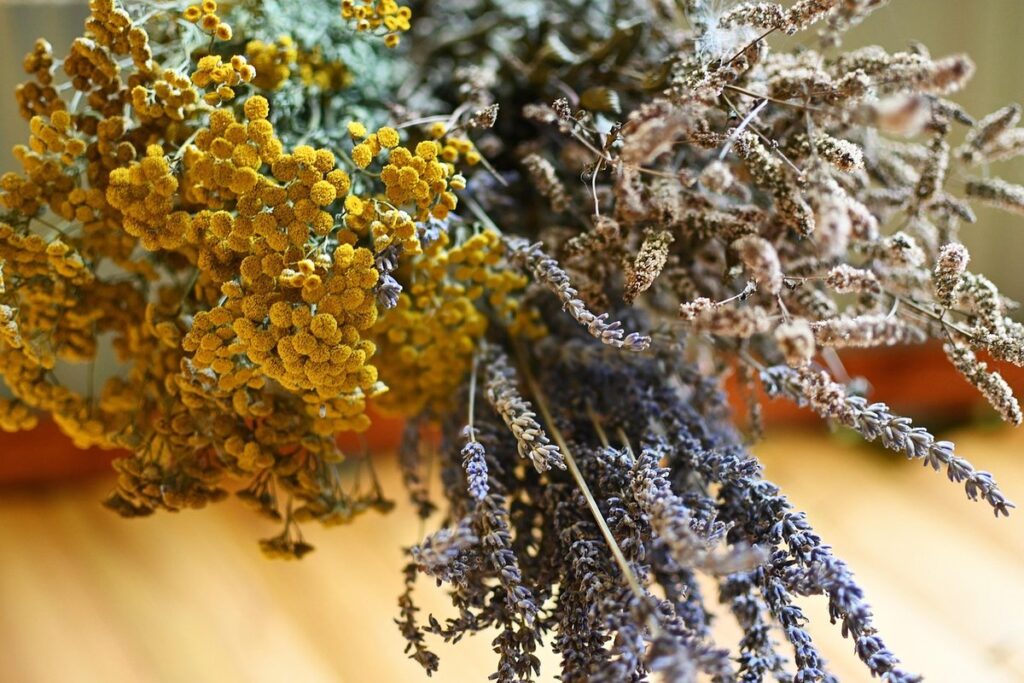
History and Origins of Dry Mint
Let’s take a step back and explore where dry mint originated from, tracing its journey through history to become the popular herb we know today. Its roots date back thousands of years in ancient civilizations.
Introduction to Dry Mint’s Ancient Roots
Mint has been revered for its medicinal properties and versatility across cultures for thousands of years. Its ancient roots can be traced back to civilizations such as Egypt and Greece, where it was highly valued for its therapeutic benefits. In these societies, mint was not only used for culinary purposes but also for its healing powers.
The Egyptians worshipped the goddess Menat, who was often depicted holding a sprig of mint, symbolizing her role in granting fertility and purification. Mint leaves were placed in tombs to ensure the deceased had a smooth transition into the afterlife. Similarly, in ancient Greece, Hippocrates, known as the father of medicine, employed mint for its digestive properties.
These early civilizations recognized mint’s potent anti-inflammatory and antibacterial qualities, which made it an essential remedy for various ailments. Its effectiveness was so well-documented that it became a staple in traditional Chinese medicine, where it is still used today to treat respiratory issues. This rich history showcases the profound impact of dry mint on ancient cultures, underscoring its enduring significance as a medicinal herb.
Early Uses of Dry Mint in Traditional Medicine
In ancient civilizations, dry mint was prized for its multifaceted health benefits and versatility. Traditional medicine utilized it to alleviate digestive issues such as indigestion, nausea, and irritable bowel syndrome (IBS). In Ayurvedic medicine, for instance, dry mint was used in combination with other herbs to soothe stomach problems and promote healthy digestion. The ancient Greeks and Romans also employed dry mint to calm the digestive system and relieve symptoms of motion sickness.
Beyond gastrointestinal issues, dry mint was also used to treat respiratory problems like coughs, colds, and congestion. In traditional Chinese medicine, dry mint was paired with other herbs to combat bronchitis and asthma. Its expectorant properties helped loosen mucus, making it easier for the body to expel. The leaves of the dry mint plant were often steeped in hot water to create a soothing tea or used in aromatherapy to ease respiratory distress.
It’s worth noting that traditional medicine wasn’t limited to these uses; dry mint was also employed topically to relieve headaches, sore muscles, and insect bites. Its antibacterial properties made it effective against minor skin irritations.
Benefits and Properties of Herb Dry Mint
You’re probably wondering what makes herb dry mint so special, right? Let’s dive into its amazing benefits and unique properties that will make you love it even more.
Antimicrobial and Anti-Inflammatory Effects
Dry mint has been shown to possess remarkable antimicrobial and anti-inflammatory properties, backed by robust scientific research. Studies have demonstrated that dry mint’s essential oils, particularly menthol and menthone, exhibit potent antibacterial activity against a range of pathogens, including E. coli, Staphylococcus aureus, and Pseudomonas aeruginosa.
The anti-inflammatory effects of dry mint are also well-documented, with research indicating its ability to inhibit the production of pro-inflammatory cytokines and enzymes involved in inflammation. This is particularly relevant for conditions such as arthritis, where chronic inflammation can exacerbate symptoms. By incorporating dry mint into your skincare routine or using it topically, you may be able to reduce redness and soothe irritated skin.
In practical terms, you can harness the antimicrobial and anti-inflammatory effects of dry mint by adding a few drops of peppermint oil to your bath water, applying a cool compress infused with dried mint leaves, or incorporating dry mint into your cooking and tea blends. By leveraging these properties, you can not only enhance your overall well-being but also naturally address common health concerns associated with inflammation and infection.
Digestive Health and Relief from Bloating
Dry mint has been used for centuries to aid digestion and alleviate symptoms of irritable bowel syndrome (IBS). The menthol content in dry mint helps relax the muscles in the digestive tract, reducing inflammation and spasms that can lead to bloating. When consumed as a tea or added to food, dry mint oil triggers the release of digestive enzymes, facilitating smoother digestion.
The herb’s antibacterial properties also play a crucial role in maintaining gut health. By inhibiting the growth of pathogens in the digestive system, dry mint helps prevent conditions such as diarrhea and constipation that can be associated with IBS. If you’re experiencing bloating or discomfort after eating, try incorporating dry mint into your diet – steep it in hot water to make a tea or add a few sprigs to salads for an instant digestive boost.
To experience the full benefits of dry mint, consider these tips: start with small amounts (1-2 teaspoons) and gradually increase as needed; combine dry mint with ginger or peppermint for enhanced digestion; and drink plenty of water throughout the day to prevent dehydration that can exacerbate symptoms.
Cough Suppression and Respiratory Relief
Dry mint is renowned for its expectorant properties that work wonders in relieving coughs and congestion. When you’re feeling congested, your body produces excess mucus that blocks the airways, making it difficult to breathe. Dry mint’s expectorant properties help thin out this excess mucus, making it easier to expel from the lungs.
This is particularly beneficial for people suffering from respiratory issues such as bronchitis or pneumonia. The expectorant action of dry mint helps loosen and clear out the mucus, reducing congestion and allowing for better airflow. Moreover, dry mint’s anti-inflammatory properties also help reduce inflammation in the airways, making it an excellent natural remedy for alleviating coughs.
To get the most out of dry mint’s cough-suppressing benefits, try using a warm compress on your chest or inhaling steam from a bowl of hot water with a few sprigs of fresh dry mint. You can also consume dry mint tea or add it to your bathwater for added relief. By harnessing the expectorant properties of dry mint, you can say goodbye to congestion and breathe easily once again.
Growing and Harvesting Herb Dry Mint
Now that you have a thriving herb dry mint plant, it’s time to focus on nurturing its growth and harvesting its fragrant leaves at their peak potency. In this section, we’ll guide you through the process of growing and harvesting your herb dry mint with ease.
Best Conditions for Growth and Yield
When growing herb dry mint for maximum yield, it’s essential to provide optimal conditions that mimic its natural habitat. Choose a spot with full sun to partial shade, as direct sunlight can lead to scorching and reduced yields.
Select well-draining soil rich in organic matter, such as compost or manure, which will help retain moisture while preventing waterlogged soil. Mint prefers slightly acidic to neutral pH levels (5.5-7), so test your soil before planting.
Water dry mint regularly, but avoid overwatering, which can lead to root rot and other issues. Aim for about 1-2 inches of water per week, either from rain or irrigation. Mulching around the plants helps retain moisture and suppress weeds, reducing the need for frequent watering.
Temperature also plays a crucial role in dry mint growth. Optimal temperatures range between 65°F (18°C) and 75°F (24°C), with some varieties tolerating warmer conditions. Keep your herb garden away from frost pockets to prevent damage during cooler months. By providing these optimal growing conditions, you’ll be rewarded with a bountiful harvest of fragrant dry mint leaves.
Timing of Harvest for Maximum Flavor and Aroma
When it comes to growing and harvesting dry mint, timing is everything. Harvesting at the right moment can make all the difference in preserving the herb’s flavor and aroma. If you harvest too early, the leaves may be weak and lacking in potency, while picking too late can result in a bitter taste.
To ensure maximum flavor and aroma, it’s essential to monitor your dry mint plant regularly. Check for the ideal conditions: when the leaves are at their peak size, color, and fragrance. This usually occurs during the morning or early afternoon, after the dew has dried but before the heat of the day becomes intense. You can also check by gently tugging on a stem – if it comes off easily, it’s ready to be harvested.
Timing is also crucial when considering the plant’s growth cycle. For maximum flavor and aroma, harvest individual leaves or stems as needed, rather than waiting for the entire plant to mature. This will encourage new growth, prevent over-maturity, and maintain the herb’s potency. By harvesting at the right time, you’ll be able to enjoy your dry mint’s full potential – a true delight for any culinary enthusiast!
Preparing and Using Herb Dry Mint
To get the most out of your herb dry mint, it’s essential to know how to properly prepare and use it in various recipes and applications. This section will walk you through those steps.
Drying Methods: Air Drying vs. Oven Drying
When it comes to drying herb dry mint, you have two popular methods at your disposal: air drying and oven drying. While both techniques produce high-quality dried mint, they differ significantly in terms of efficiency, effectiveness, and end result.
Air drying is a natural method that preserves the herb’s delicate flavor and aroma. Simply tie the mint leaves in small bunches and hang them upside down in a warm, dry, dark place with good air circulation. This method can take anywhere from 7-14 days to complete, depending on the humidity and temperature of your environment.
On the other hand, oven drying is a faster method that uses low heat to quickly remove moisture from the herb. Preheat your oven to its lowest temperature setting (usually around 150°F). Place the mint leaves in a single layer on a baking sheet lined with parchment paper. Dehydrate for 1-2 hours or until the leaves are crumbly and dry.
When choosing between air drying and oven drying, consider factors like time, convenience, and desired texture. Air drying is ideal for those who have the luxury of time and want to preserve the herb’s natural oils. Oven drying, however, is faster and more convenient, but may require more attention to prevent over-drying or under-drying.
Infusing Oil and Vinegar with Dry Mint
Infusing oil and vinegar with dry mint is a simple yet effective way to elevate your culinary creations. To get started, you’ll need high-quality dry mint leaves, neutral-tasting oils like olive or grapeseed, and vinegars such as apple cider or white wine. Begin by measuring out the desired amount of dry mint – a general rule of thumb is 1-2 tablespoons per cup of oil or vinegar.
Place the dry mint in a clean glass jar or container, then add the oil or vinegar, making sure the leaves are completely submerged. Seal the jar and store it in a cool, dark place for at least 2-3 weeks, shaking the mixture every few days to help the flavors meld. The longer it infuses, the stronger the flavor will be.
Once your infusion is complete, strain the liquid through a cheesecloth or fine-mesh sieve into another container, discarding the solids. Your flavored oil or vinegar is now ready to use in salad dressings, marinades, or as a finishing touch for grilled meats and vegetables. Remember that infused oils can become rancid if exposed to light or heat, so be sure to store them in a dark place and use them within a few months.
Incorporating Dry Mint into Teas and Tisanes
Incorporating dry mint into teas and tisanes is an excellent way to add its unique flavor and medicinal properties to a variety of herbal infusions. When blending dry mint with other herbs, it’s essential to consider the flavor profile and intended health benefits of each component.
For instance, pairing dry mint with soothing herbs like chamomile or lavender creates a calming tea perfect for unwinding before bed. On the other hand, combining dry mint with more invigorating herbs like peppermint or ginger can create an energizing blend ideal for morning pick-me-ups.
To incorporate dry mint into your teas and tisanes, start by adding 1-2 teaspoons of dried herb to a teaspoon of loose-leaf tea or herbal infusion. Adjust the ratio as needed based on personal preference. Some popular dry mint blends include:
• Minty fresh: Combine equal parts dry mint, lemon verbena, and hibiscus for a refreshing summer tea.
• Digestive aid: Blend 2 parts dry mint with 1 part ginger and 1 part fennel for a soothing digestive tea.
• Calming nightcap: Mix 3 parts dry lavender with 1 part dry mint and 1 part chamomile for a peaceful bedtime tea.
Experiment with different ratios and combinations to create unique herbal infusions that suit your taste preferences and health goals.
Potential Side Effects, Interactions, and Contraindications
While herb dry mint is generally considered safe for consumption, it’s essential to be aware of possible side effects and interactions that may occur when using it as a remedy. Let’s take a closer look at what you need to know.
Precautions for Allergic Reactions and Interactions
If you’re new to using herb dry mint, it’s essential to be aware of potential allergic reactions and interactions with medications. While rare, some individuals may experience an allergic reaction, which can manifest as hives, itching, or difficulty breathing. If you notice any of these symptoms after consuming herb dry mint, discontinue use immediately and consult a healthcare professional.
Interactions with medications are another consideration when using herb dry mint. Certain medications, such as blood thinners, diabetes medications, and high blood pressure medications, may be affected by the menthol content in herb dry mint. Additionally, if you’re taking antacids or acid reducers, you may want to monitor your heart rate and blood sugar levels closely while consuming herb dry mint.
To minimize potential risks, start with small amounts (about 1/4 teaspoon) and observe how your body reacts. If you have a pre-existing medical condition or are taking prescription medications, consult with your healthcare provider before incorporating herb dry mint into your diet. This will help ensure safe and enjoyable use of this versatile herb.
Contraindications: Pregnant, Breastfeeding, or Underlying Medical Conditions
When it comes to reaping the benefits of herb dry mint, there are certain groups that should exercise caution or avoid its use altogether. Pregnant women, for instance, may want to limit their consumption of dry mint due to its potential to stimulate the uterus and induce contractions.
Similarly, breastfeeding mothers need to be mindful of the amount of dry mint they consume, as it can affect milk production and flow. In moderate amounts, herb dry mint is unlikely to cause harm; however, excessive intake may lead to decreased lactation or changes in infant’s behavior.
Individuals with certain medical conditions should also approach dry mint with caution. Those with high blood pressure, stomach ulcers, or acid reflux issues may find that dry mint exacerbates their condition. If you have a pre-existing health issue or are taking medications, it is essential to consult with your healthcare provider before incorporating dry mint into your routine.
In general, it’s always better to err on the side of caution when introducing new herbs, especially for those with underlying conditions. A gentle approach and close monitoring can help you avoid potential complications while still enjoying the benefits of herb dry mint.
Conclusion and Final Thoughts
As we conclude our comprehensive guide to herb dry mint, let’s summarize the key takeaways from our exploration of its benefits and uses. What can you start doing today to harness the power of this amazing herb?
Recap of Key Benefits and Uses
Herb dry mint has proven to be an incredibly versatile and beneficial herb, offering a range of uses that can enhance both physical and mental well-being. By now, you’re likely aware of its ability to aid digestion, reduce stress and anxiety, and even provide relief from headaches and colds. But what’s also worth noting is its potential as a natural breath freshener and skin toner.
One of the most significant advantages of herb dry mint is its convenience – it can be easily incorporated into daily routines in various forms, such as teas, capsules, or topical creams. For instance, you can make a refreshing tea by steeping dried mint leaves in hot water to soothe an upset stomach or calm a feverish night. Alternatively, applying a few drops of peppermint essential oil to your pulse points can help clear congestion and leave you feeling revitalized.
Whether you’re looking to address specific health concerns or simply seeking ways to elevate your daily wellness routine, herb dry mint is definitely worth considering.
Future Research and Applications
As we conclude our comprehensive guide to the power of herb dry mint, it’s exciting to think about the vast potential for future research and applications. With its numerous benefits for digestive health, stress relief, and oral care, dry mint is poised to revolutionize various industries.
One area that holds immense promise is its use in pharmaceuticals. Researchers may explore the potential of dry mint extracts as natural remedies for anxiety disorders, insomnia, and other conditions related to stress. For instance, a study published in the Journal of Ethnopharmacology found that peppermint oil exhibited anxiolytic effects in mice, suggesting its potential as a natural anti-anxiety agent.
Additionally, dry mint’s antimicrobial properties make it an attractive candidate for use in wound care and skin treatments. Its ability to inhibit the growth of bacteria and fungi could lead to breakthroughs in the development of novel antiseptics and antimicrobials. With continued research, we may see dry mint-based products emerge as game-changers in the healthcare industry.
As consumers become increasingly health-conscious, demand for natural remedies is skyrocketing. Dry mint’s versatility and efficacy make it an ideal ingredient for various applications, from dietary supplements to cosmetics. As the field of herbal medicine continues to evolve, it will be exciting to see how dry mint contributes to innovative solutions that promote well-being and improve lives.
Frequently Asked Questions
Can I grow herb dry mint indoors, or is it best suited for outdoor cultivation?
Yes, you can successfully grow herb dry mint indoors with proper care and conditions. To mimic its native Mediterranean climate, ensure a south-facing window with temperatures between 60-70°F (15-21°C) and humidity levels around 40-50%. However, keep in mind that indoor plants may not thrive as well as those grown outdoors.
How do I dry mint leaves to preserve their flavor and aroma for longer periods?
Air drying is the best method for preserving mint’s natural oils. Tie small bunches of fresh mint leaves with twine and hang them upside down in a warm, dry, dark place with good air circulation. Keep an eye on the leaves’ color; once they turn light brown, you can store them in airtight containers.
Are there any specific health risks or precautions I should take when using herb dry mint, especially for pregnant or breastfeeding women?
While generally safe, it’s essential to consult with a healthcare professional before using herb dry mint during pregnancy or breastfeeding. Excessive consumption may lead to uterine contractions and stimulate milk production. For others, start with small amounts (about 1 teaspoon) and monitor your body’s response.
Can I combine dry mint with other herbs for synergistic benefits, or is it best used alone?
Yes, you can blend dry mint with other herbs like peppermint, chamomile, or lemon balm to create unique tea blends. These combinations can enhance the effects of individual ingredients and offer a more balanced approach to herbal remedies.
How long does dried herb mint retain its potency and effectiveness?
When stored properly in airtight containers and kept away from direct sunlight and heat sources, dry mint can maintain its potency for up to six months. However, its flavor and aroma may begin to fade after three months.