
Are you ready to unlock the world of dill seeds? These tiny treasures are packed with flavor, nutrition, and versatility, making them a staple in many kitchens. Not only do they add a burst of fresh flavor to your cooking, but dill seeds also boast impressive health benefits, from reducing inflammation to supporting digestive well-being.
In this comprehensive guide, we’ll delve into the uses of dill seeds in cooking, explore their impressive nutritional profile, and provide expert tips on growing and preserving these precious seeds. Whether you’re a seasoned gardener or a culinary newbie, you’ll discover how to harness the full potential of dill seeds for a bounty of fresh herbs. From seed selection to storage, we’ve got you covered – get ready to fall in love with the amazing world of dill seeds!
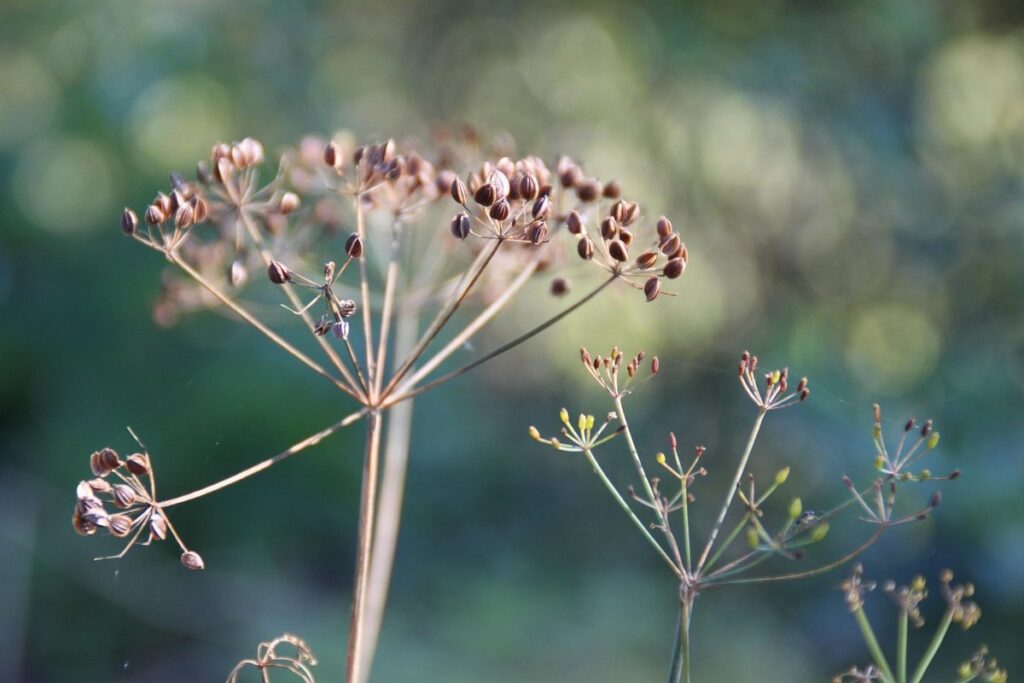
What are Dill Seeds?
Dill seeds, also known as dill caraway, come from the same plant that produces fresh dill leaves and flowers, but have a distinct flavor and usage. Let’s take a closer look at what they are and where they’re commonly used.
Types of Dill Seeds
Dill seeds come in various types, each with its unique characteristics and uses. The most common types of dill seeds are small brown or yellowish seeds, large white seeds, and oriental dill seeds.
The small brown or yellowish seeds are the most commonly available type and have a milder flavor compared to other varieties. They are suitable for pickling and cooking a variety of dishes such as salads, soups, and stews.
Large white dill seeds, on the other hand, have a stronger and more pungent flavor than small brown or yellowish seeds. They are often used in Scandinavian and Eastern European cuisine to add depth and complexity to traditional dishes like gravlax and meatballs.
Oriental dill seeds, also known as douki, have an even stronger flavor than large white seeds and are commonly used in Korean and Japanese cooking. They can be added to kimchi, sushi rice, or other Asian-inspired recipes for a burst of fresh dill flavor.
When choosing the right type of dill seeds for your recipe, consider the intensity of flavor you prefer and the type of dish you’re preparing.
Choosing the Right Dill Seed Variety for You
When selecting dill seed varieties, it’s essential to consider your climate, region, and desired growth habits. If you live in a cooler climate with short growing seasons, opt for ‘Fernleaf’ or ‘Mammoth’ varieties that mature quickly, typically within 60-70 days. These compact plants are ideal for container gardens or small spaces.
For warmer climates or regions with long growing seasons, choose ‘Dukat’ or ‘Hercules’ varieties that thrive in heat and humidity. These tall-growing plants can reach up to 4 feet in height, making them perfect for border plantings or large containers.
Consider the growth habits of your chosen variety as well. If you prefer a bushy dill with a more compact growth habit, select ‘Mammoth’ or ‘Fernleaf’. For taller growth or a more dramatic look, choose ‘Dukat’ or ‘Hercules’.
Ultimately, it’s crucial to check the specific growing requirements and mature days for your chosen variety. This will ensure you’re providing the right conditions for your dill seeds to thrive.
Benefits of Using Dill Seeds in Cooking
Dill seeds are a treasure trove of flavor and nutrition, offering numerous benefits when used in cooking. Let’s explore their incredible advantages for your meals.
Culinary Uses of Dill Seeds
Dill seeds are an incredibly versatile ingredient that can add depth and freshness to a wide range of dishes. One of the most popular uses for dill seeds is pickling. Simply mix them with some vinegar, salt, and water to create a brine, then soak sliced cucumbers or other vegetables in it for a few hours or overnight. The result is a tangy, crunchy snack that’s perfect for hot summer days.
You can also use dill seeds to add flavor to soups and stews. Try adding a teaspoon or two to your favorite recipe for a clear broth or a hearty borscht. Alternatively, you can mix them with some olive oil and lemon juice for a simple salad dressing.
In addition to these uses, dill seeds are also a great addition to many savory dishes. They pair particularly well with fish, especially salmon and cod, as well as with lamb and chicken. Simply sprinkle them over your dish before serving or add them to the pot during cooking for maximum flavor.
Health Benefits of Dill Seeds
Dill seeds have been revered for centuries not only for their culinary uses but also for their potential health benefits. As it turns out, incorporating dill seeds into your diet can have a positive impact on digestion, thanks to their carminative properties. Carminatives are compounds that help reduce gas and alleviate bloating, making them an excellent addition to meals for those with sensitive stomachs or digestive issues.
The antioxidant properties of dill seeds also play a significant role in maintaining overall health. Dill seeds contain flavonoids and terpenes, which work together to neutralize free radicals and protect cells from damage. This can contribute to a lower risk of chronic diseases such as heart disease and cancer.
Incorporating dill seeds into your diet is straightforward: simply add them to your meals or use them in homemade remedies like teas and infusions. For example, you can try adding 1/4 teaspoon of ground dill seeds to your morning smoothie for a digestive boost.
Growing Dill from Seed: A Step-by-Step Guide
To successfully grow dill from seed, you’ll want to follow a few key steps that will have your fragrant herb thriving in no time. Let’s get started on this simple process together.
Preparing the Soil for Dill Seeds
Before sowing dill seeds, it’s essential to prepare the soil for optimal growth. Dill prefers well-draining, loose soil with a pH between 6.0 and 7.0. If your soil is heavy clay or sandy, mix in some organic matter like compost to improve its structure.
To determine the ideal pH level for your dill crop, you can purchase a soil testing kit or send a sample to a lab for analysis. Based on the test results, adjust the pH by adding lime to raise it or sulfur to lower it. Dill requires a balanced nutrient profile with adequate nitrogen (N), phosphorus (P), and potassium (K).
To achieve this balance, you can use a general-purpose fertilizer at a rate of 10-10-10 N-P-K. You can also side-dress with high-phosphorus fertilizer to promote root development. For example, if your dill seeds are being sown in late spring, apply a balanced fertilizer at planting time and follow up with a high-phosphorus application when the plants reach about 6 inches tall.
Keep in mind that over-fertilization can lead to weak growth and reduced seed production. It’s better to err on the side of caution and provide your dill crop with adequate nutrients without overdoing it.
Sowing and Caring for Dill Seeds
When sowing dill seeds, it’s essential to follow proper spacing guidelines to ensure optimal growth and prevent overcrowding. Sow dill seeds about 1/4 inch deep and 2-3 inches apart in well-draining soil with a pH between 6.0 and 7.0. Dill is a cool-season crop and prefers the cooler temperatures of spring or fall. Avoid sowing in extreme heat, as this can lead to poor germination.
Water the seeds gently but thoroughly after sowing, and keep the soil consistently moist during the first few weeks. Once the seedlings have 2-3 sets of leaves, you can reduce watering to about 1 inch per week. To promote healthy growth, provide your dill plants with full sun (at least 6 hours of direct sunlight) and well-aerated soil.
It’s also crucial to thin the seedlings to 12-18 inches apart as they grow. This will give each plant room to spread its foliage and produce an abundance of fragrant stems for harvesting. By following these sowing and caring guidelines, you’ll be on your way to growing delicious and fresh dill from seed.
Using Dill Seeds in Herbal Remedies and Crafts
When it comes to harnessing the full potential of dill seeds, you’ll want to explore their uses beyond just cooking. From herbal remedies to creative crafts, we’re about to dive into some amazing applications for these versatile seeds.
Making Dill Seed Tea and Infusions
To create dill seed tea and infusions for medicinal purposes, you’ll need to follow these simple steps. Start by gathering dried dill seeds, which can be purchased online or harvested from your own dill plant. A general rule of thumb is to use one teaspoon of dried seeds per cup of boiling water.
For a basic infusion, combine the dill seeds with hot water in a teapot or infuser. Allow it to steep for 5-7 minutes before straining and enjoying as a soothing tea. You can also add honey or lemon to taste.
If you prefer a stronger brew, try making a decoction by simmering 2 tablespoons of dried seeds in 2 cups of water for 10-15 minutes. Strain the liquid carefully before drinking. Some herbalists recommend combining dill seed tea with other herbs like chamomile and peppermint for enhanced relaxation benefits.
Keep in mind that dill seed tea is best consumed in moderation due to its potential interactions with certain medications. As with any new remedy, consult with a healthcare professional before using it regularly or if you have pre-existing health conditions.
Crafting with Dill Seeds: Potpourri and Ornament Ideas
Dill seeds are not just a tasty addition to pickling jars, but they also have a multitude of uses when it comes to crafting and decorating. One of the most creative ways to use dill seeds is in potpourri blends. Simply combine dried dill seeds with other fragrant ingredients like lavender buds, rose petals, and essential oils to create a unique and inviting scent for your home.
You can also use dill seeds to add a decorative touch to wreaths and garlands. For example, thread dried dill seeds onto a floral wire stem or string them along with other natural elements like eucalyptus branches and pinecones to create a beautiful winter wreath. Alternatively, sprinkle dill seeds into a glass vase or jar filled with water and add some decorative stones or pebbles for a simple yet elegant centerpiece.
When using dill seeds in your crafts, remember to dry them thoroughly first to prevent mold and mildew from forming. You can air-dry the seeds by tying them in small bunches and hanging them upside down in a warm, dry spot. Once dried, you can store them in airtight containers for future use.
Dried dill seeds can also be used as an attractive accent in gift wrapping or as a finishing touch on a handmade card. Simply glue the seeds onto a decorative ribbon or twine to add a pop of color and texture.
Storage and Preservation of Dill Seeds
To ensure you get the most out of your dill seed harvest, it’s essential to properly store and preserve them for future use. We’ll walk you through a simple process.
Tips for Storing Dill Seeds Long-Term
To keep dill seeds potent and fresh for an extended period, proper storage is essential. Dill seeds are a delicate crop that can lose their flavor and potency quickly if not stored correctly.
First, it’s crucial to dry the dill seeds completely before storing them. Excess moisture can lead to mold and spoilage. You can air-dry the seeds or use a food dehydrator on the lowest heat setting. Once dried, store the seeds in an airtight container, such as a glass jar with a tight-fitting lid.
For long-term storage, consider storing the seeds in the refrigerator or freezer. This will help preserve their flavor and aroma. You can also add a desiccant packet to the container to absorb any remaining moisture. When storing dill seeds for an extended period, it’s essential to label the container with the date and contents.
Properly stored dill seeds can last up to 5 years. Regularly check on the seeds for signs of spoilage or loss of potency. If you notice a decline in quality, it may be time to replace the seeds.
Preserving Dill Seed Harvests: Freezing and Drying Methods
Preserving dill seed harvests requires careful planning to ensure their quality and flavor remain intact. Freezing and drying are two effective methods for preserving dill seeds.
Freezing is an excellent way to preserve the delicate flavor and aroma of fresh dill seeds. To freeze, spread the seeds in a single layer on a baking sheet or tray, then transfer them to an airtight container or freezer bag once frozen solid. Frozen dill seeds can be stored for up to 8 months.
Drying is another method that helps preserve dill seeds by removing their moisture content. Air drying, using a food dehydrator, or even your oven on the lowest temperature setting can be used to dry dill seeds. Once dried, store them in an airtight container to maintain their flavor and aroma. Properly stored dried dill seeds can last for up to 6 months.
It’s essential to note that before freezing or drying, make sure the dill seeds are completely dry and free of moisture to prevent mold growth.
Frequently Asked Questions About Dill Seeds
If you’ve got questions about dill seeds, we’ve got answers. Below, we’ll address some of the most common queries about using and growing these versatile little seeds.
Common Dill Seed Growing Problems and Solutions
When growing dill from seed, you may encounter some common problems that can affect its health and productivity. One of the most significant issues is pests, such as aphids, spider mites, and whiteflies, which can infest the plants and cause damage. To combat these pests, use neem oil or insecticidal soap to control their populations.
Another problem you may face is diseases like powdery mildew, leaf spot, and root rot. These fungal infections thrive in warm, humid environments and can be managed by maintaining good air circulation, ensuring proper watering, and using fungicides.
To prevent these issues from arising, ensure your dill seeds are sown in well-draining soil with a pH between 6.0 and 7.0. Keep the area free from weeds and debris to avoid attracting pests and diseases. Regularly inspect your plants for signs of infestation or infection and take action promptly.
Monitor your plants’ watering needs, as overwatering can lead to root rot and other problems. By being vigilant and taking preventative measures, you’ll be able to enjoy a bountiful harvest of healthy dill from seed.
Tips for Harvesting and Saving Dill Seeds for Future Use
When it’s time to harvest dill seeds, you’ll be thrilled with the abundance of fresh seeds you can collect from your garden. Harvesting and saving dill seeds for future use is a simple process that requires some care and attention to detail. Here are some tips to help you get started:
First, wait until the flowers on your dill plant have turned brown and dried out completely. This usually occurs after the first frost or when the plant begins to bolt (go to seed). Cut off the flower heads, tie them in small bunches, and hang them upside down in a warm, dry place with good air circulation.
Once the seeds are fully dry and brittle, you can remove the seed pods from the stems. Spread the seeds out on a paper bag or cloth, and gently rub them between your hands to release any remaining chaff (dry plant material). Store the cleaned dill seeds in an airtight container in a cool, dark place.
By following these steps, you’ll be able to harvest and save dill seeds for future use in gardening or cooking. You can also store dried dill seeds for up to two years, making them a great addition to your pantry or seed collection.
Frequently Asked Questions
How can I store dill seeds long-term to preserve their flavor and nutritional value?
To store dill seeds for an extended period, you’ll want to keep them in a cool, dry place away from direct sunlight. Store them in an airtight container or glass jar with a tight-fitting lid. You can also consider freezing them in an airtight bag or container to preserve their flavor and nutritional value.
Can I use dill seeds as a substitute for fresh dill in recipes?
While dill seeds have a distinct flavor, you can use them as a substitute for fresh dill in some recipes. However, keep in mind that the flavor will be slightly different. Use about one-third to one-half the amount of dill seeds as you would fresh dill, and adjust to taste.
How do I know if my dill seed harvest is ready to be preserved?
Check your dill seed harvest when they’re fully dry and the plants have turned brown. Cut off the stalks, tie them in small bunches, and hang them upside down in a warm, dry place with good air circulation. Once dry, you can remove the seeds from the pods.
Can I use dill seeds in herbal remedies and crafts beyond just potpourri and ornaments?
Yes! Dill seeds have a range of uses beyond cooking and garnishes. You can infuse them in oil for skin care, make a tea to aid digestion, or even use them as a natural insect repellent.
How do I protect dill seed plants from pests and diseases?
To protect your dill seed plants from pests and diseases, keep the soil consistently moist but not waterlogged. Use physical barriers like fine mesh or fine-netting to prevent insects from accessing the plants. Regularly inspect your plants for signs of disease or pests and take action promptly if you notice any issues.