
Dill seed may not be as well-known as its fresh counterpart, but it has been hiding in plain sight for centuries. Used in cooking to add flavor and depth, dill seed is also a treasure trove of health benefits waiting to be discovered. Rich in antioxidants, dill seed has anti-inflammatory properties that can soothe digestive issues and even help reduce stress levels. But its uses don’t stop there – from traditional medicine to modern supplements, dill seed is a versatile ingredient with a wealth of potential applications.
In this article, we’ll delve into the surprising uses and benefits of dill seed, exploring its antioxidant properties, digestive aid, and anti-inflammatory effects in more detail. We’ll also discuss some creative ways to incorporate dill seed into your cooking and explore its medicinal uses, from natural remedies to potential new treatments. Whether you’re a seasoned chef or simply looking for a new ingredient to add to your wellness routine, this article is the perfect starting point for discovering the incredible world of dill seed.
What is Dill Seed?
Let’s take a closer look at what dill seed actually is, and how it differs from its more commonly used counterpart, fresh dill. You’ll be surprised by its unique properties!
Definition and Botanical Overview
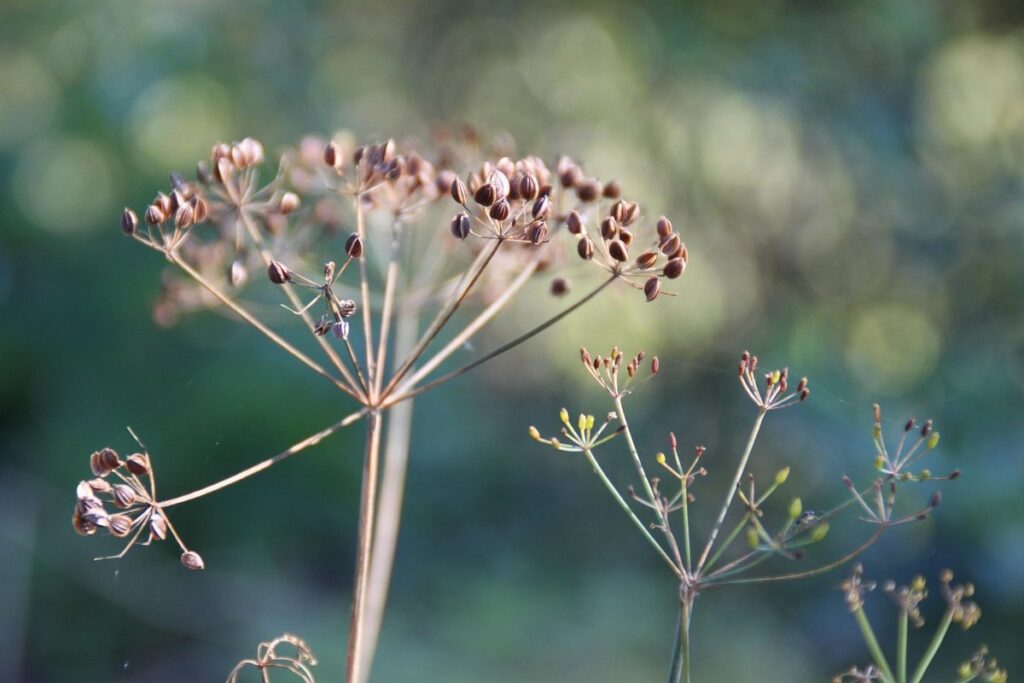
Dill seed is the dried fruit of the dill plant (Anethum graveolens), a member of the parsley family (Apiaceae) native to the Mediterranean region. From a botanical standpoint, dill seed is a type of schizocarp, meaning it splits into multiple mericarps at maturity. Each mericarp contains two seeds, which are harvested for their distinct flavor and aroma.
Dill has been used in cooking and herbalism for thousands of years, with ancient civilizations like the Egyptians and Greeks valuing its medicinal and culinary properties. In modern times, dill seed is prized for its warm, slightly sweet flavor and its ability to add depth to various dishes, from pickling vegetables to seasoning meats.
To understand the full potential of dill seed, it’s essential to know that different varieties can exhibit distinct flavor profiles, ranging from bright and citrusy to mellow and earthy. When working with dill seed, experiment with different ratios of whole seeds to ground spice to achieve the desired effect in your recipes. Consider adding a few pinches of dill seed to your homemade pickling brine or using it as a finishing spice for soups and stews.
Types of Dill Seeds
Dill seeds come in various types, each with its unique characteristics, flavors, and uses. Some of the most popular varieties include Swedish dill, Russian dill, and Dutch dill. Swedish dill is known for its delicate flavor and aroma, making it a great choice for pickling and preserving vegetables.
Russian dill, on the other hand, has a stronger flavor profile and is often used in traditional Eastern European dishes. It’s also a popular choice for soups and stews. Dutch dill, as its name suggests, originated from the Netherlands and boasts a robust, slightly sweet flavor. It’s commonly used in Dutch cuisine to add depth to meat and vegetable dishes.
When choosing a type of dill seed, consider the recipe you’re using and the desired flavor profile. For example, if you’re making a pickling brine, Swedish dill might be the best choice. However, if you’re preparing a hearty stew, Russian or Dutch dill could add more complexity to your dish.
In terms of growing your own dill seeds, different varieties have varying seed sizes and shapes. Some, like the ‘Mammoth’ variety, produce larger seeds that are easier to harvest. Others, like the ‘Fernleaf’, produce smaller seeds that require a bit more effort to collect. Regardless of the type, proper care and handling will ensure that your dill seeds retain their flavor and aroma.
Benefits of Using Dill Seed
Dill seed is a powerhouse of flavor and nutrition, offering numerous benefits that make it a valuable addition to your cooking repertoire. Let’s explore some of its most notable advantages in this section.
Culinary Uses
Dill seed is a versatile ingredient that can elevate a variety of dishes beyond just its signature flavor. One of the most popular uses for dill seed is in pickling and preserving vegetables. Simply add it to your favorite pickling liquid, along with some salt and vinegar, to create a tangy and refreshing condiment perfect for topping sandwiches or serving alongside grilled meats.
You can also use dill seed to add flavor to soups, stews, and braises. Try adding a few whole seeds to the pot during cooking time for a subtle yet aromatic flavor. For a more intense dill flavor, you can grind the seeds in a spice grinder or mortar and pestle before adding them to your dish.
Dill seed pairs particularly well with vegetables like cucumbers, carrots, and green beans. Try making a quick pickle by slicing the vegetables thinly, mixing them with some salt, vinegar, sugar, and dill seed, and letting it sit in the refrigerator for at least 30 minutes before serving.
When using dill seed, be sure to use fresh seeds for optimal flavor. Old or stale seeds can become bitter and lose their potency. Store your dill seed in an airtight container in a cool, dark place to keep it fresh for up to six months.
Medicinal Properties
Dill seed is not just a flavorful addition to your favorite dishes, but it also boasts an array of medicinal properties that can benefit your overall health. Let’s dive into the potential health benefits of incorporating dill seed into your diet.
One of the most significant advantages of dill seed is its antioxidant properties. Rich in polyphenols and flavonoids, dill seed has been shown to neutralize free radicals in the body, reducing oxidative stress and inflammation. Studies have even suggested that consuming dill seed regularly may help protect against chronic diseases such as cancer, heart disease, and neurodegenerative disorders.
Dill seed also acts as a natural digestive aid. Its essential oils have been found to stimulate digestion, reduce bloating and gas, and alleviate symptoms of irritable bowel syndrome (IBS). Furthermore, the anti-inflammatory properties in dill seed may help soothe stomach ulcers and ease the discomfort associated with gastrointestinal issues.
To reap the medicinal benefits of dill seed, you can try adding it to your meals or using it as a natural remedy for digestive issues. Simply sprinkle dried dill seeds over salads, soups, or stir-fries, or use them in teas and infusions. With its impressive list of health benefits, it’s no wonder that dill seed is becoming increasingly popular as a natural medicine cabinet staple.
Growing and Harvesting Dill Seed
To harvest dill seed, you’ll need to allow your dill plants to go to seed, which can be a bit trickier than it sounds. This section will walk you through the process step by step.
Cultivation Requirements
When cultivating dill seed, it’s essential to provide optimal growing conditions for the plants to thrive. Dill prefers well-draining soil with a pH between 6.0 and 7.0. Avoid planting in areas with standing water or where water tends to collect, as this can lead to root rot.
In terms of temperature, dill seed germinates best when the soil is around 70°F (21°C) to 80°F (27°C). Young plants are sensitive to extreme temperatures and may bolt if exposed to intense heat. When choosing a location for your dill crop, consider providing partial shade during the hottest part of the day to prevent scorching.
Dill requires at least six hours of direct sunlight per day to produce well-developed seedheads. However, be aware that excessive sunlight can cause the plants to become leggy and reduce seed production. To promote healthy growth, ensure the soil is consistently moist but not waterlogged.
When to Harvest
Harvesting dill seeds at the right time is crucial to ensure maximum flavor and potency. As a general rule, dill seed is ready for harvesting when the flowers on the plant have turned a light brown color and the seed pods are dry and brittle. This usually occurs about 100-120 days after sowing.
To confirm seed maturity, gently remove one of the seed heads from the plant and carefully split it open. If the seeds inside are plump and full of moisture, wait a few more days for them to dry out completely. When they’re ready, simply snip off the seed head with scissors or pinch it between your fingers.
For optimal flavor and aroma, harvest dill seeds in the morning after the dew has evaporated but before the heat of the day sets in. This will help preserve the delicate oils within the seeds that give them their distinctive taste and fragrance.
Using Dill Seed in Traditional Medicine
Dill seed has been a staple in traditional medicine for centuries, and we’re diving into its uses as a natural remedy to soothe digestive issues. Let’s explore how it can help with common health problems.
Historical Uses
Dill seed has been used for centuries in traditional medicine, with ancient cultures recognizing its therapeutic properties. In ancient Greece and Rome, dill seed was highly valued for its digestive benefits and was often used to treat indigestion, bloating, and gas. The Greek physician Hippocrates wrote about the use of dill seed to alleviate stomach issues, while Roman naturalist Pliny the Elder described it as a remedy for nausea and vomiting.
In traditional Chinese medicine, dill seed is still used today to warm the digestive system and improve digestion. It’s often combined with other herbs like ginger and cinnamon to create a tea that aids in food assimilation and relieves stomach discomfort. Modern herbalists also use dill seed to calm anxiety and promote relaxation, often pairing it with nervine herbs like valerian root.
You can try using dill seed in traditional medicine by making a tea infusion with 1 teaspoon of dried dill seed steeped in hot water for 5-7 minutes. Strain and drink up to three times a day as needed. Alternatively, add a pinch of dill seed powder to your meals or use it as a seasoning to enhance digestive health and reduce bloating.
Modern Applications
Dill seed has been a staple in traditional medicine for centuries, but its modern applications are just as impressive. In recent years, researchers have begun to unlock the secrets of dill seed’s medicinal properties, revealing its potential as a digestive aid and anti-inflammatory agent.
Studies have shown that dill seed contains compounds like carvone and limonene, which have been proven to alleviate symptoms of irritable bowel syndrome (IBS) and other gastrointestinal disorders. By incorporating dill seed into your diet or using it in herbal remedies, you can experience relief from bloating, cramps, and abdominal pain.
But that’s not all – dill seed has also been found to possess potent anti-inflammatory properties. When applied topically, its essential oils have been shown to reduce inflammation and alleviate pain associated with conditions like arthritis. For example, a 2018 study published in the Journal of Ethnopharmacology found that dill seed extract significantly reduced swelling and pain in mice with induced arthritis.
To harness these benefits for yourself, try adding fresh dill seeds to your salads or using them as a digestive aid after meals. You can also make a soothing tea by steeping dried dill seeds in hot water or create a topical cream using dill seed oil. With its numerous modern applications, it’s no wonder dill seed is gaining recognition as a natural remedy for a range of health issues.
Potential Health Risks and Precautions
While dill seed can be a wonderful addition to your diet, there are some potential health risks and precautions you should be aware of when using it. We’ll walk you through these considerations below.
Allergic Reactions and Interactions
While dill seed is generally considered safe to consume, there are some potential allergic reactions and interactions to be aware of. If you’re new to using dill seed, start with small amounts to gauge your tolerance. Some people may experience mild skin irritation, hives, or itching due to an allergic reaction.
More severe reactions, such as difficulty breathing or swallowing, can occur in rare cases. These symptoms require immediate medical attention. Certain medications interact with dill seed, including blood thinners and diabetes medications. If you’re taking any of these medications, consult your doctor before consuming dill seed.
Additionally, dill seed may exacerbate conditions like high blood pressure or heart problems due to its potential diuretic effects. Pregnant or breastfeeding women should also exercise caution when using dill seed, as there is limited research on its safety during these periods. To minimize risks, always follow proper preparation and dosing guidelines for dill seed, and consult a healthcare professional if you have any concerns.
Contraindications and Side Effects
While dill seed is generally considered safe to use, there are some potential contraindications and side effects to be aware of, especially when consuming it in large quantities or for extended periods. Some individuals may experience allergic reactions to dill seed, which can manifest as hives, itching, or swelling.
In rare cases, excessive consumption of dill seed has been linked to gastrointestinal issues such as bloating, gas, and diarrhea. This is often due to its high oil content, which can be difficult for some people’s digestive systems to process. Women who are pregnant or breastfeeding should also exercise caution when using dill seed, as it may stimulate the uterus and cause premature labor.
To minimize the risk of adverse effects, it’s recommended to start with small amounts and gradually increase consumption as needed. Additionally, individuals with sensitive stomachs or pre-existing digestive conditions should consult with a healthcare professional before adding dill seed to their diet. As with any new food or supplement, listen to your body and discontinue use if you experience any discomfort or adverse reactions.
Conclusion: Unlocking the Potential of Dill Seed
Now that we’ve explored the many uses and benefits of dill seed, it’s time to look at the bigger picture and unlock its full potential in your cooking and wellness routines. Let’s sum up the key takeaways from our journey so far.
Recap of Key Benefits and Uses
In this final recap, we’ll revisit the incredible benefits and uses of dill seed that have been explored throughout our discussion. As a culinary ingredient, medicinal herb, and natural remedy, dill seed offers an impressive array of applications.
One of the most notable advantages of using dill seed is its ability to add fresh flavor and aroma to various dishes without adding sodium or sugar. Try sprinkling it over salads, soups, or vegetables for a burst of citrusy taste. You can also use it as a marinade ingredient for meats or fish, creating an authentic Eastern European-inspired flavor profile.
Beyond the kitchen, dill seed has been found to possess impressive health benefits. Its antimicrobial and anti-inflammatory properties make it an excellent natural remedy for digestive issues, from nausea and bloating to irritable bowel syndrome (IBS). In traditional medicine, dill seed is also used to alleviate symptoms of menopause, such as hot flashes and mood swings.
Moreover, dill seed has shown promise in supporting women’s reproductive health. Its estrogenic properties may help regulate menstrual cycles and even alleviate symptoms associated with polycystic ovary syndrome (PCOS). While more research is needed to confirm these findings, the potential benefits of using dill seed as a natural supplement are undeniable.
When incorporating dill seed into your routine, remember that it’s essential to use high-quality seeds from reputable sources. You can also experiment with different preparation methods, such as infusing oils or making tea, to unlock its full potential. By doing so, you’ll be able to harness the incredible versatility and benefits of this underappreciated ingredient in the comfort of your own home.
Frequently Asked Questions
Can I use dill seed interchangeably with fresh dill in recipes?
While dill seed can be used as a substitute for fresh dill, it’s essential to note that they have different flavor profiles and intensities. Dill seed is generally more potent than fresh dill, so start with smaller amounts when experimenting.
How do I incorporate dill seed into my wellness routine or supplement regimen?
To reap the health benefits of dill seed, consider adding it to smoothies, salads, or soups as a natural digestive aid and anti-inflammatory agent. You can also explore supplement forms like capsules or powder for more convenient use.
Are there any specific preparation methods for using dill seed in cooking or medicine?
When preparing dill seed for culinary use, you can toast or roast it to enhance its flavor and aroma. For medicinal purposes, crushing the seeds may release their oils and make them more effective.
Can I grow my own dill seed at home, or is this a challenging process?
Growing your own dill seed is definitely possible with proper care and conditions. Ensure you provide a sunny spot with well-draining soil, and harvest the seeds when they are fully mature and dry.
Are there any potential interactions between dill seed and other medications or health conditions that I should be aware of?
While generally safe, individuals taking blood thinners or antacids should consult their healthcare provider before using dill seed due to its high vitamin K content. Additionally, those with allergies to other members of the parsley family (Apiaceae) may also react to dill seed.