
If you’re a citrus enthusiast like me, you know that creating an optimal growing environment for your trees is crucial for achieving maximum yields. One often-overlooked yet highly effective technique for improving soil health and reducing water consumption in your citrus garden is using compost as mulch. This simple yet powerful practice not only helps retain moisture but also suppresses weeds, regulates soil temperature, and increases nutrient availability – all of which are essential for optimal growth. But what exactly does it mean to use compost as mulch in a citrus garden, and how can you incorporate this technique into your existing routine? In this article, we’ll delve into the best practices and troubleshooting tips for using compost mulch in your citrus garden, helping you achieve healthier trees, reduced maintenance, and increased yields.
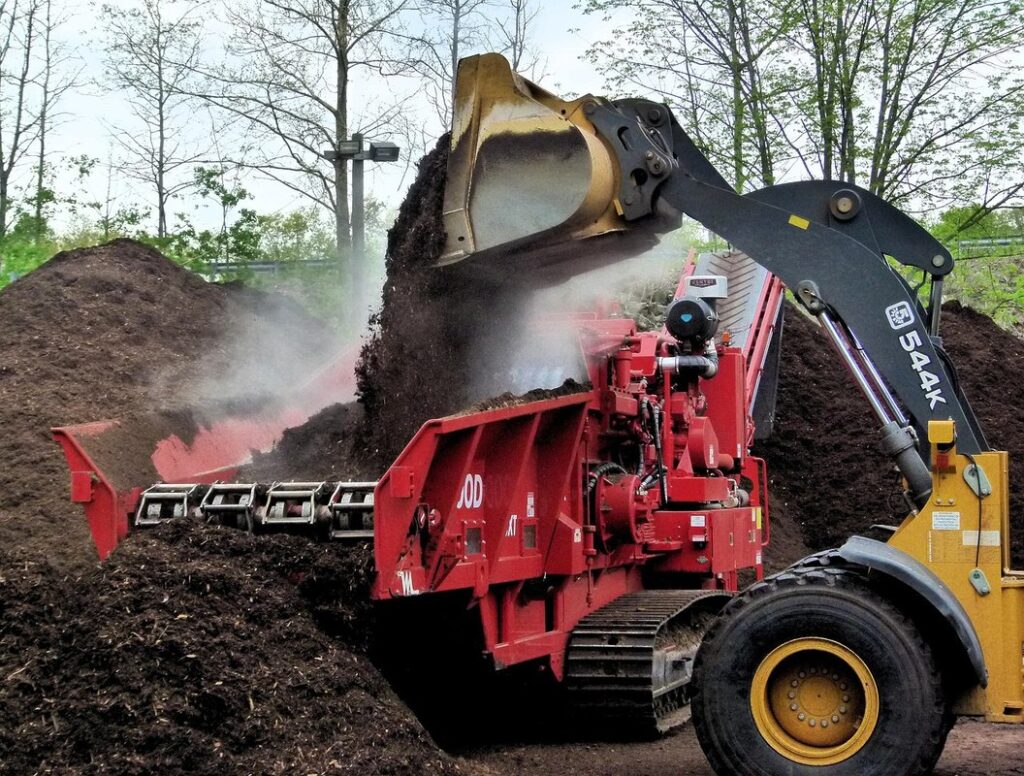
Understanding the Importance of Mulching in Citrus Gardens
Mulch plays a vital role in maintaining healthy citrus trees, and compost mulch is an excellent choice due to its numerous benefits for your garden. Let’s explore why it’s essential to use compost as mulch in your citrus garden.
What is Mulching and Why Is It Essential for Citrus Trees?
Mulching is an essential practice for maintaining healthy citrus trees. When it comes to these particular plants, mulching provides a range of benefits that are crucial for their growth and productivity. For one, mulching helps retain soil moisture by reducing evaporation and runoff. This is particularly important for citrus trees, which prefer well-draining but consistently moist soils.
Mulch also suppresses weeds that can compete with your citrus trees for water and nutrients. Weeds can thrive in the warm and humid climate typically associated with citrus cultivation, making it crucial to prevent them from growing around your plants. By applying a 2-3 inch layer of compost mulch around the base of your citrus tree, you’ll be able to suppress weeds effectively.
In addition to retaining moisture and suppressing weeds, mulching regulates soil temperature. Citrus trees prefer a slightly acidic soil pH, which can be disrupted by extreme temperature fluctuations. Mulch helps maintain a stable soil temperature, preventing it from getting too hot or cold. This creates an optimal environment for your citrus tree’s growth and fruiting.
Types of Mulch Suitable for Citrus Gardens
When it comes to choosing the right mulch for your citrus garden, you have several organic options to consider. Compost is a top choice for its numerous benefits, but other materials like bark chips and pine straw can also be effective.
Compost mulch is ideal for citrus gardens because it retains moisture, suppresses weeds, and regulates soil temperature. Another popular option is bark chips, which provide similar benefits while also adding a decorative touch to your garden. Pine straw is another natural choice that works well in acidic soils, making it suitable for citrus trees like lemons and oranges.
Consider the specific needs of your garden when selecting mulch. For example, if you have acidic soil, pine straw may be a better option than bark chips or compost. Similarly, if you’re concerned about weed growth, choose a mulch that’s high in organic matter and will break down quickly to suppress weeds.
The Benefits of Using Compost as Mulch in Citrus Gardens
Composting your citrus garden waste and using it as mulch can provide numerous benefits, including improved soil health and increased yields. Let’s dive into these advantages in more detail below.
How Compost Mulch Supports Soil Health
Compost mulch is more than just a cosmetic addition to your citrus garden – it’s a vital component for maintaining healthy soil. When you apply compost as mulch, you’re introducing a rich blend of nutrients that can elevate the fertility of your soil. These nutrients are released slowly over time, providing a steady supply of food for your plants’ roots. This is especially beneficial in citrus gardens, where trees rely heavily on consistent nutrient availability to produce high-quality fruit.
By incorporating compost mulch into your gardening routine, you’re also improving the overall structure of your soil. Compost helps to break up clay soils and add bulk to sandy ones, making it easier for water and air to penetrate. This improved drainage and aeration allow roots to grow more freely, supporting the development of robust citrus trees.
Beneficial microbial activity is another area where compost mulch excels. As microorganisms in the compost break down organic matter, they create a diverse ecosystem that supports beneficial microbes in the soil. These microbes play a crucial role in nutrient cycling and can even help to suppress diseases that might otherwise affect your citrus trees.
Compost Mulch Reduces Water Consumption
Using compost as mulch is not only beneficial for soil health and fertility, but it can also play a significant role in reducing water consumption for citrus trees. One of the primary ways compost mulch helps conserve water is by reducing evaporation from the soil surface. Unlike other types of mulch, which can be prone to drying out and losing moisture quickly, compost retains its moisture well, keeping the surrounding soil hydrated for longer periods.
This can significantly reduce runoff and erosion caused by excessive irrigation, making it an essential practice for citrus gardeners in water-scarce areas or those looking to minimize their environmental impact. By applying a 2-3 inch layer of compost around your citrus tree, you can create a barrier that reduces soil temperature fluctuations, promotes efficient water absorption, and minimizes waste from overwatering.
Regularly replenishing the mulch as needed will also help maintain its effectiveness. Additionally, consider incorporating native plants with deep root systems or installing rain barrels to further enhance your water conservation efforts.
Creating a Compost Mulch in Your Citrus Garden
To create a compost mulch in your citrus garden, start by collecting kitchen scraps and yard waste to build a nutrient-rich mix that will retain moisture and suppress weeds. This simple process can make a big difference for your trees.
Building a Compost Pile for Citrus Gardens
Building a compost pile is an essential step in creating a nutrient-rich mulch for your citrus garden. To start, select a location that’s easily accessible and provides adequate space to accommodate the growing pile. The ideal spot should be well-ventilated and sheltered from direct sunlight.
When gathering materials, aim for a mix of “green” and “brown” elements. Green materials like fruit and vegetable scraps, grass clippings, and manure provide nitrogen-rich nutrients. Brown materials such as dried leaves, straw, and shredded newspaper add carbon content to balance out the nitrogen levels. Aim for a 2:1 or 3:1 brown-to-green ratio.
Layering is crucial in creating an effective compost pile. Start with a 4-6 inch base of brown materials, followed by a layer of green materials. Repeat this process, ending with a layer of brown materials on top. Keep the pile moist, like a damp sponge, to facilitate decomposition. Monitor the temperature, which should reach 130°F to 140°F within a few days. This heat indicates that microbial activity is breaking down organic matter.
Regularly turn the pile every 7-10 days to aerate it and prevent matting. After 2-3 months, your compost should be ready to use as mulch in your citrus garden.
Tips for Maintaining a Healthy Compost Pile
Maintaining a healthy compost pile is crucial to ensure it breaks down efficiently and produces nutrient-rich mulch for your citrus garden. To keep your compost pile balanced, make sure it has the right mix of green materials (high in nitrogen) and brown materials (high in carbon). Aim for a 2/3 brown material ratio to 1/3 green material ratio. This balance helps microorganisms thrive and prevents odors or pests.
Regular turning is essential to aerate the pile, speed up decomposition, and prevent matting. Turn your compost every week or two by using a pitchfork or shovel to loosen the materials. If you notice mold or anaerobic conditions (green color), it’s time to turn the pile. To avoid common mistakes, never add too many meat scraps or oily foods as they attract pests and create odors. Avoid adding weeds with seeds as they can sprout in your citrus garden. Also, keep your compost pile covered with a tarp or mesh to prevent debris and pests from getting in.
When turning your compost, mix the materials thoroughly to redistribute heat and microorganisms. This ensures efficient decomposition and produces a balanced mulch for your citrus trees.
Using Compost Mulch Effectively in Citrus Gardens
To use compost mulch effectively in your citrus garden, consider factors like soil temperature, moisture levels, and the specific needs of your tree variety. This affects how often to replenish the mulch layer.
Applying the Right Amount of Compost Mulch
When applying compost mulch around citrus trees, it’s essential to use the right amount to avoid over-mulching. A general rule of thumb is to apply a 2-3 inch layer of compost mulch around the base of the tree. However, this can vary depending on the size of the tree and the type of soil.
For smaller citrus trees, you may only need a 1-2 inch layer of compost mulch. On the other hand, larger trees may require up to 4 inches of compost mulch. It’s also crucial to consider the texture of your soil. If you have sandy or well-draining soil, you’ll want to apply more compost mulch to help retain moisture. In contrast, if you have clay-heavy soil that retains water, a thinner layer of compost mulch may be sufficient.
To determine the right amount of compost mulch for your citrus tree, start by applying a small test area and monitor the tree’s response over time. Keep in mind that it’s better to err on the side of caution and apply less compost mulch initially, as you can always add more later if needed.
Monitoring Compost Mulch for Optimal Results
Monitoring compost mulch’s effectiveness is crucial to achieving optimal results. To ensure it’s doing its job, observe the following indicators:
Retain soil moisture by checking for signs of dryness and wilting in citrus trees. If you notice these symptoms, it may be a sign that the compost mulch needs replenishment or redistribution. Regularly inspect the mulch layer to verify it remains 2-3 inches deep, allowing for sufficient water retention.
Regulate soil temperature by monitoring mulch color and consistency. A well-maintained mulch will exhibit a consistent dark brown color and slightly moist texture. Conversely, if the mulch appears lightened or excessively dry, it may not be regulating soil temperatures effectively.
Monitor weed growth by inspecting the area around citrus trees. Effective compost mulch should suppress weeds significantly. If you notice an increase in weed presence, consider reapplying a fresh layer of compost mulch.
Common Challenges and Solutions When Using Compost as Mulch
When using compost as mulch in your citrus garden, you may encounter a few common issues that can affect its effectiveness and appearance. Let’s explore some of these challenges and practical solutions to overcome them.
Managing Odors and Pests Associated with Compost Mulch
One common issue associated with using compost mulch is the potential for unpleasant odors. This can be particularly noticeable in citrus gardens where the high temperatures and humidity can amplify the smell. However, this problem can be easily mitigated by incorporating a mix of “green” and “brown” materials into your compost pile. Green materials like kitchen scraps and grass clippings are rich in nitrogen but can contribute to strong odors if not balanced with sufficient carbon-rich brown materials such as dried leaves or straw.
Regular turning of the compost pile also helps to prevent anaerobic conditions that lead to foul smells. Additionally, ensuring adequate aeration by adding more coarse materials like wood chips can further reduce odor issues. To avoid pests altogether, it’s essential to use mature and fully broken-down compost with no recognizable vegetable matter. A ratio of 2/3 “brown” to 1/3 “green” materials is generally recommended for this type of application.
In terms of pest management, some gardeners have reported issues with fruit flies and ants when using compost mulch. To address these problems, you can try adding a layer of diatomaceous earth on top of the compost or repelling pests with certain essential oils like peppermint.
Troubleshooting Compost Mulch-Related Issues in Citrus Trees
When applying compost mulch to your citrus trees, you may encounter some challenges that can impact their health. One common issue is nutrient imbalances, where the compost mulch may provide too much of certain nutrients, potentially causing an overabundance that’s detrimental to the tree.
To identify this problem, keep an eye out for signs such as excessive leaf growth or yellowing leaves. If you notice these symptoms, consider having your soil tested to determine its nutrient levels. This will help you adjust your compost application accordingly. For example, if the test reveals high nitrogen levels, reduce the amount of compost mulch applied to prevent overfertilization.
Fungal diseases are another potential issue with compost mulch use. These can be triggered by excessive moisture in the compost, creating an ideal environment for fungal pathogens to develop. To mitigate this risk, ensure your compost is properly aged and has a good balance of “green” (nitrogen-rich) and “brown” (carbon-rich) materials. Regularly inspect your trees for signs of disease, such as black spots or white powdery patches on the leaves. If you notice any abnormalities, take prompt action to address them with fungicides or other treatments.
Conclusion: Maximizing the Benefits of Compost Mulch for Citrus Gardens
Now that we’ve covered how to apply and maintain compost mulch, let’s discuss how you can maximize its benefits in your citrus garden for optimal results.
Recap of Key Takeaways
In conclusion, using compost mulch in citrus gardens offers numerous benefits that can enhance their health and productivity. As we’ve discussed throughout this article, one of the primary advantages is its ability to retain moisture, suppress weeds, and regulate soil temperature. By incorporating compost mulch into your garden, you can significantly reduce water consumption, minimize soil erosion, and create an optimal growing environment for your citrus trees.
In addition to these benefits, it’s essential to follow best practices when using compost mulch in your citrus garden. This includes applying the right amount (2-3 inches deep), spreading it evenly around the base of the tree, and keeping it at least 6 inches away from the trunk. Regular maintenance tasks, such as refreshing the mulch layer every few months and monitoring for pests or diseases, will also ensure its effectiveness.
Remember to troubleshoot common issues that may arise when using compost mulch, like over-mulching, which can cause root rot. By adhering to these guidelines and tips, you’ll be well on your way to maximizing the benefits of compost mulch in your citrus garden.
Next Steps for Implementing Compost Mulch in Your Citrus Garden
Now that you’ve learned about the numerous benefits of using compost as mulch in your citrus garden, it’s time to take action. Implementing compost mulch is a straightforward process, and with these next steps, you’ll be well on your way to enjoying a healthier, more productive citrus garden.
Start by selecting the right type of compost for your citrus trees. Look for a balanced mix that contains a minimum of 2-3% nitrogen, phosphorus, and potassium (NPK) levels. This will ensure your trees receive a steady supply of essential nutrients. You can also consider creating your own compost using kitchen scraps, leaves, and other organic matter.
Begin by applying a 3-4 inch layer of compost mulch around the base of each tree, keeping it a few inches away from the trunk. As you spread the mulch, gently rake it into place to prevent any settling or unevenness. This will help retain moisture, suppress weeds, and regulate soil temperature.
Monitor your citrus trees regularly for signs of nutrient deficiencies or pests, and adjust your compost application accordingly. With regular maintenance and care, your compost mulch will continue to provide a wealth of benefits, from improved soil structure to increased fruit production.
Frequently Asked Questions
How often should I reapply compost mulch to my citrus trees for optimal results?
Reapplication frequency depends on factors like climate, soil type, and tree growth rate. As a general rule, reapply compost mulch every 6-12 months or when it breaks down completely (usually indicated by a decrease in depth). Monitor your tree’s response and adjust reapplication schedules accordingly.
Can I use compost mulch around the base of my citrus trees if they’re already established with other types of mulch?
Yes, you can layer different types of mulch, including compost. However, ensure a smooth transition between layers to avoid compacting soil or creating an environment conducive to pests and diseases. For example, mix compost mulch with existing organic mulch to create a uniform 3-4 inch layer.
How do I handle odors associated with using compost mulch in my citrus garden?
Odors can arise from decomposition, moisture accumulation, or insufficient carbon-to-nitrogen ratios in the compost. To minimize odors, ensure adequate ventilation around your compost pile, maintain proper carbon-to-nutrient balance, and regularly turn the pile to promote aerobic decomposition.
Can I use any type of compost as mulch for my citrus trees?
Not all composts are suitable for mulching citrus trees. Opt for mature, well-balanced compost with a mix of ‘green’ (nitrogen-rich) and ‘brown’ (carbon-rich) materials. Avoid using fresh or immature compost that may cause nitrogen surges, leading to nutrient imbalances in your soil.
How do I prevent pests from being attracted to the compost mulch around my citrus trees?
To minimize pest attraction, ensure the compost mulch is dry to touch, not wet or damp. Regularly inspect your mulched area for signs of pests and remove any debris that may be harboring them. Also, maintain a balanced nutrient profile in your soil by incorporating adequate amounts of calcium and magnesium, which can help deter certain pests.