
Are you tired of spending hours watering your garden, only to see the soil dry out quickly? Do you struggle with pesky weeds taking over your carefully planted flowers and vegetables? Using compost as mulch is a game-changer for gardeners like you. Not only does it retain moisture in the soil, but it also suppresses those unwanted weeds and promotes healthy soil structure. By incorporating compost into your mulching routine, you’ll be amazed at the transformation that takes place in your garden.
This article will guide you through everything you need to know about using compost as mulch, from preparation and application to maintenance tips and tricks. We’ll cover how to create a nutrient-rich compost blend, how to apply it effectively around plants, and what to expect from its benefits. By the end of this post, you’ll be equipped with the knowledge to give your garden the TLC it deserves and enjoy a thriving, low-maintenance oasis all season long.
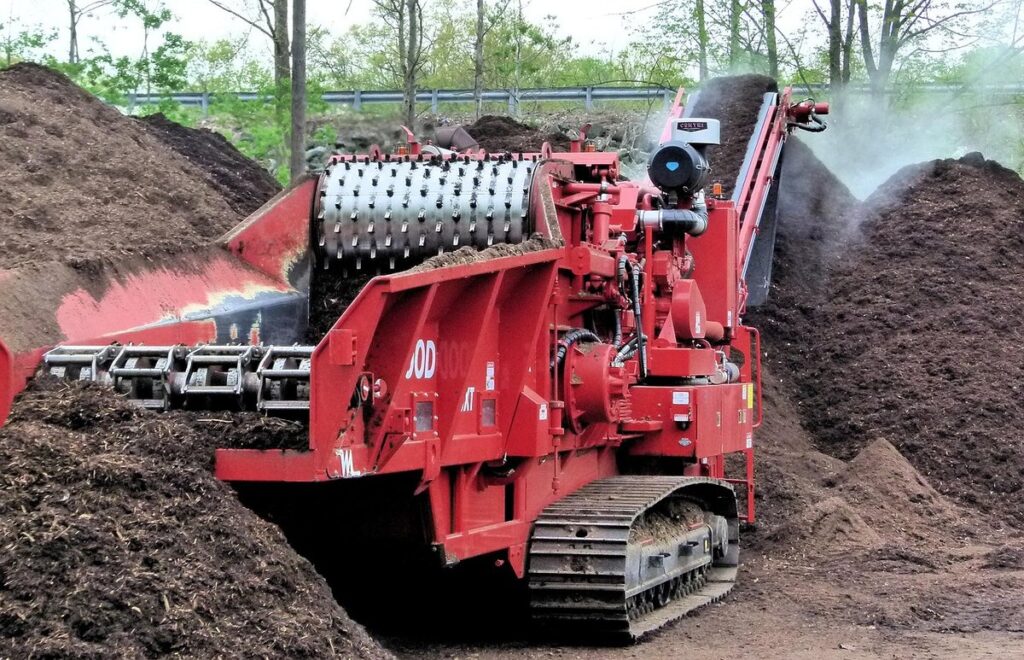
What is Compost and Why Use It as Mulch?
Compost is a nutrient-rich soil amendment made from decomposed organic matter, while mulch helps retain moisture and suppress weeds in your garden. Let’s dive into what compost is and why it makes an excellent mulching choice for gardeners like you.
Characteristics of Effective Compost
When it comes to creating effective compost for use as mulch, it’s essential to strike the right balance between “green” and “brown” materials. The carbon-to-nitrogen ratio is a crucial aspect of composting, as it determines how quickly microorganisms can break down organic matter. Green materials, such as food scraps and grass clippings, are high in nitrogen but low in carbon. On the other hand, brown materials like dried leaves and twigs are high in carbon but low in nitrogen.
Aim to achieve a mix of 2/3 “brown” materials and 1/3 “green” materials. For example, if you’re adding 10 pounds of compost, use 7 pounds of brown materials (such as shredded newspaper or dry leaves) and 3 pounds of green materials (like food scraps or grass clippings). This balance allows microorganisms to thrive, breaking down the organic matter efficiently and quickly. By achieving this balance, you’ll end up with a rich, nutrient-dense compost that’s perfect for use as mulch in your garden.
Types of Compost Suitable for Mulching
When it comes to using compost as mulch, not all types of compost are created equal. While they may share similarities, finished compost, partially decomposed compost, and worm castings each have unique characteristics that make them suitable for different uses.
Finished compost is the most common type used for mulching. It’s been broken down into a rich, earthy-smelling material that’s teeming with beneficial microorganisms. This type of compost has been fully decomposed, making it perfect for covering large areas and suppressing weeds. However, keep in mind that finished compost can be quite dense, so it may not provide the same level of moisture retention as other types.
Partially decomposed compost, on the other hand, is a good choice when you need to create a more dynamic soil ecosystem. This type still has some recognizable organic matter and can help improve soil structure and fertility over time. Worm castings are another popular option for mulching, made from the nutrient-rich waste of worms that have broken down food scraps.
When choosing between these types, consider the specific needs of your garden or yard. If you’re looking to create a more fertile soil environment, partially decomposed compost or worm castings might be the way to go.
Benefits of Using Compost as Mulch
Using compost as mulch can have a significant impact on your garden’s overall health and appearance. This section explores the benefits of incorporating compost into your mulching routine.
Retains Moisture and Reduces Watering Frequency
Compost mulch is incredibly effective at retaining soil moisture, reducing the need for frequent watering, and creating a healthier environment for plants to thrive. When applied 2-3 inches thick, compost mulch acts as an insulating barrier that prevents water from evaporating too quickly. This is especially beneficial in areas with low rainfall or during periods of drought.
As a result, you’ll find yourself watering your garden less often. A study by the University of California found that using compost as mulch reduced soil evaporation by up to 40%. This not only saves time and water but also reduces the risk of overwatering, which can lead to root rot and other issues.
To maximize the moisture-retaining benefits of compost mulch, be sure to apply it evenly around your plants. You can also mix in a small amount of peat moss or coconut coir for added moisture retention. By using compost mulch, you’ll create a self-sustaining ecosystem where plants receive just the right amount of water and nutrients they need to grow strong and healthy.
Suppresses Weeds and Pests
Compost mulch’s natural acidity and high nutrient content make it an effective tool for suppressing weeds and deterring pests. Weeds struggle to grow in acidic environments, which is exactly what compost provides. The acidity level of compost typically ranges from 6.5 to 7.0 pH, which is lower than the neutral soil pH of 7. This makes it difficult for weed seeds to germinate and sprout.
In addition to its acidity, compost’s high nutrient content also plays a significant role in suppressing weeds. Compost teems with beneficial microbes that feed on decaying organic matter, releasing nutrients as they break it down. These nutrients promote healthy plant growth, making it harder for weeds to compete. For example, a study by the University of California found that adding compost to soil reduced weed growth by up to 90%.
To maximize compost mulch’s weed-suppressing properties, apply it at least 2-3 inches thick and keep it moist. This will create an environment that favors beneficial microbes over weeds.
How to Make Your Own Compost Mulch
To create a nutrient-rich compost mulch for your garden, you’ll need to start by collecting organic materials and following some simple steps. Let’s dive into how to make your own compost mulch from scratch.
Choosing the Right Materials
When it comes to making your own compost mulch, choosing the right materials is crucial for creating a balanced and healthy compost. You’ll want to aim for a mix of green and brown materials, as they provide essential nutrients and carbon for decomposition.
Green materials are high in nitrogen and include food scraps, grass clippings, and manure from herbivores like horses or rabbits. These materials should make up about 20-30% of your compost pile. Brown materials, on the other hand, are high in carbon and include dried leaves, straw, and shredded newspaper. They provide the structure and oxygen needed for decomposition and should make up around 70-80% of your pile.
It’s also essential to avoid contaminating your compost with pet waste or meat, as these can attract pests and create unpleasant odors. Other contaminants to watch out for include dairy products, oils, and chemicals. Stick to organic materials that are free from additives and preservatives. By selecting a diverse mix of green and brown materials and avoiding common contaminants, you’ll be well on your way to creating rich, nutrient-dense compost mulch for your garden.
Layering and Aeration Techniques
When creating your compost pile for mulching purposes, it’s essential to layer and aerate the materials correctly. This ensures that decomposition occurs efficiently and effectively. To start, create a base layer of “brown” materials like dried leaves or shredded newspaper. These carbon-rich ingredients help absorb excess moisture and provide structure.
Next, add a mix of “green” materials such as kitchen scraps, grass clippings, or manure. These nitrogen-rich additions facilitate microbial growth. As you build the pile, alternate between brown and green layers to maintain optimal C:N ratios.
Aeration is crucial for preventing anaerobic conditions that can lead to unpleasant odors and reduced decomposition rates. To aerate your compost pile, use a pitchfork to gently turn the materials every 7-10 days. This process helps oxygen penetrate the pile and prevents matting of green materials.
By layering and aerating your compost pile, you’ll promote healthy microbial activity, speed up the decomposition process, and create a nutrient-rich mulch for your garden. Regularly monitoring moisture levels and pH can also help fine-tune the composting process.
Preparing Your Garden for Compost Mulch Application
Before applying compost mulch, make sure your garden is clean and ready by removing weeds, debris, and any existing mulch. This will give you a fresh start for optimal results.
Soil Test and Amendments
Before you apply compost mulch to your garden, it’s essential to understand the condition of your soil. This is where a soil test comes into play. A soil test will provide you with valuable information about the pH level, nutrient content, and structure of your soil. With this knowledge, you can identify potential issues that may affect the effectiveness of your compost mulch.
For example, if your soil has high acidity or alkalinity levels, it may impact the microbial activity in your garden. Compost mulch can help balance these levels, but a soil test will confirm whether amendments are necessary. Similarly, if your soil lacks essential nutrients, such as nitrogen or phosphorus, you’ll want to apply targeted fertilizers or organic matter before applying compost mulch.
You don’t need to be an expert to conduct a soil test – most nurseries and gardening stores offer testing services for a small fee. Alternatively, you can purchase a DIY kit online. Be sure to collect samples from multiple areas of your garden to get an accurate representation of your soil’s condition.
Tilling and Raking Preparations
Before applying compost mulch to your garden bed, it’s essential to prepare the soil with tilling and raking. These simple steps will help create a smooth surface for optimal mulch distribution and ensure that your plants receive all the benefits of compost mulching.
Tilling breaks up compacted soil, allowing air, water, and nutrients to penetrate deeper into the earth. This process also reduces soil density, making it easier for roots to grow and for mulch to retain moisture. Use a garden fork or tiller to loosen the top 8-10 inches of soil, taking care not to damage any existing plant life.
After tilling, rake the soil to create an even surface. Remove any debris, rocks, or weeds that may interfere with mulch application. A smooth, level surface will also help prevent erosion and promote healthy root growth. Use a garden rake or broadfork to loosen any clumps and aerate the soil further.
By incorporating tilling and raking into your pre-mulching routine, you’ll create an ideal environment for compost mulch to thrive and provide its numerous benefits, including improved soil structure, increased fertility, and enhanced plant health.
Tips for Applying Compost as Mulch
To get the most out of your compost, it’s essential to apply it correctly, and we’ll walk you through some expert tips on how to do just that. Let’s dive into the best practices for using compost as mulch.
Thickness and Spread Rates
Achieving the right mulch depth is crucial for effective compost use as mulch. Aiming for 2-3 inches of compost spread around plants helps to retain moisture, suppress weeds, and regulate soil temperature. However, over-applying compost can lead to an excessive buildup of nutrients, potentially causing more harm than good.
To determine the optimal spread rate, consider the plant species, climate, and existing soil conditions. For example, in dry climates, you may need to apply a slightly thicker layer of compost to help retain moisture. On the other hand, in areas with high rainfall, less compost may be required to avoid waterlogging issues.
A general rule of thumb is to spread 1/4 inch of compost around small plants and up to 3 inches for larger shrubs or trees. You can also mix a thin layer of compost with existing mulch to achieve the desired depth without completely replacing it. Remember, a balanced approach ensures the compost serves its purpose effectively while minimizing potential drawbacks.
Monitoring and Maintenance
Monitoring mulch moisture is crucial to maintain its effectiveness as a protective barrier for your plants. A general rule of thumb is to keep the top 2-3 inches of compost mulch moist but not waterlogged. To check for adequate moisture, stick your finger into the mulch or insert a long-handled fork gently. If the mulch feels dry and crumbly, it’s time to replenish.
You’ll need to replenish your compost mulch periodically as it breaks down over time. Aim to top-dress with new mulch every 6-12 months, depending on factors like climate and plant growth rate. To minimize waste, collect the broken-down mulch in a separate container and use it as an amendment for potting mixes or garden beds.
Regular pruning also plays a vital role in maintaining healthy plants under compost mulch. As stems grow, new shoots may emerge from beneath the mulch. Prune these back to encourage bushy growth and prevent over-topping, which can lead to disease susceptibility.
Common Mistakes to Avoid When Using Compost as Mulch
When using compost as mulch, it’s easy to make mistakes that can have negative consequences for your garden and plants. To avoid these pitfalls, let’s look at some common errors to steer clear of.
Overapplication or Underapplication Issues
When using compost as mulch, it’s easy to get carried away with its many benefits. However, overapplication and underapplication of compost mulch can have unintended consequences for your plants.
Overmulching occurs when too much compost is applied, suffocating the plant roots rather than nourishing them. This can lead to root rot, reduced growth, and even plant death. To avoid overmulching, remember that a 2-3 inch layer of compost mulch is usually sufficient for most garden beds. Any more than this can cause problems.
On the other hand, underapplication of compost mulch can also be detrimental. Without enough mulch, weeds will continue to sprout and compete with your desired plants for water and nutrients. This can lead to a never-ending battle against weeds, wasting time and resources.
To strike the right balance, start by applying 2-3 inches of compost mulch to your garden beds. Then, as needed, add more layers in small increments, monitoring the effects on your plants carefully. Remember that it’s always better to err on the side of caution when using compost as mulch.
Potential Nutrient Imbalances
When using compost as mulch, it’s essential to be mindful of potential nutrient imbalances that can occur. Compost is rich in nutrients like nitrogen, phosphorus, and potassium, which are beneficial for plant growth. However, excessive nutrient release from compost can lead to an overabundance of these micronutrients in the soil.
This can cause a range of problems, including nutrient deficiencies in other essential elements, such as calcium, magnesium, or sulfur. For instance, if your compost is particularly high in nitrogen, it may promote lush foliage growth but hinder root development and fruit production. Similarly, an overabundance of phosphorus can lead to “phosphorus poisoning” in plants.
To avoid these imbalances, start by testing the nutrient levels in your compost using a soil test kit or sending samples to a laboratory for analysis. Based on the results, you can adjust the amount of compost used as mulch and take steps to balance out the nutrient profile.
Conclusion: Maximizing Benefits with Compost Mulch
Now that you’ve learned how to make and use compost mulch effectively, let’s wrap up by exploring ways to maximize its benefits for your garden.
Recap of Key Takeaways
As we wrap up our exploration of using compost as mulch, let’s review the key takeaways from this article. By now, you should have a solid understanding of the benefits and best practices surrounding this eco-friendly gardening technique.
Firstly, we discussed the numerous advantages of using compost as mulch, including its ability to retain moisture, suppress weeds, regulate soil temperature, and support healthy microbial activity. We also explored how compost can help reduce waste by repurposing organic materials that would otherwise end up in landfills.
In terms of implementation, we covered the importance of choosing the right type of compost for your specific needs, such as finished compost or worm castings, and discussed how to properly apply it around plants. We also touched on the need for maintenance, including monitoring moisture levels and replenishing the mulch layer as needed.
By incorporating these principles into your gardening routine, you’ll be well on your way to creating a thriving, sustainable ecosystem that’s kinder to the environment. Remember to monitor your progress, adjust your approach as necessary, and enjoy the many rewards of using compost as mulch in your garden.
Encouragement for Experimentation and Continuous Improvement
As you’ve made it through this comprehensive guide on using compost as mulch, we encourage you to continue experimenting and refining your approach. Don’t be afraid to try new combinations of compost recipes and techniques – after all, that’s where the magic happens! Monitor your results closely, taking note of what works and what doesn’t in your specific climate and soil conditions.
Start by tweaking small variables: adjust the ratio of carbon-rich materials to nitrogen-rich ones, or try different composting methods (hot vs. cold). You might be surprised at how a slight adjustment can make all the difference in your garden’s health and productivity. For instance, if you’re using wood chips as your primary mulch material, consider adding a small amount of finished compost to enhance its nutrient content.
Keep track of your progress by taking regular soil tests or observing changes in plant growth. This will help you pinpoint what specific components of the compost mulch are contributing to the benefits you’re seeing. Remember, every garden is unique, and it’s up to you to tailor this approach to suit your needs. So go ahead – experiment, iterate, and optimize your compost mulch strategy for maximum results!
Frequently Asked Questions
Can I use compost as mulch if I have poor soil quality?
Yes, using compost as mulch is an excellent way to improve soil structure and fertility, regardless of the existing soil condition. However, it’s essential to prepare your garden properly before applying compost mulch, including testing and amending the soil as needed.
How often should I replenish the compost mulch in my garden?
The frequency of replenishing compost mulch depends on various factors, such as climate, plant type, and soil conditions. As a general rule, aim to replenish every 6-12 months or when you notice a decline in its effectiveness. Monitor your garden’s needs and adjust accordingly.
Can I mix different types of compost together for mulching purposes?
Yes, mixing different types of compost can create a nutrient-rich blend suitable for mulching. However, ensure that the carbon-to-nitrogen ratio is balanced, and the materials are adequately decomposed to prevent any potential issues with weed growth or nutrient imbalances.
How do I handle weeds that grow through the compost mulch?
Weeds growing through compost mulch can be a challenge. To manage them effectively, regularly inspect your garden for emerging weeds and remove them before they spread. You can also consider applying a thin layer of newspaper or cardboard around plants to suppress weeds further.
Can I use compost as mulch on slopes or uneven terrain?
Yes, you can use compost as mulch on slopes or uneven terrain, but it requires additional preparation to prevent erosion and ensure the mulch stays in place. Use geotextiles, landscape fabric, or other stabilizing materials to secure the compost mulch, and consider installing a retaining wall if necessary.
What are some potential nutrient imbalances I should watch out for when using compost as mulch?
When using compost as mulch, be aware of potential nutrient imbalances, such as overapplication of nitrogen-rich materials. Regularly test your soil to ensure the right balance of nutrients and adjust your compost blend accordingly to prevent any negative effects on plant growth.