
As a coffee lover, you likely generate a steady stream of spent grounds from your daily brew. But did you know that these discarded grounds can become a valuable resource for your garden? By repurposing coffee grounds into nutrient-rich compost, you can give your plants the boost they need to thrive while reducing waste and creating a more sustainable environment. Not only is this eco-friendly practice beneficial for the planet, but it also saves you money on fertilizers and gardening supplies. In this article, we’ll explore the benefits of coffee ground compost and provide a step-by-step guide on how to turn your spent grounds into a garden goldmine, complete with tips on creating an ideal compost pile and incorporating your finished compost into your garden.
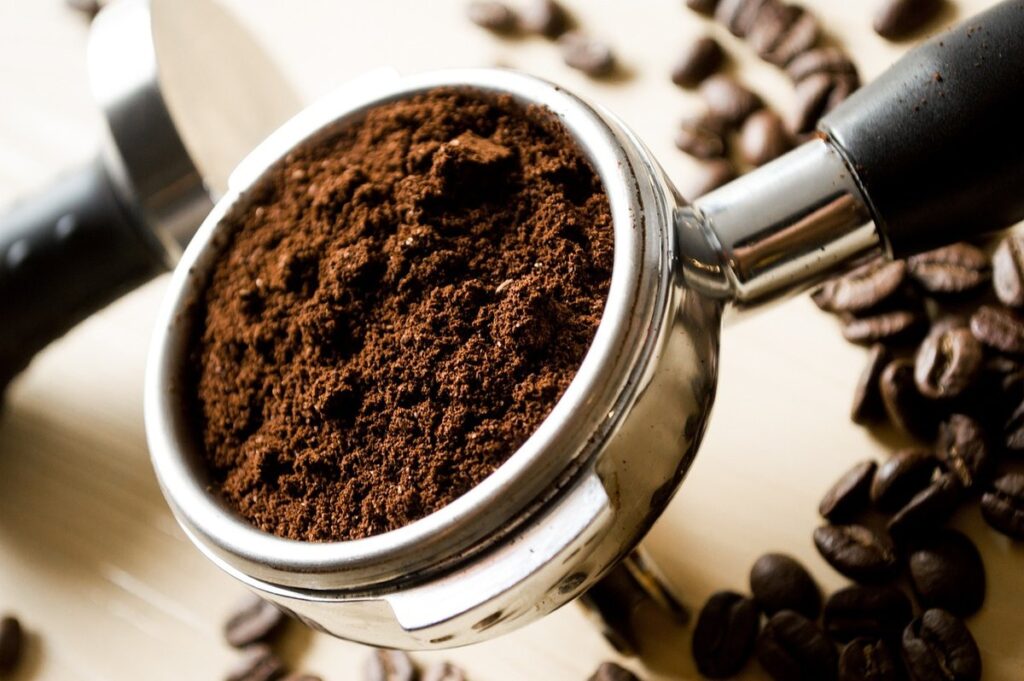
Benefits of Using Coffee Grounds in Compost
One of the most exciting perks of using coffee grounds in your compost is how it can benefit your garden, and we’re excited to dive into the specific advantages you can expect.
Reduces Waste and Conserves Resources
When you add coffee grounds to your compost pile, you’re not only creating a nutrient-rich soil amendment for your garden, but also reducing waste sent to landfills and conserving natural resources. Here’s why: according to the US Environmental Protection Agency (EPA), food waste accounts for about 21% of municipal solid waste in the United States.
By composting coffee grounds, you’re diverting this organic material from landfills, where it would otherwise take up valuable space and produce methane, a potent greenhouse gas. Instead, coffee grounds become a valuable resource that can be turned into a nutrient-dense soil amendment for your garden.
To make the most of this benefit, consider these tips: collect your coffee grounds in a dedicated bin or container to keep them separate from other compost materials. Mix them with “green” materials like food scraps and grass clippings to create an optimal carbon-to-nitrogen ratio for decomposition. As you add more coffee grounds to your compost pile, be mindful of the resulting moisture levels – too much can lead to anaerobic conditions that inhibit decomposition.
Nutrient-Rich Soil Amendment
Coffee grounds are an excellent nutrient-rich soil amendment that can significantly enhance the fertility and structure of your garden’s soil. With a high concentration of nitrogen, phosphorus, and potassium (NPK), these organic matter-rich waste products make them an attractive addition to compost. One cup of coffee grounds contains about 10% nitrogen, which is equivalent to half a cup of finished compost.
Not only do coffee grounds provide essential nutrients for plant growth, but they also improve soil structure by increasing its water-holding capacity and aeration. This results in better root development, increased resistance to pests and diseases, and enhanced overall plant health. By incorporating coffee grounds into your compost pile, you can create a nutrient-rich amendment that will promote healthy microbial activity in the soil.
To maximize the benefits of using coffee grounds as a soil amendment, it’s essential to incorporate them in moderation – about 10% of the total compost volume is sufficient. This balance ensures optimal nutrient availability without overloading the system with excess caffeine, which can harm microorganisms and plants.
How Coffee Grounds Compost Benefits the Environment
By incorporating coffee grounds compost into your garden, you’re not only reducing waste but also creating a nutrient-rich soil that fosters healthy plant growth and supports local ecosystems.
Carbon Sequestration
Composting with coffee grounds is not only beneficial for nutrient-rich soil but also contributes significantly to carbon sequestration. By incorporating coffee grounds into your compost pile, you’re playing a crucial role in reducing greenhouse gas emissions and promoting sustainable land use.
Here’s how it works: as coffee grounds break down, they absorb excess nitrogen from the atmosphere, which would otherwise contribute to climate change. This process is called “carbon drawdown.” In fact, studies have shown that composting with coffee grounds can sequester up to 1 ton of carbon dioxide per year, per hectare.
To make the most of this benefit, consider the following tips: add a mix of green and brown materials to your compost pile, including coffee grounds, to maintain optimal carbon-to-nitrogen ratios. Aim for a balance of 2/3 “brown” materials (dried leaves, straw) and 1/3 “green” materials (coffee grounds, food scraps). Regularly aerating the pile also helps speed up decomposition and maximize carbon sequestration potential.
Supports Biodiversity
When you add coffee grounds to your compost pile, you’re not just reducing waste – you’re also creating a nutrient-rich environment that promotes plant growth and supports biodiversity. This might seem like a small gesture, but its impact can be significant.
For one, coffee grounds are rich in nitrogen, phosphorus, and potassium – essential nutrients for plants. By incorporating them into your compost, you’re providing microorganisms with the fuel they need to break down organic matter and create a balanced ecosystem. This process not only produces a nutrient-dense compost but also fosters a diverse array of beneficial microbes.
As this microbial community thrives, it starts to support local plant life in several ways. For example, earthworms and other invertebrates are drawn to the coffee grounds’ rich nutrients, which helps maintain soil structure and fertility. Similarly, microorganisms like mycorrhizal fungi form symbiotic relationships with plant roots, enhancing their ability to absorb water and nutrients. By supporting this complex web of relationships, you’re creating an environment that encourages biodiversity – from the microbial level up to entire ecosystems.
Preparing Coffee Grounds for Composting
Before you start adding coffee grounds to your compost pile, let’s get them ready by sorting and drying them first. This ensures optimal decomposition and reduces odors.
Collection and Storage Methods
When it comes to composting coffee grounds, collecting and storing them properly is crucial for successful decomposition. First, consider the quantity of coffee grounds you collect. A general rule of thumb is to aim for a mix of 2/3 “brown” materials (dried leaves, straw, or shredded newspaper) and 1/3 “green” materials like coffee grounds. Excessive coffee grounds can lead to anaerobic conditions in your compost pile, causing odors and pests.
To store collected coffee grounds, ensure they’re kept dry and covered to prevent contamination by pests and moisture. Store them in an airtight container or bag with loose-fitting lids, allowing for airflow while keeping out unwanted critters. Monitor the moisture content of the stored grounds; if they become too wet, transfer them to your compost pile immediately.
When adding coffee grounds to your compost, avoid overloading it with high levels of nitrogen from other sources. This balance helps create a nutrient-rich final product for your garden.
Balancing pH Levels
When using coffee grounds in compost piles, it’s essential to balance pH levels to ensure a healthy and thriving ecosystem. Coffee grounds can be quite acidic, with a pH level ranging from 4.5 to 6.5, which may disrupt the natural pH of your compost pile if not managed properly.
To put this into perspective, most compost piles aim for a slightly acidic to neutral pH range of around 6.0 to 7.0. If coffee grounds dominate the pile and are not balanced with more alkaline materials, they can lower the overall pH level, creating an environment that’s too acidic for beneficial microorganisms to thrive.
To balance out the acidity of coffee grounds, consider adding a mix of materials like wood ash, lime, or other alkaline-rich substances. A general rule of thumb is to aim for 1-2 parts coffee grounds per 5 parts “brown” materials (dried leaves, straw, etc.). This will help create a balanced pH environment that supports the growth of beneficial microorganisms and accelerates the composting process.
Composting with Coffee Grounds: Tips and Tricks
Now that we’ve covered how to collect coffee grounds, let’s dive into some expert tips for incorporating them into your compost. Effective use of this valuable resource requires a few simple tricks.
Managing Odors and Moisture
When composting with coffee grounds, managing odors and moisture is crucial to maintaining optimal conditions for decomposition. Coffee grounds are high in nitrogen, which can lead to unpleasant odors if not balanced with enough carbon-rich materials.
To minimize odors, aim to maintain a carbon-to-nitrogen ratio of 25:1 or higher. This means adding plenty of brown materials like dried leaves, shredded newspaper, or cardboard to balance out the green materials, including coffee grounds. Regular turning of the compost pile also helps aerate it and reduce moisture.
Another key strategy is to ensure adequate drainage in your compost bin. Coffee grounds can retain a lot of moisture, which can lead to anaerobic conditions and odors. Consider adding a layer of sand or small rocks at the bottom of the bin for improved airflow and drainage.
By implementing these strategies, you can successfully manage odors and moisture when composting with coffee grounds, creating a thriving environment for decomposition and nutrient-rich compost.
Avoiding Contamination
When composting with coffee grounds, it’s essential to be mindful of contamination. Pathogens and weed seeds can quickly spread through the pile, ruining its quality and even making you sick. To avoid this, follow these guidelines: Always add a layer of “brown” materials, such as dried leaves or straw, at the bottom of your compost bin. This will create a barrier against contaminants.
When adding coffee grounds to your pile, be sure to balance them with plenty of “green” materials like kitchen scraps or grass clippings. Avoid overloading the pile with too many weeds or diseased plants, as these can harbor pathogens and spread disease.
To minimize weed seeds in your compost, avoid using fresh coffee beans or brewing coffee directly on top of the pile. Instead, let the grounds sit for a few days to dry out before adding them to your compost bin. This will reduce the likelihood of weed seeds germinating in the compost.
Regularly turn and aerate your compost pile to prevent anaerobic conditions that can foster pathogen growth. By following these simple steps, you’ll be well on your way to creating a clean, healthy compost using coffee grounds.
Using Coffee Grounds Compost in Your Garden
Now that you’ve learned how to make coffee grounds compost, it’s time to talk about one of its most valuable uses: adding nutrient-rich goodness directly to your garden. Let’s explore the benefits and best practices for using this natural fertilizer in your outdoor space.
Improving Soil Structure and Fertility
Using coffee grounds compost can significantly improve soil structure and fertility, leading to healthier plants and reduced maintenance. This is because coffee grounds are rich in nutrients such as nitrogen, phosphorus, and potassium, which are essential for plant growth.
As you add coffee grounds to your compost pile, they help to break down organic matter and create a more balanced pH level in the soil. This process improves soil structure by increasing its water-holding capacity and reducing erosion. With improved soil structure, plants are better able to absorb nutrients and water, resulting in healthier growth and development.
To incorporate coffee grounds into your compost pile effectively, aim for a mix of 20-30% coffee grounds with other organic materials like leaves, grass clippings, or vegetable scraps. Regularly turning the compost will also help to speed up the decomposition process and ensure that the nutrients are evenly distributed.
Remember, it’s essential to balance the addition of coffee grounds with other nutrient-rich materials to avoid creating a nitrogen-heavy compost that can cause problems for plants. By doing so, you’ll be able to reap the full benefits of using coffee grounds compost in your garden.
Supporting Plant Growth
When you add coffee grounds compost to your garden, you’re not just recycling waste – you’re also providing essential nutrients that support plant growth and promote healthy root development. The nutrient-rich properties of coffee grounds compost are particularly beneficial for plants that thrive in acidic environments.
The high nitrogen content in coffee grounds stimulates leafy green growth, making it an excellent additive for plants like tomatoes, peppers, and eggplants. Additionally, the presence of phosphorus in coffee grounds encourages root development, which is essential for plant stability and water absorption.
To maximize the benefits of coffee grounds compost, consider mixing it with other organic materials, such as leaves or vegetable scraps, to create a well-balanced nutrient profile. Aim to add 10-20% coffee grounds to your compost pile to avoid overpowering the mix.
By incorporating coffee grounds compost into your gardening routine, you’ll be providing your plants with a natural and sustainable source of nutrients that will promote healthy growth and maximize yields.
Frequently Asked Questions about Coffee Grounds Compost
We know you have questions about using coffee grounds in compost, so we’ve put together answers to some of the most common ones below. Let’s dive into your FAQs!
Common Myths and Misconceptions
One of the most common misconceptions about using coffee grounds in compost is that they’ll make it too acidic. While it’s true that coffee grounds have a pH level of around 6.5, which is slightly acidic, this won’t significantly impact your compost pile’s overall pH level. A typical compost heap has a pH range of 5.5 to 7.5, so the addition of coffee grounds will barely make a dent.
Another concern is that using coffee grounds in compost will attract pests like rodents and insects. However, this can be easily mitigated by balancing your coffee ground additions with other carbon-rich materials like dried leaves or straw. This mix-and-match approach ensures that your compost remains balanced and doesn’t become too attractive to unwanted critters.
It’s also worth noting that using coffee grounds in compost is not a breeding ground for contamination. In fact, the caffeine content can even help suppress pathogens like E. coli and Salmonella. By incorporating coffee grounds into your compost routine, you’ll be creating a nutrient-rich soil amendment that will actually enhance your plants’ health rather than harm them.
Best Practices for Home Composting
To successfully incorporate coffee grounds into your home compost, you’ll want to keep in mind a few key considerations for space, time, and resources. First, when it comes to space, remember that coffee grounds are high in nitrogen, so they can help balance out the carbon-rich materials like dried leaves or shredded newspaper.
For optimal results, aim to maintain a mix of 2/3 “brown” materials (like these) and 1/3 “green” materials (such as coffee grounds). To make the most of your space, consider using a compact compost bin that fits neatly into a corner of your kitchen or yard. Just be sure it has adequate ventilation to prevent odors and pests.
When it comes to time, remember that coffee grounds can help speed up the composting process due to their high nitrogen content. To get the most out of this, turn your pile regularly to ensure even decomposition. You should aim to have a fully composted batch every 1-3 months, depending on factors like temperature and moisture levels.
In terms of resources, you may want to look into adding other nutrient-rich materials like eggshells or vegetable scraps to balance out the nitrogen content in your coffee grounds.
Frequently Asked Questions
Can I use coffee grounds from decaf or half-caf coffee in my compost?
Yes, you can use decaf or half-caf coffee grounds in your compost as they will still provide nutrient-rich benefits to your garden. However, keep in mind that the flavor and aroma may be milder due to the lower caffeine content.
How often should I turn and aerate my coffee ground compost pile?
It’s recommended to turn and aerate your coffee ground compost pile every 7-10 days to ensure it breaks down efficiently and prevents anaerobic conditions. This will also help maintain optimal carbon-to-nitrogen ratios and prevent odors.
Can I mix coffee grounds with other organic waste, like vegetable scraps or yard trimmings?
Yes, you can mix coffee grounds with other organic waste, but be mindful of the balance between “green” (nitrogen-rich) materials like food scraps and “brown” (carbon-rich) materials like dried leaves. Aim for a 2/3 brown to 1/3 green ratio.
How long does it take for coffee ground compost to mature?
The maturation time for coffee ground compost can range from 2-6 months, depending on factors such as temperature, moisture, and carbon-to-nitrogen ratios. Monitor your pile’s progress by checking for its dark color, earthy aroma, and crumbly texture.
Can I use coffee ground compost in containers or indoor plants?
Yes, you can use coffee ground compost in containers or indoor plants, but be cautious not to over-fertilize. Start with a small amount (about 10% of the potting mix) and gradually increase as needed.