
Are you tired of throwing away those pesky banana peels, only to have them end up in the trash? Think again! Banana peels are actually a valuable resource for your garden, and can be used to create rich, nutrient-dense compost. By incorporating banana peels into your compost pile, you’ll not only reduce food waste but also create a natural fertilizer that will supercharge your plants’ growth.
In this article, we’ll dive into the benefits of using banana peels in compost, including how they can help improve soil structure and fertility. We’ll also cover different methods for preparing banana peels for composting, such as grinding or chopping them up, and offer tips on maintaining optimal moisture levels to prevent mold and odors.
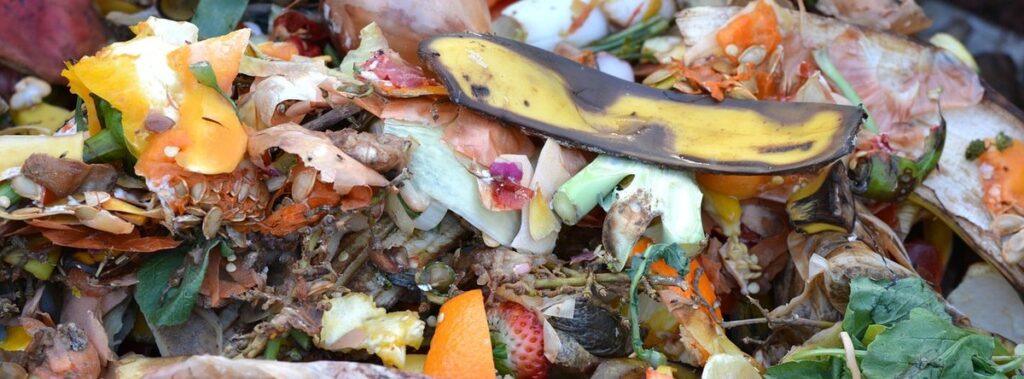
Benefits of Using Banana Peels in Compost
Now that you know how to prepare banana peels for composting, let’s explore the benefits they bring to your soil and garden. You’ll be surprised at what these discarded peels can do!
Nutrient-Rich Addition
When added to your compost pile, banana peels bring with them a wealth of essential nutrients. Potassium is one of the primary benefits you can expect from incorporating banana peels into your compost. This nutrient is crucial for plant growth and development, helping to promote strong root systems and healthy foliage.
Magnesium, another key component found in banana peels, plays a vital role in photosynthesis and overall plant health. It’s also essential for maintaining optimal pH levels within the soil. Adding magnesium-rich banana peels to your compost helps create an environment where microorganisms can thrive, ultimately breaking down organic matter more efficiently.
Sulfur is another valuable nutrient that banana peels contribute to the composting process. This element helps regulate soil acidity and promotes beneficial microbial activity. By incorporating banana peels into your compost pile, you’re essentially creating a rich, nutrient-dense soil amendment that will help support healthy plant growth once it’s applied.
By adding banana peels to your compost pile, you can expect to see an improvement in the overall nutrient content of your finished product. This can lead to healthier, more robust plants with increased resistance to pests and diseases. To get the most out of this process, be sure to balance banana peels with other organic materials and maintain proper moisture levels within your compost pile.
Easy to Collect and Process
Collecting banana peels for compost is often overlooked, but it’s one of the easiest tasks. Start by setting aside a designated container near where you chop fruits and veggies to collect the peels as they’re discarded. You can also add them directly to your compost bin or pile if you have one. Don’t worry about washing them beforehand – in fact, leaving some dirt on the peels will help with their decomposition.
To process banana peels for compost, tear them into smaller pieces so air and moisture can reach all surfaces. If you’re adding them to an indoor composting system like a vermicomposter, chop them finer. This will allow the microorganisms breaking down the peels to work more efficiently. You can also blend them with other compost materials or add a handful of soil to speed up decomposition.
One key thing to note is that banana peels are relatively high in nitrogen content, which can be beneficial for the carbon-to-nitrogen balance in your compost pile. Just be sure to balance this with sufficient carbon-rich materials like leaves or shredded newspaper. With these simple steps, you’ll be on your way to incorporating nutrient-rich banana peels into your compost and reducing food waste at home.
Preparing Banana Peels for Composting
To prepare banana peels for composting, first remove any remaining fruit bits and wash them to create a clean starting point. Now you can chop them up into manageable pieces for easier decomposition.
Drying and Chopping
Drying banana peels is an essential step before adding them to your compost pile. You can air dry them by spreading them out on a paper bag or tray, allowing for good airflow. This process may take 2-3 days depending on the humidity level and temperature of your area. Alternatively, you can speed up the drying process by placing the banana peels in a single layer on a baking sheet and letting them air dry in a low-temperature oven (150°F – 200°F).
Once the banana peels are dry, it’s time to chop them into smaller pieces. Use a food processor or blender to chop them into fine particles. If you don’t have access to these appliances, you can also use a manual vegetable chopper or even a sharp knife.
The recommended size for chopping banana peels is 1/4 inch (6 mm) or smaller. This will ensure that they break down quickly and evenly in the compost pile.
Removing Fungal Growth
Identifying fungal growth on banana peels can be tricky, but it’s essential to catch it early on to prevent it from taking over your compost pile. One common sign of fungal growth is a slimy or mushy texture on the surface of the peel. If you notice this, gently scrape off any affected areas with a fork or spoon, and set them aside for disposal.
If left unchecked, fungal growth can spread quickly and contaminate the rest of your compost pile. To remove it, you’ll need to create an environment that’s less conducive to fungal growth. This means increasing airflow by turning the pile regularly and ensuring there’s enough carbon-rich materials like dried leaves or shredded newspaper to balance out the nitrogen-rich banana peels.
Some common types of fungi that can grow on banana peels include Aspergillus, Penicillium, and Fusarium. These microorganisms thrive in moist environments with high temperatures. By maintaining a well-ventilated compost pile with regular monitoring, you can prevent fungal growth from taking hold and ensure your banana peels break down efficiently into nutrient-rich compost for your garden.
Composting Methods That Work Well with Banana Peels
For a thriving compost, it’s essential to choose methods that balance moisture, carbon-rich materials, and nitrogen-rich ingredients like banana peels effectively. Let’s explore how to combine them successfully in your backyard composter.
Hot Composting
Hot composting is an excellent method for banana peel enthusiasts who want to speed up the decomposition process. This high-temperature approach involves mixing ‘green’ (nitrogen-rich) and ‘brown’ (carbon-rich) materials together in a specific ratio, creating a hot, self-heating compost pile.
To incorporate banana peels into your hot composting mix, aim for a 2:1 or 3:1 brown-to-green material ratio. This ensures that the carbon-rich materials (like dried leaves or shredded newspaper) will help sustain the heat generated by the nitrogen-rich green materials (such as fruit and vegetable scraps, grass clippings, or manure). When adding banana peels to your pile, consider using them in moderation due to their high water content. A 20% brown-to-80% green ratio is a good starting point.
Monitor the temperature of your compost pile regularly; ideal temperatures for hot composting range from 130°F to 140°F (54°C to 60°C). As the banana peels break down, they will help sustain these high temperatures. Keep in mind that this process can be quite smelly due to the high nitrogen levels. Regular turning of your pile will ensure adequate oxygen and prevent anaerobic conditions from developing.
Cold Composting
Cold composting is an ideal method for incorporating banana peels into your compost pile. This low-maintenance approach relies on natural microorganisms to break down organic matter over time. To start a cold composting pile, collect a mix of “green” materials like fruit and vegetable scraps, including banana peels, along with “brown” materials like dried leaves or shredded newspaper.
When adding banana peels to your cold composting pile, it’s essential to balance the mixture of green and brown materials. Aim for a ratio of 2/3 brown materials to 1/3 green materials. This will provide a habitat for microorganisms to thrive and break down the organic matter efficiently. As you add banana peels, mix them in with other green materials like grass clippings or food scraps to maintain a consistent moisture level.
Over time, your cold composting pile will break down into a rich, nutrient-dense compost that can be used as fertilizer for your garden.
Tips for Maintaining Optimal Moisture Levels
To ensure your compost stays healthy and active, it’s crucial to maintain optimal moisture levels, which can be achieved by following a few simple guidelines.
Monitoring pH Levels
When adding banana peels to your compost pile, it’s essential to keep an eye on the pH levels. Banana peels are high in potassium and nitrogen, which can quickly tip the balance of your compost’s acidity. If left unchecked, this can lead to an overly acidic environment that hinders decomposition.
To monitor pH levels effectively, you’ll need a soil testing kit or pH meter. Take regular readings, ideally once a week, and adjust as necessary. Aim for a pH range between 6.0 and 8.0 – slightly acidic to neutral. For every pound of banana peels added, reduce the amount by half a pound to maintain balance.
Consider this: a compost pile with too much acidity can be a breeding ground for pathogens and weed seeds. By monitoring pH levels, you’ll create an environment conducive to healthy microbial growth. Regular testing will also help you catch any potential issues before they become major problems.
For optimal results, maintain regular moisture levels while keeping an eye on pH. This balance will ensure your compost piles decompose efficiently and produce nutrient-rich soil for your garden.
Controlling Odor and Pest Issues
When dealing with banana peels in compost, it’s essential to manage potential odor and pest issues to maintain a healthy pile. Excessive moisture can exacerbate these problems, making it crucial to monitor and control the moisture levels.
To minimize odors, ensure you’re maintaining adequate carbon-to-nitrogen (C:N) ratios. This balance will help prevent anaerobic conditions that foster unpleasant smells. Aim for a C:N ratio of 25:1 or higher by incorporating materials like shredded newspaper, leaves, or straw. Regular turning and aerating the pile also aid in odor reduction.
For pest control, introduce beneficial microorganisms such as composting worms (red wigglers) to break down banana peels efficiently. These worms help speed up decomposition while consuming potential attractants for pests. Adding a 4-6 inch layer of finished compost or well-rotted manure on top can also deter unwanted visitors.
Aim to balance moisture levels by sprinkling water during dry periods and covering the pile to retain moisture in wet conditions. Regular monitoring will help you identify when odors or pest issues arise, enabling swift corrective action. By adopting these strategies, you’ll be able to manage potential problems associated with banana peels in compost while maintaining a thriving, healthy pile.
Overcoming Common Challenges
When it comes to adding banana peels to your compost, you might encounter a few speed bumps along the way. In this section, we’ll tackle some of the most common challenges and provide solutions to get you back on track.
Balancing Carbon-to-Nitrogen Ratio
When adding banana peels to your compost pile, it’s essential to be mindful of the carbon-to-nitrogen (C:N) ratio. This balance is crucial for efficient decomposition and a healthy compost ecosystem. Banana peels are high in nitrogen, which means they can tip the scales if not balanced with sufficient carbon-rich materials.
A general rule of thumb is to aim for a C:N ratio between 25:1 and 30:1. For every 10 pounds of banana peels, you’ll want to add 2-3 pounds of dry leaves or straw to maintain this balance. You can also mix in other nitrogen-rich items like coffee grounds or grass clippings with your carbon-rich materials to achieve the right ratio.
To put this into practice, consider a batch composting approach. Add banana peels to one pile and use another pile for your carbon-rich materials. This will allow you to monitor the C:N balance and make adjustments as needed. Regularly turning your piles also helps maintain even decomposition rates.
Managing Pests and Diseases
When composting with banana peels, it’s essential to be aware of potential pest and disease issues that may arise. Fruit flies, for instance, are attracted to the sweet aroma of banana peels, which can lead to infestations if not managed properly. To prevent this, make sure to balance the carbon-to-nitrogen ratio in your compost pile by mixing green materials like banana peels with browns like leaves or straw.
Regularly monitoring your compost pile is also crucial for detecting any disease issues early on. Check for signs of mold, mildew, or fungal growth, and take corrective action if necessary. If you notice an overgrowth of pests or diseases, consider implementing a hot composting method to raise the internal temperature of your pile, thereby killing off unwanted organisms.
To minimize the risk of pest and disease issues, maintain good hygiene practices when handling banana peels, such as washing them thoroughly before adding them to your compost. Additionally, ensure that your compost pile is not too wet or dry, as this can create an ideal breeding ground for pests and diseases.
Conclusion: Maximizing the Potential of Banana Peels in Compost
As we conclude our comprehensive guide on using banana peels in compost, it’s essential to emphasize that every small step counts. By incorporating banana peels into your compost pile, you’re not only reducing waste but also creating a nutrient-rich soil amendment for your garden. To maximize the potential of banana peels in compost, remember to shred them before adding them to the pile to increase their surface area and speed up decomposition. This will allow the beneficial microorganisms in the compost to break down the peels more efficiently.
By following these simple tips and incorporating banana peels into your compost routine, you’ll be well on your way to creating a thriving garden ecosystem.
Frequently Asked Questions
What’s the ideal ratio of banana peels to other compost materials?
When adding banana peels to your compost, aim for a mix that’s roughly 20-30% fruit scraps (including peels) and 70-80% “green” materials like grass clippings or manure. This balance ensures optimal decomposition and nutrient release.
How can I prevent fungal growth in my banana peel compost?
To minimize the risk of mold and fungal growth, maintain a consistent moisture level between 50-60%. Also, ensure good airflow by turning your compost pile regularly and keeping it slightly acidic (pH 6.0-7.0).
Can I use frozen or dried banana peels in my compost?
Yes! Frozen banana peels will still provide valuable nutrients when thawed and added to your compost. Dried banana peels, however, are best crushed or chopped before mixing with other materials.
How long does it take for banana peels to break down completely?
The decomposition process typically takes several weeks to a few months, depending on factors like temperature, moisture, and carbon-to-nitrogen ratio. Be patient, as the end result will be rich, nutrient-dense compost that’ll enhance your garden’s fertility.
What if I notice pests or diseases in my banana peel compost?
If you encounter issues with pests (e.g., fruit flies) or diseases (e.g., fungal growth), remove affected areas and adjust your composting methods as needed. Monitor temperature, moisture levels, and pH to ensure optimal conditions for decomposition and minimize the risk of problems.