
Are you familiar with the fragrant herb that adds flavor to your favorite Mediterranean dishes? Rosemary is more than just a tasty addition to roasted meats and vegetables – it has been prized for centuries for its incredible versatility. From cooking and medicinal properties to aromatherapy and DIY projects, this little shrub is a treasure trove of uses waiting to be unlocked. If you’re interested in growing your own rosemary plant or simply want to tap into its full potential, this article is for you. We’ll delve into the various ways you can use rosemary in cooking, health, and wellness, as well as provide tips on how to grow and care for your very own rosemary plant at home. Whether you’re a seasoned gardener or a culinary enthusiast, get ready to discover the many benefits of this amazing herb!
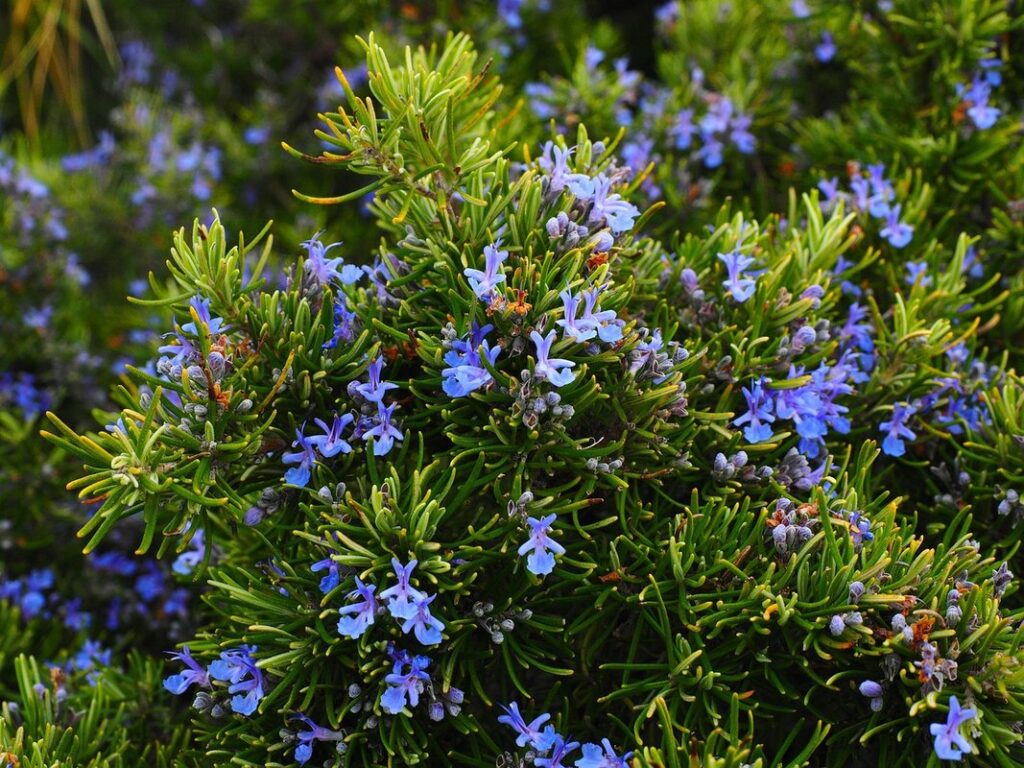
Benefits of Using Rosemary in Cooking
Whether you’re a seasoned chef or a culinary newbie, using rosemary in your cooking can add depth and flavor to your dishes, making mealtime more exciting. Let’s explore its benefits in this section!
Medicinal Properties of Rosemary
When it comes to harnessing the potential of rosemary, its medicinal properties are one of the most exciting aspects. This herb has been used for centuries for its health benefits, and research continues to uncover its advantages. One of the key reasons rosemary stands out is its high antioxidant content. These compounds work to neutralize free radicals in the body, which can damage cells and contribute to chronic diseases.
The anti-inflammatory properties of rosemary are also noteworthy. Studies have shown that its essential oils can reduce inflammation, making it a potential natural remedy for conditions like arthritis. Furthermore, rosemary has been found to improve cognitive function by improving memory and focus. The scent of rosemary alone is said to boost mental clarity and concentration.
To incorporate the medicinal properties of rosemary into your daily routine, try adding fresh sprigs to soups or stews, using its essential oil in a diffuser, or making a rosemary tea by steeping dried leaves in hot water.
Culinary Applications of Rosemary
When it comes to culinary applications of rosemary, the possibilities are endless. This versatile herb is a staple in traditional Mediterranean cuisine, where it’s often used to add flavor and aroma to a variety of dishes.
One of the most popular uses for rosemary is as a seasoning for meats, particularly lamb and beef. Simply sprinkle some chopped rosemary leaves over your steak or roast before cooking for an added depth of flavor. You can also mix minced rosemary with olive oil and lemon juice for a marinade that’s perfect for grilled chicken or fish.
Rosemary pairs just as well with vegetables, especially roasted root vegetables like carrots and Brussels sprouts. Toss some chopped rosemary with olive oil, salt, and pepper before roasting for a delicious side dish. And don’t forget about soups – a few sprigs of rosemary can add a fragrant and herbaceous note to your favorite recipes.
In traditional Mediterranean cuisine, rosemary is often used in combination with other herbs like thyme and oregano to create complex and savory flavor profiles. Experiment with different combinations to find the perfect blend for your next dish!
Using Rosemary for Health and Wellness
You’ll love using rosemary beyond its culinary charm, as it’s a treasure trove of health benefits that can be harnessed in various ways. Let’s explore how to tap into its wellness potential!
Aromatherapy and Stress Relief
When it comes to managing stress and anxiety, aromatherapy is an increasingly popular approach. And rosemary essential oil is one of its most potent allies. Inhaling the scent of rosemary has been shown to improve mental clarity and focus while reducing feelings of fatigue and anxiety.
One simple way to incorporate rosemary essential oil into your daily routine is through a calming diffuser blend. Mix 5-7 drops of rosemary essential oil with 2-3 drops of lavender or chamomile, and let the soothing aroma fill your space. You can also add it to a warm bath or shower for an even more relaxing experience.
To further enhance its stress-relieving properties, try using rosemary essential oil in combination with gentle stretches or meditation exercises. Inhale deeply as you focus on your breath, allowing the calming effects of rosemary to quiet your mind and ease tension in your body. With regular use, you may find that rosemary essential oil becomes a trusted companion in managing stress and promoting overall well-being.
Natural Remedies with Rosemary
When it comes to natural remedies, rosemary is a powerhouse herb that has been used for centuries to address various health concerns. One of its most impressive uses is as a digestive aid. Rosemary’s essential oils can help alleviate symptoms of indigestion, bloating, and gas by improving digestion and reducing inflammation. To make a homemade digestive remedy, try infusing rosemary leaves in hot water or olive oil. This can be done by steeping 1 tablespoon of fresh rosemary leaves in 8 ounces of boiling water for 5-7 minutes, then straining the mixture.
Rosemary is also an effective natural remedy for headaches and migraines. Its potent essential oils have analgesic and anti-inflammatory properties that can help relax tense muscles and reduce pain. To make a headache-relieving spray, mix 10 drops of rosemary essential oil with 2 tablespoons of witch hazel and 2 tablespoons of water in a small bottle.
Rosemary’s antiseptic and antibacterial properties also make it an excellent natural remedy for skin conditions like acne and eczema. You can create a soothing skin toner by steeping fresh rosemary leaves in boiling water, then straining the mixture and letting it cool before applying it to affected areas.
Growing and Caring for Your Own Rosemary Plant
Now that you have a healthy rosemary plant, let’s dive into the nitty-gritty of keeping it thriving with our top tips on growing and caring for your own rosemary. With proper care, you can enjoy its benefits year-round.
Choosing the Right Variety
When it comes to growing rosemary, choosing the right variety is crucial for success. The type of rosemary you select will depend on several factors, including your climate, soil quality, and intended use.
Consider your climate: If you live in a hot and dry region, opt for a drought-tolerant rosemary variety like ‘Miss Jessop’s Upright’ or ‘Tuscan Blue’. These varieties are more resistant to heat stress and can thrive with minimal watering. On the other hand, if you reside in a cooler climate, choose a compact or dwarf variety like ‘Prostratus’ or ‘Blue Boy’, which will require less pruning and maintenance.
Think about your soil quality: If you have poor soil drainage or alkaline soils, select a rosemary variety that’s more adaptable to these conditions. For example, ‘Barbesol’ is known for its ability to tolerate slightly acidic soils.
Ultimately, the best rosemary variety for you will depend on your specific needs and circumstances. Be sure to research different types of rosemary and their characteristics before making a selection. This will ensure that you choose a variety that thrives in your environment and meets your desired use.
Tips for Healthy Growth and Pruning
To promote healthy growth in your rosemary plant, ensure it receives sufficient light – ideally 4-6 hours of direct sunlight daily. Watering is also crucial; allow the top inch of soil to dry out between waterings. Fertilize with a balanced, water-soluble fertilizer during the growing season (spring and summer). Regular pruning not only maintains the plant’s shape but encourages new growth.
When pruning your rosemary plant, remove any dead or damaged branches first. Cut back overgrown sections by about one-third to encourage bushy growth. Pinch off flower buds to direct the plant’s energy towards leaf production. Prune your rosemary plant regularly to control its size and promote a more compact shape.
Common issues that may arise when growing rosemary indoors include root rot due to overwatering, pests like spider mites or mealybugs, and nutrient deficiencies. Troubleshoot these problems by adjusting watering schedules, using neem oil or insecticidal soap to control pests, and providing balanced fertilizer to address nutrient deficiencies.
Uses of Rosemary in Traditional Medicine
For centuries, rosemary has been valued for its medicinal properties, and traditional medicine practitioners have relied on it to treat a range of ailments from digestive issues to stress relief. Let’s explore some of these uses in more detail.
Herbal Remedies and Folklore
Rosemary has been a cornerstone of traditional medicine for centuries, with its aromatic oils and compounds believed to possess potent healing properties. In ancient cultures, rosemary was revered not only for its fragrance but also for its capacity to ward off illness and promote well-being.
In ancient Greece and Rome, rosemary was used to treat memory loss and improve cognitive function – a practice still echoed in modern times with studies confirming its neuroprotective benefits. The herb’s efficacy as an anti-inflammatory agent has also been documented throughout history, with traditional healers using it to alleviate symptoms of arthritis, gout, and even the plague.
In folk medicine, rosemary is often used to calm digestive issues and soothe headaches – simply brew a few sprigs in hot water for a natural remedy. Its antimicrobial properties have led some to employ it as an antiseptic and disinfectant, while its antioxidant content makes it a valuable addition to skincare routines.
When using rosemary in traditional medicine, it’s essential to note that the herb can be quite potent – start with small doses and monitor your body’s response. Combine rosemary with other herbs like thyme or lavender for enhanced benefits, or infuse the oil into massage oils for an invigorating treatment. By embracing the historical use of rosemary in traditional medicine, you’ll unlock a treasure trove of natural remedies to nourish both body and mind.
Modern Research and Validation
Recent studies have shed new light on the medicinal properties of rosemary, validating its traditional uses while also revealing some surprising findings. Research has shown that rosemary’s antioxidant and anti-inflammatory compounds can help reduce cognitive decline and improve memory. A study published in the Journal of Agricultural and Food Chemistry found that rosemary extract was able to inhibit the growth of certain cancer cells, highlighting its potential as a natural cancer treatment.
Other studies have also explored rosemary’s antimicrobial properties, confirming its effectiveness against foodborne pathogens such as E. coli and Salmonella. This makes rosemary a valuable addition to any home garden or kitchen, particularly for those looking to reduce their reliance on synthetic preservatives and antibiotics. For example, you can use fresh rosemary leaves to naturally preserve your vegetables in the fridge or add them to your homemade sauerkraut for an extra boost of flavor and nutrition.
When selecting a rosemary plant for medicinal purposes, look for one that is high in essential oils, which are responsible for its therapeutic properties. You can verify this by smelling the leaves – a strong, piney aroma indicates a high concentration of oils. By growing your own rosemary or incorporating it into your daily routine, you can tap into its vast potential and enjoy a range of health benefits that have been appreciated for centuries.
DIY Projects and Crafts with Rosemary
Get creative with rosemary in your home and garden by making unique crafts, potpourri, and decorative arrangements that will add a fresh touch to any space. From wreaths to candles, the possibilities are endless!
Potpourri and Decorative Ideas
Dried rosemary can add a fragrant and rustic touch to your home decor. One way to incorporate it is by making potpourri blends using dried flowers, herbs, and spices. Mix equal parts of dried rosemary with other ingredients like lavender buds, orange peel, and cinnamon sticks for a unique scent. You can also experiment with different proportions to create customized blends that suit your taste.
Consider adding dried rosemary to wreaths or garlands as a fragrant filler. Simply tie the sprigs together with twine or wire and hang them on walls or use them as a centerpiece. For an added touch, combine dried rosemary with eucalyptus leaves or pinecones for a fresh, outdoorsy scent.
When creating potpourri blends, remember to store them in airtight containers to maintain their fragrance. You can also make small sachets by filling cloth bags with the blend and sealing them shut. Hang these in closets or drawers to keep your clothes smelling fresh.
For a more dramatic look, create a rosemary bouquet by tying multiple stems together with twine. Display this on your coffee table or sideboard for an instant conversation starter.
Natural Pest Control and Skincare
When it comes to using rosemary for natural pest control and skincare, you’re tapping into its incredible versatility. Rosemary’s strong scent can repel a range of pests, from mosquitoes to ants, making it a great alternative to chemical-based pesticides. To harness this power, try growing rosemary near entry points or areas prone to infestation. You can also use dried rosemary leaves in potpourri or sachets to keep unwanted critters at bay.
Rosemary’s benefits extend beyond pest control, however. Its essential oils have been shown to possess anti-inflammatory properties, making it an excellent addition to skincare routines. Add a few drops of rosemary oil to your bath water or mix with a carrier oil for a soothing massage. To reduce inflammation and promote healthy skin, consider incorporating rosemary into your skincare routine by using products containing its extract or essential oil. For example, try using a face mask infused with rosemary extract to calm redness and soothe irritation.
When using rosemary for skincare, be sure to dilute the essential oil with a carrier oil, as it can be quite potent. A 1:5 ratio is generally recommended, so start with a small amount and adjust to your skin’s sensitivity.
Conclusion: Unlocking the Full Potential of Rosemary
Now that we’ve explored the various uses and benefits of rosemary, let’s tie everything together by unlocking its full potential in your home and garden.
Recap of Key Takeaways
As we conclude our exploration of rosemary plant uses, let’s take a moment to recap the key takeaways from this journey. Rosemary is an incredibly versatile herb that offers a wealth of benefits for both indoor and outdoor spaces. From its culinary applications to its medicinal properties, and from air purification to pest control, rosemary has proven itself to be a valuable addition to any home or garden.
Some of the most significant advantages of using rosemary include its ability to repel mosquitoes and other pests, improve cognitive function and memory, and even boost mood and reduce stress. We also discussed various ways to incorporate rosemary into your cooking, from soups and stews to roasted meats and vegetables. Whether you’re looking to enhance the flavor and aroma of your favorite dishes or promote a healthier living environment, rosemary is an excellent choice.
Incorporating rosemary into your daily life doesn’t have to be complicated; simply trim back the plant regularly to encourage new growth, prune it to control its size, and enjoy the benefits it provides. With its long-lasting flowers and fragrant foliage, rosemary is a beautiful addition to any garden or indoor space, and its uses are only limited by your imagination.
Encouragement to Experiment with Rosemary
As you’ve discovered the versatility of rosemary through its various uses, we encourage you to experiment with it even further. Whether you’re a culinary enthusiast, a health-conscious individual, or an artistic soul, there are countless ways to incorporate rosemary into your daily life.
Start by exploring new recipes that showcase rosemary’s aromatic flavor and fragrance. Try substituting traditional herbs in your favorite dishes or experimenting with rosemary-infused oils for added depth of flavor. You might be surprised at how easily it elevates a simple vegetable soup or roasted chicken.
Beyond the kitchen, consider using rosemary as a natural remedy. Steep rosemary leaves in hot water to create a soothing tea that can aid digestion and reduce stress. You can also add rosemary essential oil to your bathwater for a relaxing soak or mix with carrier oils for a massage.
Lastly, tap into rosemary’s creative potential. Use its fragrant needles as a natural dye for fabric or paper crafting. Or try infusing rosemary into candles, soap, or potpourri for a unique and inviting scent. By embracing the limitless possibilities of rosemary, you’ll unlock new dimensions of flavor, health, and artistry in your home and garden.
Frequently Asked Questions
Can I use rosemary essential oil instead of the fresh herb for most recipes?
You can use rosemary essential oil as a substitute, but keep in mind it’s more potent than fresh or dried rosemary. Start with a small amount (about 5-7 drops) and adjust to taste, as it can quickly overpower dishes.
How long does it take for a rosemary plant to mature and produce usable leaves?
A healthy rosemary plant typically takes around 1-2 years to mature, but you can start harvesting smaller leaves or sprigs within 6-8 months. Regular pruning will encourage bushy growth and promote more flavorful leaves.
What are some common pests that affect rosemary plants, and how do I control them naturally?
Rosemary is susceptible to spider mites, mealybugs, and aphids. Use neem oil or insecticidal soap to treat infestations, and maintain good hygiene by washing your hands after handling the plant.
Can I grow rosemary indoors year-round, or does it require a specific climate?
While rosemary can tolerate indoor conditions, it thrives in warmer temperatures (above 60°F/15°C) and bright sunlight. To keep your indoor rosemary plant healthy, place it near a sunny window or use grow lights.
How do I preserve fresh rosemary for extended periods to enjoy its flavor year-round?
To preserve fresh rosemary, tie the stems together in small bunches and hang them upside down in a warm, dry area. You can also freeze or dry the leaves for later use in recipes.