
Are you ready to discover one of the most versatile herbs in your garden? Narrow leaf mountain mint is a powerhouse of medicinal, culinary, and growth benefits that has been prized for centuries. From traditional remedies to modern research, this herb is gaining attention for its unique properties. But what makes narrow leaf mountain mint so special? For starters, it’s packed with antioxidants, anti-inflammatory compounds, and essential oils that can soothe digestive issues, reduce stress, and boost immunity. In the kitchen, narrow leaf mountain mint adds a refreshing twist to salads, teas, and desserts. And as a low-maintenance garden plant, it thrives in poor soil and requires minimal care. In this article, we’ll delve into the medicinal, culinary, and growth benefits of narrow leaf mountain mint, exploring its traditional uses, modern research, and recipe ideas.
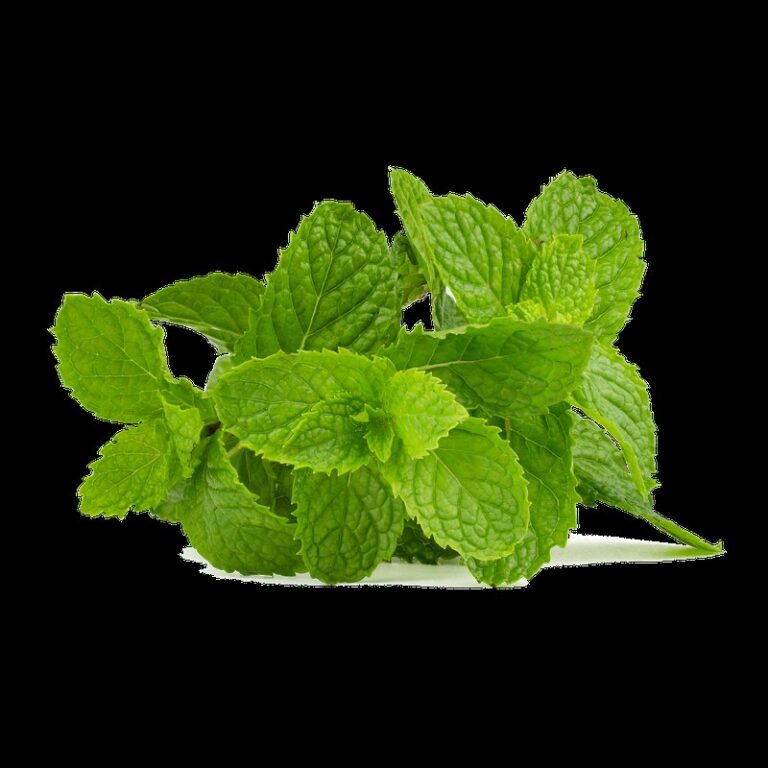
Habitat and Distribution of Narrow Leaf Mountain Mint
Narrow leaf mountain mint is commonly found growing wild in mountainous regions, particularly in the southeastern United States. It thrives in areas with rich soil and partial shade.
Native Regions and Ecosystems
Narrow leaf mountain mint is commonly found in its native regions of North America, specifically in the eastern and central parts of the continent. Its typical habitats are deciduous forests, woodlands, and along streams and rivers. You can spot it growing in areas with rich soil, moderate to high moisture levels, and partial shade.
In terms of specific ecosystems, narrow leaf mountain mint thrives in areas with a mix of limestone and dolomite bedrock, which provide its roots with essential minerals. It’s often found alongside other plants like black cohosh, wild ginger, and trillium, indicating its preference for understory conditions.
If you’re interested in finding or growing narrow leaf mountain mint, look for areas with these characteristics. When cultivating it, ensure your soil has adequate drainage and a balanced pH level to support healthy growth. With proper care, this versatile herb can bring numerous benefits to your garden or natural setting.
Adaptation to Different Environments
Narrow leaf mountain mint has proven to be an incredibly resilient and adaptable plant, capable of thriving in a wide range of environments. One of its most notable adaptations is its ability to grow in areas with high altitudes and rugged terrain, such as mountainous regions. Its deep roots allow it to anchor itself securely in rocky soil, even on steep slopes.
In coastal areas, narrow leaf mountain mint has also shown an impressive capacity for survival. It can tolerate salt spray and wind-borne debris, making it a hardy addition to beachside gardens. This adaptability is likely due to its natural ability to purify water and air, making it more resistant to environmental stressors.
When cultivating narrow leaf mountain mint in your own garden, consider the specific conditions of your area. If you’re growing in a dry climate, ensure that the plant receives adequate moisture. In coastal areas, be aware of potential salt damage and take steps to protect the roots. By understanding and adapting to these environmental factors, you can enjoy the benefits of this remarkable plant in even the most challenging ecosystems.
Identification and Characteristics of Narrow Leaf Mountain Mint
So, you want to make sure you’ve got the right plant? This section will walk you through how to identify narrow leaf mountain mint, including its unique characteristics.
Physical Appearance and Growth Habits
Narrow leaf mountain mint is easily identifiable by its physical appearance. One of its most distinctive features is its leaves, which are narrow and lance-shaped, typically growing to be around 1-2 inches long. These leaves are a vibrant green color on top, while the underside is a lighter shade with fine hairs giving it a soft texture.
The stems of the plant are slender, upright, and square in cross-section, allowing them to support the weight of the leaves and flowers effectively. They can grow up to 3 feet tall but usually reach around 1-2 feet. Narrow leaf mountain mint produces small purple or pink flowers that bloom from June to September. These flowers are arranged in a whorl on top of the stem, giving it a distinctive appearance.
When identifying narrow leaf mountain mint, look for its characteristic narrow leaves and square stems. The purple or pink flowers add to its unique appearance, especially when they’re blooming. This visual identification can be helpful in recognizing the plant in its natural habitat.
Distinctive Features and Lookalikes
Narrow leaf mountain mint (Pycnanthemum angustifolium) has several distinctive features that set it apart from other plants. One of the most notable characteristics is its narrow, elongated leaves, which are typically a light green color and have a smooth texture. The plant’s leaves are also often arranged in pairs along the stem, giving it a unique appearance.
When trying to identify narrow leaf mountain mint, be aware that it can be confused with other plants in the same genus, such as Pycnanthemum virginianum. However, lookalike plants like eastern pennyroyal (Mentha pulegium) and spearmint (Mentha spicata) may also cause confusion due to their similar leaf shapes and minty aromas.
To accurately identify narrow leaf mountain mint, pay attention to the plant’s growth habit: it typically grows 1-3 feet tall with a spread of 1-2 feet. The plant’s flowers are also distinctive, consisting of small, white or pinkish-purple blooms that cluster in spikes at the top of the stem. By paying close attention to these characteristics, you can confidently identify narrow leaf mountain mint and make the most of its benefits.
Medicinal Properties and Uses of Narrow Leaf Mountain Mint
Let’s dive into the medicinal properties and uses of narrow leaf mountain mint, where we’ll explore its therapeutic benefits and practical applications. You’ll discover how to harness this herb for health and wellness.
Traditional Medicine and Remedies
In many cultures around the world, narrow leaf mountain mint has been used for centuries as a natural remedy to treat various health issues. For instance, in traditional Chinese medicine, it is believed to have anti-inflammatory and antiseptic properties, making it effective in treating wounds and reducing pain. In some parts of Asia, people use it to alleviate symptoms of indigestion and nausea by consuming it in tea form.
In North America, the indigenous communities have used narrow leaf mountain mint for its medicinal properties to treat fever, sore throats, and even snake bites. The leaves are typically steeped in hot water or made into a salve to be applied topically. Some practitioners of herbal medicine also use it as a natural decongestant by inhaling the vapors from a hot infusion.
It’s worth noting that narrow leaf mountain mint should not be used as a substitute for medical treatment without consulting a healthcare professional first. However, incorporating this plant into your natural remedy arsenal can be a great way to explore more holistic approaches to health and wellness.
Modern Research and Potential Health Benefits
Research has shown that narrow leaf mountain mint possesses impressive antimicrobial and anti-inflammatory properties. Studies have demonstrated its ability to inhibit the growth of various microorganisms, including bacteria, fungi, and viruses, making it a potential natural remedy for wounds, skin infections, and respiratory issues. Its anti-inflammatory effects may also contribute to relief from pain and inflammation associated with conditions like arthritis.
One notable study published in the Journal of Ethnopharmacology found that narrow leaf mountain mint extract exhibited potent antimicrobial activity against Staphylococcus aureus, a common cause of skin infections. Another study published in the journal Phytomedicine discovered its anti-inflammatory properties to be comparable to those of popular pain-relieving medications.
While more research is needed to fully understand the potential health benefits of narrow leaf mountain mint, its natural and organic nature makes it an attractive alternative to synthetic treatments. You can incorporate it into your daily routine by adding fresh leaves to salads or infusing them in teas for a refreshing and potentially medicinal beverage.
Culinary Uses and Preparation Methods for Narrow Leaf Mountain Mint
Whether you’re a seasoned chef or just starting to explore the world of wild herbs, we’ll walk you through the best ways to use narrow leaf mountain mint in your cooking.
Herbal Teas and Infusions
Narrow leaf mountain mint is an excellent ingredient for crafting herbal teas and infusions that can be enjoyed hot or cold. To make a basic tea, start by gathering a handful of fresh narrow leaf mountain mint leaves and stems. Rinse them gently with cool water to remove any dirt or debris. Then, place the leaves in a teapot or infuser and pour in boiling water.
Steep the mixture for 5-7 minutes, depending on your desired level of potency. Strain the tea into a cup and enjoy as is, or add honey and lemon to taste. For a more complex infusion, try combining narrow leaf mountain mint with other herbs like peppermint, lemongrass, or chamomile.
Some popular herbal tea recipes include:
• Mountain Mint Refresher: Combine 1 tablespoon of dried narrow leaf mountain mint with 1 cup of boiling water and steep for 5 minutes.
• Cooling Mint Tea: Blend equal parts narrow leaf mountain mint and peppermint leaves with 1 cup of boiling water and steep for 7-10 minutes.
Cooking and Recipe Ideas
Narrow leaf mountain mint is a versatile herb that can add depth and freshness to various dishes. When it comes to incorporating this herb into your cooking, the possibilities are endless. For a refreshing twist on traditional salads, try pairing narrow leaf mountain mint with juicy fruits such as strawberries or blueberries for a sweet and tangy combination.
Incorporating dried narrow leaf mountain mint into your recipes is also an excellent way to preserve its flavor and aroma. Simply add it to soups, stews, or braising liquids for added depth of flavor. You can also use dried narrow leaf mountain mint as a substitute for other herbs like basil or oregano in many recipes.
Some recipe ideas that showcase the unique flavor of narrow leaf mountain mint include:
* Minty lemon chicken: Marinate chicken breast in a mixture of olive oil, lemon juice, garlic, and chopped fresh narrow leaf mountain mint before grilling.
* Narrow leaf mountain mint tea: Steep dried leaves in hot water to create a soothing and caffeine-free tea.
* Herb-crusted lamb chops: Mix chopped narrow leaf mountain mint with olive oil, salt, and pepper for a flavorful crust on lamb chops.
Growing and Cultivating Narrow Leaf Mountain Mint
To grow narrow leaf mountain mint successfully, you’ll want to provide it with well-draining soil and partial shade, allowing it to thrive in its preferred environment. With proper care, this lovely herb can be a beautiful addition to your garden.
Propagation Methods and Techniques
Propagating narrow leaf mountain mint can be done through seed or cuttings, and both methods have their own set of advantages. When propagating from seeds, it’s essential to start them indoors 6-8 weeks before the last frost date in your area. Sow the seeds on the surface of a well-draining seed starting mix and keep the soil consistently moist but not waterlogged.
For cuttings, take 4-6 inch stem sections with at least two nodes from mature plants during the spring or summer months when the plant is actively growing. Remove lower leaves, leaving only two sets of leaves at the top, and dip the cut end into a rooting hormone powder or liquid to promote root growth. Plant the cutting in a well-draining potting mix and water thoroughly.
Some tips for successful cultivation include providing narrow leaf mountain mint with partial shade to full sun and consistently moist soil. This herb prefers slightly acidic to neutral soil pH and can be susceptible to root rot if overwatered. Regular pruning can help control its spread and encourage bushy growth, making it an ideal choice for containers or small gardens.
Care and Maintenance Requirements
To keep your narrow leaf mountain mint plant thriving, it’s essential to meet its specific care and maintenance requirements. In terms of sunlight, this plant prefers partial shade to full sun, but be aware that intense direct sunlight can cause scorching of the leaves. Aim for at least 4-6 hours of indirect sunlight per day.
Watering is another crucial aspect to consider. Water your narrow leaf mountain mint regularly, but make sure not to overwater it as this can lead to root rot. A good rule of thumb is to water when the top inch of soil feels dry to the touch. Reduce watering during the winter months when the plant is dormant.
In terms of soil, narrow leaf mountain mint prefers well-draining soil with a slightly acidic pH. You can use a mix specifically designed for herbs or create your own by combining peat moss and perlite. To keep your plant healthy, fertilize it sparingly using an organic fertilizer during the growing season. Avoid overfertilizing, as this can damage the roots and lead to weak growth.
Safety Precautions and Potential Risks Associated with Narrow Leaf Mountain Mint
When working with narrow leaf mountain mint, it’s essential to be aware of potential risks associated with its use, as well as some important safety precautions to take. Let’s discuss these considerations together.
Allergies and Sensitivities
While narrow leaf mountain mint is generally considered safe for consumption and topical use, some individuals may experience adverse reactions. Allergies and sensitivities to this herb are rare but can occur.
If you’re new to using narrow leaf mountain mint, it’s essential to proceed with caution, especially if you have a history of allergies or sensitive skin. Some people may experience mild symptoms such as itching, redness, or hives after coming into contact with the plant. In severe cases, an allergic reaction can cause difficulty breathing, rapid heartbeat, and swelling.
If you suspect an allergy or sensitivity to narrow leaf mountain mint, discontinue use immediately and consult a healthcare professional for guidance. To minimize the risk of adverse reactions, always perform a patch test before using the herb in its essential oil form or applying it topically.
To perform a patch test: apply a small amount of diluted essential oil to a discrete area of skin, typically behind the ear or on the inner wrist. Wait 24-48 hours for any adverse reactions to occur before proceeding with full use.
Interactions with Medications and Health Conditions
When using narrow leaf mountain mint, it’s essential to be aware of potential interactions with medications and health conditions. Some people may experience adverse effects when combining the herb with certain medicines or underlying health issues.
For example, individuals taking blood thinners such as warfarin should exercise caution when consuming narrow leaf mountain mint. The herb may enhance the blood-thinning effects, increasing the risk of bleeding complications. Similarly, those on diabetes medications may need to adjust their dosages due to the herb’s potential impact on blood sugar levels.
Pregnant or breastfeeding women should also consult with a healthcare professional before using narrow leaf mountain mint, as its safety profile in these populations is not well established. Furthermore, individuals with allergies or sensitivities to plants in the Lamiaceae family (such as lavender or basil) may react to narrow leaf mountain mint.
To ensure safe use, it’s crucial to inform your doctor about any herbal supplements you’re taking, including narrow leaf mountain mint. This will enable them to monitor for potential interactions and adjust your treatment plan accordingly.
Frequently Asked Questions
Can I grow narrow leaf mountain mint indoors, or is it best suited for outdoor gardens?
Yes, you can grow narrow leaf mountain mint indoors, but it requires a controlled environment with bright light and moderate watering. It’s ideal to start with a small pot and transfer the plant to a larger container as it grows.
Is narrow leaf mountain mint safe for consumption by pets or young children?
While narrow leaf mountain mint is generally considered safe for human consumption, it’s essential to exercise caution when sharing it with pets or young children. Some people may experience allergic reactions or interactions with medications, so consult with a healthcare professional before introducing the herb to your family.
Can I use narrow leaf mountain mint as a substitute for other herbs in recipes?
Yes, narrow leaf mountain mint can be used as a substitute for other herbs like peppermint and spearmint. However, note that its unique flavor profile and essential oils may alter the taste of your dishes slightly. Start with small amounts and adjust to taste.
How do I propagate narrow leaf mountain mint from cuttings, and what are the best conditions for successful propagation?
To propagate narrow leaf mountain mint from cuttings, take 4-6 inch stem sections in early spring or summer, remove lower leaves, and plant them in a moistened potting mix. Keep the soil consistently moist but not waterlogged until roots develop, typically within 1-2 weeks.
Can I dry and store narrow leaf mountain mint for future use, or does it need to be used fresh?
Yes, you can dry and store narrow leaf mountain mint for future use by tying bunches in paper bags, hanging them upside down in a warm, dark place, or using a dehydrator on the lowest temperature setting. Store dried leaves in airtight containers to preserve their flavor and essential oils.