
Sage is one of those incredible herbs that seems to have been around forever, yet its versatility is only now being fully appreciated. From culinary delights to medicinal marvels, and from spiritual practices to cultivating your own plants at home, sage’s uses are as diverse as they are impressive. This wise herb has a rich history, with ancient cultures recognizing its value in everything from flavoring meats to purifying the mind and body. But what exactly can you do with sage? In this comprehensive guide, we’ll delve into the many uses of sage, exploring its nutritional benefits, history, and cultural significance. Whether you’re looking to upgrade your cooking game or deepen your spiritual practice, get ready to discover the incredible potential of this remarkable herb.
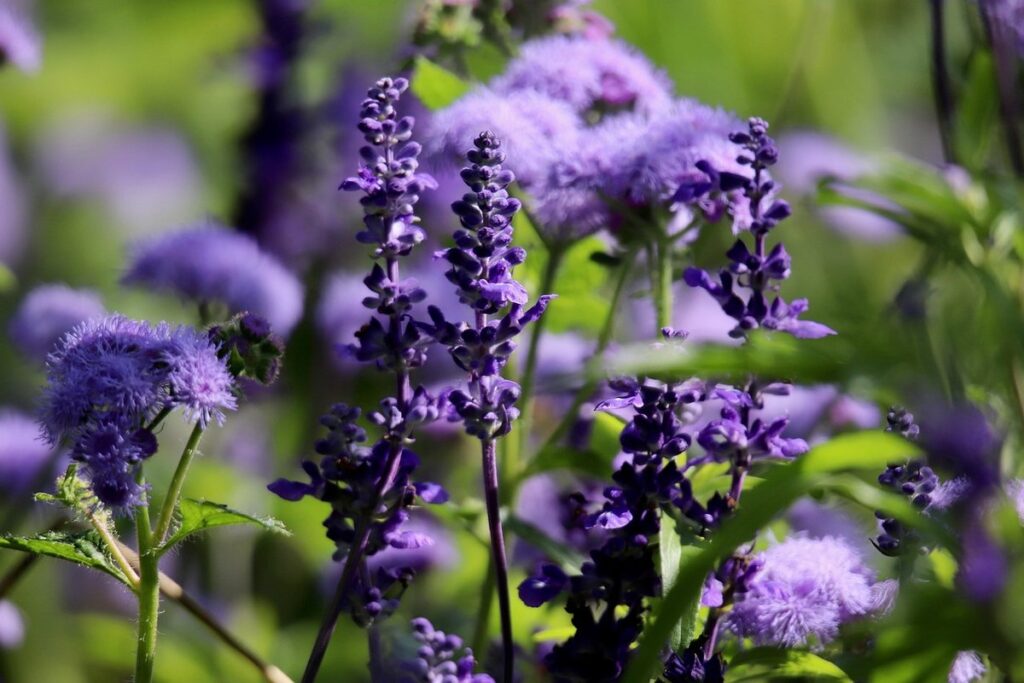
Understanding the Benefits of Sage
Sage is often revered for its calming effects, but did you know it can also support digestion and boost brainpower? Let’s explore the many benefits of incorporating sage into your daily life.
What is Sage?
Sage is a popular herb that has been used for centuries for its culinary, medicinal, and spiritual properties. Its botanical name is Salvia officinalis, which comes from the Latin word “salvare,” meaning to save or heal. Native to the Mediterranean region, sage is believed to have originated in Greece, where it was highly prized by the ancient Greeks for its flavor and fragrance.
There are several common types of sage, including white sage (Salvia apiana), also known as sacred sage, which is native to North America and has a distinctively stronger scent than garden sage. White sage is often used in smudging ceremonies to purify and cleanse the air of negative energies. Garden sage, on the other hand, is more commonly found in home gardens and is prized for its culinary uses. It’s a hardy perennial herb that can be grown in a variety of conditions and is a great addition to many dishes, from roasted meats to soups.
Whether you’re growing it in your garden or using dried sage leaves in cooking, this versatile herb has a wealth of benefits waiting to be unlocked.
Historical and Cultural Significance
Sage has been a revered herb across various cultures for centuries, playing a significant role in traditional medicine, spiritual practices, and cultural ceremonies. In many Native American communities, sage is considered a sacred plant, used in smudging rituals to purify the mind, body, and spirit. The smoke from burning sage is believed to drive out negative energies, promoting a sense of calm and clarity.
In many African cultures, sage is used in traditional medicine to treat respiratory issues such as bronchitis and asthma. The herb’s expectorant properties are said to help loosen phlegm and ease congestion. In some African societies, sage is also used in spiritual practices to connect with ancestors and honor the divine.
The use of sage in cultural ceremonies extends beyond these communities. For example, in many European countries, sage is a key ingredient in traditional wedding ceremonies, used to purify and consecrate the marriage bond. In modern times, sage has gained popularity in various forms of meditation and yoga practices, where its calming effects are harnessed to promote relaxation and inner peace.
To incorporate sage into your spiritual or cultural practices, start by burning dried sage leaves during meditation or smudging ceremonies. You can also infuse sage into hot water or tea for a soothing drink. When using sage in traditional medicine, be sure to consult with a qualified practitioner to ensure safe and effective use.
Nutritional Value of Sage
Sage is not only a culinary delight but also a nutrient-rich herb that offers numerous health benefits. Let’s take a closer look at its nutritional content.
One of the key vitamins found in sage is vitamin A, which plays a vital role in maintaining healthy vision, immune function, and skin health. Sage is also an excellent source of vitamin K, essential for blood clotting and bone health. In addition to these vitamins, sage contains various antioxidants like flavonoids and polyphenols that help protect the body from oxidative stress and inflammation.
The nutritional value of sage can be attributed to its high concentration of minerals such as copper, potassium, and manganese. These minerals support energy production, nerve function, and overall health. For example, copper is essential for connective tissue health, while potassium helps maintain healthy blood pressure levels.
To reap the benefits of sage’s nutritional content, you can incorporate it into your diet by adding fresh or dried leaves to soups, salads, or using it as a seasoning in roasted vegetables. You can also make sage tea by steeping the leaves in hot water and drinking it as a soothing beverage.
Culinary Uses for Sage
Let’s dive into the delightful world of sage, where it brings warmth and depth to a variety of dishes, from stuffing to soups. We’ll explore its many culinary applications next.
Cooking with Fresh Sage
When it comes to cooking with fresh sage, you’ll want to use it at its peak flavor and aroma. Start by rinsing the leaves under cold water, then pat them dry with a paper towel to remove excess moisture. This will help prevent sogginess and promote even browning when sautéed or roasted.
When pairing sage with other ingredients, think classic Italian flavors like olive oil, garlic, lemon, and Parmesan cheese. Add fresh sage leaves to soups, stews, or braises for added depth and complexity. In the fall, combine sage with roasted butternut squash, onions, and apples for a delicious side dish.
For longer-term use, you can preserve fresh sage by tying it in small bunches and hanging it upside down in a dry, dark place. This will help retain its essential oils and flavor compounds. Alternatively, chop the leaves and freeze them in ice cube trays with olive oil or water – simply thaw as needed for future recipes.
Remember to use fresh sage liberally, but thoughtfully: too much can overpower other flavors, while just enough will bring out the best in your dishes.
Dried vs. Fresh Sage: What’s the Difference?
When it comes to cooking with sage, one of the most common questions is whether to use fresh or dried sage. While both forms have their advantages and disadvantages, the choice between them ultimately depends on personal preference, recipe requirements, and storage considerations.
Dried sage has a longer shelf life compared to its fresh counterpart. It can be stored for months without losing its potency, making it an ideal option for cooks who want to stock up on this versatile herb. Additionally, dried sage is often more concentrated in flavor, which means less of it is needed to achieve the desired taste.
On the other hand, fresh sage offers superior flavor and aroma. Its delicate leaves are perfect for adding a subtle yet distinctive note to dishes like pasta sauces, salads, and roasted meats. Fresh sage also retains its essential oils better than dried sage, ensuring that the flavor remains vibrant and authentic.
Incorporating Sage into Traditional Recipes
Sage is a versatile herb that can elevate traditional recipes to new heights. When it comes to using sage in cooking, there are countless ways to incorporate its unique flavor and aroma into various dishes. Let’s take a look at some popular examples of sage-infused recipes.
One classic way to use sage is in the preparation of savory stuffing for poultry or pork. Simply mix chopped fresh sage with breadcrumbs, onions, garlic, and herbs like thyme and rosemary, and you’ll have a fragrant and flavorful accompaniment to your roasted meats. You can also use sage to add depth to roasted vegetables like Brussels sprouts, carrots, and sweet potatoes. Simply toss the veggies with olive oil, salt, pepper, and chopped sage before roasting in the oven.
In addition to these traditional uses, you can also experiment with sage in more modern recipes. Try adding it to soups, stews, or braises for a boost of flavor, or use it as a garnish for roasted meats or vegetables. With its subtle bitterness and earthy undertones, sage is an herb that pairs well with a wide range of ingredients, from rich meats to delicate fish and seafood.
Medicinal Properties of Sage
Sage has been revered for centuries for its remarkable medicinal properties, offering relief from various ailments and promoting overall well-being. Let’s explore some of sage’s most impressive health benefits.
Anti-Inflammatory and Antioxidant Effects
Sage has been touted for its potential to reduce inflammation and combat oxidative stress, two key factors that contribute to various chronic diseases. Research suggests that sage’s polyphenolic compounds, particularly rosmarinic acid, may be responsible for its anti-inflammatory effects. A study published in the Journal of Agricultural and Food Chemistry found that sage extract reduced inflammation by inhibiting COX-2 and iNOS enzymes.
Other studies have demonstrated sage’s antioxidant properties, which help neutralize free radicals that can damage cells and contribute to oxidative stress. For example, a study on sage tea consumption showed improved antioxidant status in healthy individuals. To harness sage’s anti-inflammatory and antioxidant effects, try incorporating it into your daily routine through herbal teas or infusions.
When preparing sage for medicinal use, be sure to use the leaves of the Salvia officinalis plant, as they contain higher levels of rosmarinic acid than other parts of the plant. You can also combine sage with other herbs like thyme and rosemary to enhance its effects. Start by brewing a strong cup of sage tea and drink it daily to reap its potential health benefits.
Cognitive Function and Neuroprotective Effects
Sage has been shown to have a profound impact on cognitive function, making it an attractive natural remedy for improving memory and reducing the risk of neurodegenerative diseases. Research suggests that sage’s bioactive compounds, particularly rosmarinic acid and carnosic acid, can cross the blood-brain barrier and exert their effects on neural pathways.
Studies have consistently demonstrated that sage extracts improve memory performance in both healthy individuals and those with Alzheimer’s disease. In one notable study, participants who took a sage extract supplement showed significant improvements in memory recall compared to a placebo group. Furthermore, sage has been found to reduce the risk of age-related cognitive decline by protecting neurons from oxidative stress and inflammation.
As we age, our brain’s ability to clear waste proteins, such as beta-amyloid plaques, can become impaired, leading to neurodegenerative diseases like Alzheimer’s. Sage’s neuroprotective effects may help mitigate this process by promoting the clearance of these toxic proteins. By incorporating sage into your diet or supplement routine, you may be able to support brain health and reduce your risk of cognitive decline.
Sage as a Natural Anti-Aging Agent
Sage’s antioxidant-rich profile and essential oils make it an effective natural anti-aging agent. The herb’s powerful antioxidants help neutralize free radicals that damage skin cells, reducing the appearance of fine lines and wrinkles. Sage’s essential oil also contains compounds like camphor and pinene, which exhibit anti-inflammatory properties that can soothe and calm irritated skin.
When applied topically, sage oil may improve skin elasticity and firmness, giving skin a more youthful appearance. It’s also been shown to enhance collagen production, which helps maintain skin texture and tone. To harness these benefits, you can add a few drops of sage essential oil to your skincare routine or use sage-infused creams and serums.
Some studies suggest that regular consumption of sage may also support anti-aging efforts from within. Sage’s bioactive compounds have been found to cross the blood-brain barrier, potentially reducing oxidative stress and inflammation associated with aging. To reap these internal benefits, try incorporating sage tea into your daily routine or using sage-infused supplements under the guidance of a healthcare professional.
Spiritual and Ritual Uses for Sage
Beyond its culinary and medicinal uses, sage has been a powerful tool in spiritual practices for centuries, purifying spaces and promoting mindfulness. Let’s explore how to harness this ancient wisdom.
Smudging with Sage: A Cultural Tradition
Smudging with sage is an ancient practice that has been deeply ingrained in various cultures for centuries. The purpose of smudging with sage is to purify and cleanse a space, object, or even the body itself from negative energies, stagnant air, and unwanted vibrations. This sacred ritual is often performed to promote spiritual growth, protection, and renewal.
To smudge with sage, start by lighting a small bundle of dried sage leaves. Allow it to burn for about 30 seconds to create a gentle flame, then blow out the flames to let the smoke waft freely. Gently wave the smoking sage around the space or object you wish to purify, ensuring that all areas are evenly covered.
The cultural significance of smudging with sage is deeply rooted in many indigenous traditions, where it’s considered a sacred ritual for cleansing and protection. In some cultures, sage is believed to have healing properties that can ward off negative spirits and evil energies, while also bringing harmony and balance to the environment. By incorporating this practice into your daily life, you can create a more peaceful and serene atmosphere in your home or workspace.
Using Sage in Meditation and Prayer
Sage has long been revered for its spiritual properties, and using it in meditation and prayer can be a powerful way to promote spiritual growth and cleansing. When used in mindfulness practices, sage is believed to help clear the mind and promote a sense of calm and clarity.
To use sage in meditation and prayer, you can start by lighting a smudge stick or bundle of dried sage leaves. As the smoke rises, take slow, deep breaths, inhaling the fragrance of the sage and feeling its purifying properties work on your body and mind. You can also burn sage essential oil in an incense burner or diffuse it through a diffuser to create a peaceful atmosphere.
During meditation or prayer, focus on the intention of cleansing your spirit and promoting spiritual growth. Visualize the smoke from the sage carrying away negative energies and emotions, making space for positive change and renewal. As you inhale the scent of the sage, repeat a simple mantra or affirmation to yourself, such as “I am clear” or “I am renewed.”
Creating a Sacred Space with Sage
When creating a sacred space with sage, you’re not just purifying the air – you’re setting an intention for positivity and protection. This is especially true when it comes to purification rituals and protection spells.
To begin, light a bundle of dried sage and let its smoke waft through your space, clearing out stagnant energy. As you inhale, imagine fresh air and intentions entering your home or sacred area. Don’t forget to open windows for proper ventilation – this allows the negative energies to release and makes room for new ones.
Next, consider incorporating sage into protection spells. For instance, burn a few strands in a row across your front door to repel negative influences. Alternatively, place a small pouch of dried sage near entryways or corners to safeguard against unwanted energy.
Remember, the key is intention – focus on what you want to create and nurture in your space. Visualize love, light, and positivity as you burn sage, allowing its gentle wisps to carry your intentions into every corner.
Growing and Harvesting Your Own Sage
Growing your own sage is easier than you think, and we’ll walk you through the simple steps of cultivation and harvesting to enjoy its benefits year-round. With a little care, you can have a thriving sage plant in no time!
Choosing the Right Sage Plant for You
When it comes to growing sage, you have several options to choose from. Each type has its unique characteristics, growth habits, and uses. For home gardens or indoor cultivation, you’ll want to select a variety that suits your climate, available space, and desired level of maintenance.
Some popular types of sage include ‘Tricolor’, which boasts vibrant purple, white, and green foliage; ‘Purpurascens’, with its deep purple flowers; and ‘Tri-Color’ again, but this time as an ornamental variety. Then there’s the more compact ‘Berggarten’ or ‘Kleinblue’, suitable for smaller spaces or containers.
Consider your purpose for growing sage: is it primarily for culinary use, medicinal purposes, or spiritual practices? This will help you narrow down your options. For example, ‘Cambridge Blue’ and ‘Miss Jessop’s Upright’ are excellent choices for their high essential oil content and robust flavor profiles, making them ideal for cooking and herbal remedies.
Ultimately, the right sage plant for you will depend on your specific needs and preferences. Take some time to research each type and choose one that thrives in your environment, ensuring a bountiful harvest and maximum enjoyment of this versatile herb’s benefits.
Tips for Growing and Maintaining Healthy Sage Plants
To grow and maintain healthy sage plants, you need to provide them with optimal conditions. Sage is a Mediterranean native that prefers well-draining soil and full sun to partial shade. Plant it in a spot with good air circulation to prevent moisture buildup, which can lead to root rot.
Regular pruning is essential for promoting bushy growth and preventing the plant from flowering prematurely. Pinch off flower buds as they form, and trim back stems by one-third after harvesting to encourage new growth. Remove any dead or damaged leaves to maintain hygiene and prevent pests from taking hold.
Pest management strategies are crucial in maintaining healthy sage plants. Keep an eye out for aphids, whiteflies, and spider mites, which thrive in warm temperatures and dry conditions. Use neem oil or insecticidal soap to control infestations, and ensure you’re providing enough water to prevent stress on the plant.
By following these tips, you’ll be able to grow robust and resilient sage plants that will reward you with abundant harvests and an array of culinary, medicinal, and spiritual uses.
Harvesting and Storing Fresh Sage for Maximum Flavor
When it comes to harvesting fresh sage, timing is everything. The ideal time to harvest is during the plant’s peak growing season, which typically falls between late summer and early fall. You’ll know it’s ready when the leaves are a vibrant green color and the stems are sturdy enough to support their own weight.
To harvest, simply snip off the top third of the stem with scissors or pinch off individual leaves. This will encourage new growth and prevent the plant from flowering prematurely. Make sure to leave at least an inch of stem intact to allow for continued growth.
Proper storage is crucial to preserving sage’s flavor and aroma. Tie the stems together in small bunches and hang them upside down in a warm, dry place with good air circulation. You can also store sage in airtight containers or freezer bags, making sure to press out as much air as possible before sealing. This will help maintain its potency and allow you to enjoy fresh sage throughout the year.
Frequently Asked Questions
Can I use sage if I have certain health conditions or allergies?
Yes, but it’s essential to consult with a healthcare professional before using sage, especially if you have high blood pressure, diabetes, or are pregnant/breastfeeding. Some individuals may be allergic to sage, so start with small amounts and monitor your body’s reaction.
How do I store dried sage for long-term use?
Dried sage can be stored in airtight containers at room temperature, away from direct sunlight and moisture. You can also freeze it for up to six months or preserve it by infusing it in oil or vinegar. This will help maintain its flavor and aroma.
Can I grow sage indoors year-round, regardless of climate?
Yes, with proper care and conditions, you can grow sage indoors year-round. Provide your sage plant with bright indirect light (at least 4-6 hours of direct sunlight), well-draining soil, and keep the temperature between 60°F to 70°F (15°C to 21°C). Water it sparingly, allowing the top inch of soil to dry out between waterings.
How do I incorporate sage into my daily routine for maximum benefits?
To reap the medicinal and spiritual benefits of sage, try incorporating it into your morning routine. Use a sage smudge stick during meditation or prayer, inhale its steam during a relaxing bath, or add fresh sage leaves to your meals. You can also infuse sage in oil for topical use or make tea from dried sage for internal consumption.
Can I substitute other herbs with sage in recipes?
While some herbs like thyme and rosemary share similar flavors, sage has a unique taste and aroma. For the best results, use fresh sage leaves when possible and adjust the amount according to your personal preference. If substituting dried sage, keep in mind that it’s stronger than its fresh counterpart, so start with small amounts and adjust as needed.