
Are you looking to spice up your meals with a crunchy, sweet, and nutritious ingredient? Look no further than mild green peppers! These versatile veggies are packed with health benefits, making them an excellent addition to any diet. Not only do they add flavor and texture to dishes, but they’re also rich in vitamins, minerals, and antioxidants that can help protect against chronic diseases.
In this article, we’ll delve into the wonderful world of mild green peppers, covering their health benefits, culinary uses, and even provide some helpful growing tips for those who want to grow their own. Whether you’re a seasoned chef or a health enthusiast, this comprehensive guide will show you how to incorporate these amazing veggies into your daily meals, from salads and stir-fries to sandwiches and snacks.
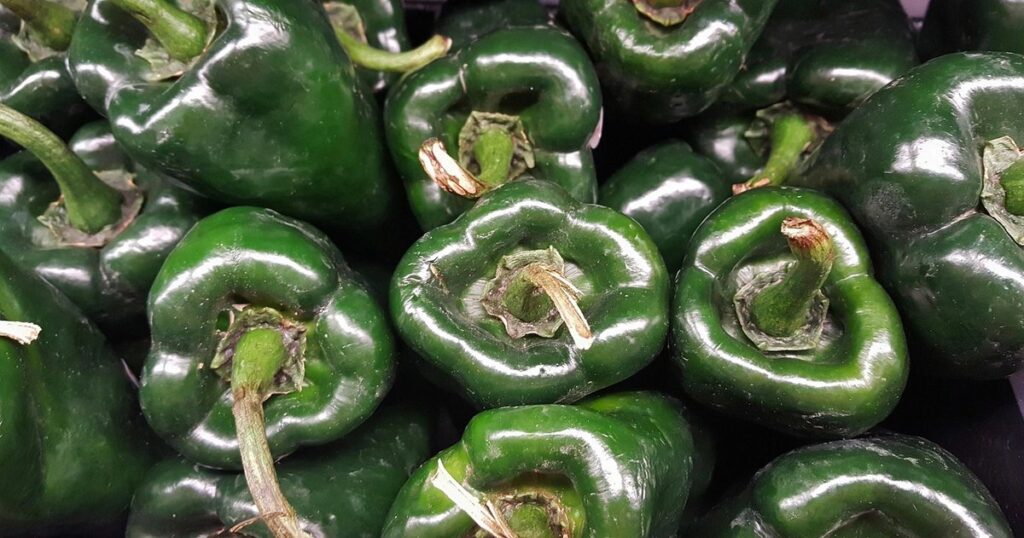
What Are Mild Green Peppers?
Let’s start by understanding what exactly a mild green pepper is, and how it differs from its more flavorful counterparts that pack a punch.
Characteristics of Mild Green Peppers
Mild green peppers are a staple ingredient in many cuisines around the world. But what exactly defines these versatile vegetables? Physically, mild green peppers typically have a glossy, dark green skin and a blocky or slightly tapered shape. They can range in size from about 4 to 7 inches long, with some varieties growing even larger.
In terms of nutrition, mild green peppers are an excellent source of vitamins A and C, as well as potassium and fiber. One cup of sliced mild green pepper contains just 49 calories, making them a low-calorie addition to your favorite dishes. They’re also incredibly versatile – use them raw in salads or sautés for added crunch, or grill or roast them to bring out their natural sweetness.
Some popular varieties of mild green peppers include the Bell Boy and California Wonder types, which are known for their sweet flavor and crunchy texture. When selecting fresh mild green peppers, look for those that are firm to the touch and have no signs of soft spots or blemishes. Store them in a cool, dry place to keep them fresh for up to 5 days.
History and Origin of Mild Green Peppers
Mild green peppers have been a staple in many cuisines for thousands of years. Originating from Central and South America, where they were first domesticated by the Incas around 6,000 BCE, these peppers quickly spread to other parts of the world through trade routes. The earliest recorded cultivation of mild green peppers was in Mexico, where they were highly valued not only for their flavor but also for their medicinal properties.
The introduction of mild green peppers to Europe is credited to Christopher Columbus on his return from the New World in 1493. These peppers quickly became a favorite among Spanish and Italian cooks, who prized them for their crunch and sweetness. Over time, farmers began to cultivate milder varieties specifically suited for European climates, leading to the development of modern mild green pepper strains.
Interestingly, even today, many mild green pepper varieties are still bred from heirloom seeds passed down through generations of farmers, reflecting a deep respect for tradition and cultural heritage in their cultivation.
Health Benefits of Eating Mild Green Peppers
Mild green peppers are not just a tasty addition to your meals, but they also offer numerous health benefits when consumed as part of a balanced diet. Let’s explore some of these advantages in more detail!
Antioxidant Properties and Anti-Inflammatory Effects
Mild green peppers are rich in antioxidants and possess anti-inflammatory properties that can contribute to improved overall health. Studies have shown that the antioxidants present in mild green peppers, particularly vitamin C and beta-carotene, can help protect against oxidative stress and cell damage.
One study published in the Journal of Agricultural and Food Chemistry found that the antioxidant activity of mild green pepper extracts was comparable to that of grape seed extract, a well-known antioxidant. Another study conducted by the University of California discovered that consuming 100 grams of raw mild green peppers per day for six weeks significantly reduced oxidative stress markers in healthy adults.
The anti-inflammatory effects of mild green peppers may also help alleviate symptoms associated with chronic conditions such as arthritis and other inflammatory diseases. The capsaicin content in mild green peppers has been shown to inhibit the production of pro-inflammatory enzymes, providing relief from pain and inflammation.
When incorporating mild green peppers into your diet, aim to consume them raw or lightly cooked to preserve their antioxidant properties. Adding sliced mild green peppers to salads, smoothies, or using them as a topping for grilled meats are all great ways to reap the benefits of these versatile vegetables.
Digestive Health and Gut Microbiome Support
Mild green peppers are not only a crunchy and versatile addition to salads and sandwiches, but they also offer a range of health benefits that extend far beyond their flavor profile. One of the key ways in which mild green peppers support digestive health is through their high fiber content. A single medium-sized green pepper contains around 2 grams of dietary fiber, making them an excellent choice for those looking to boost their daily intake.
The prebiotic properties of green peppers are another aspect of their gut-friendly benefits. Prebiotics feed the good bacteria in your gut microbiome, supporting a balanced and healthy digestive system. By incorporating green peppers into your diet, you’re providing your body with a natural source of nourishment for these beneficial microbes. For example, try snacking on raw or roasted green peppers throughout the day to reap their prebiotic rewards.
Incorporating more fiber-rich foods like mild green peppers can help alleviate symptoms of IBS and other digestive disorders by promoting regular bowel movements, satiety, and overall gut health. So go ahead, add a few sliced green peppers to your next stir-fry or salad, and give your digestive system the support it deserves!
Culinary Uses and Preparation Methods for Mild Green Peppers
You’ll learn how to bring out the natural sweetness of mild green peppers through various cooking methods, from roasting to sautéing. They’re surprisingly versatile in both raw and cooked applications!
Raw vs. Cooked: How Cooking Affects Nutrient Content
When it comes to mild green peppers, cooking can have a significant impact on their nutrient content. While both raw and cooked peppers offer numerous health benefits, the cooking process can affect the retention of certain vitamins and minerals.
Raw mild green peppers are rich in vitamin C, an essential antioxidant that plays a crucial role in immune function and collagen production. However, vitamin C is water-soluble, which means it can be lost during the cooking process, especially when peppers are boiled or steamed for extended periods. In contrast, cooked peppers retain more of their B vitamins, including folate and thiamin.
Interestingly, cooking mild green peppers can increase the bioavailability of antioxidants like carotenoids and flavonoids. These compounds become more accessible to the body when peppers are heated, making them a valuable addition to soups, stews, or stir-fries. To maximize nutrient retention, try roasting or grilling your peppers instead of boiling them. This gentle heat helps preserve vitamin C while still unlocking the benefits of cooked peppers.
Recipe Ideas and Pairing Suggestions for Mild Green Peppers
Mild green peppers are incredibly versatile, making them an excellent addition to a variety of dishes. Here are some mouth-watering recipe ideas that showcase their flavor and texture:
Try adding sliced mild green peppers to your favorite stir-fry recipes for a burst of sweetness. Their tender flesh pairs well with the crunch of bell onions, the spiciness of ginger, and the savory flavors of soy sauce.
For a refreshing twist on traditional salads, toss diced mild green peppers with cherry tomatoes, cucumber slices, crumbled feta cheese, and a drizzle of zesty balsamic vinaigrette. This colorful mix makes for a perfect side dish or light lunch.
Use mild green peppers in marinades to add depth and moisture to your grilled meats, poultry, or seafood. Simply puree the peppers with olive oil, lemon juice, garlic, and herbs like thyme or rosemary, then brush the mixture onto your protein of choice before grilling.
In addition to these ideas, you can also use mild green peppers in sauces, soups, and even as a topping for pizzas or flatbreads. Get creative and experiment with different flavor combinations to find your new favorite dish!
Growing and Preserving Mild Green Peppers at Home
If you’re looking to enjoy mild green peppers year-round, learn how to grow them in your garden and preserve them using simple techniques that save space and money. With these tips, you’ll be harvesting homegrown goodness all season long!
Tips for Successful Seed Starting and Transplanting
When starting seeds for mild green peppers indoors, it’s essential to provide them with the right conditions for optimal growth. Begin by using seed starting mix specifically designed for this purpose. Sow the seeds about ¼ inch deep and keep the soil consistently moist but not waterlogged. Most varieties of mild green peppers germinate within 7-10 days.
As the seedlings grow, they’ll need more light. Once they have two sets of leaves, transplant them into larger pots or cell trays to give their roots room to expand. Make sure the new containers are well-draining and provide sufficient space for air circulation to prevent fungal diseases.
When it’s time to transplant your seedlings outdoors, choose a location with full sun and warm temperatures above 65°F (18°C). Harden off the plants by gradually exposing them to outdoor conditions over the course of 7-10 days. This will help prevent shock from sudden changes in light, temperature, or wind.
Transplant seedlings when they’re about 6-8 inches tall, and space them at least 12-18 inches apart to allow for proper air circulation and growth. By following these steps, you’ll be well on your way to growing healthy and productive mild green pepper plants that will thrive in your garden or container.
Methods for Freezing, Drying, or Pickling Mild Green Peppers
Preserving mild green peppers is an excellent way to enjoy their flavor and nutritional benefits year-round. There are several methods for preserving these versatile vegetables, allowing you to choose the one that suits your needs best.
Freezing is a convenient method for preserving mild green peppers. To freeze them, simply chop or slice the peppers, blanch them in boiling water for 2-3 minutes, then submerge them in an ice bath to stop the cooking process. Place the frozen peppers in airtight containers or freezer bags and store them in the freezer for up to 8 months.
Drying is another method that helps preserve mild green peppers. You can dry them using a food dehydrator or by placing sliced peppers in a single layer on a baking sheet and putting it in a low-temperature oven (150°F – 200°F). Once dried, store the pepper strips in airtight containers for up to 6 months.
Pickling is a popular method for preserving mild green peppers. Slice the peppers thinly and soak them in a brine solution made from vinegar, salt, and spices for at least 24 hours. Store the pickled peppers in the refrigerator for up to 2 weeks.
Canning is also an effective way to preserve mild green peppers. Use a pressure canner or a water bath canner to sterilize and seal the jars. Once sealed, store the canned peppers in a cool, dark place for up to 12 months.
Nutritional Comparison: Mild Green Peppers vs. Other Bell Pepper Varieties
Let’s take a closer look at how mild green peppers compare to other popular bell pepper varieties in terms of nutritional value and calorie count, shall we?
Overview of the Vitamin and Mineral Content in Different Bell Peppers
Bell peppers are a nutrient-dense food that comes in an array of colors, each with its unique vitamin and mineral profile. When it comes to vitamins, red bell peppers contain more lycopene than their green counterparts, but mild green peppers still provide a significant amount. In contrast, orange and yellow bell peppers have higher levels of beta-carotene and xanthophylls due to the greater carotenoid content.
The differences in mineral content among bell pepper varieties are also noteworthy. Red bell peppers have higher levels of manganese than mild green peppers, but only slightly so. On the other hand, red bell peppers contain more potassium than any other variety, making them a great choice for those looking to boost their electrolyte intake.
Interestingly, some studies suggest that cooking can enhance the bioavailability of certain nutrients in bell peppers. For example, heating bell peppers has been shown to increase the release of antioxidants like carotenoids and flavonoids. As a general rule, eating bell peppers raw is not inherently better than cooking them – it’s all about balance and variety. Try incorporating a mix of raw and cooked bell peppers into your meals for maximum nutritional benefit.
Implications for Meal Planning and Healthy Eating
Incorporating more mild green peppers into your diet can significantly contribute to a balanced nutrient intake and overall health goals. These peppers are rich in vitamins A and C, potassium, and antioxidants, making them an excellent addition to a healthy meal plan.
One of the primary benefits of eating mild green peppers is their high water content, which can help with weight management and hydration. A single cup of sliced mild green pepper contains only 49 calories, making it an ideal snack for those watching their calorie intake.
To reap the nutritional benefits of mild green peppers, focus on incorporating them into your meals in a variety of ways. Add them to salads, sandwiches, or wraps for a burst of flavor and nutrition. Grill or sauté them as a side dish or use them as a topping for lean proteins like chicken or fish. Aim to include at least one serving of mild green peppers per day to support your health goals.
By making mild green peppers a staple in your diet, you can easily boost your nutrient intake and make progress towards a healthier lifestyle.
Conclusion: Making the Most of Mild Green Peppers in Your Diet
As we’ve explored throughout this post, mild green peppers are an incredibly versatile and nutritious addition to any meal. By now, you’re probably excited to start incorporating them into your diet in a variety of ways. To make the most of these wonderful veggies, consider experimenting with different cooking methods – roasting, sautéing, or grilling can bring out their natural sweetness and depth of flavor.
Incorporate sliced green peppers into sandwiches, salads, and pasta dishes for an added crunch and burst of vitamins. You could also try pickling them to add a tangy kick to your favorite snacks. With so many possibilities at your fingertips, the key is to have fun and get creative with mild green peppers in the kitchen. By doing so, you’ll be well on your way to reaping their numerous health benefits and enjoying a more flavorful, balanced diet.
Frequently Asked Questions
How do I store mild green peppers to maintain their crunch and flavor?
To keep your mild green peppers fresh, store them in the refrigerator with the stem end facing up to allow moisture to escape. Use a breathable bag or container to prevent moisture buildup, and consume within 5-7 days. For longer storage, consider freezing or pickling.
Can I grow mild green peppers from seeds if I have limited garden space?
Yes, you can successfully grow mild green peppers from seeds in containers or small gardens. Choose a variety that’s compact or bush-type to save space. Follow the seed starting and transplanting tips mentioned earlier for optimal growth.
How do I prepare mild green peppers for raw consumption, and what are some healthy dip options?
For raw use, slice or chop mild green peppers into desired sizes, then rinse with cold water to remove any dirt or bacteria. Some healthy dip options include hummus, guacamole, or a Greek yogurt-based ranch dressing. You can also pair them with olive oil, salt, and pepper for a simple yet flavorful snack.
Can I use mild green peppers in cooked meals beyond stir-fries and sautéing?
Absolutely! Mild green peppers add flavor to soups, stews, casseroles, and roasted vegetables. Simply chop or slice them according to the recipe’s instructions, then cook as directed. You can also stuff them with cheese, meat, or rice for a flavorful main dish.
How do I know if my mild green peppers are ripe and ready for harvest?
Check the color, firmness, and size of your mild green peppers regularly. When they reach their full color (usually dark green), are slightly tender to the touch, and about 6-8 inches long, they’re typically ready to harvest. Avoid over-maturity, as this can affect flavor and texture.
Can I use mild green peppers in place of other bell pepper varieties in recipes?
While similar, different bell pepper varieties have unique flavor profiles. Mild green peppers are sweeter and less bitter than some other types. If a recipe calls for another variety, you may need to adjust seasoning or cooking time accordingly. However, mild green peppers work well as a general substitute in many cases.