
As you navigate the world around you, have you ever stopped to think about the incredible power of useful plants? These unsung heroes are more than just pretty faces – they’re packed with medicinal properties, delicious flavors, and practical applications that can revolutionize your life. From soothing ailments to nourishing your body and earth, useful plants like aloe vera, turmeric, and basil have been relied upon for centuries. But their uses go far beyond medicine and cooking; these remarkable plants also hold the key to creating a more sustainable future. In this article, we’ll delve into the incredible versatility of useful plants, exploring their applications in medicine, food, household, and environmental contexts, and reveal how harnessing their power can lead to a healthier you and a healthier planet.
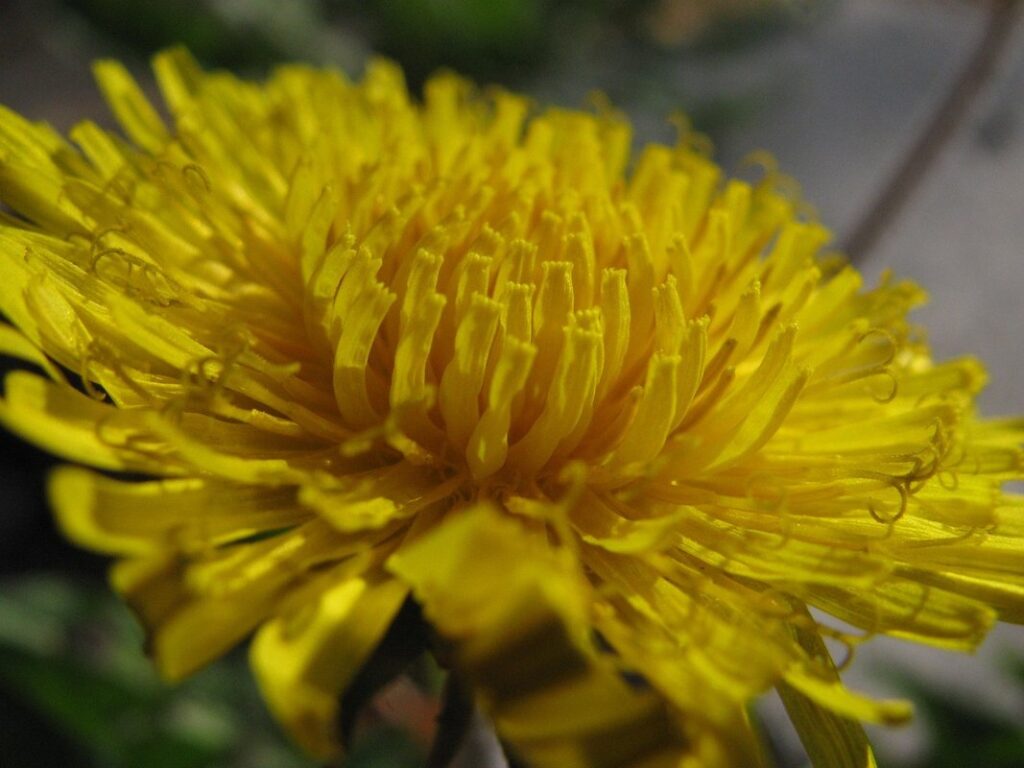
Introduction to Useful Plants
Let’s start exploring the wonderful world of useful plants, which have been providing essential benefits for people and the environment for centuries already.
What are Useful Plants?
Useful plants are those that have a significant impact on our daily lives, providing benefits that range from physical health to economic stability. They can be used as medicine, food, fuel, and even building materials, making them essential for human survival and well-being.
In reality, we use useful plants every day without even realizing it. For example, did you know that the majority of medicines are derived from plants? Aspirin, for instance, is made from willow bark, which contains salicylic acid. Similarly, many foods like coffee, tea, and chocolate come from plants that have been cultivated for centuries.
In addition to their practical uses, useful plants also play a vital role in supporting local economies. In some communities, people rely on plant-based products as a source of income, creating jobs and stimulating economic growth. For instance, the cultivation of medicinal herbs like ginseng and echinacea has become a significant industry in many countries.
Ultimately, understanding what useful plants are and their importance can inspire us to explore new ways to utilize these natural resources.
History of Utilizing Plants for Human Benefit
Humans have been harnessing the power of plants for thousands of years, with evidence suggesting that early civilizations used plant-based remedies to treat illnesses and injuries. In ancient China, for example, medicinal plants like ginseng and licorice root were used to cure various ailments, while in Egypt, people relied on papyrus and other plant fibers to create medicine, clothing, and even paper.
As civilizations evolved, so did the use of plants for human benefit. The ancient Greeks and Romans adopted many of these practices, using plants like opium poppy and mandrake root for pain relief and sedation. In traditional Indian Ayurvedic medicine, plants like turmeric and ginger are still used today to treat a range of conditions.
From food to medicine, the use of plants has been an integral part of human history. Not only have they provided sustenance and nourishment, but also protected us from disease and injury. By understanding how our ancestors utilized plant-based remedies, we can appreciate the rich heritage behind modern herbalism and continue to explore the vast potential of these incredible organisms.
Medicinal Properties of Useful Plants
Let’s take a closer look at some incredibly versatile and potent plants that have been used for centuries to cure everything from skin irritations to serious ailments. You’ll be surprised by what’s hiding in your backyard!
Herbaceous Medicines: A Look at Herbs Like Turmeric and Ginger
When it comes to harnessing the medicinal properties of plants, few herbs have garnered as much attention as turmeric and ginger. These two spices have been staples in traditional medicine for centuries, offering a wealth of benefits that extend far beyond their culinary uses.
Turmeric, with its vibrant yellow color, contains a powerful compound called curcumin, which has potent anti-inflammatory and antioxidant properties. Studies have shown that curcumin can help reduce joint pain and inflammation, making it an effective natural remedy for conditions like arthritis. To reap the benefits of turmeric, try incorporating it into your meals as a spice or make a tea by steeping 1 teaspoon of turmeric powder in hot water.
Ginger, on the other hand, has been used to alleviate nausea and digestive issues for centuries. Its active compound, gingerol, has anti-inflammatory properties that can help soothe stomach discomfort and even reduce pain. You can enjoy ginger’s medicinal benefits by making a tea by steeping fresh ginger slices in hot water or by adding it to your meals as a spice.
When using these herbs medicinally, be sure to consume them in moderation and consult with a healthcare professional if you have any underlying health conditions. By incorporating turmeric and ginger into your diet, you can tap into their incredible medicinal properties and reap the rewards of natural healing.
Plant-Based Remedies for Common Health Issues
When it comes to using plants for medicinal purposes, there are several remedies that have been used for centuries to treat common health issues. Aloe vera, for instance, is a popular plant-based remedy for skin conditions such as sunburns and eczema. The gel extracted from its leaves has anti-inflammatory properties that can soothe irritated skin and promote wound healing.
Chamomile, another well-known herb, is often used to treat anxiety and insomnia. Its calming effects can be attributed to the presence of apigenin, an antioxidant that binds to GABA receptors in the brain, promoting relaxation and reducing stress levels. To use chamomile as a sleep aid, steep one teaspoon of dried flowers in hot water for five minutes, then strain and drink before bedtime.
Echinacea is also a popular remedy for colds and flu. This plant has immunomodulatory properties that can stimulate the production of white blood cells, helping to fight off infections more effectively. To boost your immune system, consume echinacea tea or supplements according to package instructions. It’s essential to note that while these remedies have been used historically, it’s always recommended to consult with a healthcare professional before using them as a substitute for medical treatment.
Edible Useful Plants: A Guide to Foraging and Cooking
Whether you’re a seasoned forager or just starting out, this guide will walk you through how to identify, harvest, and cook with edible useful plants that are safe to consume.
Identifying Safe Edibles in the Wild
When foraging for edible plants in the wild, it’s essential to identify them correctly to avoid accidental poisoning. Start by researching the plant you’re interested in and familiarizing yourself with its appearance, habitat, and characteristics. When it comes to wild mushrooms, look for features like gills or pores on the underside of the cap, as well as the shape and size of the cap itself.
Berries are often easier to identify, but still require attention to detail. For example, wild strawberries have three leaflets that resemble a clover, while poison ivy has leaves with five pointed lobes. When it comes to greens like dandelion or chicory, look for bitter flavors and textures that are distinct from other plants.
To ensure safe identification, consult multiple field guides and expert opinions before trying any new plant. Take notes on the characteristics you observe and compare them to your research. Be aware of the seasonality of plants, as some may be toxic at certain times or in different environments. By exercising caution and attention to detail, you can safely enjoy wild edibles while minimizing risks.
Incorporating Foraged Ingredients into Your Diet
Incorporating foraged ingredients into your diet can be as simple as substituting common greens like lettuce and spinach with wild alternatives. For example, dandelion greens have a slightly bitter taste similar to kale and can be used in salads, sautés, or added to soups. Plantain leaves are another great option, offering a neutral flavor that works well in dishes where you want a delicate herbaceous note.
When it comes to soups, try using wild onions like ramps or scallions for an added depth of flavor. These can be used just as you would regular onions, and their slightly sweet taste pairs well with many ingredients. Consider adding burdock root to your stews and braises; its earthy sweetness is a great complement to meatier flavors.
Some key things to remember when working with foraged ingredients are to properly identify them before use and be mindful of quantities. A little goes a long way, as wild flavors can quickly overpower dishes.
Household Uses of Useful Plants
From pest control to natural remedies, many useful plants can be easily integrated into your daily household routines. Let’s explore their practical applications at home.
Natural Cleaning Agents: Using Plants like Lemon Balm and Eucalyptus
When it comes to natural cleaning agents, few plants are as effective as lemon balm and eucalyptus. These versatile herbs not only add a refreshing twist to your cooking but also make great additions to your household cleaning arsenal.
Lemon balm, with its citrusy scent and antiseptic properties, is an excellent natural air freshener. Simply boil a few sprigs of lemon balm in water to create a fragrant steam that will leave your home smelling clean and fresh. You can also mix dried lemon balm leaves with baking soda to create a gentle scrub for surfaces like countertops and sinks.
Eucalyptus, on the other hand, is renowned for its decongestant properties, making it an excellent natural disinfectant. Use eucalyptus essential oil in a spray bottle with water to create a natural all-purpose cleaner that can tackle everything from kitchen counters to bathroom mirrors. You can also add a few sprigs of fresh eucalyptus to your laundry detergent for a refreshing and deodorizing effect.
By incorporating these plants into your cleaning routine, you’ll not only be reducing your exposure to harsh chemicals but also enjoying the benefits of their natural antibacterial and antiviral properties. So go ahead, get creative, and give your home the green thumbs-up with lemon balm and eucalyptus!
Pest Control with Plant-Based Solutions
When it comes to keeping pests at bay, many of us reach for chemical-based solutions. However, these can be harsh on our health and the environment. Fortunately, there are numerous plant-based options that can repel unwanted critters without the risks associated with synthetic chemicals.
Some of the most effective plants for pest control include citronella, lemongrass, and lavender. These natural wonders have been shown to repel mosquitoes, flies, and other biting insects, making them perfect for outdoor spaces like patios and decks. For example, a study found that citronella oil can reduce mosquito populations by up to 80%.
But plants aren’t just useful against flying pests – they can also deter rodents and other small mammals. Planting certain herbs like mint, basil, and rosemary around the perimeter of your home or garden can help keep these unwanted visitors away. These pungent plants are particularly effective at repelling rodents because their strong scents interfere with the animals’ ability to detect food.
To use plants for pest control, try incorporating them into your outdoor space through planters, pots, or even a DIY herb garden. Simply place them in areas where pests tend to congregate, and enjoy the benefits of a chemical-free solution.
Environmental Benefits of Useful Plants
From air-purifying spider plants to drought-resistant succulents, useful plants offer a range of benefits for our environment. Let’s dive into some of their most notable advantages.
How Trees Can Help Combat Climate Change
Trees are some of the most effective tools we have in combating climate change. One way they do this is through carbon sequestration – a process by which trees absorb carbon dioxide from the atmosphere and store it in their trunks, branches, and roots. In fact, forests are responsible for producing 28% of the world’s oxygen and absorbing 30% of its carbon emissions.
But trees don’t just help combat climate change through carbon sequestration – they also improve air quality by releasing oxygen and filtering pollutants from the atmosphere. Studies have shown that urban areas with more green spaces tend to have lower levels of particulate matter and other pollutants, leading to improved respiratory health for residents.
To make the most of this benefit, consider planting trees in your community or incorporating them into your landscaping. Not only will they provide a natural air purification system, but they’ll also boost property values and create habitats for local wildlife.
Supporting Biodiversity with Native Plant Species
Preserving native plant species is crucial for maintaining ecosystem health and biodiversity. When we talk about useful plants, it’s essential to recognize that these species play a vital role in supporting local ecosystems. By incorporating native plant species into our gardens or landscapes, we can create habitats that support the local wildlife.
Native plants have co-evolved with the native fauna over thousands of years, providing them with food, shelter, and breeding grounds. For example, native pollinators like bees and butterflies are attracted to native flowers, which in turn help to pollinate these plants. By planting native species, we can create a self-sustaining ecosystem that requires minimal maintenance.
To incorporate native plant species into your garden or landscape, start by researching the types of plants that are native to your region. Consider factors like soil type, sunlight, and moisture levels when selecting plants. You can also consult with local nurseries or gardening experts for guidance on choosing native species that will thrive in your specific environment. By doing so, you’ll not only support biodiversity but also create a beautiful and resilient ecosystem that brings long-term benefits to the environment.
Cultivating Useful Plants: Tips and Tricks for Home Gardeners
As a home gardener, you’re likely looking to grow more than just beautiful flowers or delicious fruits. We’ll share our top tips on cultivating useful plants that can save you time and money in your garden.
Choosing the Right Plant Variety for Your Needs
When selecting a useful plant for your home garden, it’s essential to consider two critical factors: climate and space. If you live in an area with harsh winters or scorching summers, choose plants that are tolerant of extreme temperatures and can thrive in conditions such as drought or frost.
For instance, if you have limited space, opt for compact varieties like dwarf citrus trees, herbs like mint or rosemary, or leafy greens like kale or spinach. These plants require minimal maintenance and can be grown in containers, making them perfect for small balconies or patios.
Consider your region’s climate zone when selecting plants that are native to your area or have similar growing requirements. For example, if you live in a coastal region with high humidity, choose plants like bamboo or ferns that prefer moist environments.
Before making a final decision, assess the mature size of the plant and ensure it fits within your available space. By taking these factors into account, you can enjoy a thriving and productive home garden that meets your specific needs and provides valuable benefits for years to come.
Best Practices for Growing and Harvesting Medicinal Herbs
When it comes to growing medicinal herbs, proper care and handling are crucial for maximizing their potency and effectiveness. To start, choose a spot with plenty of sunlight and well-draining soil that is rich in organic matter. Most medicinal herbs require at least 6 hours of direct sunlight per day, so consider pruning nearby trees or shrubs to allow more light to reach your plants.
When harvesting, use scissors or pinch off individual leaves to avoid damaging the stems. Cut back tall herbs like echinacea and mint after they’ve flowered to encourage new growth. For leafy herbs like basil and chamomile, harvest the leaves in the morning when they’re at their highest oil content.
To dry your harvested herbs, spread them out in a single layer on a paper bag or tray and allow air circulation. This can be done by tying the stems together with twine and hanging them upside down in a warm, dark place. Alternatively, use a dehydrator or oven set to its lowest temperature setting to speed up the process.
To preserve dried herbs, store them in airtight containers away from direct sunlight and moisture. Keep your harvests fresh for longer by freezing or making herbal teas and tinctures that can be stored in the fridge. By following these simple steps, you’ll be able to enjoy the medicinal benefits of your homegrown herbs all year round.
Conclusion: Harnessing the Power of Useful Plants
As we wrap up our journey through the wonderful world of useful plants, let’s explore how to harness their power and make them a part of your daily life. We’ll discuss practical ways to incorporate these plants into your routine.
Recap of Key Takeaways from the Article
As we conclude our exploration of useful plants, let’s take a moment to reflect on the key takeaways from this article. We’ve delved into the incredible benefits and uses of these remarkable organisms, and it’s clear that they have the potential to revolutionize various aspects of our lives.
One of the most significant advantages of useful plants is their versatility. From medicinal properties to food sources, air purification, and even natural pest control, these plants can adapt to a wide range of needs. Take, for instance, the Aloe Vera plant, which not only soothes burns but also has antibacterial properties that promote skin health. Similarly, the Calendula flower has been used for centuries in traditional medicine to treat wounds and skin conditions.
In addition to their practical uses, useful plants have also shown great potential in addressing global challenges such as climate change. For example, the mangrove tree helps protect coastlines from erosion, while its roots even absorb excess carbon dioxide. On a smaller scale, indoor plants like Spider Plants can help purify the air and improve air quality in our living spaces.
To maximize the benefits of useful plants, consider incorporating them into your daily life. Start by selecting a few easy-to-grow species for your garden or indoor space. Experiment with new recipes using herbs and edible flowers. Research local communities that utilize useful plants for sustainable purposes, such as medicinal programs or environmental conservation initiatives.
By embracing the potential of useful plants, we can tap into their power to create positive change in our lives and in the world around us.
Frequently Asked Questions
Can I use any plant as a medicinal herb, or are there certain precautions to take?
When using plants for medicinal purposes, it’s essential to identify the specific plant correctly and research its safety and efficacy. Some plants can be toxic or cause allergic reactions if not used properly. Always consult with a medical professional or a qualified herbalist before using a new medicinal plant.
How do I know which useful plants are suitable for my climate and region?
Different regions have unique climates, soil types, and pest pressures that may affect the growth and usability of certain plants. Research local flora and talk to experts in your area to determine which useful plants will thrive in your environment. You can also consult with nurseries or gardening clubs for advice on plant selection.
What are some common household uses for useful plants besides cooking and medicine?
Useful plants have a wide range of applications beyond the kitchen and pharmacy. For example, certain plants like lavender and lemon balm make excellent natural cleaning agents, while others like mint and basil can be used as pest control or air fresheners. Experiment with different plant-based solutions to find what works best for you.
Can I grow useful plants indoors, even without a large garden space?
Yes, many useful plants can thrive in indoor conditions, provided they receive adequate light and care. Consider using pots or containers to grow herbs like basil, mint, and parsley on your windowsill or balcony. Some plants, like aloe vera and spider plants, are low-maintenance and perfect for indoor spaces.
How do I ensure the sustainability of my useful plant supply, especially when foraging in the wild?
When foraging for wild plants, it’s crucial to practice responsible harvesting techniques to avoid damaging the ecosystem or depleting plant populations. Set a sustainable quota for yourself, avoid over-harvesting, and consider replanting seeds or cuttings from your harvested plants to maintain the health of local ecosystems.