
Are you tired of using plain old garlic in your cooking? Want to unlock its true potential and reap even more health benefits? You’re in luck because sprouted garlic is here, and it’s about to revolutionize the way we cook with this kitchen staple. When garlic is allowed to sprout, its bioavailability increases, making its nutrients more accessible to our bodies. This means you can enjoy not only the flavor but also the numerous health benefits of reduced inflammation, antioxidant properties, and boosted immunity. In this article, we’ll dive into the uses and benefits of sprouted garlic, share tips on how to prepare it, and provide you with some delicious recipe ideas that will make you wonder why you ever used regular garlic in the first place.
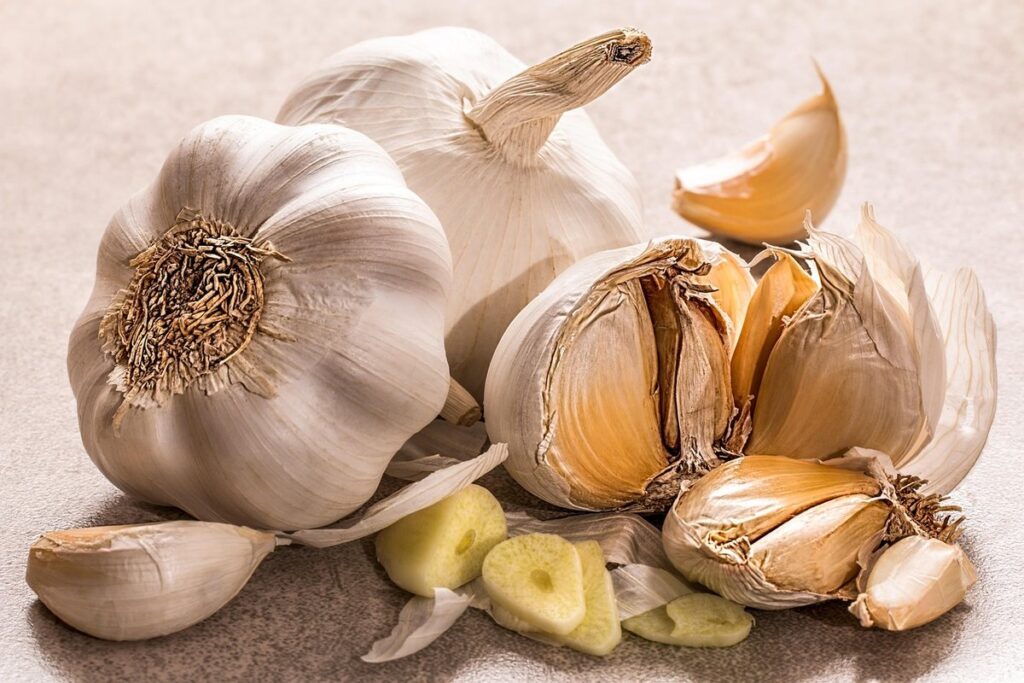
What is Sprouted Garlic?
Let’s dive into what sprouted garlic is and how it differs from regular garlic, a crucial understanding for making the most of its unique benefits.
The Sprouting Process
Sprouting garlic is a simple yet intentional process that involves exposing whole cloves to moisture and controlled temperatures. This allows the natural enzymes within the garlic to break down and convert into beneficial compounds like allicin, which is responsible for its pungency and medicinal properties.
The steps involved in sprouting garlic include selecting high-quality bulbs with at least three usable cloves each, preparing a warm and humid environment, and allowing the cloves to germinate over several days. It’s essential to monitor the temperature, usually between 70°F to 85°F (21°C to 30°C), as this encourages optimal growth.
By using the sprouting process, you can unlock the full potential of your garlic, making it more palatable and nutritious than raw or cooked varieties. The resulting product has a milder flavor profile yet retains its therapeutic benefits. To incorporate sprouted garlic into your recipes, simply chop or crush the cloves as needed.
Nutritional Comparison with Regular Garlic
When it comes to sprouted garlic versus regular garlic, one of the most significant differences lies in their nutritional content. Sprouted garlic is essentially a more mature version of regular garlic, with its nutrients amplified through the sprouting process.
In terms of vitamins and minerals, sprouted garlic contains higher amounts of vitamin C, potassium, and fiber compared to regular garlic. According to a study published in the Journal of Food Science, sprouted garlic was found to have 3-4 times more bioavailable antioxidants than regular garlic. This is because the sprouting process activates enzymes that break down compounds, making them easier for the body to absorb.
The increase in nutrient levels isn’t limited to vitamins and minerals; sprouted garlic also contains higher levels of polyphenols, a type of antioxidant linked to numerous health benefits. With its enhanced nutritional profile, sprouted garlic can be used as an even more potent ingredient in your cooking, providing you with added immune-boosting properties and potential disease prevention.
When substituting regular garlic for sprouted garlic in recipes, note that the flavor may be slightly milder due to the increased water content. However, this doesn’t mean it won’t pack a punch – it’s just a subtle difference worth adjusting to in your cooking.
Benefits of Using Sprouted Garlic
Sprouted garlic offers a multitude of advantages over its non-sprouted counterpart, including enhanced nutritional value and easier digestion. Let’s dive into the benefits you can expect.
Enhanced Bioavailability
When you sprout garlic, the process triggers an increase in the bioavailability of its active compounds. This is because sprouting breaks down some of the cell walls that encase these compounds, making them more easily accessible to our bodies.
In particular, sprouting can significantly boost the levels of allicin, a potent compound responsible for many of garlic’s health benefits. Allicin is converted into other beneficial compounds like allyl sulfide and diallyl disulfide during the sprouting process. These compounds have been shown to exhibit anti-inflammatory, antioxidant, and antimicrobial properties.
The enhanced bioavailability of sprouted garlic also means that its active compounds are more readily absorbed by the body. Studies suggest that sprouted garlic can be up to 5-7 times more effective at improving cardiovascular health than raw, non-sprouted garlic.
To get the most out of your sprouted garlic, try incorporating it into your cooking in a way that minimizes heat damage and preserves its delicate compounds. For example, sprinkle minced sprouted garlic over salads or roasted vegetables just before serving to ensure maximum flavor and nutrition.
Increased Antioxidant Properties
When garlic sprouts, its antioxidant levels increase significantly. This process enhances the production of enzymes that protect against cell damage and free radicals. The antioxidants present in sprouted garlic are primarily water-soluble compounds like allicin and allixin. These potent molecules exhibit excellent free radical scavenging abilities.
Research suggests that sprouting can boost antioxidant activity by up to 30% compared to regular, non-sprouted garlic. This heightened antioxidant content may contribute to a lower risk of chronic diseases such as heart disease, cancer, and neurodegenerative disorders.
To reap the benefits of increased antioxidant properties in sprouted garlic, it’s essential to consume it raw or lightly cooked to preserve its delicate enzymes. Cooking can destroy these sensitive compounds, thereby reducing their potency.
When incorporating sprouted garlic into your diet, be sure to use it liberally – a small amount goes a long way due to its concentrated flavor and nutritional benefits.
Potential Health Benefits
Consuming sprouted garlic can have a significant impact on overall health and wellbeing. Research suggests that it may help reduce inflammation, which is a key contributor to many chronic diseases. Sprouted garlic contains a high concentration of antioxidants, including allicin, which has potent anti-inflammatory properties. Studies have shown that consuming garlic in its sprouted form can lead to a reduction in C-reactive protein (CRP) levels, a marker for inflammation.
In addition to reducing inflammation, sprouted garlic may also help improve cardiovascular health. The high levels of potassium and fiber found in sprouted garlic can help lower blood pressure and cholesterol levels, respectively. This is especially beneficial for individuals at risk of heart disease or those who are already experiencing cardiovascular issues. Furthermore, the antioxidants present in sprouted garlic can help protect against cell damage and oxidative stress, which can contribute to cardiovascular disease.
To incorporate sprouted garlic into your diet, simply substitute it for regular garlic in recipes or add it to soups, salads, and sauces. Start with small amounts and gradually increase as needed to allow your body to adjust to the increased potency of sprouted garlic.
Preparing and Cooking Sprouted Garlic
Now that you’ve sprouted your garlic, it’s time to get cooking! This next step will guide you through safely preparing and cooking with your newly sprouted bulbs.
Storage and Handling
When working with sprouted garlic, it’s essential to store and handle it properly to maintain its nutritional value and flavor. First, make sure you’re storing the sprouted bulbs in a breathable container, such as a paper bag or mesh bag. This allows for airflow and helps prevent moisture buildup, which can lead to mold or rot.
Avoid storing sprouted garlic in airtight containers like plastic bags or glass jars with tight-fitting lids. You should also keep them away from direct sunlight and heat sources, as this can cause the sprouts to continue growing too aggressively. Instead, store them in a cool, dry place at room temperature.
When handling sprouted garlic, be gentle to avoid damaging the delicate bulbs. Trim any long or damaged roots before storing to prevent moisture accumulation. You can also refrigerate the bulbs for longer storage, but make sure they’re not touching each other, as this can cause bruising and spoilage.
Cooking Methods
When it comes to cooking with sprouted garlic, you have several methods at your disposal. One of the most flavorful ways to prepare it is by roasting. To do this, simply slice the sprouted garlic thinly and toss it with olive oil, salt, and any other desired herbs or spices. Spread the mixture on a baking sheet and roast in a preheated oven at 400°F (200°C) for about 20-25 minutes, or until tender and caramelized.
Sautéing is another effective way to bring out the natural sweetness of sprouted garlic. To sauté, heat some oil in a pan over medium-low heat, then add the sliced garlic and cook for about 10-15 minutes, stirring occasionally. You can also add aromatics like onions or shallots to create a rich and savory sauce.
For those who enjoy grilling, you can certainly use sprouted garlic as an added layer of flavor. Simply brush the slices with oil and grill over medium heat for about 5-7 minutes per side, or until tender and slightly charred. This method is especially well-suited to outdoor gatherings or BBQs.
Tips for Maximizing Flavor
When working with sprouted garlic, it’s essential to remember that its flavor profile is often more intense than regular garlic. This makes it perfect for adding depth and complexity to a variety of dishes. To maximize the flavor potential of sprouted garlic, consider the following tips.
Start by using the sprouted bulbs in small amounts, as they can quickly overpower other ingredients. You may find that you prefer the flavor of sprouted garlic when used in combination with other aromatics like onions or shallots. This will help balance out the strong taste and create a more well-rounded flavor profile.
Another tip for maximizing flavor is to let the sprouted garlic sit at room temperature for about 30 minutes before using it. This allows the enzymes to break down further, releasing even more of its natural oils and flavor compounds into the air.
When cooking with sprouted garlic, be mindful of the heat level you’re applying. High heat can cause the delicate flavors to burn off quickly, so aim for medium-low temperatures instead. This will help preserve the depth and richness of the sprouted garlic’s flavor.
Lastly, don’t be afraid to experiment with different types of dishes when working with sprouted garlic. Its unique flavor profile makes it an excellent addition to everything from sauces and marinades to roasted vegetables and soups.
Using Sprouted Garlic in Different Recipes
Sprouted garlic can add depth and nutrition to a wide range of dishes, from savory stir-fries to flavorful sauces. Let’s explore some delicious ways to incorporate it into your cooking.
Incorporating into Meals
Incorporating sprouted garlic into your meals is easier than you think. Start by using it as a flavorful addition to soups and stews. A pinch of sprouted garlic can elevate the flavor of a simple vegetable soup or add depth to a rich beef stew. Simply sauté the sprouted garlic in olive oil until fragrant, then add it to your pot along with your other ingredients.
Sprouted garlic is also a great addition to salads. Finely chop the sprouts and toss them with mixed greens, cherry tomatoes, and a homemade vinaigrette for a quick and easy side dish. You can also use sprouted garlic as a topping for sandwiches or as a flavor booster in dips like hummus.
For a more substantial meal, try adding sprouted garlic to your stir-fries. Stir-fry sliced vegetables with some oil, then add minced sprouted garlic towards the end of cooking. This will allow the flavors to meld together without becoming bitter. Experiment with different combinations to find your favorite way to use sprouted garlic in everyday meals.
Traditional and Cultural Uses
Sprouted garlic has been used for centuries in various traditional and cultural practices around the world. In many Asian cuisines, it’s a staple ingredient in stir-fries and braises, where its pungency is believed to add medicinal properties. For example, in Chinese cooking, sprouted garlic is often paired with ginger to create a marinade for meat or vegetables, enhancing their digestibility.
In Indian cuisine, sprouted garlic is used to make a variety of dishes, including curries and chutneys. It’s also a key ingredient in traditional Ayurvedic medicine, where it’s valued for its supposed ability to reduce inflammation and improve circulation. Similarly, in Korean cooking, sprouted garlic is used to make a fermented paste called “buchu-jeot”, which adds depth of flavor to soups and stews.
When incorporating sprouted garlic into your recipes, start by sautéing it with other aromatics like ginger or onions to bring out its full flavor. You can also add it towards the end of cooking time, as its strong aroma can quickly overpower delicate flavors. Experiment with different cuisines and recipes to discover new ways to use this versatile ingredient.
Potential Drawbacks and Precautions
Before you start experimenting with sprouted garlic, it’s essential to consider some potential drawbacks that might impact your cooking results. We’ll explore these points in more detail here.
Allergic Reactions
Sprouted garlic can be a nutritious and delicious addition to your meals, but it’s essential to consider potential allergic reactions or sensitivities. Some people may experience adverse effects due to their immune system reacting to the increased enzyme activity that occurs during sprouting.
Common symptoms of an allergic reaction to sprouted garlic include hives, itching, swelling, stomach cramps, diarrhea, and difficulty breathing. In severe cases, anaphylaxis can occur, which requires immediate medical attention. If you experience any of these symptoms after consuming sprouted garlic, consult a healthcare professional for guidance.
If you suspect you’re sensitive to sprouted garlic, start by introducing it in small amounts to monitor your body’s response. Some people may find that they can tolerate cooked sprouted garlic better than raw. Consider trying roasted or sautéed sprouted garlic instead of consuming it raw. Always prioritize caution and take necessary precautions when experimenting with new foods.
It’s also worth noting that individuals with pre-existing conditions, such as celiac disease or IBS (Irritable Bowel Syndrome), may need to be more cautious when consuming sprouted garlic due to the potential for increased enzyme activity.
Interaction with Medications
When using sprouted garlic, it’s essential to be aware of its potential interactions with certain medications. Sprouted garlic contains a higher concentration of active compounds like allicin, which can enhance the effects of blood thinners such as warfarin, aspirin, and clopidogrel.
This increased risk of bleeding can lead to serious complications, especially for people taking anticoagulant medications. For instance, if you’re on warfarin, consuming large amounts of sprouted garlic may require adjustments to your medication dosage to prevent excessive bleeding.
To use sprouted garlic safely while on medications, follow these guidelines: consult with your healthcare provider before adding it to your diet. Discuss the amount and frequency of consumption, as well as any potential interactions with your medications.
Be cautious when consuming sprouted garlic if you’re taking blood pressure medications or diabetes medications. While sprouted garlic may not directly interact with these medications, its high fiber content can lower blood sugar levels, making diabetes management more challenging.
Monitor your body’s response to sprouted garlic and adjust your intake accordingly. If you experience any unusual side effects or bleeding issues, discontinue use and consult with your healthcare provider.
Pesticide Residues
When using sprouted garlic, one potential drawback to consider is pesticide residues. While organic options are available, many conventional garlic bulbs may contain residues from pesticides and fungicides used during cultivation.
Pesticide residues can vary depending on factors like soil quality, climate, and agricultural practices. According to a 2020 study by the USDA’s Pesticide Data Program, nearly 20% of domestic garlic samples contained detectable levels of pesticide residues. The most common detected chemicals were organophosphates (21%) and pyrethroids (14%).
To minimize exposure to pesticide residues when using sprouted garlic:
* Opt for organic or locally grown options whenever possible.
* Wash the garlic thoroughly under cold running water before use.
* Peel the sprouts if you’re concerned about residue accumulation on the surface.
* Consider soaking the garlic in a mixture of 1 tablespoon lemon juice and 2 cups water to help break down any remaining chemicals.
Conclusion
As we’ve explored the world of sprouted garlic, it’s time to summarize our findings and provide a final take on incorporating this nutrient-rich ingredient into your cooking. Let’s review what we’ve learned so far.
Recap of Key Points
In conclusion to our exploration of using sprouted garlic, let’s recap some key points. Sprouted garlic offers several benefits, including increased bioavailability of nutrients, higher antioxidant content, and potential health benefits such as reducing inflammation and improving cardiovascular health.
Some popular uses for sprouted garlic include adding it to salads, sautéing it with vegetables, or using it in place of regular garlic in recipes. It’s also a great addition to soups, stews, and marinades. When cooking with sprouted garlic, remember that its flavor is often milder than regular garlic, so adjust the amount you use accordingly.
However, there are some potential drawbacks to consider. Sprouted garlic may not be suitable for everyone, particularly those with sensitivities or allergies to sulfur-containing foods. Additionally, sprouting can reduce the shelf life of garlic, making it essential to store it properly and use it within a few days of sprouting. To maximize the benefits of sprouted garlic, choose high-quality bulbs, store them in a cool, dry place, and use them fresh for optimal flavor and nutrition.
Final Thoughts and Recommendations
Now that we’ve explored the benefits and uses of sprouted garlic, it’s time to put what you’ve learned into practice. Remember, sprouting can elevate not only the flavor but also the nutritional profile of this pungent bulb.
To incorporate sprouted garlic into your cooking routine, start by adding a few cloves to your favorite recipes or try using them as a substitute for regular garlic in marinades and sauces. You can also experiment with roasting sprouted garlic to bring out its natural sweetness.
When shopping for sprouted garlic, look for products that have been certified organic or grown locally to ensure freshness and quality. Store them in an airtight container in the fridge to maintain their potency.
Incorporate sprouted garlic into your meals 2-3 times a week, starting with small amounts (about 1/4 teaspoon per serving) and adjusting to taste. This will allow your palate to adjust to its unique flavor profile and prevent overwhelming your senses.
By embracing the world of sprouted garlic, you’ll not only add depth to your dishes but also tap into its numerous health benefits – a win-win for your taste buds and body!
Frequently Asked Questions
Can I grow my own sprouted garlic at home or should I purchase it from a store?
Yes, you can definitely try growing your own sprouted garlic at home! The process is relatively simple and allows for greater control over the quality of your garlic. However, if you’re short on time or don’t have access to suitable space, purchasing high-quality sprouted garlic from a reputable store is also a great option.
How long does it take to see the health benefits of using sprouted garlic?
The nutritional content and bioavailability of sprouted garlic make its health benefits noticeable within a relatively short period. Many users report improvements in immunity and inflammation reduction after just one week of consistent consumption, although individual results may vary depending on factors like diet, lifestyle, and overall health.
Is it safe to consume large quantities of sprouted garlic daily?
While sprouted garlic is generally considered safe for consumption, eating excessively high amounts can cause gastrointestinal discomfort. It’s recommended to start with moderate servings (about 1-2 cloves per day) and observe how your body reacts before increasing the quantity. If you experience any adverse effects, consult a healthcare professional for guidance.
Can I use sprouted garlic in cooking methods that require high heat or long cooking times?
Sprouted garlic is quite resilient and can withstand high temperatures without losing its nutritional value. However, to preserve its delicate flavor and nutrients, it’s best to add it towards the end of cooking time when dishes are almost finished. This will allow you to reap the most benefits from its unique compounds.
How do I store sprouted garlic to maintain its quality and shelf life?
To keep your sprouted garlic fresh for an extended period, store it in a cool, dry place away from direct sunlight. You can also refrigerate or freeze it to prolong its shelf life. When storing, make sure the cloves are not touching each other to prevent moisture buildup and potential spoilage.