
If you’re looking for an eco-friendly way to improve your garden, you might want to consider using pine needles mulch. Not only is this natural material free or low-cost, but it’s also incredibly beneficial for soil health and can even help control pests. Pine needle mulch is made from the discarded needles of pine trees, which would otherwise be considered waste. By repurposing these needles, you’re not only reducing your environmental footprint but also creating a healthier environment for your plants to thrive in. In this article, we’ll dive deeper into the advantages of using pine needle mulch and provide a step-by-step guide on how to make it at home, so you can start reaping the rewards of this sustainable gardening practice right away.
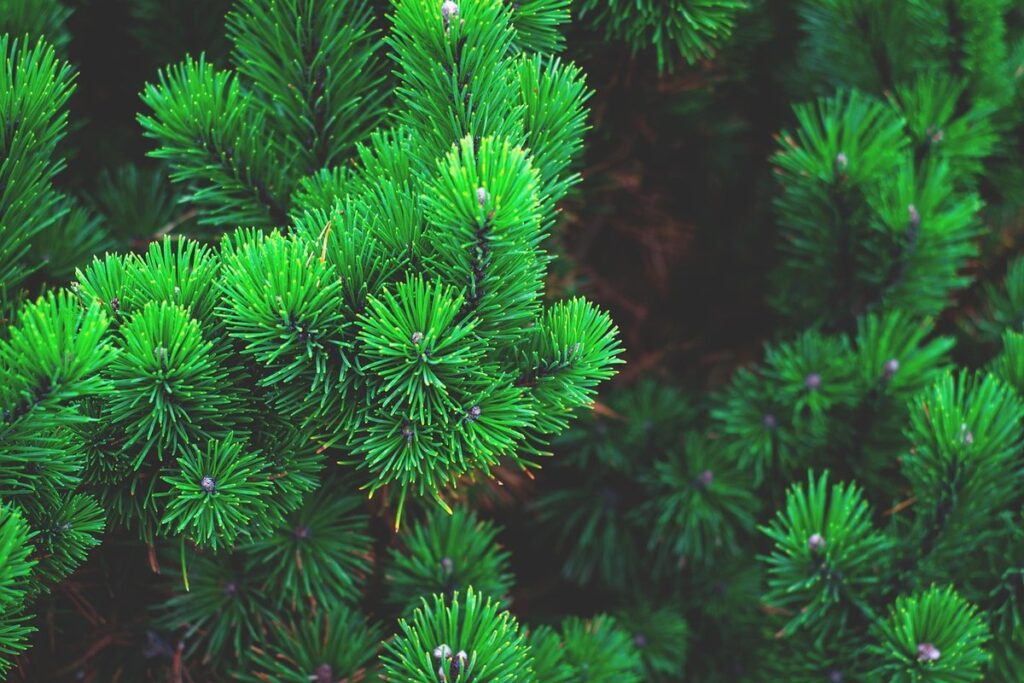
What is Pine Needles Mulch?
Let’s start at the beginning: what exactly are pine needles mulch and how do they become a valuable resource for gardeners and homeowners alike.
Definition and Origin
Pine needles mulch is a type of organic mulch derived from pine tree needles. This eco-friendly alternative to traditional mulches offers numerous benefits for both the environment and gardens. The origin of pine needles mulch can be attributed to nature’s process of decomposition, where pine needles fall onto the forest floor and eventually break down into a rich, acidic material.
As the pine needles undergo decomposition, they release nutrients such as nitrogen, phosphorus, and potassium back into the soil. This natural process creates an ideal environment for plant growth, promoting healthy root development and encouraging beneficial microorganisms to thrive. Gardeners can replicate this process by collecting and processing pine needles, making them a valuable resource for mulching and gardening purposes.
When compared to traditional inorganic mulches, pine needles mulch offers a more sustainable option. It’s biodegradable, non-toxic, and free from synthetic additives that can harm plants and the environment. By using pine needles mulch, gardeners can reduce their carbon footprint while creating a healthier soil ecosystem for their plants to grow and flourish.
Characteristics and Composition
Pine needle mulch is made up of decomposed pine needles, typically harvested from forests or woodlands. In terms of physical properties, it’s often coarse and chunky, with a distinctive dark brown to reddish-brown color. When used as mulch, it helps retain moisture in the soil while preventing weeds from growing. The chemical composition of pine needle mulch is quite acidic, with a pH level that ranges between 3.5 and 4.5 – this makes it an excellent choice for acid-loving plants like azaleas, rhododendrons, and blueberries.
In terms of nutrient content, pine needle mulch is relatively low in nitrogen but high in sulfur, making it beneficial for plants that require acidic soils. However, it’s essential to note that pine needle mulch can contain contaminants like seeds from invasive plant species or even weed seeds. To minimize this risk, choose mulch from reputable sources and ensure proper decomposition before applying it to your garden. As with any mulching material, be sure to apply a 2-3 inch layer around plants to reap the benefits of pine needle mulch while minimizing potential drawbacks.
Advantages of Using Pine Needles Mulch
Now that we’ve explored the basics, let’s dive into the advantages of using pine needles mulch to beautify and protect your garden. You’ll be amazed at its benefits!
Soil Quality Improvement
When you add pine needles mulch to your garden, it’s not just a matter of aesthetics – it’s also a way to improve soil quality, structure, and fertility. One of the primary reasons pine needles are so beneficial is because they’re rich in nutrients like nitrogen, phosphorus, and potassium.
As these nutrients break down, they become readily available for plants to absorb, promoting healthy growth and development. Pine needles can even help to reduce soil acidity over time, which can be a problem in areas with high rainfall or where certain types of plants are grown.
To maximize the benefits of pine needles mulch on your soil quality, it’s essential to use them correctly. Here are some tips: spread a 2-3 inch layer around your plants, keeping it a few inches away from stems and trunks; replenish as needed – typically every year or two depending on climate and plant type.
The result of using pine needles mulch can be dramatic, with some gardeners seeing an increase in yield and plant vigor within just a few months. By incorporating this natural resource into your gardening routine, you’ll not only reduce waste but also create a healthier environment for your plants to thrive.
Water Retention and Erosion Control
When you use pine needle mulch, one of its most significant benefits is its ability to retain moisture and control water erosion. This can be particularly beneficial for gardeners living in areas with high rainfall or those who tend to overwater their plants.
Pine needles have a unique property that allows them to hold onto moisture but release it slowly as the soil needs it. This means that your plants will get the right amount of water without being overwhelmed by excess moisture, which can lead to root rot and other problems. By retaining moisture, pine needle mulch also helps to reduce soil erosion caused by water runoff.
To take full advantage of this benefit, apply a 2-3 inch layer of pine needle mulch around your plants. As the needles break down, they’ll form a thick, sponge-like material that absorbs and stores water for later use. This natural process not only reduces the need for frequent watering but also helps to create a more stable soil environment.
By using pine needle mulch effectively, you can significantly reduce water waste, prevent erosion, and maintain healthy plants with minimal maintenance.
Pest and Disease Suppression
One of the most significant advantages of using pine needles mulch is its ability to suppress pests and diseases in gardens. This natural mulch has been used for centuries in many parts of the world, particularly in regions with acidic soils where pine trees are abundant.
Pine needles mulch can help suppress pests by creating an environment that is less conducive to their survival. For instance, slugs and snails detest walking on sharp pine needles, which makes it difficult for them to navigate through areas covered with this mulch. Similarly, certain types of insects like fungus gnats are also discouraged from laying eggs in the acidic conditions created by pine needle mulch.
Moreover, pine needles mulch has been found to have a positive impact on soil microorganisms. It helps to increase the population of beneficial microbes that break down organic matter and release nutrients back into the soil. This not only improves soil fertility but also enhances its overall health. By incorporating pine needles mulch into your gardening routine, you can enjoy healthier plants, reduced pest infestations, and a more balanced ecosystem.
How to Make Pine Needles Mulch at Home
To make pine needles mulch at home, you’ll need to gather and dry the pine needles thoroughly before processing them into a usable form. Here’s how to do it.
Gathering Materials and Equipment
To make pine needles mulch at home, you’ll need to gather materials and equipment. Start by collecting fresh pine tree needles from evergreen trees like pine, spruce, or fir. You can collect them directly from the ground or shake the branches of the trees to loosen the needles.
For smaller quantities, you can use a rake or a leaf scoop to collect the pine needles. For larger quantities, consider using a lawn mower with a collection attachment or a garden vacuum. It’s essential to wear gloves and protective eyewear when collecting pine needles to prevent skin irritation and eye damage from sap and oils.
Once you’ve collected the pine needles, shred them into smaller pieces using a mulching mower, chipper-shredder, or even a regular lawn mower with a bag attachment. You can also mix shredded pine needles with other organic materials like leaves or grass clippings to create a nutrient-rich mulch blend.
Composting Process and Timing
To create a compost pile using pine needle mulch, you’ll need to follow a simple step-by-step process. Start by collecting a mix of green and brown materials. Green materials like kitchen scraps, grass clippings, and manure are high in nitrogen, while brown materials like dried leaves, straw, or – in this case – pine needles are high in carbon. Aim for a ratio of 2/3 brown materials to 1/3 green materials.
For example, if you’re using a 5-gallon bucket as your compost pile container, fill it about 2/3 full with shredded pine needles and add the remaining 1/3 with kitchen scraps or grass clippings. As the pile begins to break down, you’ll need to turn it regularly to maintain airflow and speed up decomposition.
Remember, a general rule of thumb is to aim for a carbon-to-nitrogen ratio between 20:1 and 30:1. If your pile gets too wet, add more brown materials; if it’s too dry, add more green materials. After 2-3 months, depending on the size of your pile and external factors like temperature and moisture, your compost should be ready to use as a nutrient-rich mulch for your plants.
How to Use Pine Needles Mulch in the Garden
To make the most of your pine needles mulch, you’ll want to learn how to use it effectively in various areas of your garden, from pathways to beds. Here’s where we dive into its practical applications.
Mulching Techniques and Tips
When applying pine needles mulch around plants, it’s essential to follow some best practices to ensure optimal benefits. The layer thickness is a crucial aspect to consider – aim for a 2-3 inch thick layer, as this will provide the right amount of moisture retention and weed suppression without overwhelming the roots.
As for frequency, you can reapply pine needles mulch every 6-12 months, depending on how quickly it breaks down. Keep in mind that pine needle mulch is a slow-release organic matter, so it’s not necessary to replenish it as often as other types of mulches.
In terms of maintenance needs, pine needles mulch requires minimal upkeep. Simply top-dress the area with fresh pine needles every 6-12 months and gently rake or water them into place. You can also add a layer of compost or fertilizer on top for extra nourishment.
One tip to keep in mind is that pine needles mulch can be quite acidic, so it’s best to use it around plants that thrive in slightly acidic conditions, such as azaleas, rhododendrons, and blueberries.
Companion Planting and Interactions
When using pine needle mulch in your garden, it’s essential to consider companion planting and potential interactions with surrounding plants. Companion planting involves pairing plants that benefit from each other’s growth, and pine needle mulch can be a valuable addition to this strategy.
Certain plants thrive when paired with the acidic properties of pine needles, such as azaleas, rhododendrons, and blueberries. These acid-loving plants will appreciate the slightly acidic environment created by the pine needles, promoting healthy root development and nutrient uptake.
On the other hand, some plants may be negatively affected by the acidity or dryness imparted by pine needle mulch. For example, alkaline-tolerant plants like succulents and cacti may experience reduced growth or suffer from root burn if placed near acidic pine needles.
To ensure harmonious companion planting with pine needle mulch, choose plants that thrive in acidic to neutral soil pH (5.0-7.0) and maintain a consistent moisture level. Consider creating distinct zones within your garden, separating acid-loving and alkaline-tolerant plants to prevent potential harm.
Health Considerations and Safety Precautions
When using pine needles mulch, it’s essential to be aware of some potential health concerns and safety precautions to take when working with it in your garden. Let’s discuss these important considerations together.
Handling and Storage
When handling pine needles mulch, it’s essential to take necessary precautions to avoid dust inhalation and other potential hazards. To minimize exposure, wear protective gear such as gloves, safety glasses, and a dust mask when working with the mulch. This will help prevent skin irritation and eye strain caused by fine particles.
When storing pine needles mulch, choose a well-ventilated area to ensure good airflow and reduce the risk of mold growth. Keep the storage container covered to prevent moisture from accumulating on the surface. Regularly inspect the stored mulch for signs of mold or mildew, and consider using an antimicrobial treatment to extend its shelf life.
When transferring pine needles mulch to a wheelbarrow or spreader, use a gentle sweeping motion to avoid creating dust clouds. If you notice excessive dust being raised, stop immediately and address the issue before continuing with the task. By taking these simple precautions, you can ensure safe handling and storage of pine needles mulch while maintaining its quality and benefits for your garden.
Allergic Reactions and Toxicity
If you’re considering using pine needle mulch in your indoor spaces or have specific medical conditions, it’s essential to be aware of potential allergic reactions and toxicity. Pine needles contain terpenes, a type of organic compound that can release oils into the air when dried or heated.
This is particularly concerning for people with respiratory issues like asthma, as inhaling these oils can exacerbate symptoms. Additionally, individuals with sensitive skin may experience irritation upon contact with pine needle mulch. In rare cases, ingesting pine needles can lead to gastrointestinal problems due to their high concentration of terpenes and other compounds.
To minimize risks, it’s crucial to use pine needle mulch in well-ventilated areas or outdoors, where the air is fresh. If you have allergies or respiratory issues, wear protective gear like gloves and masks when handling pine needles. Keep pine needle mulch away from children and pets, as they may ingest it accidentally.
If you still want to use pine needle mulch indoors, opt for smaller quantities and ensure good airflow by placing plants or other objects around the area to circulate air. Always consult with a healthcare professional before using pine needle mulch if you have any underlying medical conditions.
Frequently Asked Questions
Can I use pine needles mulch on acidic soil?
Yes, pine needles mulch is particularly beneficial for gardens with acidic soils as it helps to maintain the pH balance. However, if you have alkaline soil, using pine needles mulch can further lower the pH levels, which may require adjustments in your fertilization routine.
How often should I replenish pine needle mulch?
To maintain optimal benefits, replenish the pine needle mulch layer every 2-3 months or after a significant rainfall event. This ensures the mulch remains effective in retaining moisture and suppressing weeds without becoming too dense or causing waterlogging issues.
Is it safe to use pine needles mulch on edible plants?
Generally, yes, pine needles mulch is considered safe for use around edible plants, including vegetables and fruits. However, it’s crucial to ensure that the pine needles are free of any chemicals or pesticides, which can leach into your produce. If you’re concerned about contamination, consider using certified organic pine needle mulch.
Can I mix pine needle mulch with other types of mulch?
Yes, combining pine needle mulch with other types of organic mulch can enhance its benefits and create a more diverse ecosystem in your garden. Consider mixing it with bark chips or wood shavings for a balanced mulching effect that supports both soil health and aesthetics.
How long does it take for pine needles to decompose?
Pine needles typically take around 6-12 months to fully decompose, depending on factors like climate, moisture levels, and the presence of microorganisms. To speed up this process, ensure your compost pile or mulching area receives adequate aeration and maintains optimal moisture levels.