
Are you fascinated by the world of herbs and spices? You’re in luck because we’re about to dive into one of the most versatile and aromatic plants out there: the anise plant. Not only is it a popular ingredient in cooking, but it also has a rich history and offers numerous health benefits. From its sweet, licorice-like flavor to its potential medicinal properties, anise has been prized for centuries. But before you start using it in your kitchen or as a natural remedy, it’s essential to know the basics. In this article, we’ll take a closer look at the history of anise, its health benefits and culinary uses, and provide you with a step-by-step guide on how to grow it at home. We’ll also cover some safety precautions and potential side effects, so you can use anise with confidence.
What is Anise?
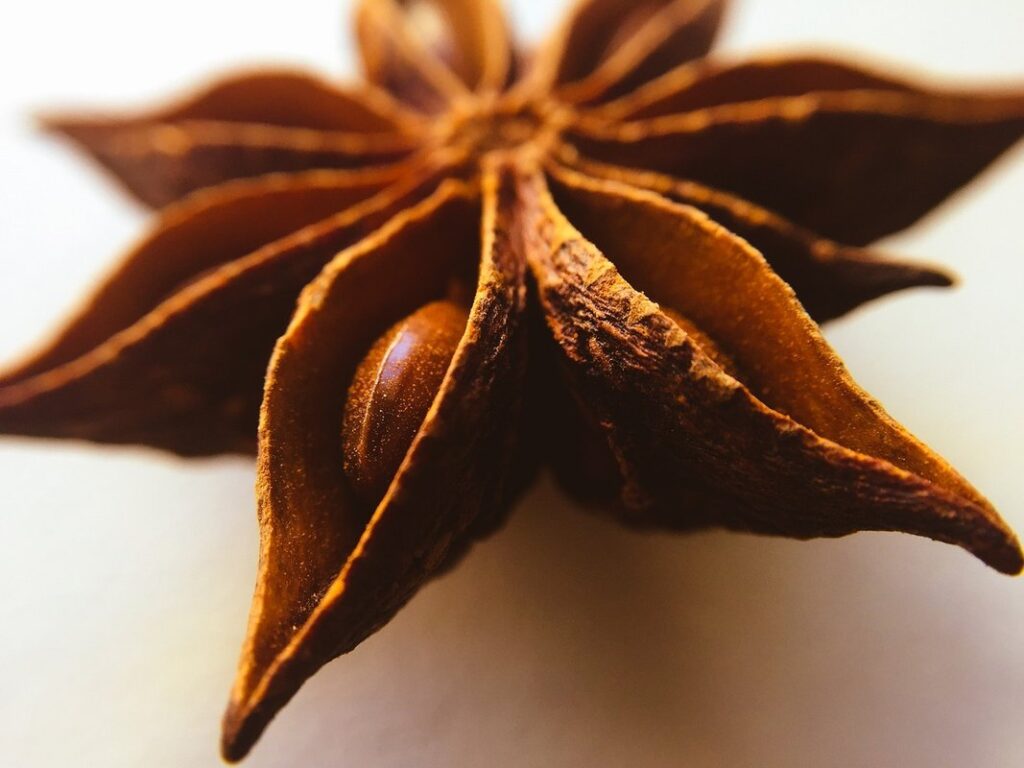
Let’s dive deeper into what makes the anise plant so special, starting with its botanical identity and origins. This ancient herb has been prized for centuries for its unique flavor and medicinal properties.
History of Anise
Anise has been a prized herb for centuries, with its sweet, licorice-like flavor and aroma making it a staple in traditional medicine, cooking, and perfumery. Its history dates back to ancient civilizations, where it was used not only for its culinary properties but also for its medicinal and spiritual benefits.
The earliest recorded use of anise can be found in ancient Egypt around 1500 BCE. The Egyptians revered anise as a sacred herb, using it to treat a variety of ailments including digestive issues and respiratory problems. They would often infuse the seeds in water or honey to create a soothing tea. Similarly, in ancient Greece and Rome, anise was used extensively for its medicinal properties.
In traditional Chinese medicine, anise is still highly valued today for its ability to aid digestion and relieve stress. In fact, the seeds have been a key ingredient in many Chinese remedies for centuries. As you explore the benefits of anise, remember that it’s not just a flavoring agent – but also a powerful herb with a rich history that dates back thousands of years.
Anise Plant Identification
When it comes to identifying an anise plant, there are several key characteristics to look out for. The plant itself can grow quite tall, often reaching heights of between 1-3 meters (3-10 feet). Its leaves are pinnate, meaning they have multiple leaflets arranged like a feather, and are typically a bright green color with a slightly hairy texture.
Flowers on the anise plant are small and white or pale purple in color, and are arranged in clusters at the ends of branches. They have a distinctive licorice scent when crushed, which is where they get their name from. The flowers are also a key indicator that the plant has reached maturity.
The roots of the anise plant are what’s commonly used for cooking and medicinal purposes. They’re long and thin, with a thick outer layer that’s hard to crack through. To identify the roots, look for the characteristic licorice flavor when crushed or cooked down. Be sure to only harvest the roots from mature plants to ensure the highest quality and potency.
When searching for anise plants in the wild, pay attention to these physical characteristics to accurately identify them.
Benefits of Anise
Anise is a powerhouse herb that offers numerous benefits, from soothing digestive issues to calming anxious minds. In this section, we’ll explore its most significant advantages in detail.
Digestive Health
Anise has been used for centuries to ease digestive discomfort and alleviate symptoms of indigestion. The scientific community has validated its effectiveness through various studies.
One key compound responsible for anise’s digestive benefits is anethole, a natural phenylpropene that possesses anti-inflammatory properties. Research indicates that anethole can help reduce inflammation in the gut, which contributes to improved digestion and alleviation of symptoms such as bloating and cramps.
A study published in the Journal of Ethnopharmacology found that anise extract demonstrated significant anti-ulcerogenic activity, meaning it helped prevent ulcers from forming in the stomach lining. This is particularly beneficial for individuals with conditions like gastritis or those taking medications that can irritate the stomach.
To utilize anise’s digestive benefits, you can consume it as a tea by steeping dried seeds or roots in hot water. Alternatively, add anise essential oil to your meals in moderation. It’s also worth noting that consuming excessive amounts of anise may cause adverse reactions due to its potential interaction with certain medications. Consult with a healthcare professional before using anise extensively for digestive issues.
Antimicrobial Properties
Anise’s essential oils have been found to possess remarkable antimicrobial properties, making it an effective agent against various bacteria and fungi. Research has consistently shown that these oils exhibit potent inhibitory effects on both gram-positive and gram-negative bacteria.
One notable study demonstrated the efficacy of anise oil in reducing the growth of E. coli, a notorious foodborne pathogen. The results showed a significant reduction in bacterial counts after treatment with anise essential oil. This suggests its potential application as a natural preservative in food products, helping to prevent spoilage and contamination.
Studies have also highlighted anise’s antifungal properties, particularly against Candida albicans, a common cause of skin infections. By using anise oil topically or incorporating it into your skincare routine, you may be able to combat fungal overgrowth and maintain healthy, balanced skin.
When harnessing the antimicrobial power of anise essential oil, use high-quality products and follow proper usage guidelines. Always dilute the oil with a carrier agent before applying it to the skin, as undiluted concentrations can cause irritation.
How to Use Anise
Now that you’re familiar with the amazing benefits of anise, let’s dive into how to use it effectively and safely in your cooking and remedies. We’ll cover practical tips for harnessing its flavor and medicinal properties.
Culinary Uses
Anise is a versatile ingredient that adds depth and warmth to various sweet dishes. When it comes to desserts, anise pairs beautifully with fruits like strawberries, pineapple, and peaches. Try adding a few drops of anise extract to your favorite fruit salad recipe for a unique twist.
In baked goods, anise is often used in cookies, cakes, and breads. The licorice flavor complements the sweetness of sugar and spices, creating a delicious combination. To make anise-infused shortbread cookies, simply mix 1/4 teaspoon of ground anise with your dry ingredients before adding them to the butter mixture.
Anise is also used in beverages like tea, coffee, and cocktails. A pinch of ground anise can elevate the flavor of hot chocolate or add a unique twist to your favorite coffee recipe. For a refreshing summer drink, mix 1/2 teaspoon of anise extract with lemon juice, sugar, and sparkling water for a flavorful spritzer.
When working with anise in cooking, remember that a little goes a long way. Start with small amounts and adjust to taste, as the flavor can quickly become overpowering. Experiment with different recipes and find your favorite ways to incorporate anise into your sweet creations.
Medicinal Uses
Anise has been used for centuries as a natural remedy for various health issues. When it comes to digestive problems, anise oil can be a game-changer. Its carminative properties help alleviate bloating and gas, making it an excellent addition to your herbal medicine cabinet. Mix a few drops of anise essential oil with water and drink it after meals to soothe digestive discomfort.
Anise also has antibacterial and anti-inflammatory properties that make it effective against skin problems like acne, eczema, and psoriasis. The antiseptic qualities in anise oil can be used topically to reduce inflammation and prevent infections. To use anise for skin issues, mix a few drops of the essential oil with a carrier oil like coconut or olive oil and apply it directly to affected areas.
In addition to its topical applications, anise tea has been traditionally used to treat coughs and colds due to its expectorant properties. You can make anise tea by steeping dried anise seeds in hot water for 5-7 minutes. This natural remedy helps loosen mucus and reduce congestion, making it easier to breathe.
When using anise as a medicinal plant, always consult with a healthcare professional before incorporating it into your treatment plan.
Growing Anise at Home
Growing anise at home is a relatively easy process, requiring minimal care and maintenance to produce fragrant leaves for tea, cooking, and medicinal purposes. With these simple steps, you can enjoy having fresh anise right in your own garden!
Planting and Care
When it comes to growing anise at home, planting and care are crucial steps that ensure the plant thrives. To start, choose a location with well-draining soil and full sun to partial shade. Anise plants prefer a slightly acidic to neutral soil pH, ranging from 6.0 to 7.0.
Water your anise plant regularly, but make sure not to overwater. Allow the top inch of soil to dry out between waterings, as excessive moisture can lead to root rot. Fertilize your anise plant with a balanced fertilizer during the growing season (spring and summer) for optimal growth. Pruning is also essential to maintain shape and encourage new growth.
To propagate new plants, take 6-8 inch stem cuttings from mature branches in the spring or early summer. Remove lower leaves, dip the cut end in rooting hormone, and plant it in a pot filled with well-draining soil. Keep the soil consistently moist until roots develop, usually within 2-3 weeks.
Remember to monitor your anise plant for pests and diseases, such as spider mites, mealybugs, or root rot, which can be detrimental if left unchecked. By following these simple care tips, you’ll be enjoying a bountiful harvest of fresh anise in no time!
Harvesting and Storage
When you’re growing anise at home, it’s essential to know when and how to harvest its seeds and essential oils for optimal use. Harvesting the seeds is typically done after the flowers have faded and the seed pods are dry and papery.
To do this, simply snip off the seed pods from the plant using scissors or pinch them off by hand. Dry the seeds further in a warm, dry place for a few days to prevent mold and mildew from forming.
For essential oils, you can harvest the leaves and stems at any time when they’re fresh and fragrant. Simply chop the plant material finely and steam distill it using a home distillation kit or send it to a professional distiller.
Store your anise seeds and essential oils properly to preserve their potency. Keep them in airtight containers, such as glass jars with tight-fitting lids, and store them in a cool, dark place away from direct sunlight and heat sources. This will help retain the flavor, aroma, and medicinal properties of the anise plant for months to come.
You can use your home-harvested seeds and essential oils in various recipes, teas, and remedies to reap the benefits of this amazing herb.
Safety Precautions and Side Effects
Before you start experimenting with anise, it’s essential to know what potential risks and side effects are associated with its use, so we’ll cover those next. We want you to be aware of any possible downsides.
Allergic Reactions
While anise is generally considered safe for consumption and use, some individuals may experience allergic reactions to its essential oils or other compounds. If you’re one of them, it’s essential to be aware of the potential risks and take precautions.
Symptoms of an allergic reaction can range from mild skin irritation to severe respiratory issues. Some common signs include hives, itching, swelling, stomach cramps, nausea, diarrhea, and difficulty breathing. In rare cases, anaphylaxis may occur, which requires immediate medical attention.
To mitigate these risks, it’s crucial to handle anise safely. Wear protective gloves when handling the plant or its essential oils, and ensure good ventilation in your workspace. Always dilute essential oils with a carrier oil before applying them topically, and start with small amounts to test for sensitivity. If you experience any symptoms after using anise, discontinue use immediately and consult a healthcare professional if necessary. Remember that individual tolerance may vary, so it’s always better to err on the side of caution when introducing new products or ingredients into your routine.
Interactions with Medications
If you’re taking certain medications, it’s essential to know that anise may interact with them. This is particularly true for blood thinners, such as warfarin and aspirin, which are used to prevent blood clots and strokes. Consuming anise in large quantities can increase the risk of bleeding, making these interactions a concern.
Diabetes medications are another group of medications that may be affected by anise consumption. The active compound in anise, called anethole, has been shown to lower blood sugar levels. This could lead to an increased risk of hypoglycemia (low blood sugar) when combined with diabetes medications.
To minimize the risk of interactions, it’s crucial to consult your healthcare provider before using anise as a herbal remedy. They can help you weigh the benefits and risks of consuming anise in conjunction with your prescribed medications. If you do choose to use anise, be sure to monitor your blood sugar levels closely, especially if you’re taking diabetes medications. Always follow the recommended dosage and consult your healthcare provider if you experience any adverse effects.
Conclusion: Harnessing the Power of Anise
In conclusion, we’ve explored the incredible benefits and uses of the anise plant. From its culinary applications to its medicinal properties, it’s clear that this versatile herb has a wealth of value to offer. By incorporating anise into your cooking, you can add depth and warmth to your dishes while reaping the rewards of its digestive-aiding compounds.
Whether you choose to grow your own anise plant or purchase dried or fresh anise from a reputable source, make sure to use it responsibly. Be mindful of potential allergies and interactions with medications, as we’ve discussed earlier in this guide. With proper care and use, anise can be a powerful addition to your kitchen and medicine cabinet.
Frequently Asked Questions
Can I use anise essential oil instead of the plant itself?
Anise essential oil is a popular alternative to using the whole plant, but it’s not always suitable for culinary or medicinal purposes. Essential oils can be quite concentrated and may cause skin irritation or allergic reactions if used undiluted. When substituting with essential oil, make sure to follow proper dilution ratios and consult with a healthcare professional before use.
How long does it take to harvest anise leaves?
The harvesting time for anise leaves depends on the specific growing conditions and desired flavor profile. Typically, you can start harvesting individual leaves about 6-8 weeks after planting, when they reach around 4-6 inches in length. For a stronger licorice flavor, wait until the leaves are fully mature and have reached their maximum size.
Can anise be used as a substitute for other herbs or spices?
While anise has a unique flavor profile, it can be used to complement or replace certain herbs like fennel, tarragon, or even some types of mint. However, it’s essential to note that anise is sweeter and more delicate than these alternatives, so use it sparingly in recipes.
What are the storage requirements for dried anise?
To preserve the flavor and aroma of dried anise, store it in a cool, dark place or airtight container. Avoid exposing dried anise to direct sunlight, moisture, or heat sources, as this can cause degradation of its oils and flavor compounds. You can also freeze anise leaves or seeds for longer-term storage.
Can children consume products containing anise?
Anise is generally considered safe for adults but may be problematic for young children due to its potential toxicity when consumed in large quantities. If you’re considering using anise-based products or ingredients, consult with a healthcare professional before giving them to minors.