
Black flowers have long been shrouded in mystery and intrigue, captivating our imagination with their dramatic beauty. Whether you’re looking to add a touch of elegance to your decor or want to send a unique message with a bouquet, black flowers are an enchanting choice. But have you ever stopped to think about the symbolism behind these mysterious blooms? From roses to calla lilies, each type of black flower carries its own rich history and meaning. In this article, we’ll delve into the world of black flowers, exploring their fascinating history, the meanings behind them, and providing expert care tips to ensure they thrive in your arrangements. By the end of it, you’ll be equipped with everything you need to incorporate these stunning blooms into your decor and make a statement like never before!
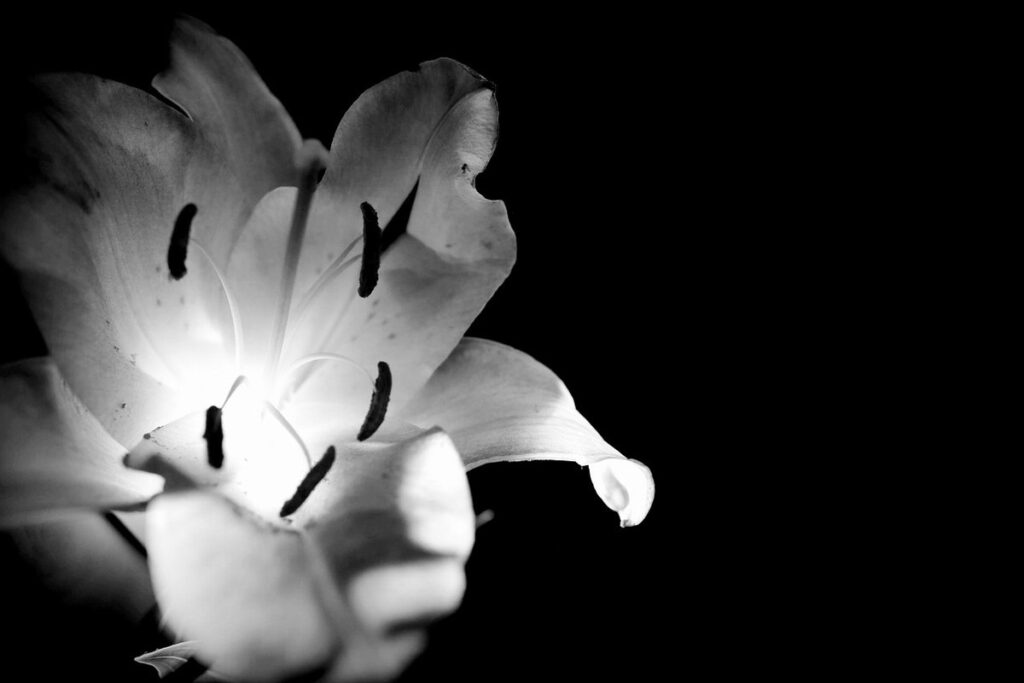
Introduction to Black Flowers
Black flowers have long been shrouded in mystery and intrigue, captivating gardeners and florists alike with their rare beauty. In this opening section, we’ll delve into the history of black blooms.
What are Black Flowers?
Black flowers are often shrouded in mystery and intrigue, and for good reason. These enigmatic blooms have captivated gardeners and florists for centuries with their unique beauty and subtle charm. But what exactly are black flowers? In reality, true black flowers don’t exist in nature – instead, they’re created through a process called “inhibiting anthocyanin production.” This involves breeding plants that produce very little or no chlorophyll, which gives them their characteristic dark color.
The result is a range of deep purples, rich browns, and velvety blacks that add a touch of sophistication to any arrangement. Take, for instance, the ‘Midnight Eclipse’ tulip, which boasts dark, almost-black petals that seem to absorb light around it. Or consider the ‘Black Magic’ calla lily, with its glossy, inky blooms that shimmer like black opals.
When choosing black flowers, remember that they often require special care due to their delicate nature. Be sure to provide them with plenty of indirect sunlight and water them sparingly to prevent root rot – a common issue with plants that don’t produce chlorophyll.
History of Black Flowers in Culture
Black flowers have been shrouded in mystery and intrigue for centuries, captivating artists, writers, and cultures worldwide. In ancient Greece and Rome, black flowers were associated with death and mourning, but also symbolized eternal love and fidelity. The use of black flowers in art is exemplified by the beautiful paintings of Dutch master, Rembrandt van Rijn, who often depicted dark-hued blooms in his still-life works.
In literature, the enigmatic allure of black flowers has inspired some of the most iconic writers of our time. Edgar Allan Poe’s poem “Annabel Lee” features a black rose that symbolizes the beauty and tragedy of love. Similarly, Emily Dickinson’s poetry often explored the symbolism of black flowers in her works.
Throughout history, various cultures have attributed unique meanings to black flowers. In Asia, for instance, the black chrysanthemum is considered a symbol of longevity and honor. The Victorians, on the other hand, used black flowers as a way to convey secret messages between lovers.
Types of Black Flowers: A Comprehensive Guide
There are many varieties of black flowers, each with its own unique characteristics and meanings. From the delicate orchid to the showy anemone, we’ll explore them all here.
Common Varieties of Black Roses
Black roses have long been a symbol of mystery and allure, but did you know that they come in various shades and types? Among the most popular varieties are the Black Baccara, an intense black rose with ruffled petals, originating from France. Its deep color is achieved through a unique combination of genetics and environmental factors.
The Black Magic rose, another well-known variety, boasts dark red to almost black petals with a subtle sheen. This type thrives in warmer climates and requires regular pruning for optimal growth.
For those looking for a more exotic touch, the Midnight Blue rose offers an intriguing twist on traditional black roses. Its deep blue-black hue is due to the presence of anthocyanin pigments.
When choosing black roses, consider their intended use – whether it’s as a statement piece in arrangements or for everyday bouquets. Keep in mind that some varieties may require more attention and care than others.
Other Black Blooming Flowers
While true black flowers can be rare to find, there are several other types of blooms that exhibit deep, dark colors reminiscent of the mysterious allure of black flowers. One such example is the calla lily, which boasts striking white or cream-colored spathes with a delicate dark green edge, but some varieties have dark maroon or almost-black anthers and pistils.
Other varieties like dahlias also come in a range of deep, rich colors including burgundy, plum, and velvety dark red. Some types of these flowers can appear nearly black when grown in conditions with low light, giving them an air of mystery and allure. If you’re interested in cultivating black-colored blooms, consider growing plants like petunias or geraniums that have a natural tendency to darken as they mature.
Some other lesser-known varieties worth mentioning include the ‘Black Magic’ pansy and ‘Dark Night’ astilbe – both exhibiting deep, dark colors with subtle hints of purple undertones.
Symbolism and Meaning Behind Black Flowers
Black flowers have long been shrouded in mystery, carrying hidden meanings that can convey a range of emotions from mourning to elegance. Let’s delve into the symbolism behind these enigmatic blooms.
Romanticism and Elegance with Black Flowers
Black flowers have long been associated with romance and elegance, making them a popular choice for wedding decorations and bouquets. In fact, black calla lilies are often used in high-end weddings to add a touch of sophistication and glamour. The use of black flowers in wedding arrangements is not just about aesthetics; it’s also steeped in symbolism. Black represents eternal love, mystery, and the unknown, making it the perfect choice for couples who want to convey their commitment to one another.
When incorporating black flowers into your wedding decor, consider pairing them with white or cream-colored blooms to create a striking contrast. For example, pairing black roses with white lilies creates a dramatic and romantic look that’s sure to impress. To incorporate black flowers into your bouquet, choose a mix of long-stemmed black calla lilies and smaller black roses for a balanced look. Remember to balance the dark color with some greenery like eucalyptus or ferns to prevent the arrangement from looking too heavy.
Incorporating black flowers into your wedding decor can add an air of sophistication and romance, making it a choice that’s sure to make your special day even more memorable.
Mourning and Bereavement: Using Black Flowers
When it comes to expressing grief and mourning, black flowers hold a profound significance. They are often used in funeral arrangements and memorial services as a symbol of respect, mourning, and remembrance. The symbolism behind using black flowers is deeply rooted in their association with death, loss, and the unknown.
In many cultures, black flowers like calla lilies, chrysanthemums, and dahlias are chosen for their somber beauty and to convey a sense of dignity and respect during times of bereavement. For instance, in Japan, white chrysanthemums symbolize mourning and grief, while in ancient Greece, they represented the farewell of heroes.
If you’re planning a funeral arrangement or memorial service and want to incorporate black flowers as a symbol of mourning, consider pairing them with other flowers that evoke a sense of calmness and serenity. This can help create a harmonious balance between the somber tone of the black flowers and the celebratory aspect of the occasion.
Growing and Caring for Black Flowers
Now that you’ve learned about the history and meaning behind black flowers, let’s dive into how to grow and care for these stunning blooms in your own garden.
Choosing the Right Conditions for Black Flower Care
When it comes to growing black flowers, selecting the right conditions is crucial for their success. These mysterious blooms thrive in specific environments, and understanding their needs will help you coax out their full beauty.
First and foremost, sunlight requirements are essential. Black flowers generally prefer partial shade to full sun, depending on the variety. For example, the popular Black Baccara rose requires at least six hours of direct sunlight per day, while other varieties like the Black Magic petunia can tolerate partial shade. When choosing a location for your black flowers, consider the time of day and the intensity of the sun in your area.
In terms of soil types, black flowers tend to prefer well-draining, rich soils with a slightly acidic pH. Avoid planting them in areas with standing water or where water tends to collect. This can lead to root rot and other issues that can be detrimental to these delicate blooms. If you’re unsure about the soil conditions in your garden, consider conducting a soil test to determine its pH level and nutrient content.
When transplanting black flowers, choose a location with good air circulation to prevent fungal diseases from taking hold. A spot with some afternoon shade will also help prevent scorching of the petals. By selecting the right conditions for your black flowers, you’ll be well on your way to enjoying their unique beauty in your garden or indoor space.
Tips for Proper Watering and Maintenance
When it comes to growing black flowers, proper watering and maintenance are crucial for their health and longevity. Over-watering can be just as detrimental as under-watering, so finding the right balance is key.
To ensure you’re not over- or under-watering, check the soil moisture by sticking your finger into the dirt up to the first knuckle. If the soil feels dry, it’s time for a drink. However, if it still feels damp, wait another day before watering again.
Keep in mind that black flowers tend to require more frequent watering due to their intense color and growth patterns. Aim to water them deeply but less often than you would with lighter-colored blooms.
Fertilize your black flowers regularly, using a balanced fertilizer during the growing season (spring-fall). Avoid over-fertilizing, as this can cause more harm than good. It’s also essential to deadhead spent blooms promptly to encourage new growth and prevent seed production.
Monitor your plants for signs of pests or diseases, such as aphids, whiteflies, or powdery mildew. Take action quickly if you notice any issues, using organic pest control methods whenever possible. With proper care and attention, black flowers will thrive and provide a stunning display of color in your garden.
Using Black Flowers in Decor and Design
When it comes to incorporating black flowers into your decor and design, there are countless ways to add depth and elegance to any space. We’ll explore some creative ideas for using these mysterious blooms in your home.
Ideas for Incorporating Black Blooms into Arrangements
When it comes to incorporating black blooms into arrangements, the possibilities are endless. One way to showcase their mysterious beauty is by creating a stunning centerpiece for your dining table. Imagine a sleek glass vase filled with a mix of dark calla lilies, burgundy roses, and sprigs of baby’s breath in shades of gray. This monochromatic arrangement creates a sophisticated ambiance perfect for formal events or everyday elegance.
For a more whimsical approach, try combining black flowers with unconventional elements like branches, pebbles, or even antique keys. For example, pair dark red poppies with weathered wooden sticks and some moss to create a dramatic forest-inspired arrangement that adds drama to any room. Alternatively, you can focus on texture by pairing smooth calla lilies with velvety black dahlias for a striking contrast.
To make the most of your black flower arrangements, remember to balance their dark colors with lighter shades to avoid overwhelming the space. You can also experiment with different shapes and sizes to create visual interest. Experiment with various combinations and find what works best for you!
The Role of Black Flowers in Modern Floral Design
In modern floral design, black flowers have become increasingly sought after for their dramatic impact and versatility. When used as focal points, they can add an air of sophistication and mystery to arrangements, drawing the eye and creating visual interest. For example, a show-stopping black calla lily or dark red blackberry lily can take center stage in a bouquet, elevating its overall style.
Alternatively, black flowers can be used as accents to add depth and contrast to an arrangement. A sprinkling of black pansies or violas among brightly colored blooms can create a beautiful ombre effect, while a sprig of dark greenery like eucalyptus can add a pop of color against lighter-toned flowers.
To incorporate black flowers into your own designs, try experimenting with different combinations and arrangements. Consider pairing them with neutral-colored blooms or foliage to let their unique beauty shine through. With their striking appearance and ability to add drama and visual interest, it’s no wonder why black flowers have become a staple in modern floral design.
Frequently Asked Questions
Can I grow black flowers from seed, or do they need to be purchased as cut blooms?
Yes, while it’s possible to grow some types of black flowers from seed, others may require special care and propagation methods. Some popular varieties, such as black calla lilies, can be grown from seed, but may require additional steps like stratification or special soil mixes.
How do I ensure my cut black flowers last longer in arrangements?
To prolong the life of your black blooms, keep them away from direct sunlight, and store them in a cool, dry place until use. Trim stems every 2-3 days to promote water uptake, and change the water completely every 4-5 days to prevent bacterial growth.
Are there any specific care tips for growing black roses?
Yes, black roses require slightly acidic soil with a pH between 6.0 and 6.5. Provide them with full sun to partial shade, depending on the variety, and ensure consistent moisture levels during the first year after planting.
Can I use black flowers in arrangements for all occasions, or are they more suitable for specific events?
While black flowers can be used in a wide range of arrangements, they’re particularly popular for mourning and bereavement events due to their association with elegance, sophistication, and somberness. However, they can also add a touch of drama and mystery to weddings, anniversaries, or corporate events.
How do I incorporate black flowers into my home decor without overwhelming the space?
To avoid overusing black flowers in your decor, balance them with lighter-colored blooms or foliage to create visual interest. Consider using black flowers as accent pieces or focal points, rather than filling entire vases or arrangements. Experiment with different placement and arrangement styles to find the perfect combination for your space.