
Are you ready to discover a citrus sensation that’s about to take your cooking, skincare, and wellness routine to the next level? Let me introduce you to yuzu, a little-known gem native to East Asia. This vibrant fruit is packed with unique characteristics, impressive nutrition, and incredible health benefits waiting to be unlocked. As we delve into the world of yuzu, you’ll learn how to harness its power in your daily life. From cooking up tasty Japanese dishes to using its juice as a natural skincare booster, our guide will show you the versatility of this citrus superstar. In this article, we’ll explore the amazing benefits of yuzu and share tips on how to incorporate it into your routine, making it easier than ever to get started with this incredible fruit.
What is Yuzu?
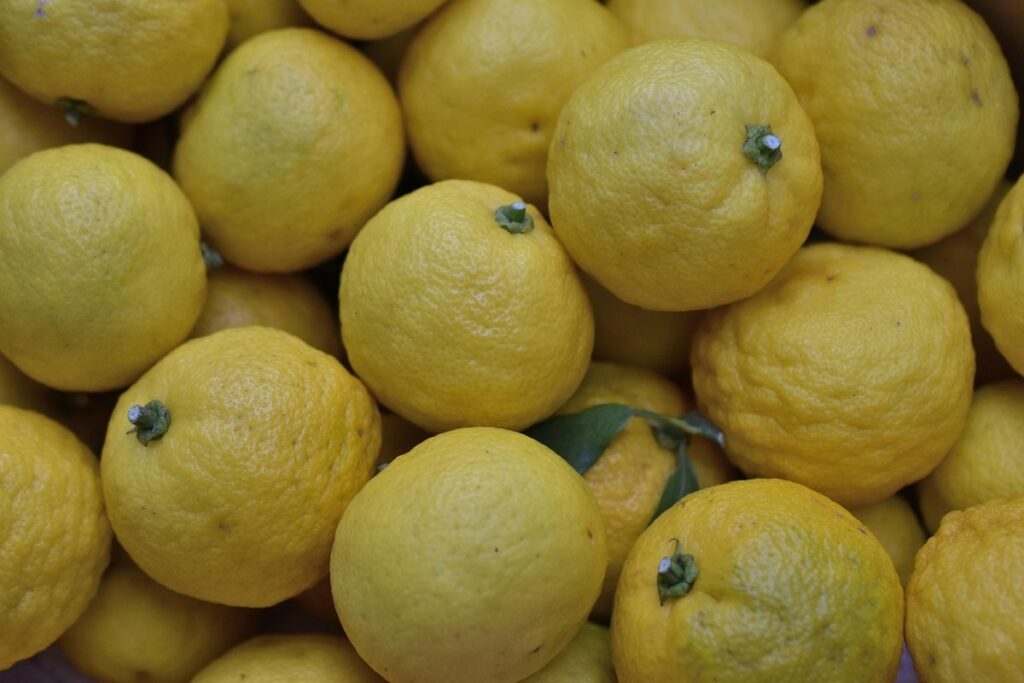
Yuzu is a citrus fruit native to East Asia, and understanding its origins and characteristics will give you a deeper appreciation for its unique flavor and versatility. Let’s take a closer look at what makes yuzu so special.
Overview of the Fruit
Yuzu is a citrus fruit native to East Asia, specifically Japan and Korea, where it has been cultivated for centuries. It’s known for its unique characteristics, which set it apart from other citrus fruits like oranges and lemons. For one, yuzu has a thicker, more robust skin that’s often used in traditional Japanese cuisine for its fragrant zest.
One of the most distinctive features of yuzu is its flavor profile, which is both tart and sweet at the same time. Imagine a combination of grapefruit, lemon, and orange all rolled into one, but with an extra layer of depth and complexity. This makes it a versatile ingredient in many East Asian dishes, from soups to salads to sauces.
In addition to its culinary significance, yuzu also holds cultural importance in Japan and Korea, where it’s often used as a symbol of good fortune and prosperity. In fact, the fruit is so revered that it’s commonly given as gifts during special occasions like New Year’s celebrations and weddings.
History and Origins
Yuzu has a rich history that spans centuries, with roots tracing back to China and Japan. It’s believed to have originated in southern China, where it was highly valued for its unique flavor profile and medicinal properties. From there, yuzu cultivation spread to Japan, where it became an integral part of the country’s cuisine and traditional medicine.
In Japanese culture, yuzu is often used as a garnish or ingredient in high-end dishes, particularly in sushi restaurants. Its citrusy scent and flavor are said to awaken the senses and stimulate digestion. For centuries, yuzu has been prized for its ability to cleanse and balance the body’s energy, making it a staple in traditional Japanese medicine.
Interestingly, yuzu is not as widely cultivated or consumed in China today, but its popularity endures in Japan. In fact, many Japanese farmers carefully cultivate yuzu trees using traditional techniques passed down through generations. This dedication to preserving ancient knowledge has allowed yuzu to thrive in modern times, making it an increasingly sought-after ingredient around the world.
Nutrition and Health Benefits
When it comes to yuzu, its incredible nutrition and health benefits are just as impressive as its flavor. Let’s dive into what makes yuzu a superfood in disguise!
Nutritional Profile
Yuzu is not only a flavor sensation but also a nutrient-dense superfood. Its nutritional profile boasts an impressive array of vitamins, minerals, and antioxidants that can have a positive impact on our overall health. One of the key highlights of yuzu’s nutritional content is its exceptionally high vitamin C levels – often exceeding those found in oranges! A single serving of yuzu provides up to 100% of your daily recommended intake of this essential antioxidant.
In addition to its impressive vitamin C content, yuzu also packs a punch when it comes to potassium and fiber. These two nutrients are crucial for maintaining healthy blood pressure, promoting digestive regularity, and even supporting immune function. The high fiber content in yuzu can help regulate bowel movements, prevent constipation, and keep you feeling fuller for longer.
The combination of these nutrients makes yuzu a natural remedy for various health issues, from boosting immunity to reducing inflammation. By incorporating yuzu into your diet – whether through juice, zest, or as a garnish – you’ll be harnessing its incredible nutritional benefits in no time!
Antioxidant Properties
When it comes to yuzu’s impressive nutritional profile, one of its standout features is its exceptionally high antioxidant properties. Antioxidants are molecules that neutralize free radicals in the body, which can cause oxidative stress and lead to chronic diseases like cancer and heart disease. Yuzu’s unique combination of flavonoids, phenolic acids, and limonoids makes it an effective combatant against these free radicals.
Studies have shown that yuzu extract has potent antioxidant activity, with one study demonstrating a significant increase in the body’s antioxidant capacity after consuming yuzu juice. This is likely due to its high content of vitamin C, which is a powerful antioxidant itself. Regular consumption of yuzu can help reduce inflammation in the body, a major risk factor for many chronic diseases.
To incorporate more yuzu into your diet and reap its antioxidant benefits, try making a yuzu-infused oil by mixing grated yuzu zest with olive oil and storing it in the fridge for up to two weeks. You can use this oil as a finishing touch for salads, roasted vegetables, or grilled meats.
Culinary Uses and Recipes
You’ll love discovering how to bring yuzu’s unique flavor to your kitchen, from traditional Japanese dishes to modern twists on classic recipes. Let’s dive into some exciting culinary ideas!
Introduction to Yuzu in Cooking
Yuzu is a versatile citrus fruit that has been integral to various cuisines, particularly in Japanese, Korean, and Chinese cooking. Its unique flavor profile, which combines the sweetness of orange with the tartness of grapefruit, makes it an excellent addition to many dishes.
One of the most iconic uses of yuzu in Japanese cuisine is as a garnish for sushi and sashimi. The citrusy aroma and flavor enhance the delicate taste of raw fish, while its juice adds a burst of freshness to traditional dishes like ponzu sauce. In Korean cooking, yuzu is often used to make kimchi, a spicy fermented vegetable dish that showcases the fruit’s ability to balance sweet and sour flavors.
In Chinese cuisine, yuzu is used in marinades for pork and chicken, adding a depth of citrus flavor that complements the richness of soy sauce and ginger. Its juice is also used as a finishing touch for soups and stir-fries, adding a bright and refreshing note to the dish.
To incorporate yuzu into your cooking, try using its zest or juice in marinades, dressings, or sauces. You can also use it as a garnish for salads, noodle dishes, or soups. Experiment with different combinations of yuzu with other ingredients to unlock its full potential and discover new flavors.
Yuzu-Based Dishes and Drinks
When it comes to culinary uses, yuzu’s versatility shines through in its various applications. One of the most refreshing ways to enjoy yuzu is in a cup of hot tea, where it adds a subtle citrus flavor that warms the senses without overpowering them.
To make yuzu-infused tea, steep a slice or two of yuzu peel in a teapot of boiling water for 5-7 minutes. You can also add a few slices to your favorite tea blend for an added boost of citrus. This simple yet elegant drink is perfect for a chilly evening or as a palate cleanser between courses.
Another popular use for yuzu is as a component of salad dressings, where its bright acidity cuts through rich flavors. Try mixing grated yuzu zest with olive oil, soy sauce, and honey for a light and zesty vinaigrette that’s perfect for grilled fish or asparagus salads.
Beauty and Skincare Benefits
Yuzu’s incredible benefits extend far beyond its flavor, and we’re excited to dive into some of its amazing effects on beauty and skincare. Let’s explore how this citrus superfruit can transform your skin care routine.
Aromatic Properties
Yuzu essential oil is renowned for its unparalleled aromatic properties, making it an invaluable ingredient in aromatherapy, skincare, and perfumery. The fragrance of yuzu oil is characterized by its citrusy and slightly sweet undertones, which can evoke a sense of calmness and relaxation.
In aromatherapy, yuzu essential oil can be used to reduce stress and anxiety by promoting deep breathing and calming the mind. Add a few drops to your diffuser or inhale it directly from the bottle to experience its tranquil effects. For an enhanced relaxation experience, combine yuzu with lavender or chamomile oils for a soothing blend.
In skincare, yuzu essential oil’s antioxidant properties help protect skin from environmental damage, promoting collagen production and reducing fine lines and wrinkles. Its antibacterial and anti-inflammatory properties also make it an effective treatment for acne-prone skin. Mix a few drops of yuzu oil with your favorite moisturizer or serum to reap its benefits.
In perfumery, yuzu essential oil adds a unique twist to fragrances by introducing citrusy notes that are both uplifting and refreshing. Experiment with blending yuzu with floral or woody oils for an intriguing scent.
Yuzu-Based Skincare Products
Yuzu extracts are being increasingly used in high-end skincare products due to their potential benefits for skin health and appearance. These products typically contain a concentrated form of yuzu’s essential oil, which is rich in antioxidants, vitamin C, and limonene. When applied topically, these compounds can help protect the skin from environmental stressors, reduce inflammation, and improve collagen production.
One of the key advantages of using yuzu-based skincare products is their ability to brighten and even out skin tone. Yuzu’s high concentration of vitamin C helps to inhibit melanin production, reducing the appearance of dark spots and hyperpigmentation. Additionally, its antioxidant properties help to neutralize free radicals that can cause premature aging.
Many luxury skincare brands now incorporate yuzu extracts into their product lines. For example, Shiseido’s Yuzawa line features a range of products containing concentrated yuzu extract. To reap the benefits of yuzu-based skincare, look for products that contain between 2-5% essential oil concentration. Also, be sure to patch test any new product before incorporating it into your regular routine.
Growing and Cultivating Yuzu
Growing yuzu requires specific conditions, so let’s explore how to replicate its native environment in your backyard or indoor space for optimal growth. With the right care, you’ll be enjoying fresh yuzu within a year!
Climate and Soil Requirements
Growing yuzu trees requires careful consideration of their climate and soil requirements. Native to East Asia, yuzu thrives in temperate climates with mild winters and hot summers. They prefer well-draining acidic soils with a pH between 5.5 and 6.5. If your soil is too alkaline, you can amend it by adding elemental sulfur or peat moss.
In terms of climate, yuzu trees are sensitive to frost, so they must be planted in an area that provides protection from harsh winter conditions. They also require full sun to partial shade, with temperatures ranging from 40°F to 90°F (4°C to 32°C). If you live in a cooler climate, consider planting your yuzu tree in a container that can be moved indoors during the winter months.
To give your yuzu tree the best chance at thriving, make sure to plant it in an area with good air circulation. This will help prevent fungal diseases from taking hold and reduce the risk of pest infestations. With proper care and attention, your yuzu tree should reward you with a bountiful harvest of fragrant fruit that’s perfect for adding flavor to everything from sushi to marmalade.
Care and Maintenance Tips
Caring for your yuzu tree requires attention to its watering, fertilization, and protection from disease. Overwatering is a common mistake that can lead to root rot, so make sure the soil drains well and only water when the top inch of soil feels dry. On the other hand, underwatering can cause the leaves to turn yellow and drop off. Aim for regular but moderate watering.
When it comes to fertilization, yuzu trees benefit from a balanced fertilizer during the growing season (spring-fall). You can also add citrus-specific fertilizer for an extra boost of nutrients. However, avoid overfertilizing as this can lead to excessive growth and reduced fruiting.
To protect your tree from disease, keep an eye out for signs of pests like aphids, whiteflies, or mealybugs. Regularly inspect the leaves and stems for any visible damage or discoloration. Prune your tree regularly to maintain its shape and promote healthy growth, removing any diseased or damaged branches.
By following these care and maintenance tips, you’ll be well on your way to growing a thriving yuzu tree that produces delicious fruit year-round.
Fun Facts and Trivia
Did you know that yuzu is often referred to as a “Japanese grapefruit,” but it’s actually more closely related to oranges? Let’s dive into some fascinating facts about this citrus superstar.
Interesting Yuzu Facts
Yuzu is more than just a flavor enhancer; it’s a superfood that offers numerous benefits for our overall well-being. One of its most fascinating aspects is its potential to reduce stress levels. The citrus fruit contains an impressive amount of vitamin C, which has been shown to decrease cortisol levels and promote relaxation. Imagine incorporating yuzu into your daily routine, whether through a refreshing yuzu tea or a rejuvenating yuzu-infused bath soak.
In addition to reducing stress, yuzu is also known for its digestive benefits. The fruit’s high fiber content can help regulate bowel movements, while its citric acid properties stimulate digestion and prevent constipation. In Japan, it’s common to see yuzu added to traditional dishes like miso soup or used as a garnish for sushi – the secret to its success lies in its unique ability to enhance flavors without overpowering them.
Regular consumption of yuzu has also been linked to immune system enhancement. Its high vitamin C content and flavonoids work together to protect against oxidative stress, inflammation, and infections. With its numerous health benefits and versatile uses, it’s no wonder yuzu is gaining popularity worldwide.
Cultural Significance in East Asia
In East Asian societies, yuzu has played a vital role in traditional rituals, ceremonies, and festivals for centuries. In Japan, for example, yuzu is often used as a symbol of good luck and purification during the New Year (Oshogatsu) celebrations. Its juice is typically used to cleanse the home and its guests, believed to drive out evil spirits and bring in good fortune.
In Korea, yuzu is an integral part of Seollal, the Lunar New Year festival. It’s used as a gift for family members and friends, symbolizing respect and gratitude. The fruit’s fragrance is also used to ward off bad luck and misfortune during this time.
Yuzu’s significance extends beyond these festivals. In traditional Japanese tea ceremonies, yuzu slices are often served as a palate cleanser between courses. This subtle yet essential step allows the guests to appreciate the nuances of each dish, fostering mindfulness and appreciation for the meal.
As you explore the world of yuzu, remember its cultural significance in East Asian societies. Incorporate it into your own celebrations and traditions – not only will it add depth and flavor, but also a touch of history and meaning.
Frequently Asked Questions
Can I grow yuzu fruit at home, or is it too finicky?
Yes, growing yuzu can be a rewarding experience for experienced gardeners who have the right climate and conditions. However, it requires specific temperature zones (USDA 8-10) and well-draining soil with a pH between 6.0 and 7.0. If you’re new to citrus cultivation, consider starting with easier-to-grow varieties like lemons or limes.
What’s the best way to use yuzu juice in skincare products?
Yuzu juice can be incorporated into skincare recipes as a natural antioxidant booster due to its high vitamin C content. Use it at a concentration of 5-10% in your favorite face serum or body lotion recipe, but be cautious not to dilute the formula too much, as yuzu’s acidity may cause skin irritation.
Are there any potential side effects I should know about when consuming yuzu?
Yes, like other citrus fruits, yuzu contains citric acid and limonene, which can potentially irritate sensitive stomachs or trigger allergic reactions in some individuals. If you experience discomfort or digestive issues after consuming yuzu, discontinue use and consider consulting a healthcare professional.
How do I preserve yuzu zest for future recipes?
To keep yuzu zest fresh for an extended period, dry it using a food dehydrator on low heat (135°F) for 2-3 hours. Alternatively, air-dry the zest in a single layer between sheets of parchment paper. Store dried yuzu zest in an airtight container to preserve its aromatic oils and fragrant flavor.
Can I substitute yuzu with other citrus fruits in recipes?
While similar to lemons or oranges, yuzu has a unique flavor profile that’s often difficult to replicate with other citrus varieties. If you can’t find fresh yuzu or prefer not to use it, try combining lemon and grapefruit juice for a closer approximation of yuzu’s tartness and sweetness.