
Trellis cucumbers are a game-changer for gardeners looking to boost their harvests and add some extra nutrition to their diets. These versatile and easy-to-grow vegetables offer a wealth of benefits, from improving soil health to providing a high concentration of antioxidants and vitamins. But what makes trellis cucumbers so special? In this comprehensive guide, we’ll dive into the unique uses, growing tips, and health benefits of trellis cucumbers. You’ll learn how to maximize your harvest by training these vining cucumbers to grow up a trellis or other support system. By the end of this article, you’ll be equipped with everything you need to enjoy a bountiful crop of nutritious and delicious trellis cucumbers right in your own backyard!
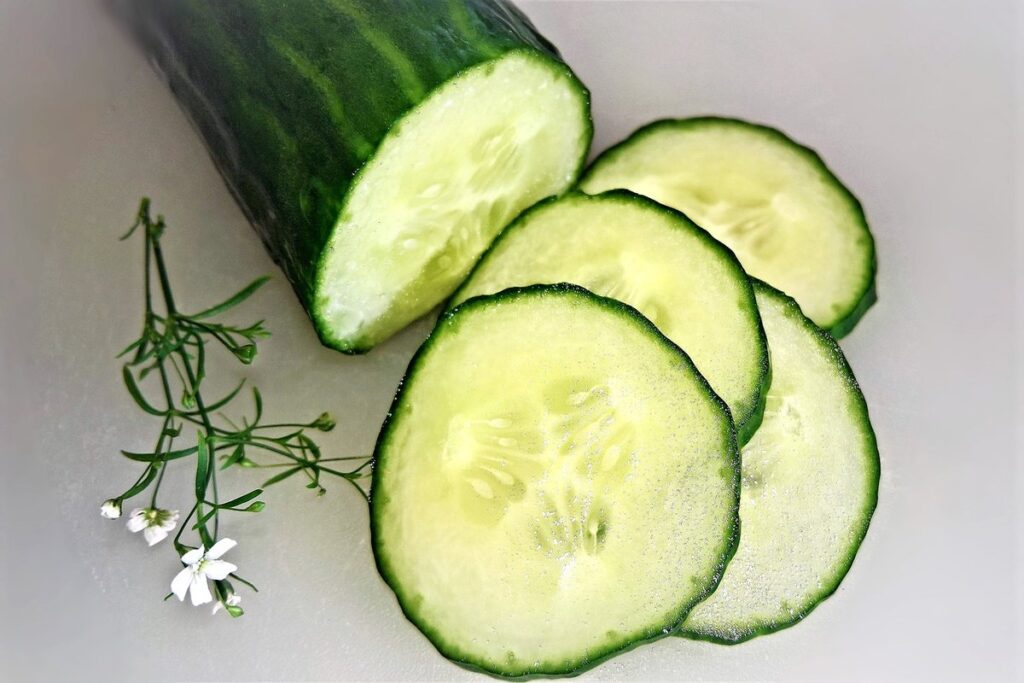
Introduction to Trellis Cucumbers
Let’s start by exploring what trellis cucumbers are and how they’re different from traditional cucumber varieties, which will help you grow them successfully.
What are Trellis Cucumbers?
Trellis cucumbers are a type of cucumber that has gained popularity among gardeners and chefs alike due to their unique characteristics. Originating from the Mediterranean region, trellis cucumbers have been cultivated for centuries, prized for their slender shape, crunchy texture, and sweet flavor. One of the most noticeable differences between trellis cucumbers and other types is their growth habit – they are naturally climbing plants that thrive on a trellis or a supportive structure.
Unlike bush-type cucumbers, which spread out over the ground, trellis cucumbers use their long stems to ascend upwards, making them an excellent choice for small gardens or spaces with limited room. This vining characteristic not only allows for efficient use of space but also promotes better air circulation and sunlight penetration, reducing the risk of disease.
The unique growth habit of trellis cucumbers makes them an attractive option for gardeners who want to grow cucumbers without sacrificing precious space.
Characteristics of Trellis Cucumbers
Trellis cucumbers are characterized by their unique growth habits, which set them apart from other types of cucumbers. They tend to grow vertically, either on a trellis or a fence, making the most of space while providing easy access for harvesting. This characteristic makes them an excellent choice for gardeners with limited space or those who want to maximize their yield.
In terms of flavor profiles, trellis cucumbers are known for their sweet and refreshing taste, often described as less bitter than other varieties. They have a crunchy texture that’s both firm and juicy, making them perfect for snacking, salads, and sandwiches.
One key characteristic worth noting is the high water content of trellis cucumbers, which can range from 96% to 98%. This makes them an excellent choice for hot summer days when you need a refreshing snack. Additionally, their relatively fast maturation period (around 50-60 days) means that you can enjoy multiple harvests throughout the growing season.
When selecting trellis cucumbers, look for varieties with compact growth habits and a high fruit-to-leaf ratio to ensure maximum yields.
Growing Trellis Cucumbers
To successfully grow trellis cucumbers, you’ll need to choose a suitable variety and provide them with a sturdy support system from an early stage. This section will walk you through those essential steps.
Preparing the Soil for Trellis Cucumber Planting
Before you start planting your trellis cucumbers, it’s essential to prepare the soil for optimal growth. A well-prepared soil will ensure that your plants thrive and produce an abundance of delicious fruit.
First, check the pH level of your soil. Cucumbers prefer a slightly acidic to neutral soil pH, ranging from 6.0 to 7.0. If your soil is too alkaline or acidic, it can affect nutrient availability and plant growth. You can purchase a soil testing kit or consult with a local nursery for guidance.
Cucumbers require well-draining, rich soil that’s high in organic matter. Add compost or well-rotted manure to improve soil structure and fertility. A 2-inch layer of organic mulch will also help retain moisture and suppress weeds. Consider adding a balanced fertilizer (e.g., 10-10-10 NPK) according to the manufacturer’s instructions.
Some essential micronutrients for cucumbers include calcium, magnesium, and sulfur. If your soil lacks these nutrients, you can add them as amendments. For example, crushed eggshells provide a natural source of calcium, while Epsom salt (magnesium sulfate) is an excellent source of magnesium and sulfur.
Remember to till the soil gently before planting to avoid compacting it. This will ensure good root growth and prevent waterlogging, which can lead to fungal diseases.
Choosing the Right Variety of Trellis Cucumber
When selecting the right variety of trellis cucumber for your garden, several factors come into play. First and foremost, consider your climate. If you live in a region with hot summers, look for varieties that are heat-tolerant and drought-resistant, such as ‘Marketmore’ or ‘Slicing’. On the other hand, if you’re growing in cooler temperatures, choose a variety like ‘Tasty Green’ or ‘Early Pick’, which thrive in milder conditions.
Think about your desired harvest time too. If you want to enjoy fresh cucumbers throughout the summer, opt for varieties with a longer maturation period, such as ‘Bush Early’ or ‘Spacemaster’. These will provide multiple harvests and keep producing until the first frost.
Lastly, consider your specific growing conditions. Do you have limited space? Choose compact or bush varieties like ‘Salad Bush’ or ‘Patio’, which take up less room but still produce a bountiful crop. By taking these factors into account, you’ll be able to select the perfect trellis cucumber variety for your garden and enjoy a thriving harvest.
Training and Supporting Trellis Cucumbers
To get the most out of your trellis cucumbers, you’ll want to learn how to properly train and support them as they grow and produce fruit. Proper care is essential for a bountiful harvest.
The Importance of Trellising Cucumbers
Trellising cucumbers is essential for several reasons. Firstly, it provides improved air circulation around the plant, which helps to prevent fungal diseases that thrive in humid environments. By keeping the fruit off the ground, trellising also reduces the risk of bacterial wilt and other soil-borne pathogens.
In addition to improving air circulation, trellising cucumbers increases yield by allowing for more efficient use of space. With a trellis, multiple plants can be grown in a smaller area, making it ideal for compact gardens or small spaces. According to a study, trellised cucumber yields were 20% higher than those grown on the ground.
Trellising also makes harvesting easier and less backbreaking. By growing cucumbers vertically, you can reach them without having to bend or stoop, reducing fatigue and making it more convenient to harvest your crop regularly. This is especially beneficial for gardeners with mobility issues or those who struggle with bending.
Methods for Supporting Trellis Cucumbers
When it comes to supporting trellis cucumbers, there are several methods you can use to ensure they receive the necessary structure and guidance. One popular method is using a trellis netting system. This involves attaching a net-like material to the trellis or fence, allowing the cucumber vines to climb through and attach themselves naturally.
For those who prefer a more traditional approach, bamboo stakes are an excellent option. These can be driven into the ground around the base of the plant, providing a sturdy support for the vines to cling to. Another method is cage training, where a metal or plastic cage is placed over the plant, allowing the cucumbers to grow upwards and outwards.
Regardless of which method you choose, it’s essential to ensure that your trellis cucumbers receive adequate support as they grow. This can be achieved by gently twining the vines around the support system and providing regular pruning to maintain a balanced growth pattern. By using one or a combination of these methods, you’ll be able to enjoy a bountiful harvest of healthy, well-supported trellis cucumbers.
Health Benefits of Trellis Cucumbers
Trellis cucumbers offer a wealth of health benefits, from aiding digestion to boosting your intake of essential vitamins and minerals. Let’s explore their impact on our well-being in more detail.
Nutritional Value of Trellis Cucumbers
Trellis cucumbers are an excellent addition to a healthy diet due to their impressive nutritional profile. One of the standout benefits is their high water content, which makes them an ideal choice for hot summer days when hydration is crucial. In fact, trellis cucumbers contain up to 96% water, making them one of the most hydrating foods you can eat.
In addition to their hydrating properties, trellis cucumbers are also a rich source of vitamin K, an essential nutrient that plays a critical role in blood clotting and bone health. One cup of sliced trellis cucumber contains approximately 20% of your daily recommended intake of vitamin K. What’s more, trellis cucumbers are also packed with antioxidants, including flavonoids and lignans, which have been shown to have anti-inflammatory properties.
To reap the most nutritional benefits from trellis cucumbers, be sure to eat them raw or lightly cooked to preserve their water content and delicate nutrient profile. Add sliced trellis cucumbers to salads, sandwiches, or snack on them as a refreshing treat. By incorporating trellis cucumbers into your diet, you’ll not only stay hydrated but also support overall health and well-being.
How to Consume Trellis Cucumbers for Maximum Health Benefits
To truly unlock the health benefits of trellis cucumbers, you need to incorporate them into your diet in a variety of ways. One of the simplest and most enjoyable methods is snacking on them raw. Simply slice or chop a fresh trellis cucumber and enjoy it on its own, or pair it with a dollop of hummus or guacamole for added flavor.
Another great way to consume trellis cucumbers is in salads. They add a refreshing crunch and a burst of hydration-boosting electrolytes to any mix of greens. Try combining sliced trellis cucumbers with cherry tomatoes, carrots, and a homemade vinaigrette for a light and satisfying summer salad.
Trellis cucumbers are also an excellent addition to smoothies. Their mild flavor won’t overpower the other ingredients, and their high water content will help thin out thicker fruits like bananas or avocados. Blend sliced trellis cucumber with your favorite fruits, a handful of spinach, and a squeeze of lemon juice for a refreshing and rejuvenating morning drink.
Remember to always choose fresh, firm trellis cucumbers for the best flavor and texture.
Common Pests and Diseases Affecting Trellis Cucumbers
When growing trellis cucumbers, it’s essential to be aware of the common pests and diseases that can affect them, such as aphids, whiteflies, and powdery mildew. Knowing these potential issues will help you take preventative measures to ensure a healthy harvest.
Identifying Common Pests of Trellis Cucumbers
When it comes to growing trellis cucumbers, one of the biggest challenges you’ll face is dealing with common pests that can quickly spread and damage your crop. Among the most prevalent culprits are aphids, whiteflies, and spider mites.
Aphids are small, soft-bodied insects that feed on plant sap, causing curled or distorted leaves and stunted growth. Whiteflies, on the other hand, are tiny, winged pests that suck plant juices, leaving behind a sticky honeydew substance that attracts ants and promotes fungal growth. Spider mites are microscopic arachnids that spin fine webs on the undersides of leaves and feed on plant sap, causing yellowing or bronzing.
To identify these pests, look for the characteristic signs they leave behind, such as curled or distorted leaves (aphids), a cloudiness over the leaves (whiteflies), or fine webbing on the undersides of the leaves (spider mites). Early detection is key to preventing infestations from getting out of hand. To control these pests, use a combination of cultural controls like introducing beneficial insects, practicing good sanitation, and applying targeted pesticides when necessary. By staying vigilant and taking prompt action, you can keep your trellis cucumbers healthy and thriving throughout the growing season.
Managing Diseases in Trellis Cucumber Plants
When growing trellis cucumbers, managing diseases is crucial to ensure a healthy and bountiful harvest. One of the most common issues you may encounter is powdery mildew, a fungal disease that appears as a white, powdery coating on leaves and stems. To prevent this, maintain good air circulation around your plants by spacing them at least 12 inches apart. Water them in the morning to allow the leaves to dry before nightfall, reducing the risk of moisture accumulation.
Another threat is downy mildew, which causes yellowing or browning of leaves and can be fatal if left unchecked. To manage this disease, avoid watering your trellis cucumbers from overhead, as this can splash spores onto leaves. Instead, use soaker hoses or water them at the base to minimize moisture on foliage.
Anthracnose is another fungal disease that affects trellis cucumbers, manifesting as dark spots or patches on leaves and stems. To prevent anthracnose, remove any infected leaves or debris from your plants, and ensure good air circulation by pruning nearby vegetation. Regularly inspect your plants for signs of disease, and take prompt action to treat any issues that arise.
Harvesting and Storage of Trellis Cucumbers
Now that your trellis cucumbers are ripe, let’s dive into the best practices for harvesting and storing them to keep them fresh and delicious for as long as possible. Proper handling is key to enjoying these treats throughout the season.
The Optimal Time to Harvest Trellis Cucumbers
When it comes to harvesting trellis cucumbers, timing is everything. You want to catch them at their peak ripeness to ensure maximum flavor and texture. One of the most obvious signs that your trellis cucumbers are ready to be picked is a yellow or creamy spot on the underside of the fruit. This indicates that the cucumber has fully matured and is now sweeter and more tender.
Another sign of ripeness is a slight softening of the skin around the stem end. Avoid squeezing the cucumber too hard, as this can cause damage. Instead, gently twist and pull the fruit away from the trellis to avoid any breakage. The optimal time for harvesting trellis cucumbers depends on their variety, but generally, they’re ready when they reach 6-8 inches in length.
To maximize your yield, try to harvest your trellis cucumbers every day or two, as this will encourage the plant to continue producing new fruit. Remember to use a sharp knife or pruning shears to cut the stem at an angle, leaving about 1 inch of stem attached to the fruit. This will help prevent moisture from entering the stem and causing rot.
Tips for Storing Fresh Trellis Cucumbers
When storing fresh trellis cucumbers, it’s essential to maintain their quality, flavor, and texture. This can be achieved by providing the right conditions for storage. Store the cucumbers in a cool, dry place with good ventilation. A temperature range of 45°F to 55°F (7°C to 13°C) is ideal.
Keep them away from direct sunlight and heat sources as this can cause moisture loss and spoilage. You can also store them in a paper bag or breathable container to maintain humidity. Avoid storing cucumbers near fruits that release ethylene gas, such as apples, as this can accelerate ripening and spoilage.
It’s best to harvest the cucumbers regularly, as over-maturity can lead to bitterness and poor flavor. Also, check for any signs of spoilage or damage before storing them, and separate any affected cucumbers from the rest. By following these tips, you can enjoy your trellis cucumbers at their freshest for a longer period.
Conclusion and Future Considerations
Now that you’ve learned how to grow and use trellis cucumbers, let’s wrap up with a summary of key takeaways and consider some potential future uses for this versatile crop.
Recap of Key Takeaways
Trellis cucumbers offer numerous benefits and uses that make them an excellent addition to any garden or indoor space. By now, you should have a clear understanding of their advantages, including improved yields, increased space efficiency, and enhanced pest resistance. To recap, trellis cucumbers are perfect for small gardens, containers, or vertical gardens due to their compact growth habit.
Some key takeaways from this article include the importance of providing support for trellis cucumbers to optimize their growth and productivity. Regular pruning and training also play a crucial role in maintaining a healthy plant. Additionally, you learned about the various uses of trellis cucumbers, such as slicing, pickling, and preserving.
To maximize your success with trellis cucumbers, remember to choose a suitable variety for your climate and desired harvest period. Make sure to provide enough sunlight and water for optimal growth, and keep an eye out for common pests and diseases that can affect the plant. With these tips in mind, you’re well on your way to enjoying a bountiful harvest of delicious trellis cucumbers.
Additional Resources for Growing Trellis Cucumbers
For those eager to dive deeper into the world of trellis cucumbers, there are numerous resources available. The National Gardening Association website offers an extensive guide on growing cucumbers, including tips on providing support for vining varieties like trellis cucumbers.
The Cornell University Cooperative Extension also provides valuable insights on cucumber care and management. Their publication covers topics such as irrigation, pruning, and pest management – all crucial aspects of successfully growing trellis cucumbers.
If you prefer online tutorials and videos, YouTube channels like Gardening Know How and Burpee offer a wealth of information on growing cucumbers, including specific advice for trellis varieties. You can also explore the many online forums and communities dedicated to vegetable gardening, where experienced growers share their tips and tricks.
To further enhance your skills, consider joining local gardening clubs or attending workshops in your area. Networking with fellow gardeners is an excellent way to learn new techniques and gain hands-on experience with trellis cucumbers.
Frequently Asked Questions
Can I grow trellis cucumbers in containers if I don’t have a large garden?
Yes, you can definitely grow trellis cucumbers in containers! This is a great option for small spaces or balconies. Just make sure to choose a container that’s at least 5-gallons and has good drainage holes. Use a well-draining potting mix and provide support for the vining plant using a trellis or a fence.
How do I know when my trellis cucumbers are ready to be harvested?
Trellis cucumbers are typically ready to harvest within 60-70 days of planting. Check for them regularly, as they can quickly become too large and fibrous if left on the plant too long. Gently grasp the fruit and twist it away from the stem to check for readiness.
Can I use a trellis made of other materials like netting or chicken wire?
Yes, you can use alternative materials like netting or chicken wire as supports for your trellis cucumbers. However, make sure they are sturdy enough to hold the weight of the vining plant and its fruit. You may also need to provide additional support to prevent the plant from toppling over.
How often should I water my trellis cucumber plants?
Trellis cucumbers prefer consistent moisture, especially when producing fruit. Water them deeply once or twice a week, depending on weather conditions. Avoid overhead watering, which can lead to fungal diseases; instead, water at the base of the plant to keep the leaves dry.
Can I use compost tea as a fertilizer for my trellis cucumbers?
Yes, you can use compost tea as a natural and beneficial fertilizer for your trellis cucumbers. This liquid solution is made by steeping compost in water, which releases nutrients and microorganisms that promote healthy plant growth. Use it as a foliar spray or add it to the soil around the base of the plant.