
When it comes to roses, their vibrant hues often speak volumes about love, appreciation, and admiration. But have you ever wondered which rose colors are truly the most popular? From classic reds and velvety pinks to bold corals and delicate whites, each shade has its own unique meaning and significance. Today’s social media landscape, celebrity influences, and cultural events all play a significant role in shaping our preferences when it comes to roses. In this article, we’ll delve into the top 5 most popular rose colors, exploring their meanings, symbolism, and how trends are influenced by our collective tastes. By the end of this comprehensive guide, you’ll have a deeper understanding of the world of rose colors and what they represent – plus some insider tips on which shades are trending right now!
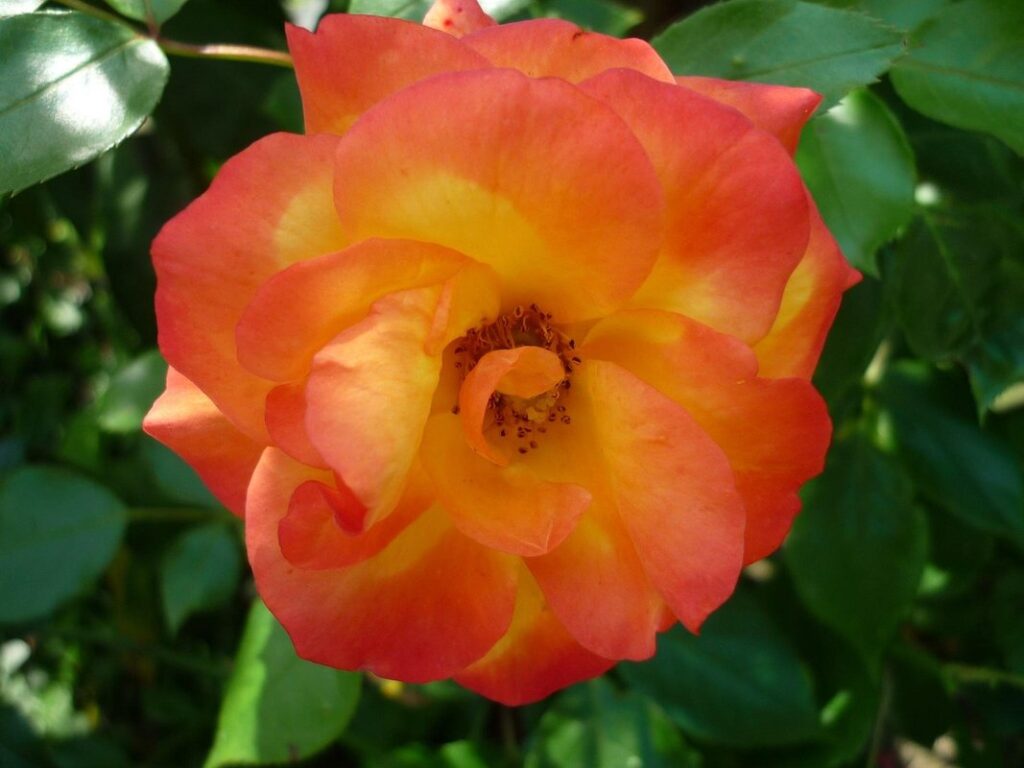
Understanding the Popularity of Rose Colors
When it comes to rose colors, have you ever wondered why some shades are more popular than others? In this next part of our guide, we’ll explore what makes certain hues stand out.
Factors Influencing Rose Color Trends
Social media platforms have become a significant driver of rose color trends. Influencers and celebrities often share photos featuring specific rose colors, generating buzz and encouraging their followers to adopt the same colors for their events and arrangements. For instance, the popularity of soft peach roses can be attributed to Kim Kardashian’s wedding bouquet, which featured an abundance of these delicate blooms.
Cultural events and holidays also play a crucial role in shaping rose color trends. Valentine’s Day, for example, sees a surge in demand for classic red roses, while weddings and anniversaries often feature combinations of white and pastel shades. These cultural influences contribute to the cyclical nature of rose color popularity, with certain colors experiencing a brief spike in demand before giving way to new trends.
To stay ahead of the curve, it’s essential to keep an eye on social media platforms and cultural events. By doing so, you can capitalize on emerging trends and create stunning arrangements that showcase your design skills.
Top 5 Most Popular Rose Colors
According to floristry industry trends and sales data, the top 5 most popular rose colors are consistently red, pink, white, yellow, and lavender. Red roses take the lead as the clear favorite among consumers, making up a staggering 58% of all rose sales.
Pink roses follow closely behind, with around 26% of the market share. Their popularity stems from their versatility in expressing gratitude, appreciation, and love. White roses are also in high demand, often used to convey purity, innocence, and respect. They make up about 10% of total rose sales.
Yellow roses and lavender roses round out the top 5, each accounting for around 3-4% of the market share. While yellow roses evoke feelings of happiness and sunshine, lavender roses are often associated with luxury and sophistication. When choosing a bouquet or arrangement, consider these popular colors to make your gift more thoughtful and impactful.
Remember that rose color meanings can vary depending on cultural context and personal preference. Consider pairing different colored roses for a unique and memorable effect.
The Science Behind Rose Color Variation
Let’s dive into the fascinating world of rose color variation, where genetics and environment play a crucial role in creating these beautiful hues. From pink to purple, each color has its unique story to tell.
Pigmentation and Flower Structure
When it comes to understanding why roses come in such a vast array of colors, we need to look no further than their pigments and flower structure. The process begins with the production of anthocyanins, powerful water-soluble pigments responsible for the red, purple, and blue hues found in many flowers. These compounds are present in the petal cells of roses and play a significant role in determining their final color.
Carotenoids, another class of pigments, contribute to the yellow, orange, and golden tones seen in certain rose varieties. While these pigments can produce vibrant colors on their own, it’s often the interaction between anthocyanins and carotenoids that creates more complex hues like pink or coral. For instance, when exposed to sunlight, anthocyanin-rich roses will deepen in color, while carotenoid-dominant roses may become lighter.
Interestingly, some rose varieties have been bred specifically to produce certain pigments over others. By selecting for plants with higher levels of specific anthocyanins or carotenoids, breeders can create new, unique colors that were previously unseen in the natural world. For those interested in experimenting with their own rose cultivation, keep in mind that environmental factors like temperature and pH can also impact pigment production – consider these variables when growing roses for maximum color expression.
Environmental Factors Affecting Rose Color
Environmental factors play a significant role in determining the color of roses. Temperature, for instance, can cause roses to change color as they ripen. In warm temperatures, rose petals tend to deepen in color and become more vibrant, while cooler temperatures may result in paler hues.
Light exposure is another critical factor that influences rose color variation. Roses grown in full sun often develop a deeper, richer color compared to those receiving partial shade. This is because intense sunlight triggers the production of anthocyanins, responsible for red, purple, and blue colors in flowers.
Soil quality also affects rose color, particularly when it comes to roses that require certain nutrients to maintain their vibrant hue. For example, roses grown in alkaline soils may develop more reddish tones due to an increased concentration of iron. To minimize environmental impact on rose color, gardeners can provide roses with optimal growing conditions, including adequate sunlight, water, and nutrient-rich soil.
Cultural Significance of Rose Colors
In many cultures, rose colors are imbued with symbolic meanings that transcend their natural beauty. Let’s explore how different societies assign significance to various hues of roses.
Symbolism and Meaning Behind Rose Colors
In the world of roses, colors are not just aesthetically pleasing but also carry rich symbolism and meaning. The significance of rose colors varies across cultures, and their meanings have evolved over time. For instance, red roses were once associated with mourning in Victorian England, but today they’re synonymous with love and passion.
In contrast, yellow roses are often seen as a symbol of friendship and gratitude in Western cultures, whereas in China, they represent new beginnings and prosperity. The meaning of rose colors can also be influenced by the context in which they’re given or received. For example, a bouquet of pink roses might signify appreciation for a loved one in one culture but embarrassment in another.
To navigate these varying meanings, it’s essential to consider the cultural context and personal intentions behind gifting roses. If you’re giving roses as a gesture of friendship, opt for yellow or white, which are generally accepted as symbols of platonic love across cultures. However, if you want to convey romantic feelings, red is still the safest bet in most parts of the world.
Historical Context of Rose Color Traditions
Roses have been a symbol of love and passion for centuries, with different colors holding distinct meanings across various cultures. In ancient Greece and Rome, roses were used to convey emotions through color. Red roses symbolized love and desire, while white roses represented purity and innocence. These associations continue today, making red roses a popular choice for Valentine’s Day.
In the Victorian era, flowers were used to communicate secret messages due to the strict social etiquette of the time. Roses were no exception, with different colors indicating various emotions or intentions. For example, yellow roses signified friendship and joy, while pale pink roses conveyed admiration from afar. This tradition has evolved over time but remains a fascinating aspect of rose culture.
The significance of certain rose colors in ancient cultures still resonates today. In many Asian cultures, for instance, white roses are given at weddings to symbolize good fortune and prosperity. Similarly, red roses continue to be used in ceremonies and rituals to represent love and commitment. By understanding the historical context of rose color traditions, we can appreciate the depth of meaning behind this simple yet powerful flower.
Trends and Innovations in Rose Colors
Rose growers and enthusiasts, let’s explore the fascinating world of rose color trends and innovations that are shaping the industry today! From new hybrids to sustainable farming practices.
New Breeds and Varieties
In recent years, rose breeding has seen significant advancements, giving rise to an array of new varieties with extraordinary color combinations and nuances. One notable trend is the development of roses with unique shade gradations, such as the ‘Sunglow’ and ‘Warm Ombre’ series from David Austin Roses. These roses feature subtle transitions from one color to another, creating a mesmerizing effect.
Another breakthrough in rose genetics is the creation of varieties that defy traditional classification by combining multiple colors in a single bloom. For instance, the ‘Jewel Tones’ collection by Jackson & Perkins boasts roses with vibrant pink, blue, and purple hues swirled together in intricate patterns. These innovative combinations not only expand the possibilities for garden design but also push the boundaries of rose color theory.
As rose enthusiasts continue to seek out novel colors and textures, breeders are responding with an increasing focus on genetic diversity and experimentation. This shift towards exploration and innovation is redefining the world of roses, offering growers and collectors alike a wider range of options than ever before.
Sustainable and Eco-Friendly Rose Production
As we delve into the wonderful world of rose colors, it’s essential to acknowledge the significant impact that sustainable and eco-friendly rose production methods have on our environment. The demand for responsibly grown roses has been steadily increasing, and rose farmers are responding by adopting innovative practices that minimize waste and promote biodiversity.
One of the key areas where eco-friendly production is making a difference is in the development of new rose colors and varieties. For instance, some breeders are focusing on creating roses with deeper, richer colors using natural pigments derived from plants such as beetroot and turmeric. These colors not only reduce the need for synthetic dyes but also create a more vibrant and unique palette.
To incorporate sustainable practices into your own rose garden or farming operation, consider implementing measures like rainwater harvesting, composting, and integrated pest management (IPM). By adopting these eco-friendly methods, you can not only reduce your environmental footprint but also contribute to the creation of new, innovative rose colors that delight and inspire us.
Choosing the Perfect Rose Color for You
With so many stunning rose colors to choose from, selecting the perfect shade can be a daunting task. Let’s break down the most popular options and find your ideal match.
Personal Preferences and Occasions
When it comes to choosing the perfect rose color, personal preferences and occasions can play a significant role. A rose’s hue can evoke emotions, convey messages, and even match specific moods. For instance, if you’re someone who loves bright and cheerful flowers, a vibrant red or pink rose might be the ideal choice for your wedding bouquet or anniversary gift.
On the other hand, if you prefer softer and more subtle tones, a lavender or peach-colored rose could be the perfect fit for a romantic evening stroll or a get-well-soon arrangement. Consider the emotional connection you want to make with the recipient – do you want to express love, gratitude, or apology? Different rose colors can convey these emotions in unique ways.
For example, white roses often symbolize purity and innocence, making them an excellent choice for new beginnings, weddings, or baby showers. Meanwhile, a bouquet of sun-kissed orange roses can add a pop of energy and warmth to any setting – perfect for celebrating milestones or expressing joy.
Tips for Buying and Caring for Roses
When buying roses, it’s essential to consider their freshness. Check the stems for any signs of dryness or brittleness. Avoid roses with droopy petals or those that are heavily sprayed with preservatives – these can be indicative of old blooms. Opt for freshly cut roses instead, as they’ll last longer and maintain their color better.
When handling your roses, be gentle to prevent damage to the delicate stems. Remove any leaves below the waterline in the vase to prevent bacterial growth. Make sure to store them in a cool, dry place away from direct sunlight.
To extend the lifespan of your roses, change the water every two days and add a floral preservative if provided. Keep the vase away from heat sources like radiators or heaters. Avoid placing your roses near fruit bowls, as ethylene gas emitted by fruits can cause them to age faster.
For optimal color retention, keep your roses in temperatures between 65-75°F (18-24°C). Avoid direct sunlight, which can cause fading and wilting. With proper care, you can enjoy your beautiful roses for up to a week or more.
Conclusion: The Enduring Beauty of Rose Colors
As we come to the close of our exploration into the world of rose colors, let’s take a moment to appreciate the timelessness and beauty that each hue brings to a bouquet.
Recap of Key Points
In conclusion to our comprehensive guide on rose colors, let’s take a moment to recap the key points discussed throughout this article. We’ve explored the fascinating world of roses and their diverse color palette, from classic reds to soft pastels.
We touched on the significance of rose color symbolism, highlighting how different hues evoke various emotions and convey distinct messages. For instance, red roses are often associated with love and passion, while white roses signify purity and innocence. We also discussed the role of rose colors in different cultures, such as pink roses being a symbol of gratitude in Asian cultures.
Moreover, we examined the most popular types of roses by color, including hybrid teas, floribundas, and grandifloras. Whether you’re a seasoned gardener or a novice, this information will help you choose the perfect rose variety to match your garden’s style and desired aesthetic.
As a takeaway from our discussion on rose colors, consider the following: when selecting roses for a special occasion or as a gift, choose a color that resonates with the intended recipient’s emotions.
Final Thoughts and Recommendations
As we conclude our journey through the world of rose colors, it’s clear that each hue has its own unique significance and beauty. Whether you’re a seasoned gardener or just starting to explore the world of roses, understanding the meaning behind different colors can add depth and appreciation for these stunning flowers.
If you’re looking to expand your rose collection or simply learn more about your favorite color, consider exploring the symbolism and associations attached to each hue. For instance, red roses are often linked with love and passion, while pale pink roses convey gentleness and sweetness. By understanding these nuances, you can select roses that resonate with your personal style or send a thoughtful message to someone special.
Consider reaching out to local nurseries or rose societies to learn more about specific varieties and their characteristics. You can also explore online forums and communities where rose enthusiasts share tips, advice, and experiences. With a little research and exploration, you’ll be well on your way to discovering new rose colors that speak to you – and the story behind each one will only add to its beauty.
Frequently Asked Questions
Can I use rose colors as a symbol of different emotions for non-romantic occasions?
Yes, you can! While roses are often associated with love and romance, their meanings can also be adapted to fit various emotions and relationships. For example, a bouquet of white roses can represent innocence or purity, making them suitable for weddings, graduations, or other significant life events. Be creative in choosing rose colors that resonate with your message.
How do I know which rose color is trending on social media?
To stay up-to-date on the latest rose color trends, follow popular influencers, florists, and event planners on social media platforms like Instagram. Hashtags such as #roseoftheday or #roses are also great ways to discover new shades and styles that are currently in vogue.
Can I grow my own roses with specific colors?
Yes! With proper care and attention, you can cultivate your favorite rose varieties at home. Consider factors like climate, soil quality, and sunlight exposure when selecting a location for your rose garden. Make sure to choose hybrid tea or grandiflora roses, which are known for their vibrant colors and robust growth.
How do I incorporate rose color trends into my event planning?
Consider the overall aesthetic and theme of your event when choosing rose colors. For example, if you’re hosting a summer wedding, soft pastel shades like pale pink or baby blue might be fitting. You can also experiment with mixing and matching different hues to create a unique and eye-catching look.
Can I use rose colors as a way to support sustainable and eco-friendly practices?
Absolutely! Many flower farms and nurseries now offer sustainably grown roses, which are cultivated using environmentally friendly methods. When purchasing roses, look for certifications like Fair Trade or Rainforest Alliance, which ensure that the roses were produced with minimal environmental impact.
How do I choose the perfect rose color for a specific occasion or personal preference?
Consider the emotional connotation of each rose color and how it aligns with your intention. If you’re looking to express gratitude, opt for red roses; if you want to convey admiration, consider white or yellow roses. Don’t be afraid to experiment with different shades until you find one that resonates with your personal style and preferences.